





 Portuguese
  English
  Spanish
  5 min of reading
  0 comments


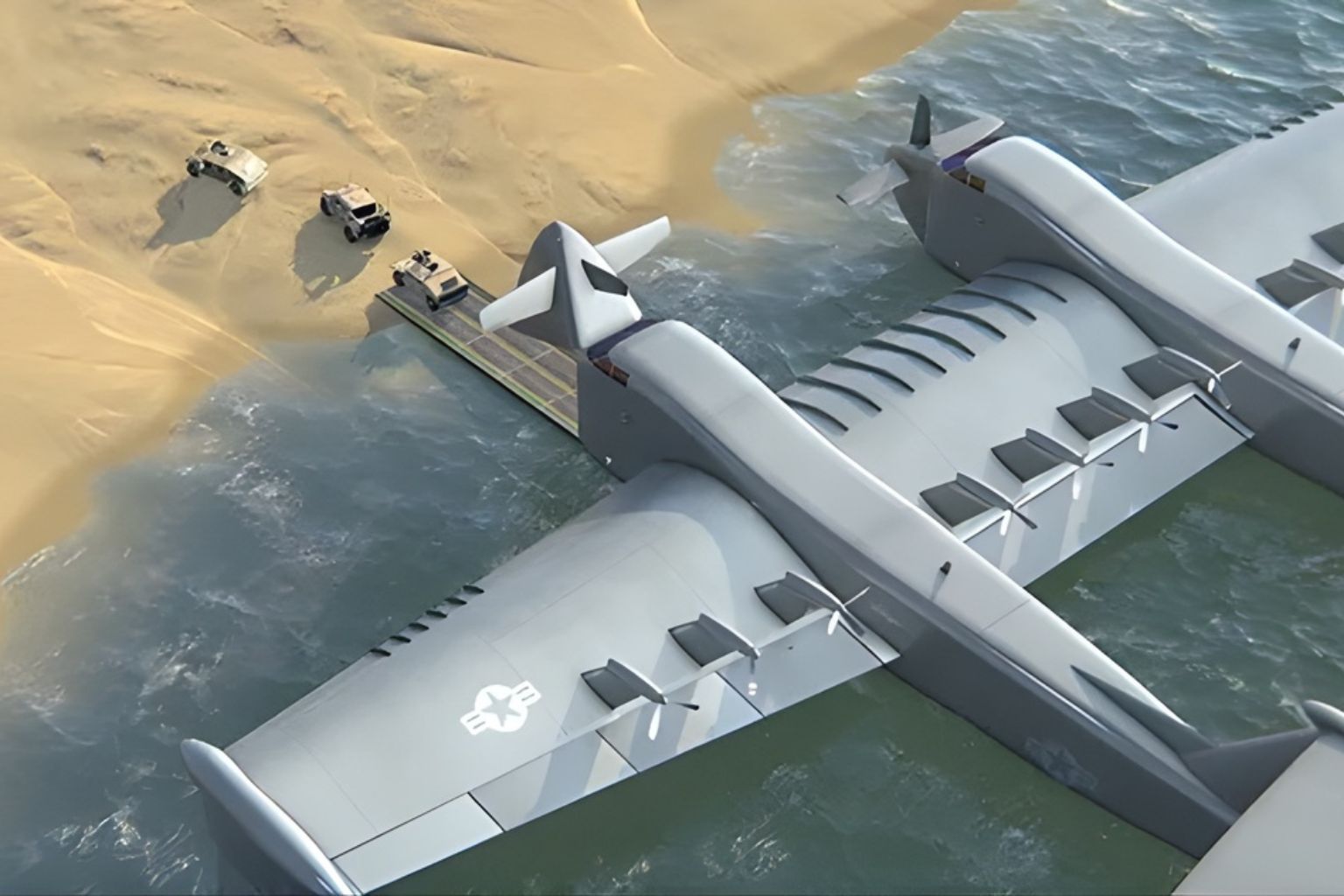
Liberty Lifter Project from DARPA Aimed to Create a Giant Ground Effect Vehicle Capable of Carrying Up to 90 Tons Over 12 Thousand Km Over Oceans, Inspired by Soviet Ecranoplanes from the Cold War.
During the Cold War, the Soviet Union developed some of the most unusual machines in aviation history: the ecranoplanes, giants that flew just a few meters above the water, utilizing ground effect to transport large loads at high speed. These vehicles combined features of ships and airplanes and were tested in ambitious military projects on the Caspian Sea.
Decades later, the concept returned to spark strategic interest. In 2022, the DARPA (Defense Advanced Research Projects Agency) announced the Liberty Lifter program, an experimental project aiming to apply the same aerodynamic principle to create a new generation of heavy military transport over oceans.
The proposal was to develop a giant amphibious vehicle capable of rapidly moving military equipment between continents without relying on airports or large logistical bases.
-
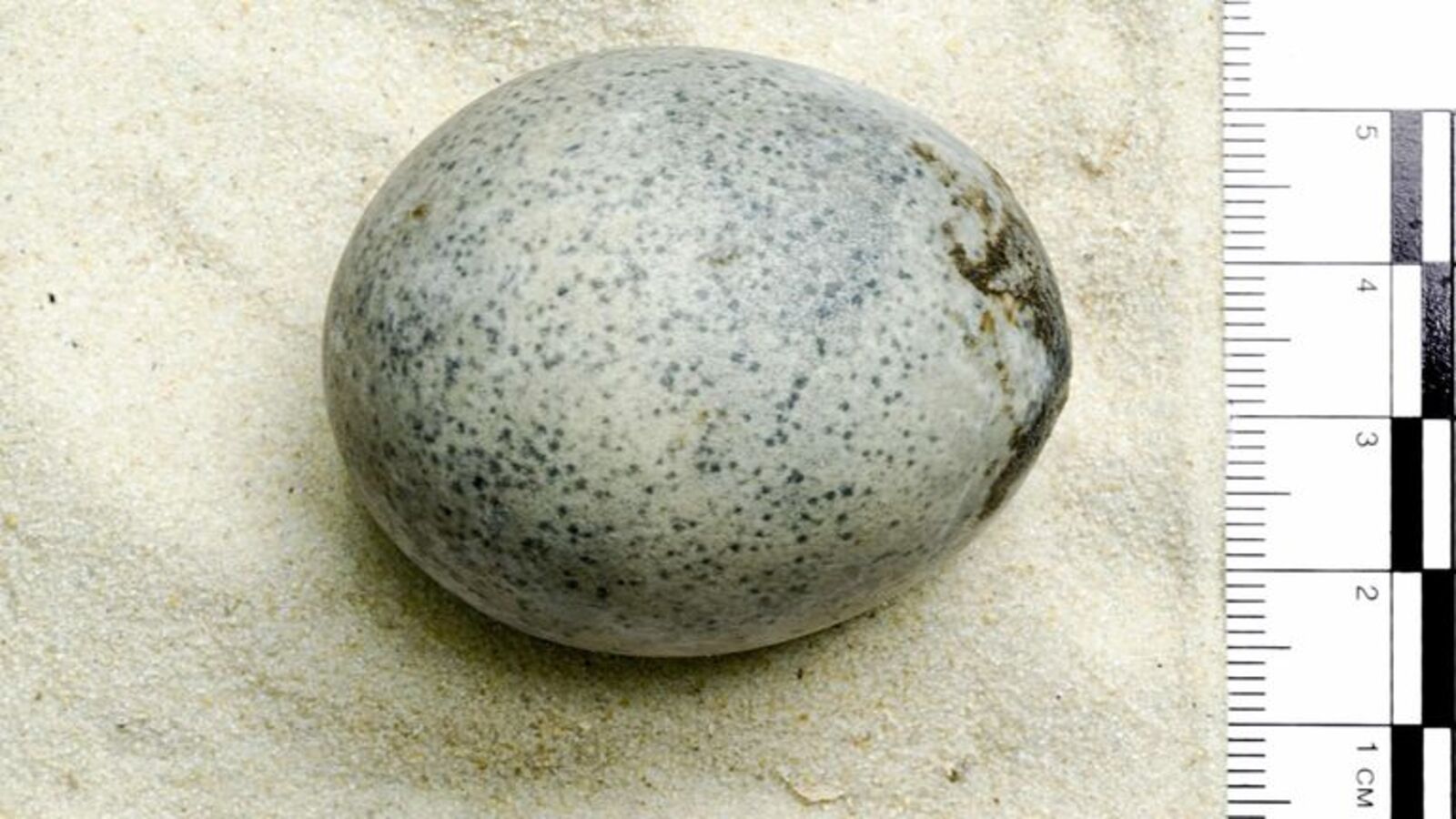
In a flooded well, archaeologists found a 1,700-year-old Roman egg that still contains clear and yolk intact inside the very thin shell.
-
Something is happening around the Earth: Inside the huge explosion of fireballs in 2026

-
A hot air bubble coming from Argentina expands over Brazil, causing thermometers to exceed 38 degrees with a thermal sensation of 40 degrees in late March, affecting 6 states at once.

-
The radish leaf that almost everyone throws away has more polyphenols, flavonoids, and fiber than the consumed root, and a 2025 study showed that the leaf contains compounds that protect the intestine, combat inflammation, and may inhibit the growth of cancer cells.


The Ground Effect Principle That Allows Flying Close to the Sea
The Liberty Lifter would be based on an aerodynamic phenomenon called ground effect. This phenomenon occurs when an aircraft flies very close to the surface, compressing the air between the wing and the ground or water.
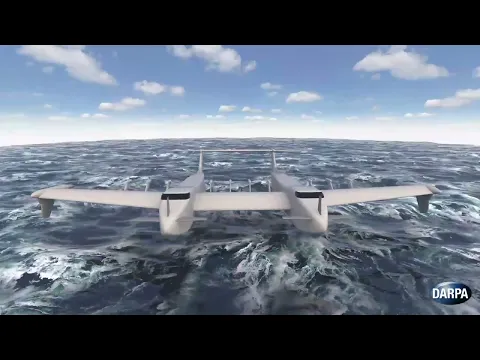

This compressed air creates a sort of aerodynamic cushion that increases lift and reduces drag. As a result, the aircraft can carry larger loads using less energy than in a conventional flight.
This characteristic makes ground effect vehicles extremely efficient for transporting heavy loads over long oceanic distances. It was precisely this efficiency that motivated DARPA engineers to study this type of technology again.
Cargo Capacity Comparable to Large Military Freighters
One of the central objectives of the Liberty Lifter was to achieve logistic capacity similar to that of large modern military aircraft. Initial program requirements indicated that the vehicle should carry up to 90 tons of payload.
This figure places the project in the same category as strategic freighters like the C-17 Globemaster III, used by the United States Air Force to transport armored vehicles, helicopters, and heavy equipment.
With this capacity, the Liberty Lifter could rapidly transport:
- military vehicles
- logistic equipment
- supply containers
- military infrastructure components
This logistical versatility was considered one of the project’s most promising aspects.
Intercontinental Range Greater Than 12,000 Kilometers
Another important technical requirement was the operational range. Initial program studies indicated that the Liberty Lifter should achieve around 6,500 nautical miles of range, equivalent to approximately 12,000 kilometers.
This performance would allow the vehicle to cross entire oceans without the need for refueling. In practice, this would open the possibility of transporting military equipment between strategic bases on different continents.
Possible routes would include movements between U.S. bases and strategic regions such as the Western Pacific, Europe, or the Middle East.
Amphibious Operation Without the Need for Airports
One of the most important characteristics of the Liberty Lifter was its amphibious capability. Unlike conventional transport planes, the vehicle would be designed to take off and land directly on the ocean.
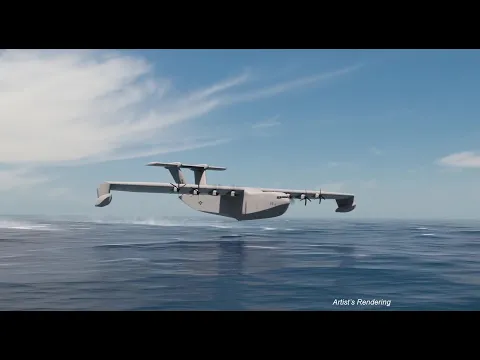
This feature would allow operation in remote areas or in regions where landing strips are not available. In military scenarios, this capability could be particularly useful for operations on islands, archipelagos, or coastal regions.
Furthermore, the project anticipated that the vehicle could operate in moderate rough sea conditions, ensuring greater operational flexibility.
Capacity to Fly Outside the Ground Effect
Although the project focused on flying close to the sea, the Liberty Lifter would also need to have the ability to operate outside the ground effect. This means the vehicle could temporarily ascend to higher altitudes.
Studies indicated that the vehicle could reach approximately 10,000 feet in altitude, equivalent to about 3,000 meters. This capability would allow it to circumvent obstacles, avoid storms, or cross busy maritime routes.
This flexibility would make the Liberty Lifter more versatile than many of the Soviet ecranoplanes from the Cold War, which typically operated only very close to the water’s surface.
Companies Involved in the Development of the Project
To develop the Liberty Lifter, DARPA funded two industrial teams responsible for creating different concepts for the vehicle. Among the participating companies were Aurora Flight Sciences, a subsidiary of Boeing, and General Atomics Aeronautical Systems.
These companies worked on different design proposals for the aircraft. The studies included the analysis of giant amphibious structures, multiple propulsion systems, and aerodynamics adapted to flying in ground effect.
These analyses helped assess whether the concept could truly function in real logistical operations.
Inspiration from the Soviet Giants of the Cold War
The Liberty Lifter was clearly inspired by the Soviet ecranoplanes developed between the 1960s and 1980s. One of the most famous was the Lun-class ekranoplan, a gigantic vehicle armed with anti-ship missiles that flew at about 500 km/h just a few meters above the sea.
Another important Soviet project was the A-90 Orlyonok, used for military transport and capable of carrying troops and armored vehicles across the Caspian Sea.
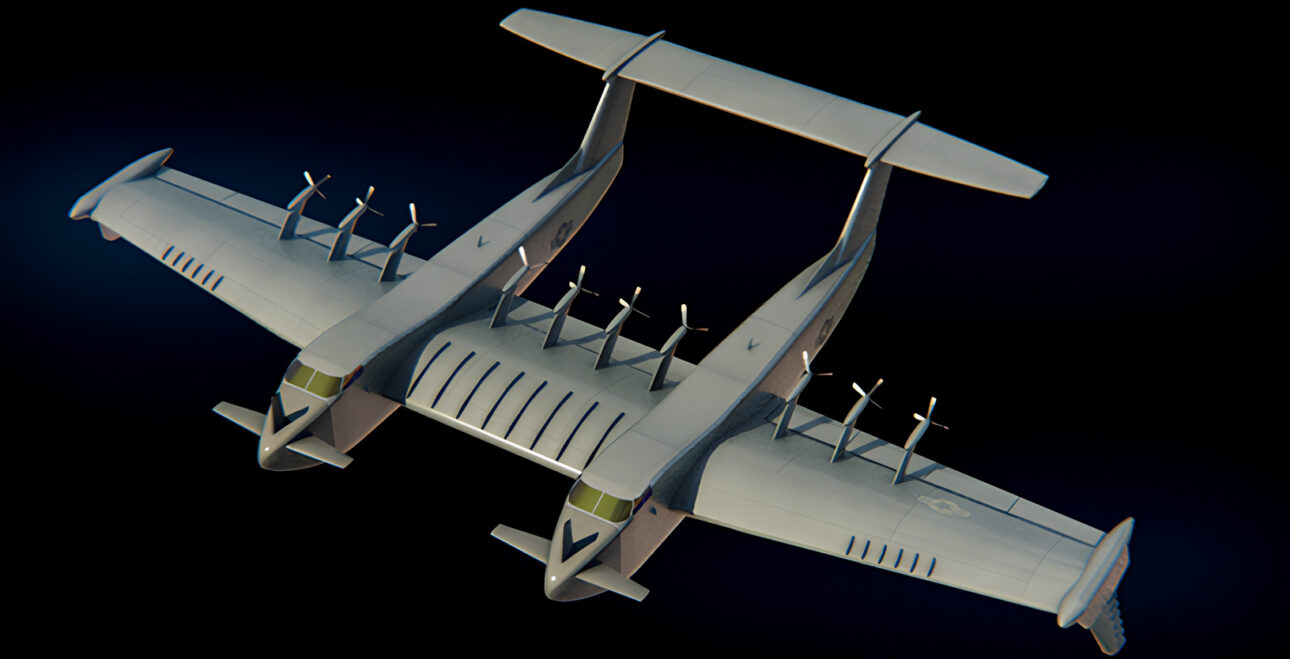
These vehicles demonstrated that ground effect could enable the transport of extremely heavy loads at speeds far superior to those of conventional ships.
Termination of the Program Before the Construction of the Prototype
Despite the technical and strategic interest, the Liberty Lifter program did not progress to the stage of constructing a real demonstrator. In 2025, DARPA announced that the project would be terminated after the completion of conceptual studies.
According to the agency, simulation and engineering tests demonstrated that the concept was technically viable. However, the decision was made to redirect resources to other technological priorities.
Nonetheless, the program produced a significant amount of data and studies that could be utilized in future projects.
A Concept That May Return in the Future
Although the Liberty Lifter was halted, the concept of ground effect vehicles continues to be studied by engineers and military strategists. The possibility of transporting heavy loads across oceans with energy efficiency superior to that of traditional aircraft remains extremely appealing.
For this reason, many analysts believe that similar projects may resurface in the future. With advancements in lightweight materials, more efficient engines, and autonomous systems, ground effect vehicles could re-emerge as strategic logistical solutions.
Just as happened with the Soviet ecranoplanes of the Cold War, the idea of giants flying close to the sea carrying heavy military loads continues to fascinate engineers and military planners in different parts of the world.






Seja o primeiro a reagir!