





 Portuguese
  English
  Spanish
  5 min of reading
  0 comments



Inflation Decreases and Market Confidence Grows, but Salaries Fall and Unemployment Rises, Creating a Scenario of Economic Recovery That Is Unequal and Concentrated in the Higher Classes, According to Data Released by the InvestNews Portal.
The Argentina registers a significant slowdown in inflation and improved confidence among investors, but the recovery remains unequal.
While luxury consumption and trips abroad are on the rise, real wages are shrinking, unemployment is increasing, and most families are tightening their budgets. The data and examples in this report were originally published by the InvestNews portal.
Inflation on the Decline and Change in Expectations
The country ended 2023 with an inflation rate of 211% for the year. In December 2023, the monthly peak reached 25.5%.
-
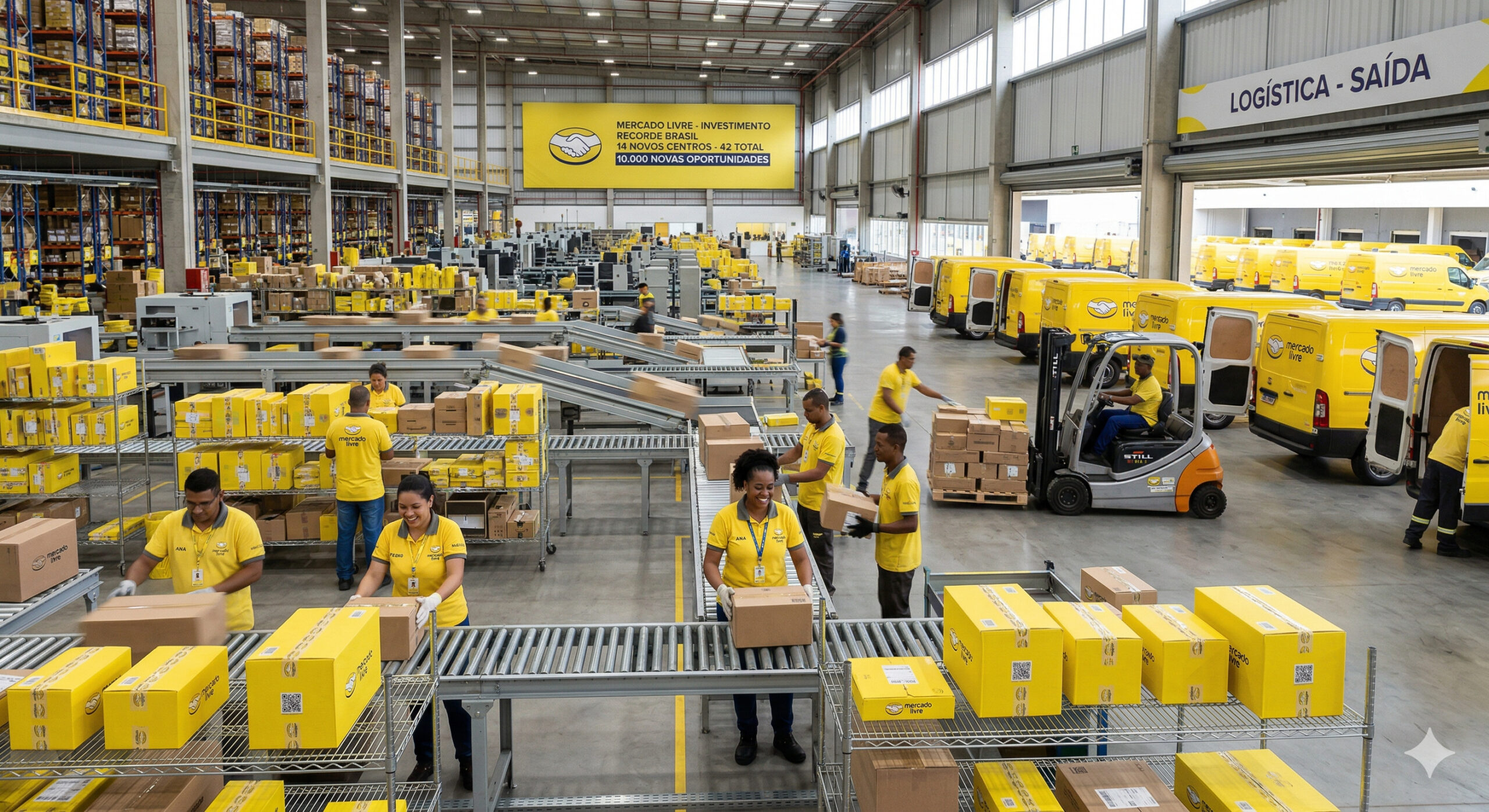
Mercado Livre “opens the vault” and announces a record investment of R$ 57 billion in Brazil in 2026, a value 50% higher than the previous year, with an expansion plan that includes 14 new logistics centers, totaling 42 units in the country and hiring an additional 10,000 employees.
-
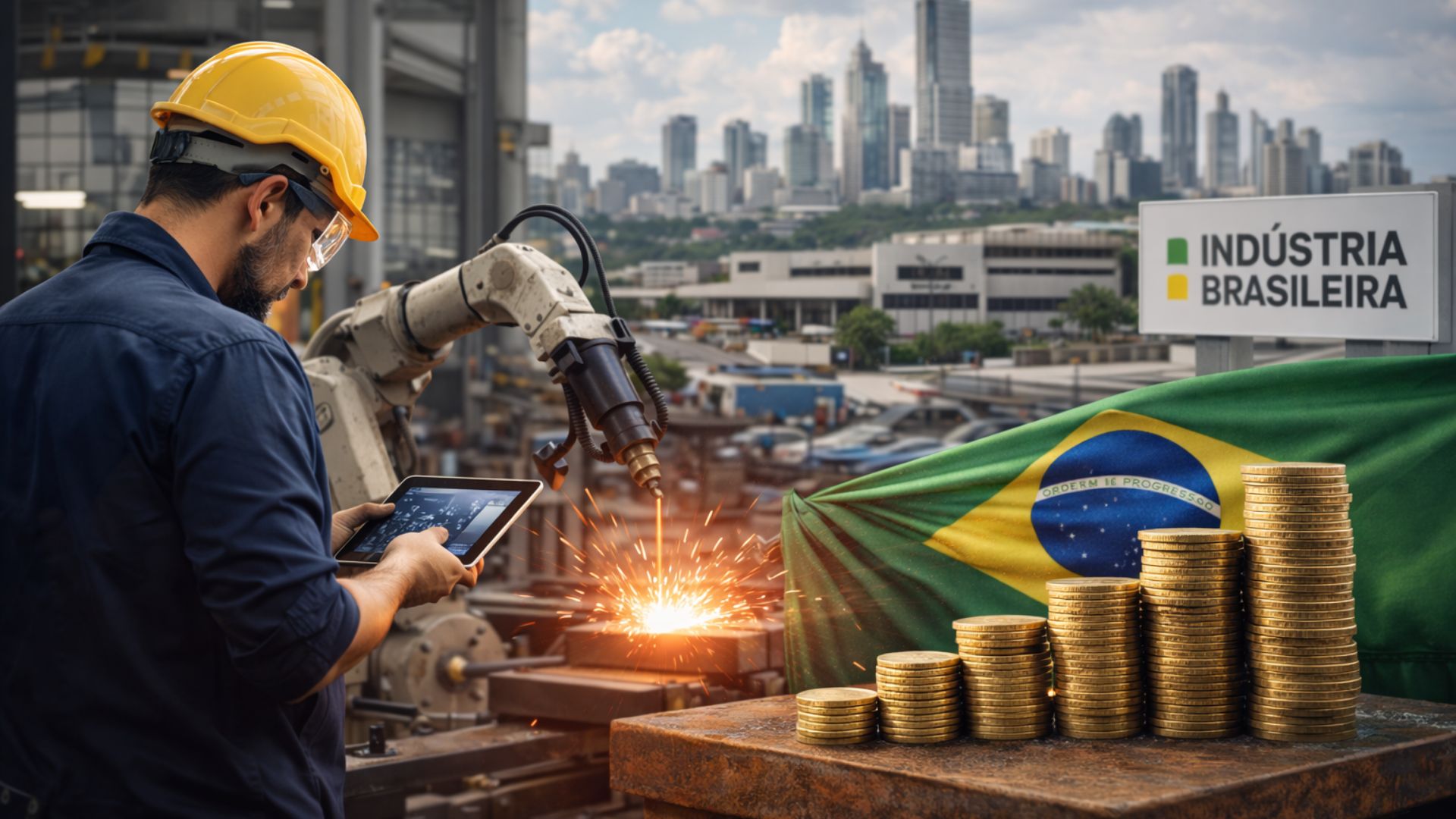
How investment in technology can revolutionize the national economy and enhance industrial gains, according to a study that highlights the direct impact on productivity, innovation, and wealth retention within Brazil.
-
The largest food company on the planet, JBS, has just opened a 4,000 square meter laboratory in Florianópolis to develop customized proteins that modulate muscle mass gain, immune response, and metabolic performance.

-
After nearly 30 bids and competition among industry giants, a Spanish company purchases one of the largest airports in Brazil for almost R$ 3 billion and takes over the management of Galeão in a concession that will last until 2039.


With the swearing-in of economist Javier Milei and the launch of an adjustment package in 2024, the monthly index fell to 2.7% in December 2024, still a high level by international standards, but much lower than observed a year earlier.
The prevailing sentiment in the market was that the measures reduced inflationary inertia and helped restore price predictability, a necessary condition for recovery.
What Changed in Economic Policy
The plan announced a spending cut, a reduction in subsidies, a decrease in trade barriers, and restrictions on currency issuance by the Central Bank to finance the Treasury.
During the campaign, the president popularized the slogan “No plata”, encapsulating the commitment to contain the deficit.
By signaling fiscal and monetary discipline, the government sought to break the cycle in which money creation pressured prices, eroded income, and required new spending increases, thereby feeding inflation.
Dollars Back and Stronger Peso
The cooling inflation and adjustment agenda reopened channels for external financing and attracted flows to local assets. With more dollars in the market, the peso strengthened.
This appreciation reduced the cost of imports and made international travel cheaper, boosting segments linked to consumption abroad.
According to figures cited by InvestNews, 11 million Argentinians crossed the border in the first half, an increase of 55% compared to the same period the previous year.
This movement suggests a restoration of purchasing power for those with sufficient local currency income to take advantage of the more favorable exchange rate.
High-End Consumption Accelerates
The appreciation of the peso and improved confidence were also reflected in the automotive market.
Car sales grew by 78%, with demand for luxury brands such as Porsche, Audi, and BMW more than doubling.
However, these signs are concentrated in the higher income brackets, which have access to credit, savings in strong currency, and a capacity for consumption focused on imported goods.
In the very short term, recovery appears first in these niches because they rely less on domestic wage mass and more on exchange rate parity.
Pressed Wages and Loss of Purchasing Power
For most workers, disinflation has not translated into real gains. Even with falling prices, real wages have fallen by 5.5% since the beginning of the government, according to data used by InvestNews.
The impact is harsher among the informal sector, which constitutes 42% of the employed.
Without contracts that guarantee automatic adjustments, this group earns, on average, 41% less than formal workers and is more exposed to income and employment fluctuations.
Labor Market in Deceleration
The combination of cheaper imports and frozen public works has put a brake on local industry and commerce.
Companies have reduced shifts, delayed investments, and initiated layoffs, a movement amplified by the reduction of federal positions.
The unemployment rate rose from 5.7% at the end of 2023 to 7.9% in the most recent data cited.
In a transition scenario, the gap between falling inflation and the restoration of wages and employment tends to increase the feeling of uncertainty.
Why Recovery Is Unequal
The anchoring of expectations often occurs before the improvement in distribution. When the currency strengthens, the first beneficiaries are consumers with sufficient income to access imported goods and travel services.
Restoration of wages, reactivation of domestic sectors, and a consistent decline in unemployment depend on the next cycle: business confidence, investment, increased productivity, and expansion of the domestic market.
Until then, the picture shows gains concentrated at the top, with part of the population still losing purchasing power.
Family Behavior and Economic Perception
Families’ perspectives reinforce the asymmetry. According to percentages compiled by InvestNews, 84% report a reduction in restaurant visits and clothing purchases, typical signs of discretionary consumption restraint.
Additionally, 67% have a negative view of the economy and 60% plan to cut spending in the coming months.
In line with the weakening of the labor market and the loss of real income, adjusting household budgets becomes immediate, even with improvements in price indicators.
The Role of the Exchange Rate and Imports
The appreciated exchange rate lowers costs for inputs and imported final goods, which helps tame prices and relieve supply bottlenecks.
However, this same mechanism can displace local production, especially when domestic costs remain pressured by lagging wages, high interest rates, and infrastructure needing adjustments after the freezing of public works.
In adjustment phases, it is common to observe short-term gains in anti-inflationary balance, while internal activity requires more time to return to sustained growth.


What to Watch Going Forward
The evolution of real wages, the reopening of formal jobs, and the profile of sectoral recovery will be key pieces to evaluate the dissemination of growth.
If inflation remains at lower levels and private investment reacts, income streams are likely to be restored.
Otherwise, recovery may continue to be limited to segments linked to exchange rates and high-income consumption.
At the moment, the summary of data published by InvestNews is clear: hyperinflation has cooled, but the distribution of benefits has not yet reached the majority.
Should Brazil learn a lesson from Argentina’s strategy, or will the social costs of adjustment, with compressed wages and higher unemployment, prevent this path here?








-

-

-

-

10 pessoas reagiram a isso.