





 English
  Francês
  Alemão
  Italiano
  Japonês
  Norueguês
  Portuguese
  Spanish
  3 min of reading


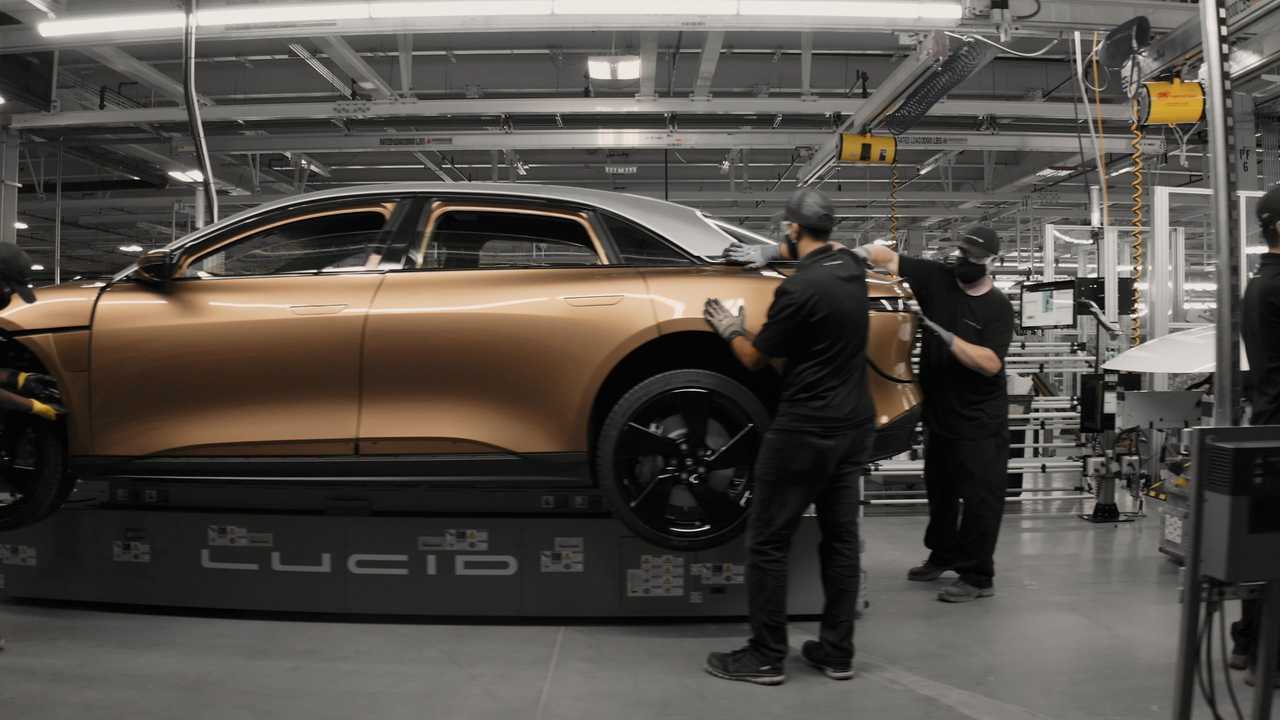
The Oil Giant, Saudi Arabia, and Other Countries Plan to Start Manufacturing Electric Cars and Gain Prominence in the Market.
Saudi Arabia, Turkey, and Egypt, countries generally associated with oil production, have ambitious plans to become major producers of electric vehicles. As the shift toward car electrification gains momentum, these countries aim to advance in the domain of electric mobility.
Saudi Arabia Aims to Achieve Production of 150,000 Electric Cars by 2026
As the world’s largest oil producer, Saudi Arabia would not seem like a major candidate to advance electric vehicles at first glance; however, this Gulf country has some of the most ambitious plans in this sector.
In 2018, the Saudi Public Investment Fund supported electric car manufacturer Lucid Motors with investments of a billion Euros, and in return, the North American brand committed to establishing a new factory in Saudi Arabia. Since then, the Crown Prince of Saudi Arabia, Mohammed bin Salman, launched the country’s first electric vehicle manufacturer, called Ceer.
-
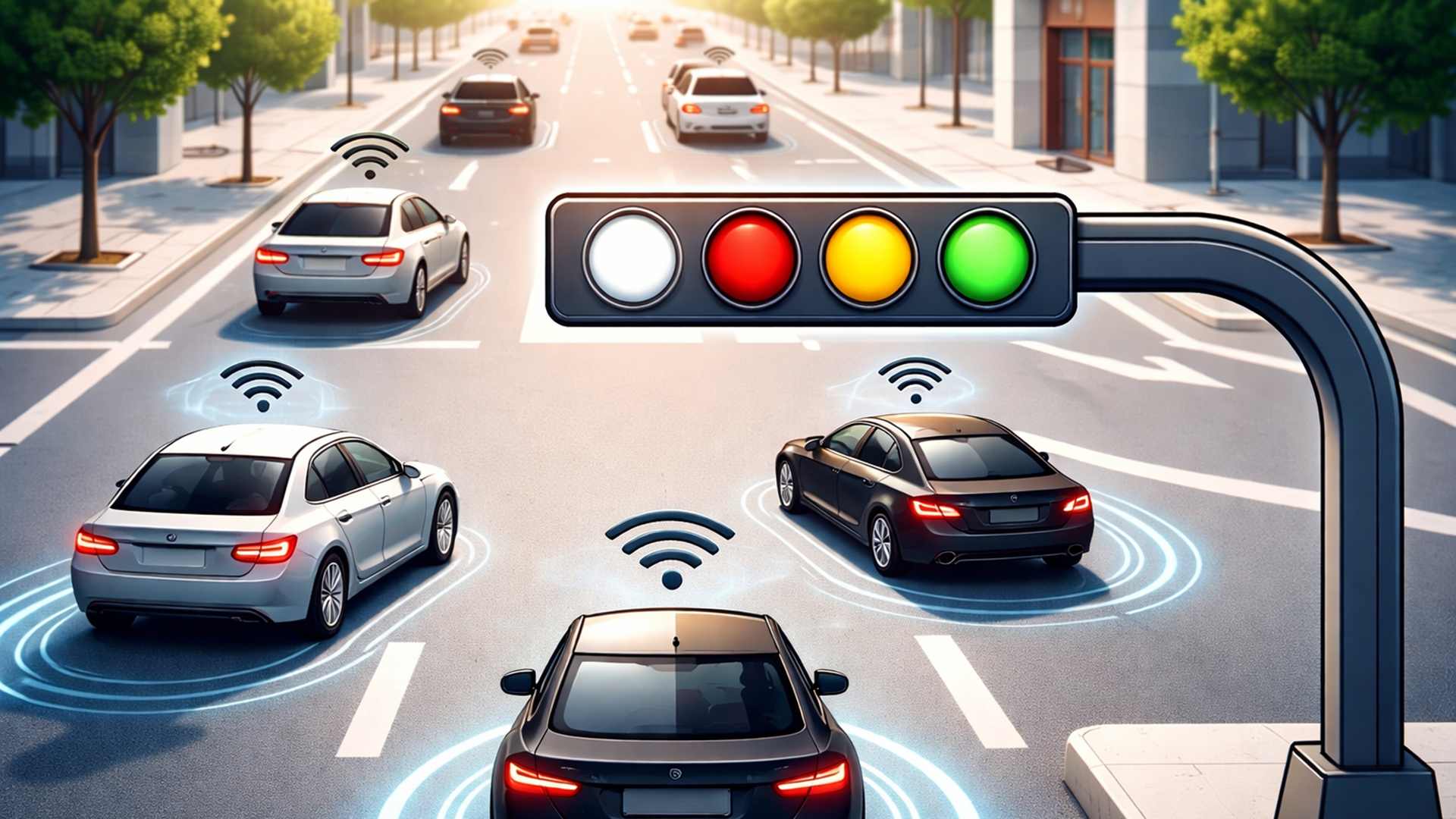
Engineers propose a fourth traffic light for intersections – the change promises to affect crossings, queues, and waiting times.
-
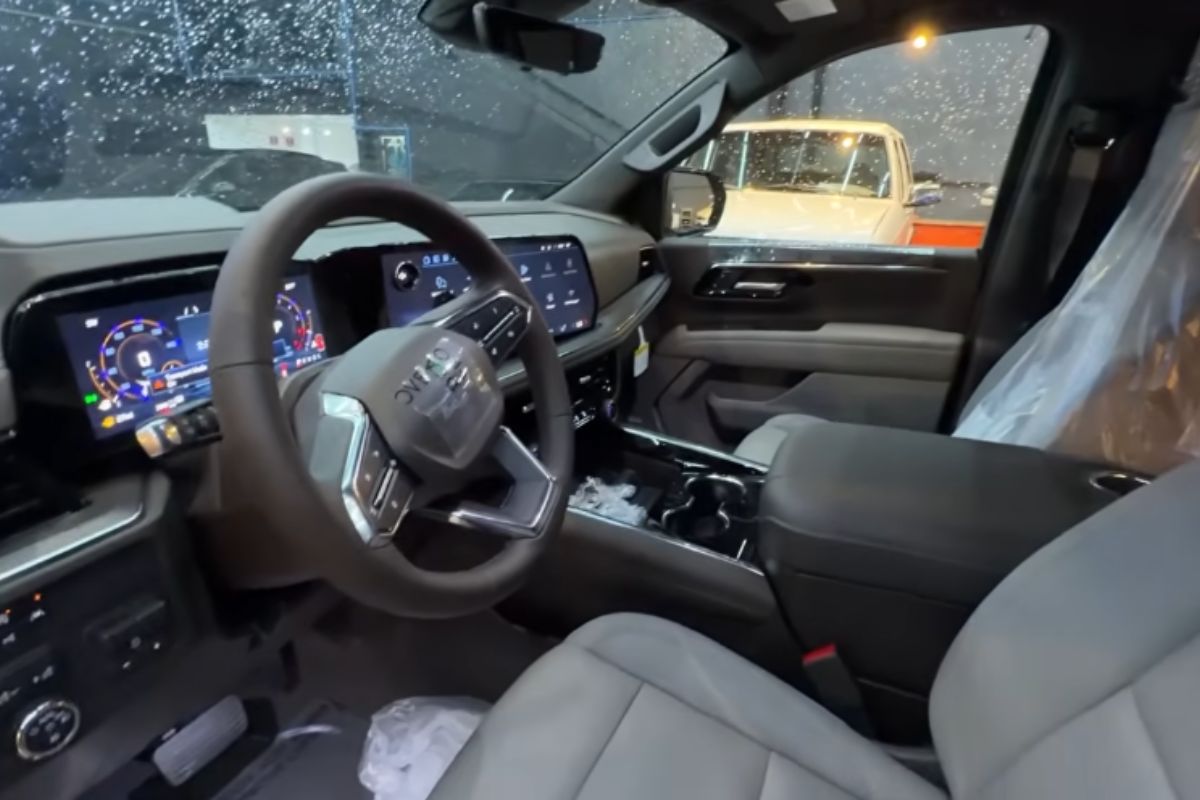
Chevrolet Suburban Z71 lands in Brazil with a V8 engine, off-road design, air suspension, seven seats, and colossal size, a rare version imported for around R$ 1.3 million with luxury and exclusivity.
-
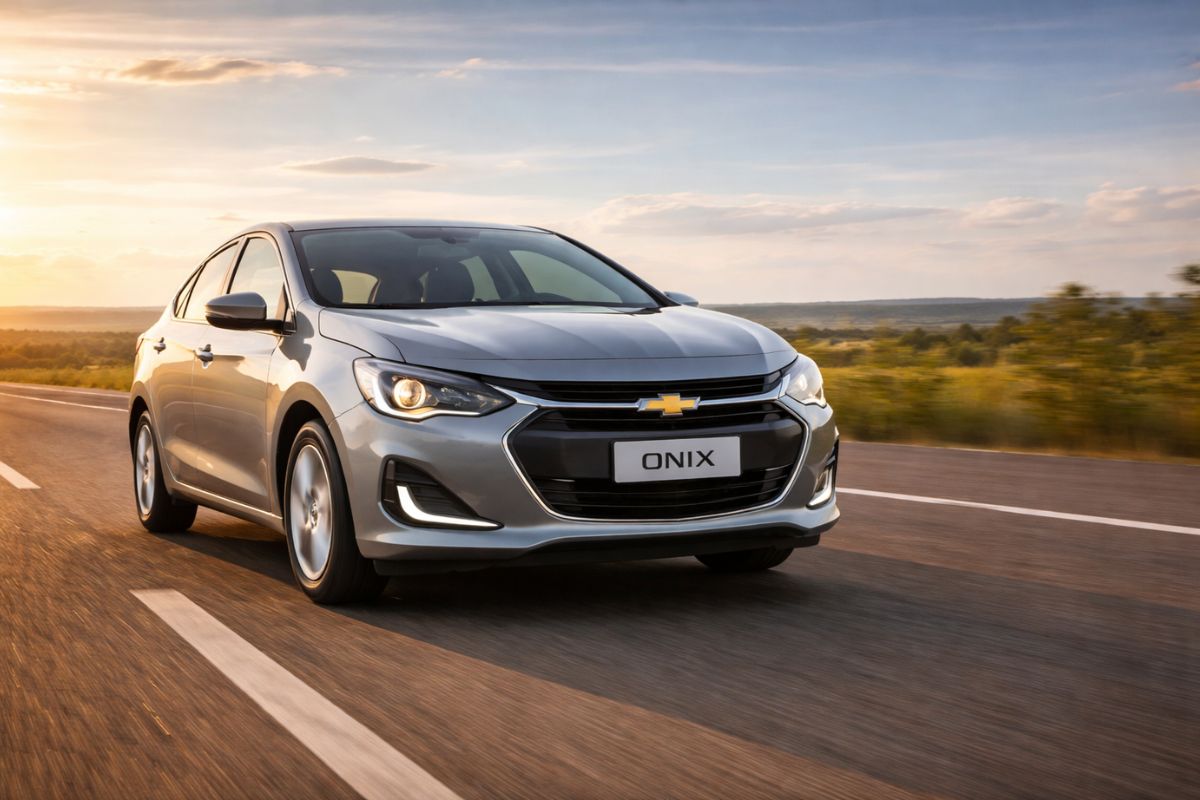
The Chevrolet Onix 1.0 turbo achieves 17.7 km per liter on the highway and ranks among the three most economical cars in Brazil in 2026, alongside two more expensive Toyota hybrids available at dealerships.
-
Little sister of the Hilux: Toyota launches Land Cruiser FJ with 4 radical versions, 2.7 engine with 166 hp and 4×4 traction with locking.

The automaker aimed to design, market, and produce sedans and SUVs. This entity also benefited from funding from the country’s Public Investment Fund, alongside industry giants like Foxconn and utilizing technology from BMW.
The two investments are essential for the oil giant to achieve its goal of 150,000 electric cars produced by 2026. However, incentives were introduced to replace fleets of combustion vehicles with electric ones, as well as to renew the bus fleet with green engines.
Turkey Strongly Invests in Electric Car Production
While the oil giant Saudi Arabia’s market is still made up of imported electric cars, Turkey is already the 13th largest automobile producer in the world, featuring significant brands in the country such as Ford, Honda, Toyota, Hyundai, Fiat, and Renault. In this way, the transition to electric car manufacturing is already underway.
Ford Motor Co. and Koç Holding are responsible for producing the E-Transit and have plans to launch the new generation of the Transit Custom next year, which will also include a fully electric version. Electric car manufacturer Togg, for its part, plans to produce 175,000 mid-size SUVs annually.
However, according to an Istanbul businessman and co-investor in the electric model prototype, Kaan Kursun, the Togg brand is heavily associated with Turkish President Recep Tayyip Erdogan. In statements to VOA News, he lamented that the new model is being marketed as President Erdogan’s car and expressed doubts about its broader appeal.
Egypt’s Plans Are Also Ambitious
Similarly, Egypt’s ambitions go beyond electric vehicle imports. President Abdel Fattah El-Sissi declared in early 2022 that he was personally committed to the production of electric cars in the country. Plans are already in place to begin production of the Cadillac Lyriq at a factory in Egypt by the end of this year, and discussions are underway for partnerships with Chinese automakers.
The President’s desires are being accompanied by the expansion of the electric vehicle charging infrastructure in the country. More fast charging stations have been added to the existing network of 440 charging points in the country, as it hosted the 27th Conference of the Climate of the United Nations in Sharm el-Sheikh this year.





Seja o primeiro a reagir!