Portuguese
  Spanish


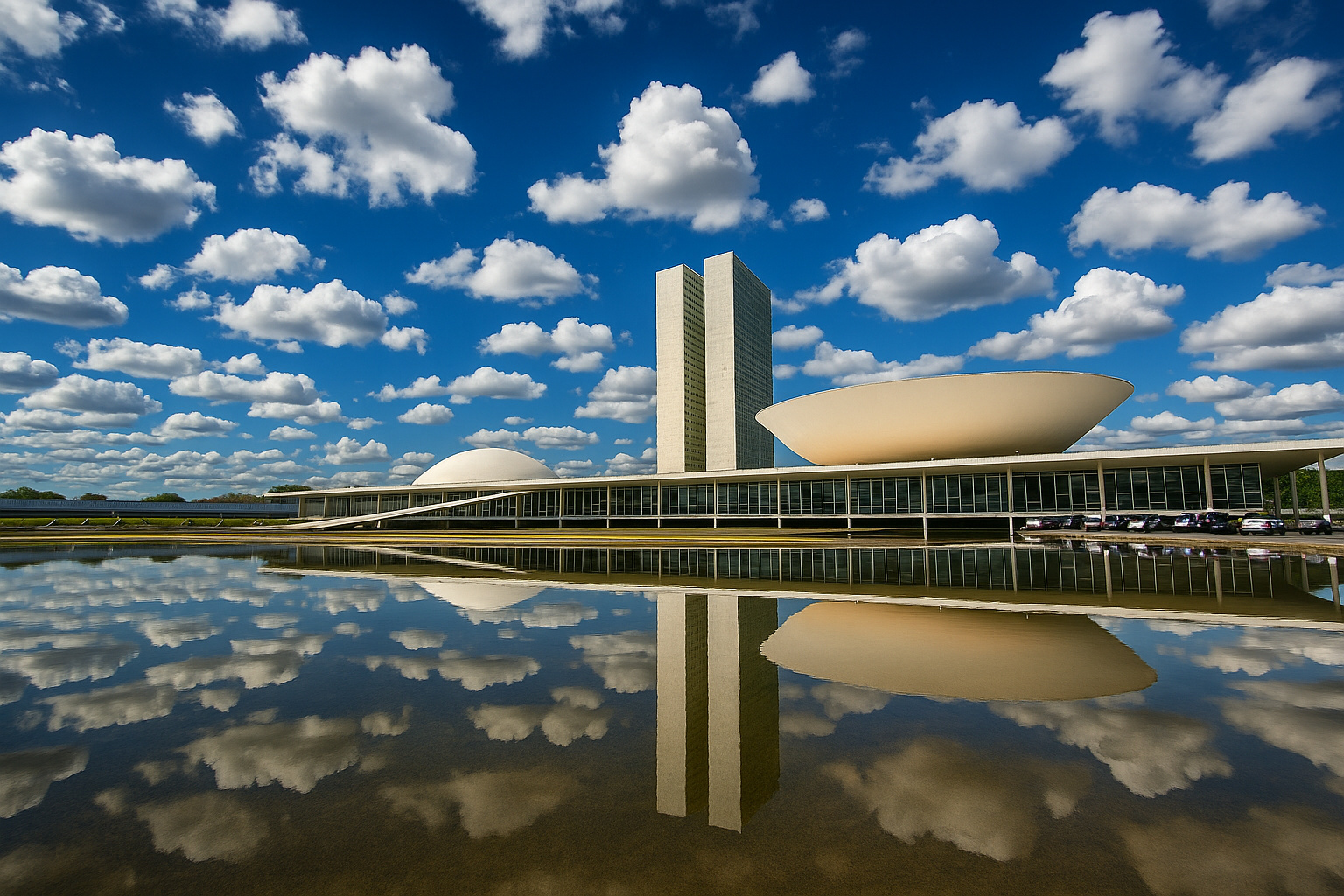

Solar Sector Leaders Go to Brasília to Ensure Consumer Rights and Legal Security in Distributed Energy Generation.
In recent years, solar energy has established itself as one of the main alternatives for clean energy production in Brazil. Moreover, the country, with its abundance of solar radiation, presents a huge potential for the expansion of distributed generation, allowing families, small businesses, and rural producers to generate their own energy.
In this regard, the solar sector leaders play a crucial role in the defense of consumer rights. They also help to build a safe and predictable regulatory environment.
Recently, these leaders gathered in Brasília to deliver an Open Letter to the National Congress. Indeed, the document, signed by presidents of state associations and distributed energy movements, reinforces the importance of Law No. 14,300/2022, known as the Legal Framework for Distributed Generation.
-
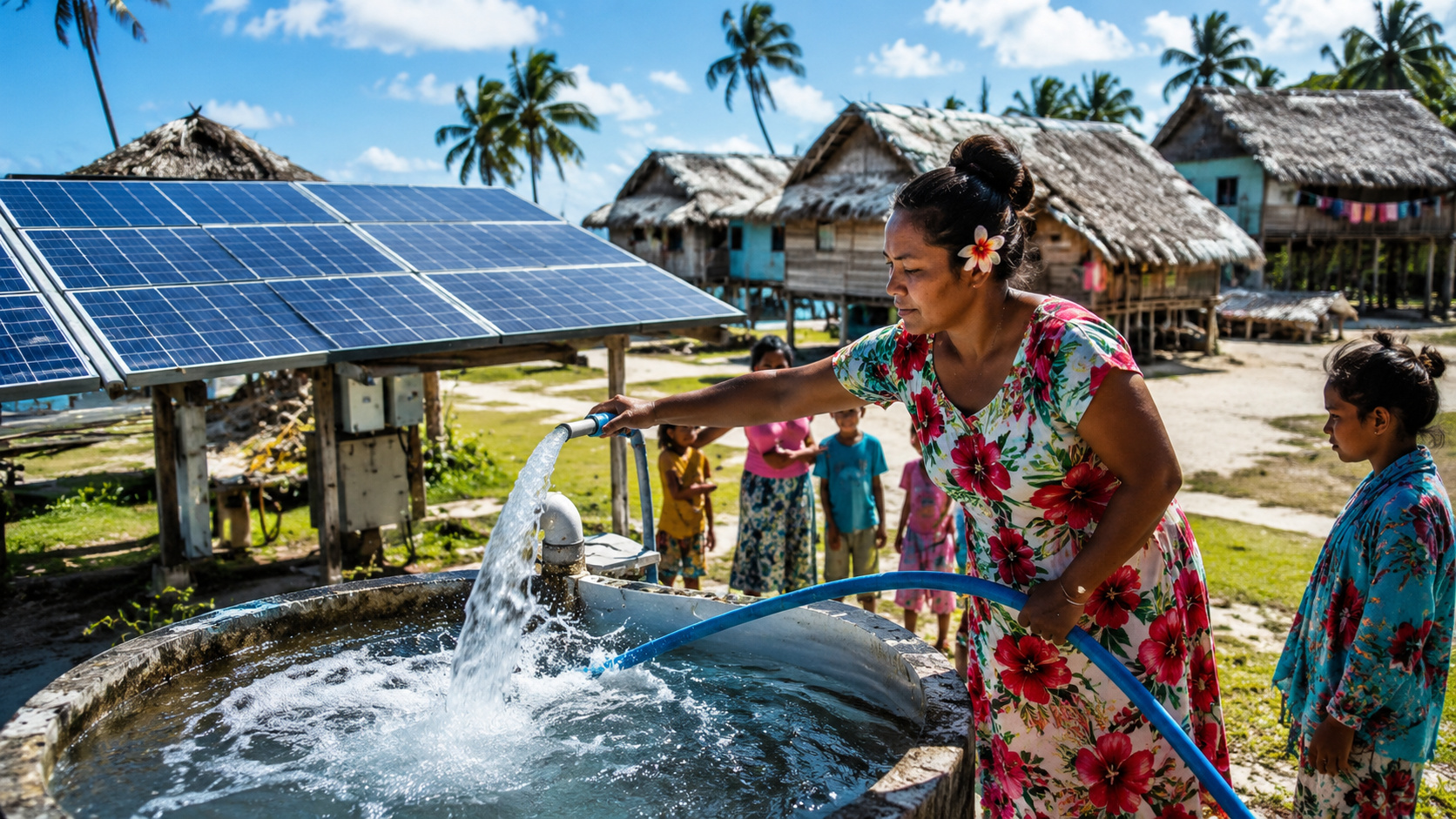
More than 1,000 residents of a remote island in Kiribati now have clean water and electricity with solar systems operated by the community itself.

-
Island in Brazil Innovates by Installing 184 Solar Panels on Urban Lagoon to Generate Clean Energy
-
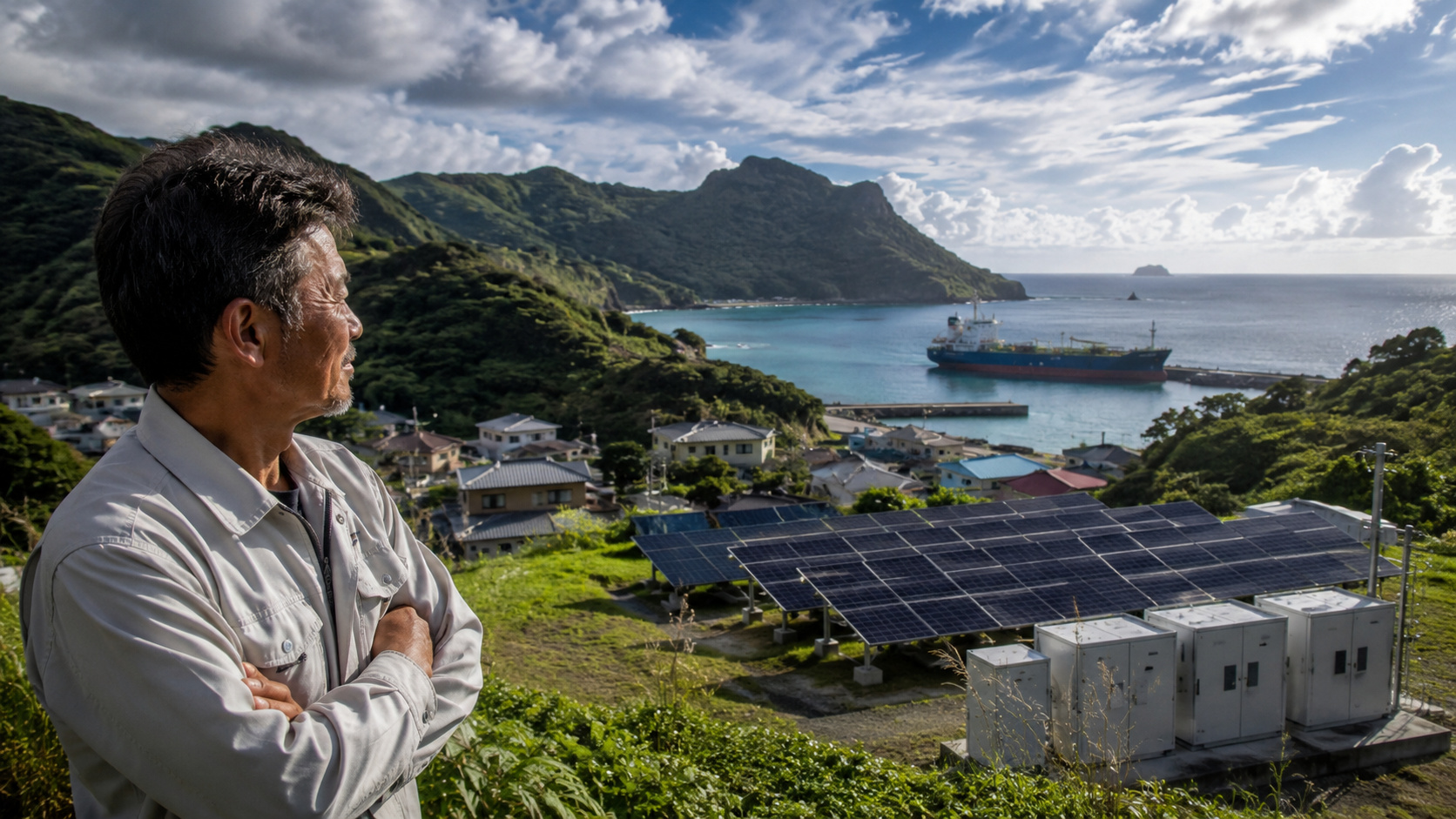
Japanese Island of 417 Residents to Test Living Half the Year Solely on Solar Power, Reducing Dependence on Diesel Brought by Ship
-
Brazilian Fishermen Use Solar Power to Produce Nearly One Ton of Ice Daily, Preventing Fish Spoilage Before Reaching Market


This law emerged after two years of intense technical and political debates. Therefore, it aimed to balance the interests of the electricity sector and the rights of solar energy consumers.
Historically, distributed generation in Brazil faced regulatory and economic challenges. Before the approval of Law No. 14,300, the sector’s expansion struggled with unclear rules regarding compensation and charges, in addition to difficulties in accessing financing lines and incentives.
With the creation of the Legal Framework, the country established a transition period until 2029. This allowed the sector to adjust to a safer and more predictable model. However, ANEEL (National Electric Energy Agency) has not yet presented the complete survey of costs and benefits of micro and mini distributed generation, whose legal deadline expired in July 2023.
Furthermore, for decades, Brazil focused its investments on large hydropower plants and centralized plants. Although this model ensured the country’s energy growth, it did not encourage the democratization of access to energy.
It also did not stimulate active consumer participation. Therefore, the emergence of distributed generation, driven by solar energy, changed this paradigm. Citizens can become protagonists of their own energy production, promoting autonomy, savings, and environmental responsibility.
Distributed Generation as a Social and Economic Solution
The solar sector leaders warn that any attempt to create new charges or modify tariffs without a technical basis would harm thousands of Brazilians. Therefore, distributed generation does not pose a problem; on the contrary, it helps to solve the country’s energy challenges.
It reduces transmission losses, prevents network overload, and provides direct savings for consumers and companies. In addition, it represents the largest grassroots movement for clean energy in the country, with social and economic impact in over five thousand Brazilian municipalities.
Consequently, the recent mobilization in Brasília demonstrates the relevance of these leaders in defending legal security and consumer rights. Marcos Rêgo, president of the Bahia Solar Energy Association (ABS), emphasized that ANEEL, the Ministry of Mines and Energy, and the National System Operator (ONS) need to promote a structural reform in the electricity sector.
Indeed, the Brazilian electricity system faces historical problems, such as aging distribution networks and lack of energy storage solutions. These factors prevent solar and wind power plants from operating fully.
Moreover, the defense of these leaders values the socioeconomic potential of distributed generation. Small businesses, rural producers, and households that invest in solar energy strengthen local economies, generate jobs, and reduce inequalities in access to energy.
For instance, Bahia leads the energy transition, showing how policies to promote solar energy can generate significant positive impacts.
Furthermore, the solar sector creates opportunities for technological innovation and industrial development. The installation of solar panels, inverters, and monitoring systems increases the demand for specialized companies. It also stimulates the training of skilled labor.
Thus, the movement strengthens the regional economy, promotes technical knowledge, and encourages startups focused on sustainable solutions, creating a virtuous cycle of economic and environmental development.
Solar Energy and Strategic Sustainability
The solar sector also represents a strategic opportunity for Brazil to align itself with global decarbonization targets and combat climate change. Thus, the expansion of distributed generation reduces dependence on fossil sources, decreases greenhouse gas emissions, and promotes greater energy efficiency.
For this reason, the solar sector leaders advocate not only for consumer rights, but also for a more sustainable and resilient future.
Additionally, the historical context shows that changes in legislation without broad consultation with the sector create regulatory uncertainty and setbacks. Therefore, the Open Letter delivered to Congress serves as a tool for institutional dialogue.
It reinforces that any alteration to Law No. 14,300 needs to consider social, economic, and environmental impacts, ensuring that consumers do not suffer losses and that the expansion of solar energy continues to drive the country’s development.
The active participation of solar sector leaders in Brasília also demonstrates the importance of representation in the energy sector. Associations and state fronts gather regional experiences, consolidate data, and present consistent proposals.
In this way, the articulation strengthens citizen trust and ensures that political decisions are based on technical evidence and the real needs of the population.
Another relevant point is that distributed generation strengthens the resilience of the national electric system. By diversifying the energy matrix and reducing dependence on large centralized plants, the country minimizes the impacts of power outages or interruptions, especially in more remote areas.
This characteristic ensures energy security and continuity of essential services, both in urban and rural areas.
Popularization of Distributed Generation and Energy Citizenship
The recent engagement underscores another point: distributed generation has become popular. Unlike large centralized plants, it allows thousands of Brazilians to participate in energy production, strengthening energy autonomy and promoting citizenship.
Thus, the action of these leaders is strategic, ensuring that the country maintains a commitment to legal security and regulatory predictability, essential elements for the continuity of the sector.
Moreover, the future of solar energy in Brazil largely depends on the ability of sector leaders to articulate public policies, defend rights, and monitor the implementation of regulations.
The experience gained over the past few years shows that a sustainable and democratic sector requires clear rules, adequate incentives, and active social participation. Consequently, acting in Brasília is just one step in this process. However, it symbolizes the determination to keep Brazil at the forefront of clean energy.
Furthermore, solar energy stimulates environmental education and social awareness. Families and communities adopting photovoltaic systems better understand the impacts of energy on the economy and the environment, promoting conscious consumption habits and local sustainability initiatives.
Thus, the positive effect of distributed generation amplifies, transforming the way society relates to energy and the planet.
Solar Sector Leaders and the Future of Clean Energy
Finally, the mobilization in defense of consumer rights reinforces that solar energy is more than a technological alternative; it is an instrument of social and economic transformation.
Ensuring that consumers generate their own energy protects thousands of jobs, strengthens local economies, and consolidates the country as a reference in sustainability.
In this context, the solar sector leaders remain central figures in building a fairer, more efficient, and sustainable Brazil, ensuring that solar energy continues to be an opportunity accessible to all.