





 Portuguese
  English
  Spanish
 3 min of reading
  1 comment




After 15 Years of Paralysis, Line 17-Gold Resumes Its Tracks with Chinese Trains in Tests and Real Promise of Operation in 2026
After more than a decade of broken promises, the Line 17-Gold finally shows concrete signs of life. Designed to connect Congonhas Airport to the São Paulo subway network, the project symbolized the delays and inefficiencies of urban mobility in the capital. Now, with 83% physical progress and Chinese trains already in testing, the scenario transforms into genuine expectations of delivery.
The project, announced for the 2014 World Cup, faced bankruptcies, legal disputes, and complete overhauls. What was supposed to be a 20 km line turned into a 7.7 km stretch with eight stations, between Morumbi and Congonhas. In 2025, the first monorail manufactured by the Chinese BYD ran on the tracks of the Água Espraiada yard, marking the beginning of dynamic tests.
A Ghost That Came Back to Move
For years, the elevated structures of Line 17-Gold looked like urban ruins. The project became a meme and a synonym for failure.
-
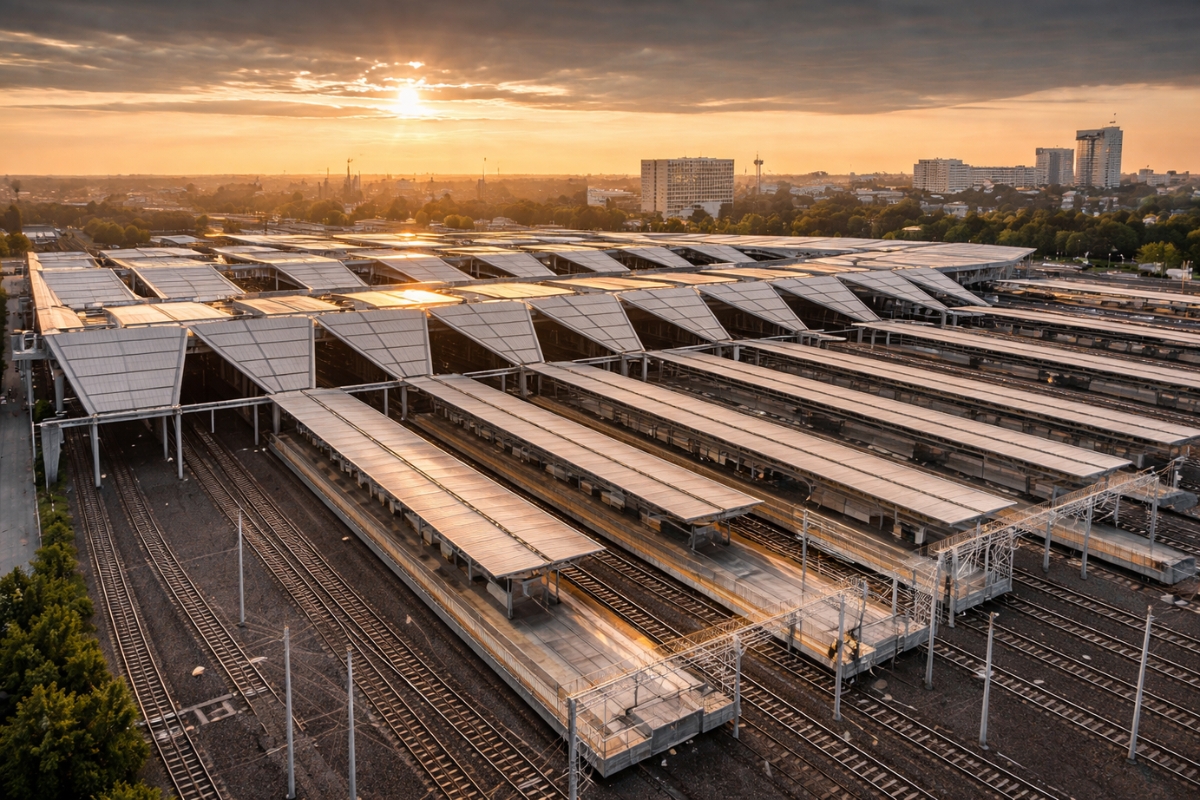
In A European City, The Country’s Largest Railway Junction Was Modernized Without Closing Its Doors, Kept Trains Running During Years Of Construction, Now Serves Up To 60,000 Passengers Per Day, And Installed Solar Panels That Generate About 30% Of Its Energy
-
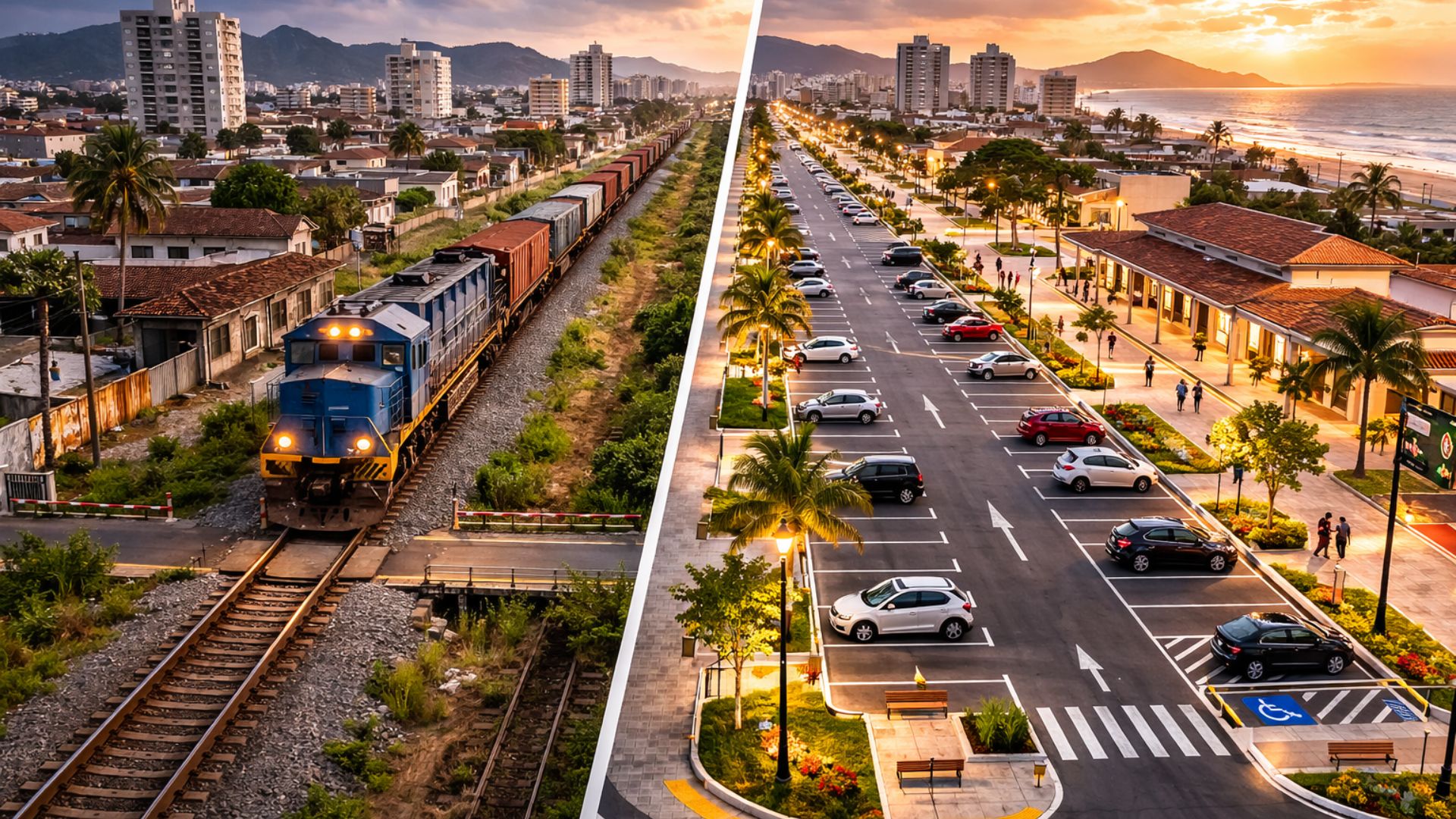
Famous Brazilian Railway May Become a Parking Lot
-
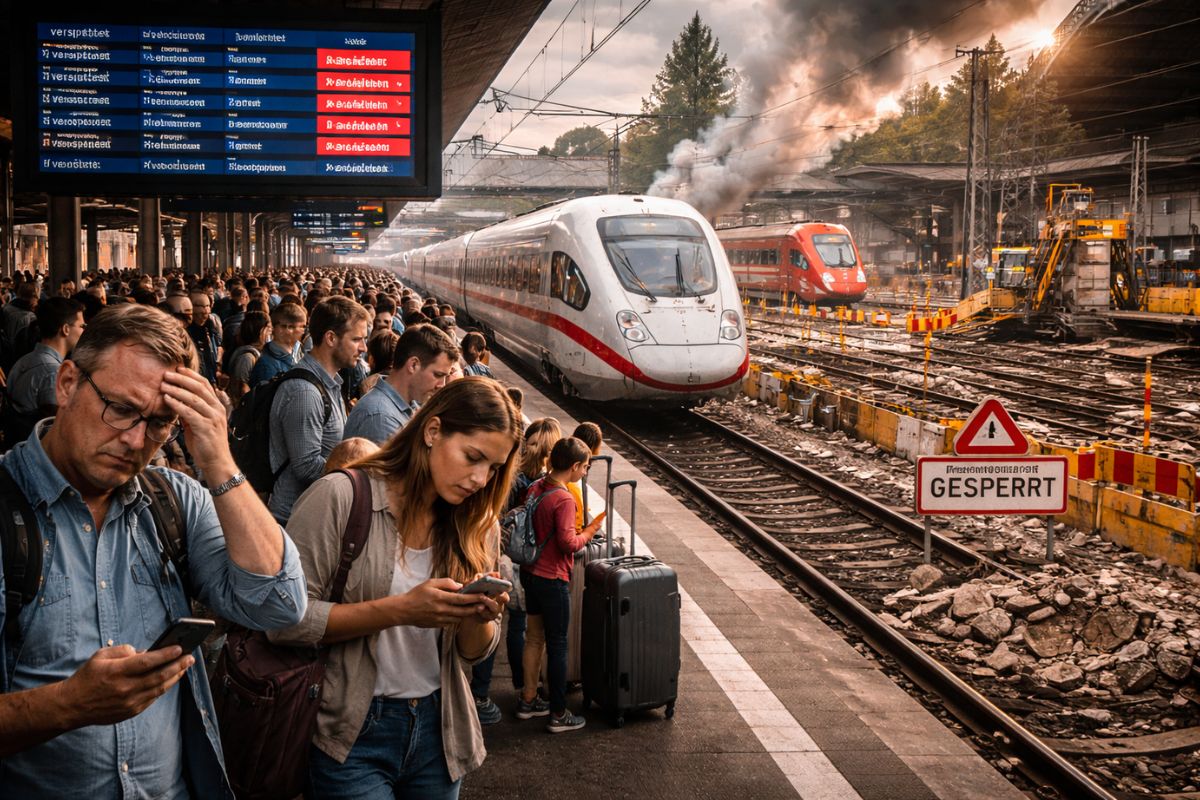
The Country of “Punctual As a Train” Admits It Has Lost Control: High-Speed Trains Delay, Stop, Disappear from the Map and Turn 6-Hour Trips into 10, While Deutsche Bahn Promises Restructuring in 2026 But Faces 19th Century Infrastructure, Staff Shortages and Sections Closed for Months
-
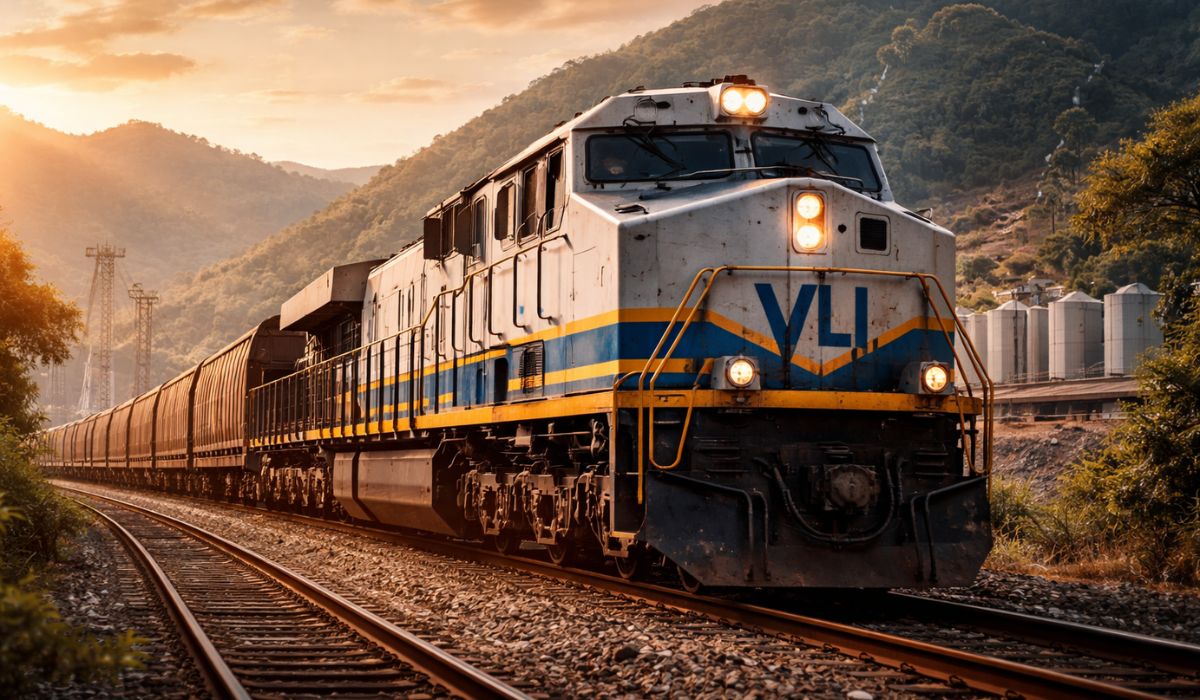
With an Investment of R$ 700 Million in One of the Country’s Main Rail Networks, VLI Reinforces Infrastructure, Receives 8 New Locomotives, and Expands the Corridor Connecting 7 States, Boosting Jobs and the Transportation of Grains, Ore, and Oil Products to the Port of Santos

The turnaround began in 2021, with the signing of a public-private partnership between the state government and the Gold Monorail Consortium, led by Coesa Engenharia.
The multinational BYD took over the supply of trains and the automated system, ushering in a new technical phase.
In March 2025, the first train traveled a stretch of 4.5 km, reaching 15 km/h in night tests.
According to the government, the maintenance and control yard is nearly complete, and the energy and signaling systems are undergoing final calibrations.
The tracks are now energized, and the stations are in finishing phases.
Technical Challenges and Credibility at Stake
Despite the progress, challenges remain significant.
Line 17-Gold will be fully automated, without a driver, requiring a high level of cybersecurity and precision in control systems.
Any failure could compromise accreditation with ANTT. Additionally, integration with Lines 5-Purple and 9-Emerald requires total compatibility among technologies.
So far, five trains have arrived in Brazil, but the commercial operation requires 14 trains.
Further deliveries are expected in the second half of 2025, in staggered batches.
The logistical complexity and the history of delays reinforce caution.
The institutional credibility is another hurdle: the public will only believe in the project when the monorail begins transporting passengers.
A Symbol of Urban Rehabilitation
The rebirth of Line 17-Gold goes beyond mobility.
It represents the chance to rebuild trust in public engineering in São Paulo and to show that stalled projects can be resumed with planning.
The government maintains the inauguration schedule for the first semester of 2026, connecting Congonhas to Morumbi in under 15 minutes.
If delivered on time, the line could mark a historic turning point for rail transport in Brazil, with potential to inspire new PPPs and consolidate the use of monorails in major urban centers.
The city that once mocked the “ghost metro” now watches, with skepticism and hope, the project’s return.
And you, do you believe that Line 17-Gold will finally be delivered on time or do you still doubt the promises of 2026?






Joia