





 Portuguese
  English
  Spanish
 4 min of reading
  0 comments


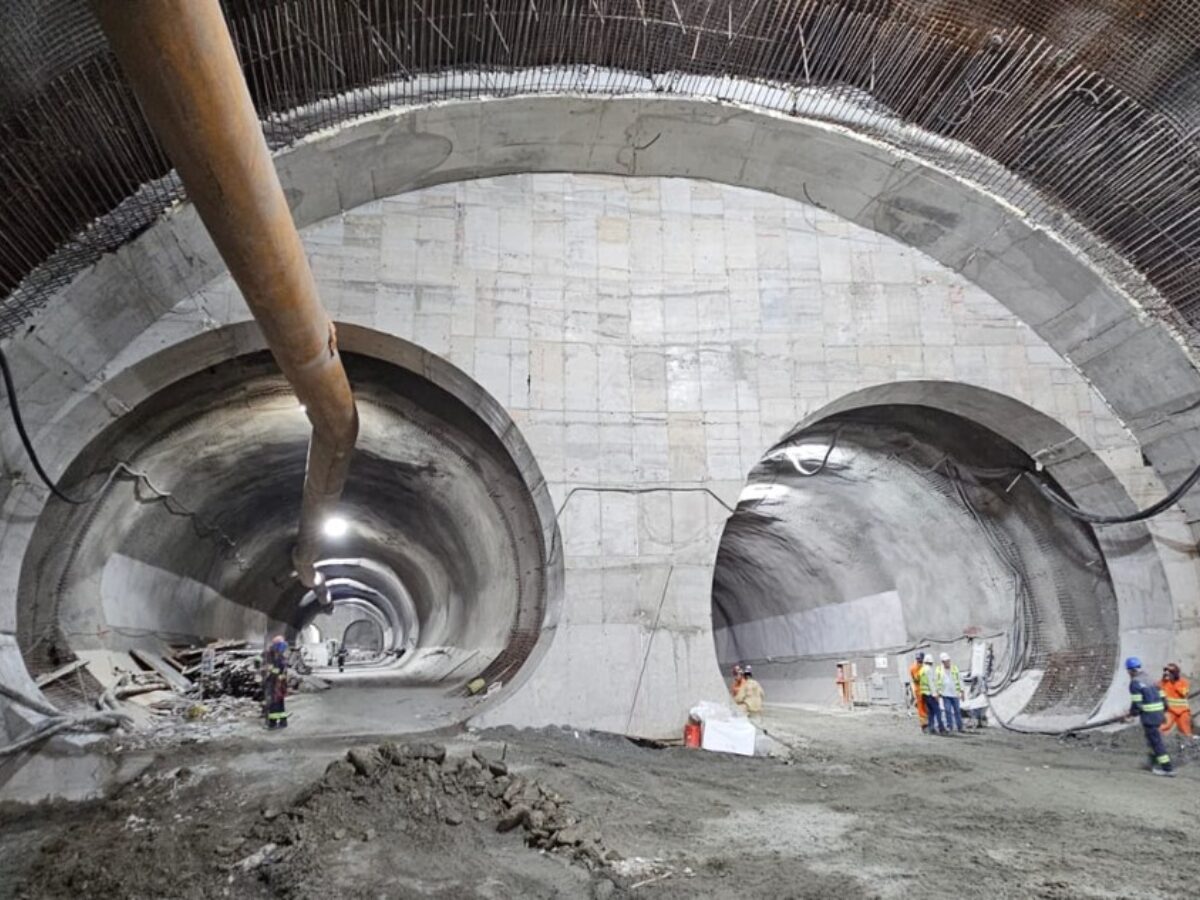
Line 6 Construction of São Paulo Metro Advances with Innovative Risk Management. Project Improves Mobility and Integrates Areas of the Capital with Safety and Technology.
The construction of Line 6-Orange of São Paulo Metro is progressing with one of the most robust risk management systems ever implemented in infrastructure projects in Brazil. In a joint effort between the Spanish construction company Acciona, the São Paulo government, and partners Société Générale, Stoa, and Transdev, the initiative has gained prominence for applying a multidisciplinary planning model capable of tackling the technical and logistical challenges of a metropolis like São Paulo.
With a completion forecast for 2027, the project is considered the largest metro infrastructure undertaking in Latin America, having already been recognized with the Inova Infra 2025 award, thanks to the rigor in monitoring, preventive action, and the use of cutting-edge technology at all stages of construction.
A PPP That Transforms Mobility and Urban Management
Established as a public-private partnership (PPP), the concession for Line 6 of São Paulo Metro includes everything from civil construction, rolling stock supply, operation, and maintenance to possible expansions.
-
A megaproject worth R$ 89 billion is advancing in Iraq and promises to change the game in global trade by creating a new corridor between Asia and Europe, reducing traditional routes and repositioning the country as a logistics powerhouse.
-
Goodbye bedside table: floating shelves become a trend in 2026 by freeing up space in the bedroom, improving circulation, bringing visual lightness, and integrating technology without taking up floor space.

-
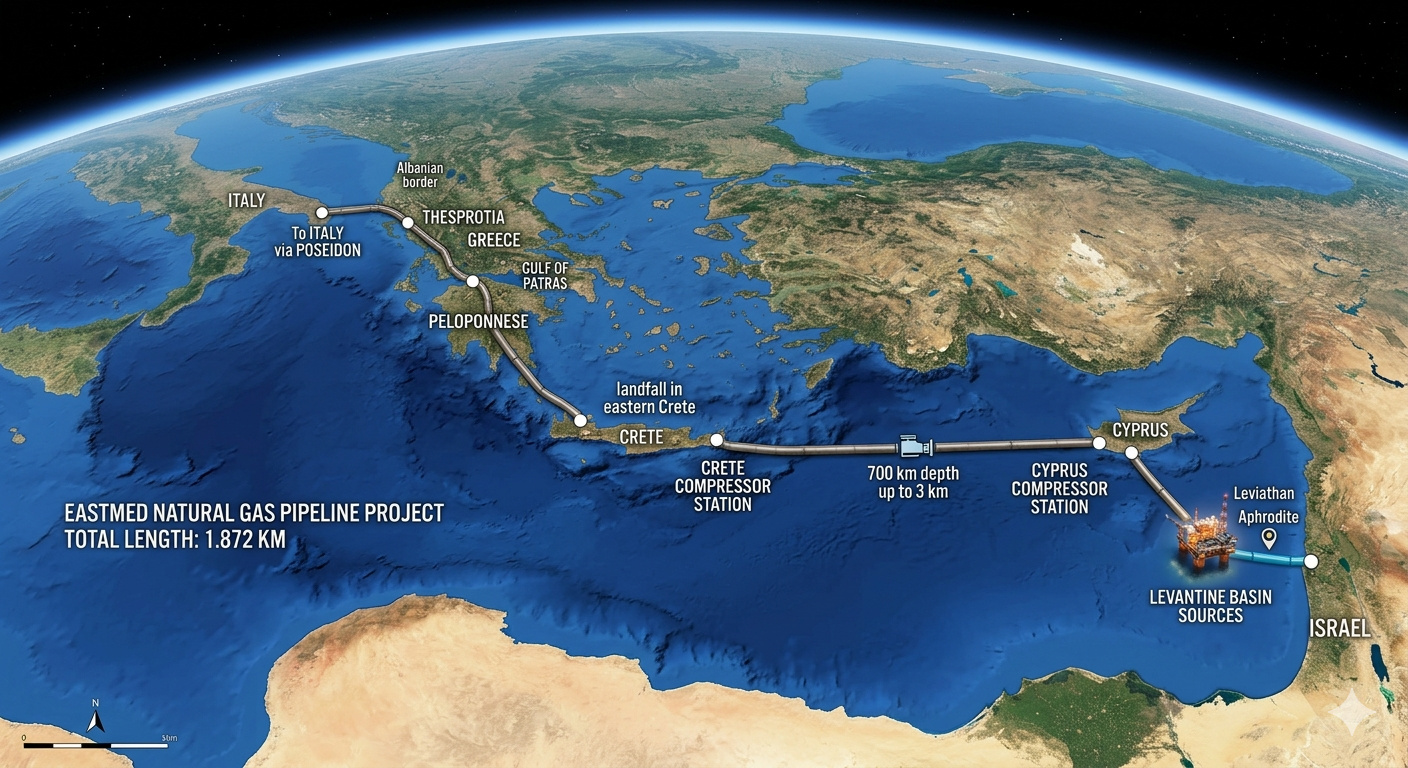
Israel, Greece, and Cyprus signed an agreement in 2020 to transport gas from the Mediterranean to Europe via a 1,872 km pipeline, but Turkey claimed sovereignty over part of the maritime route, and the project never materialized.
-
Israel, Greece, and Cyprus signed an agreement in 2020 to transport gas from the Mediterranean to Europe via a 1,872 km pipeline, but Turkey claimed sovereignty over part of the maritime route, and the project never materialized.

Acciona, the consortium leader, adopted an innovative approach to mitigate engineering and social risks, ensuring greater safety for workers, the surrounding population, and the integrity of the construction.
According to the company’s technicians, the risk management program was essential in various phases of the project, such as in the tunnel approaches, handling the tunnel boring machine (TBM), and during the launch of large-scale metal structures.
Enhanced Safety in Excavations with Sand Presence
One of the biggest challenges faced during the Line 6 construction was the excavation of tunnels in sandy soils.
To address this, Acciona implemented preventive actions such as lowering the water table, using instrumentation and continuous monitoring, as well as specific training for tunnel crew members.
Evacuation drills and the application of shotcrete at excavation fronts were also conducted during breaks.
“In the case of tunnel excavation, especially with sand presence, preventive and mitigating measures (contingency) were identified that allowed for the safe execution of the tunnels,” highlight the technical responsible parties.
Works with Tunnel Boring Machines Require High Technical Control and Coordination
The operations of tunnel boring machines – machines responsible for excavating tunnels – required specific preliminary meetings for risk assessment.
During these occasions, detailed records with preventive measures were developed, such as isolating people and equipment, controlling pressure and excavated volume, and intensive monitoring of nearby structures.
The same care was applied in critical areas, such as passages under Line 1-Blue, Line 4-Yellow, and Avenida 23 de Maio, with less than seven meters of cover.
At these points, there was a scheduled interruption of train operations, the installation of real-time sensors, and coordinated actions with public authorities.
The movement of large metal structures in the Line 6 construction also received special attention from the risk team.
Before the operation, alignment meetings were held focusing on road safety, temporary closure authorization, assessment of weather conditions, and defining rigging and crane positioning plans.
These measures were essential to avoid accidents in dense urban areas, where the presence of pedestrians and vehicles is constant.
Technology as an Ally in Decision-Making
To deal with the complexity of data and risks, Acciona uses the Site Information Model Database (SIMDB) platform, a digital information base that structures records according to international best practices.
The tool is constantly updated with field data, enabling real-time decision-making.
“None of this would be possible without the technological tools suitable for the large volume and complexity of the records generated,” affirm the technical responsible parties Emílio Símon Povoa, Renan Castiglieri Souza, Daniel Bugno, Gabrielly Farias, and Lucio Matteucci.
Line 6-Orange Works: Integration and Direct Benefit to 633 Thousand People
Known as the University Line, Line 6-Orange will connect Brasilândia to São Joaquim station, reducing travel time from 1h45 to just 23 minutes.
The expectation is to serve more than 633 thousand passengers per day, linking peripheral areas to the central region with 14 stations, including Freguesia do Ó, Água Branca, PUC-Cardoso de Almeida, and Higienópolis-Mackenzie.
The route will allow integration with three other lines:
- Line 7-Ruby and Line 8-Diamond (CPTM) at Água Branca
- Line 4-Yellow, at Higienópolis
- Line 1-Blue, at São Joaquim station
Acciona’s involvement in São Paulo Metro offers a model of excellence that can be replicated in other large urban mobility projects in Brazil and Latin America.
The combination of technology, multidisciplinary planning, and effective risk management positions Line 6 as a symbol of new national engineering.
With information from Revista O Empreiteiro.





Seja o primeiro a reagir!