





 Portuguese
  English
  Spanish
  4 min of reading
  0 comments



Brazilian Agribusiness Has 39 Representatives on the Forbes Billionaires List 2025, with Fortunes Totalling R$ 382.8 Billion. Discover Who the Richest Names Are and the Impact of the Sector on the Economy.
The agribusiness is not just a productive sector. It has established itself as the engine of the Brazilian economy, with a direct contribution to GDP growth and a positive balance in exports.
According to the Brazilian Confederation of Agriculture and Livestock (CNA), agribusiness accounts for almost 25% of GDP and is responsible for over 40% of the country’s external sales.
This performance is reflected in job creation, reaching millions of Brazilians in activities ranging from the fields to the industry, including logistics and distribution.
-
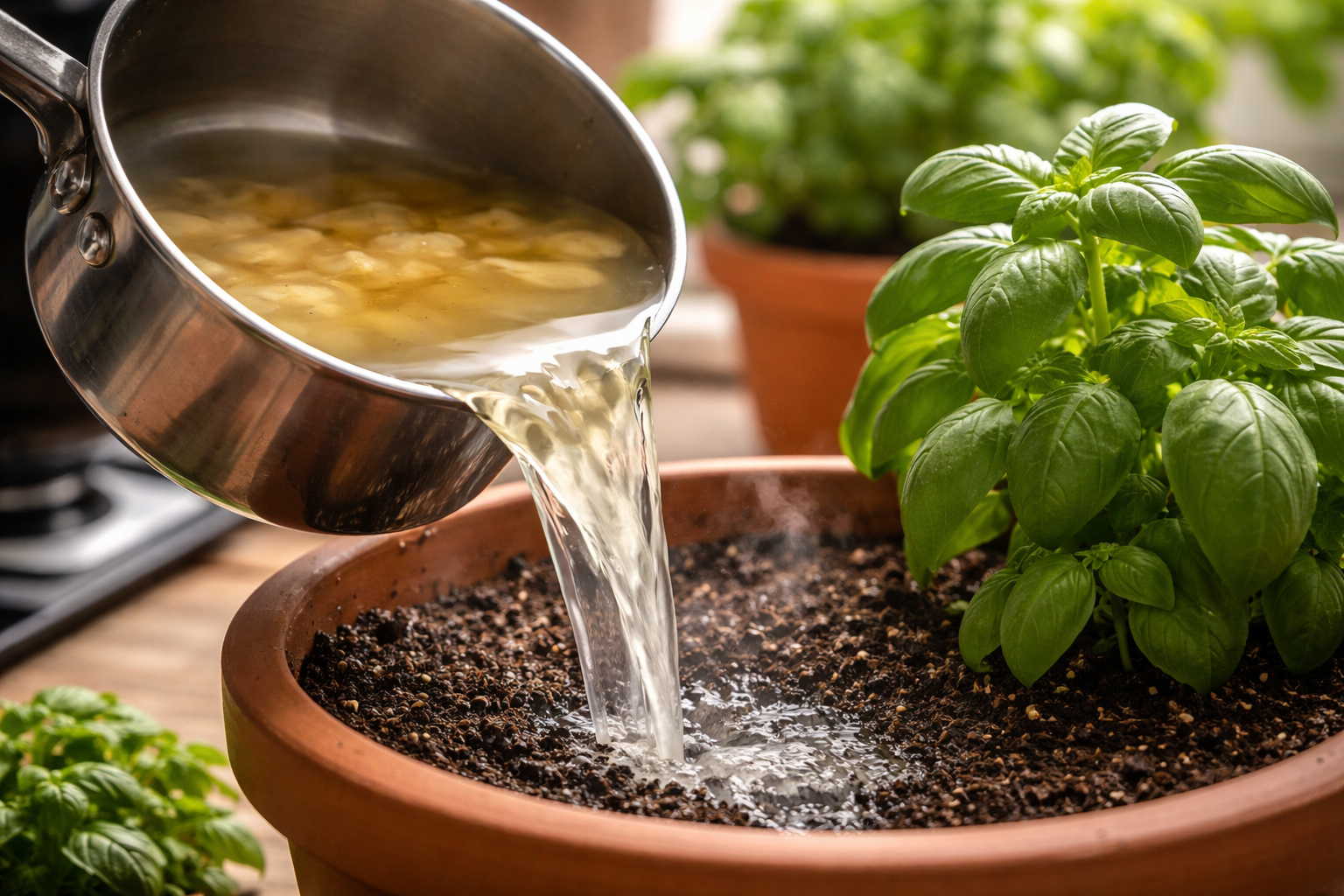
The water that almost everyone throws away after cooking potatoes carries nutrients released during the preparation and can be reused to help in the development of plants when used correctly at the base of gardens and pots, at no additional cost and without changing the routine.
-
The sea water temperature rose from 28 to 34 degrees in Santa Catarina and killed up to 90% of the oysters: producers who planted over 1 million seeds lost practically everything and say that if it happens again, production is doomed to end.

-
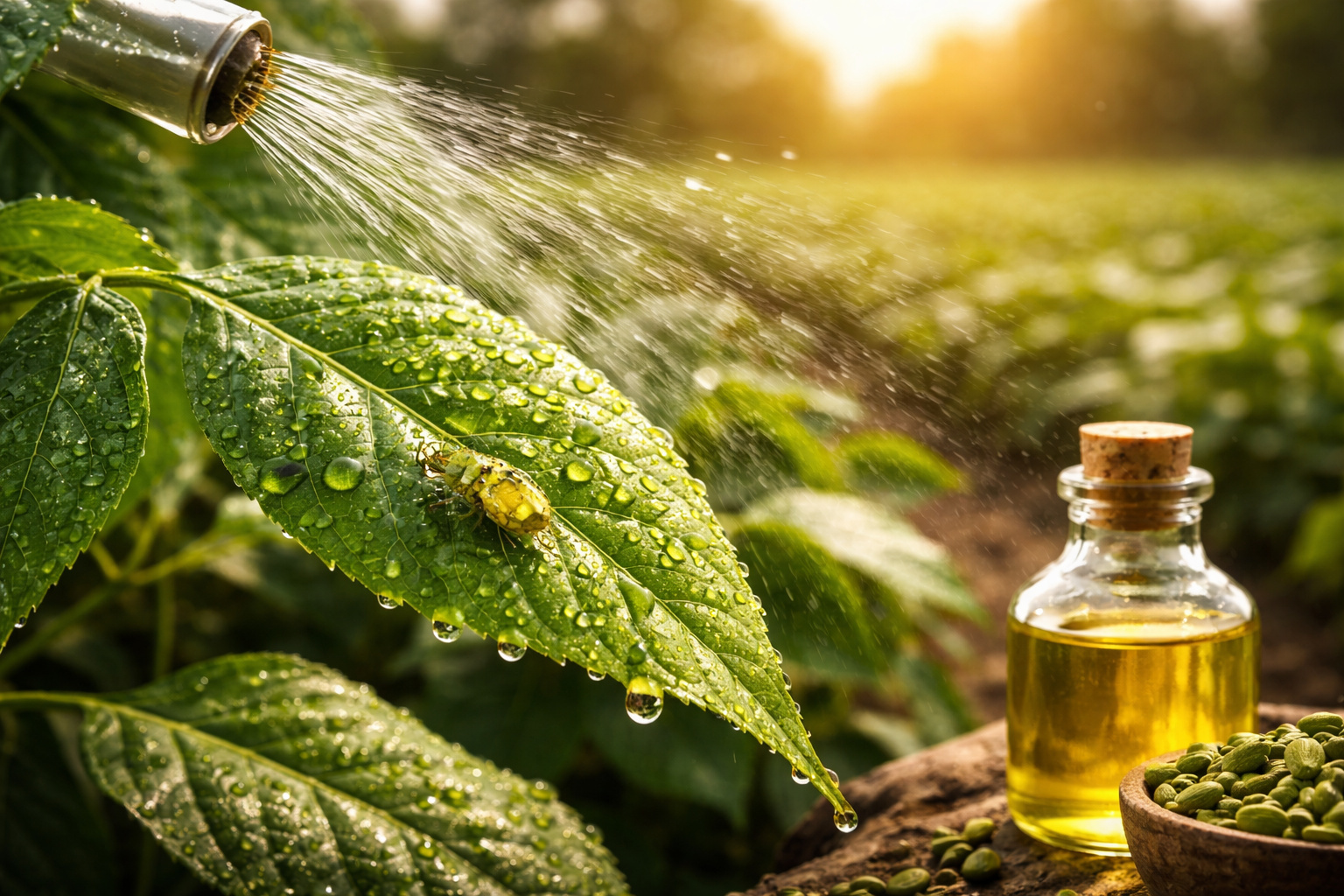
An Indian tree that grows in the Brazilian Northeast produces an oil capable of acting against more than 200 species of pests and interrupting the insect cycle, gaining ground as a natural alternative in soybean, cotton, and vegetable crops.
-
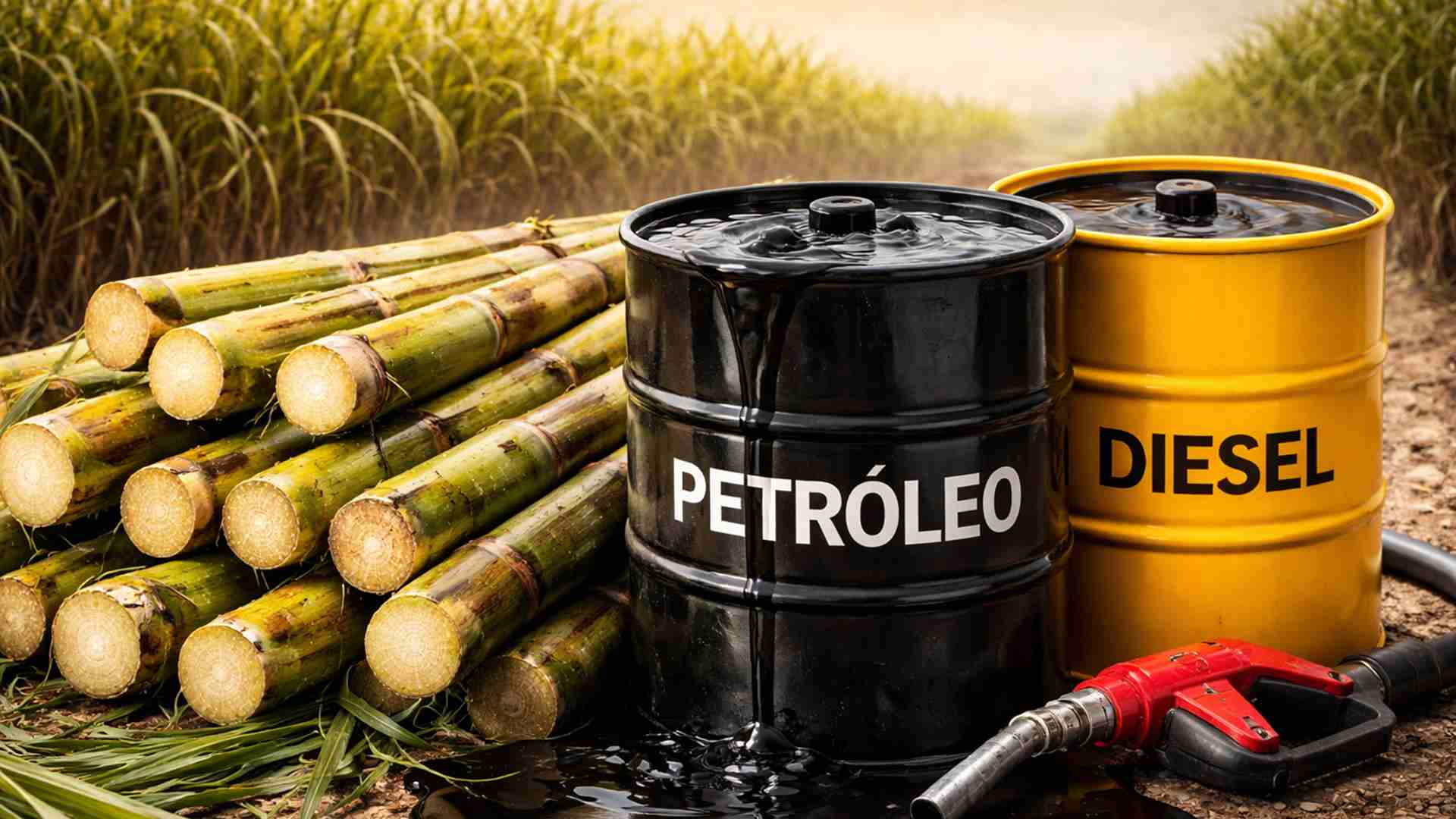
The rise in oil prices in the Middle East is already affecting Brazilian sugar: mills in the Central-South are seeing their margins shrink just as ethanol gains strength.

Therefore, it is not surprising that many Brazilian billionaires originate from this strategic sector.
The Influence of Agribusiness Among the Wealthiest
The Forbes Billionaires List 2025 shows that 39 names from agribusiness are among the richest in the country. Together, they accumulate a fortune of R$ 382.8 billion.
Only the top ten on the list hold R$ 249.6 billion, a figure that confirms the sector’s relevance as a creator of great fortunes.
This result also highlights that agribusiness goes beyond mere food production.
It encompasses the entire chain, from the production of fertilizers to the processing of meat and beverages, also including bioenergy and the paper and pulp sector.
Diversity of Areas Represented
Among the Brazilian billionaires linked to agribusiness, there are representatives from various productive chains. In the animal protein segment, the highlights are Joesley and Wesley Batista from JBS; Marcos Molina from Marfrig; and Fernando Queiroz from Minerva.
In the food and beverage sector, families such as Dias Branco, Vontobel, and Logemann appear on the list. Agricultural production also has representation, with Lucia Borges Maggi and the heirs of the Amaggi Group.
Other fortunes have been consolidated in areas such as bioenergy, fertilizers, wood, and paper and pulp.
This varied range shows that Brazilian agribusiness does not depend on a single activity but is sustained by an integrated and diverse network.
The Forbes survey also points to the geographical origin of these Brazilian agribusiness billionaires.
The state of São Paulo leads with 20 names, followed by Rio Grande do Sul (6) and Rio de Janeiro (5).
Goiás and Ceará each have three representatives, while Santa Catarina and Paraná have two. Minas Gerais has one name on the list, and another 17 chose not to declare their place of birth.
The Ten Largest Brazilian Agribusiness Billionaires in 2025
Among the 39 names listed by Forbes, ten stand out for the size of their fortunes.
- Jorge Paulo Lemann – R$ 88 billion: Shareholder of AB Inbev and partner at 3G Capital, he is the richest in agribusiness and the third richest in Brazil. In addition to breweries, he has expanded his presence in international investments, including the purchase of Skechers.
- Carlos Alberto da Veiga Sicupira – R$ 39.1 billion: Partner of Lemann, also linked to 3G Capital. Despite the Americanas crisis, he maintains a prominent position among the largest fortunes in the sector.
- Joesley and Wesley Batista – R$ 25 billion each: Controllers of JBS, the largest animal protein company in the world. The company’s shares grew by 40% in 12 months.
- Ricardo Faria – R$ 19.6 billion: Owner of Granja Faria, the largest producer of commercial and fertile eggs in Brazil. He expanded his operations to the USA and Spain.
- Alceu Elias Feldmann – R$ 18.5 billion: Owner of Fertipar, responsible for about 15% of the fertilizer market in the country.
- Marcel Herrmann Telles – R$ 12.5 billion: Long-time partner of Lemann and Sicupira, saw his wealth drop by 79.5% and has already started transferring assets to his heirs.
- Rubens Ometto Silveira Mello – R$ 7.6 billion: A central figure of Cosan, also controls Raízen, the largest ethanol producer in the world, and Rumo, Brazil’s largest railway.
- Marcos Molina dos Santos – R$ 7.2 billion: Owner of Marfrig, which is in the process of merging with BRF to form MBRF, a global protein giant.
- David Feffer – R$ 7.1 billion: Leader of Grupo Suzano, which operates in paper and pulp, a strategic sector of Brazilian agribusiness.
The Economic and Social Impact of Agribusiness
The presence of 39 Brazilian agribusiness billionaires shows that the sector is not limited to the export of commodities.
It is, in fact, a robust chain that involves research, technology, logistics, and innovation.
The Forbes survey highlights that the fortunes were calculated based on audited public information, such as stock prices. This means that, in some cases, the wealth may even be underestimated.





-

Uma pessoa reagiu a isso.