





 Portuguese
  English
  Spanish
  5 min of reading
  2 comments




Discover How Some Cities Around The World Are Investing In Financial Incentives And Free Housing To Attract Residents And Reverse Population Decline, Transforming Urban And Rural Realities With Unique And Surprising Strategies.
In recent years, a phenomenon that seemed unlikely has gained momentum around the world: cities offering money and incentives to attract new residents.
This strategy, which stands out for its originality, has a clear and urgent objective: to revitalize regions facing demographic, economic, and social challenges.
Low population density, an aging population, and economic decline have pressured various locations to adopt creative measures to ensure their survival and growth.
-
Mr. Mário reveals the technique of the caipira papaya: he cuts the fruit in half, discards the seeds from the tip, and plants the ones from the back to increase the chance of a productive female tree.

-
End of the 6×1 schedule: how the reduction of hours can affect service companies, industry, and agribusiness.

-
Few remember, but the submarine that disappeared in 1968 with 52 crew members was found after 51 years at the bottom of the sea at more than 2,000 meters, intriguing the entire world.

-
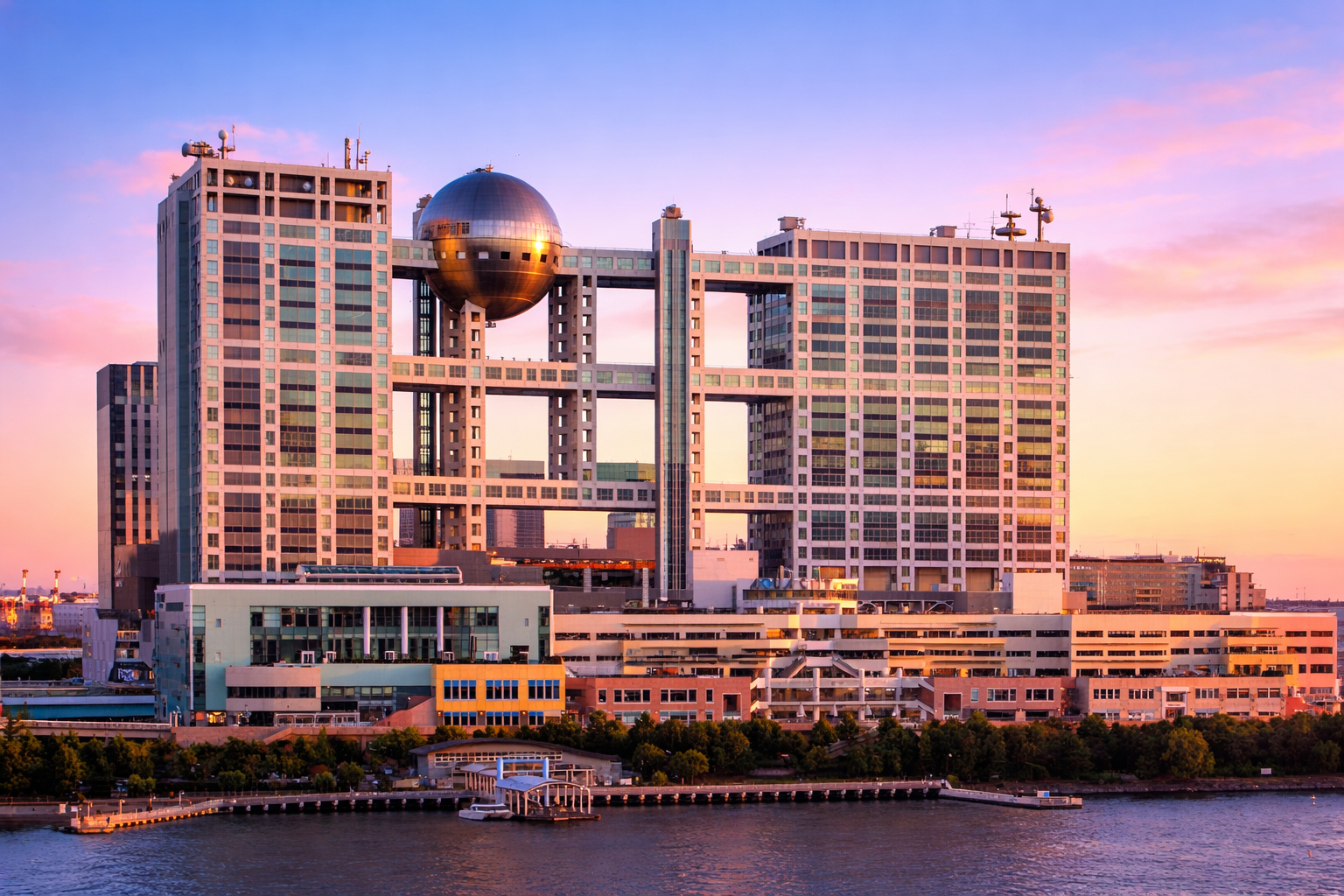
With 1,200 tons suspended, the Japan mega-structure in a grid shape with a floating sphere from Fuji TV features two 25-story towers connected by elevated walkways, titanium panels, and impresses the world with its ability to reduce wind impact.

Therefore, some cities have decided not only to wait for people to come naturally but also to stimulate change through financial benefits, symbolic-price housing, and even free land.
These incentives serve to increase the active population, generate economic movement, and strengthen local commerce, as well as enhance the historical heritage of these regions.
But which cities are offering these advantages, and why do they bet on this unusual model?
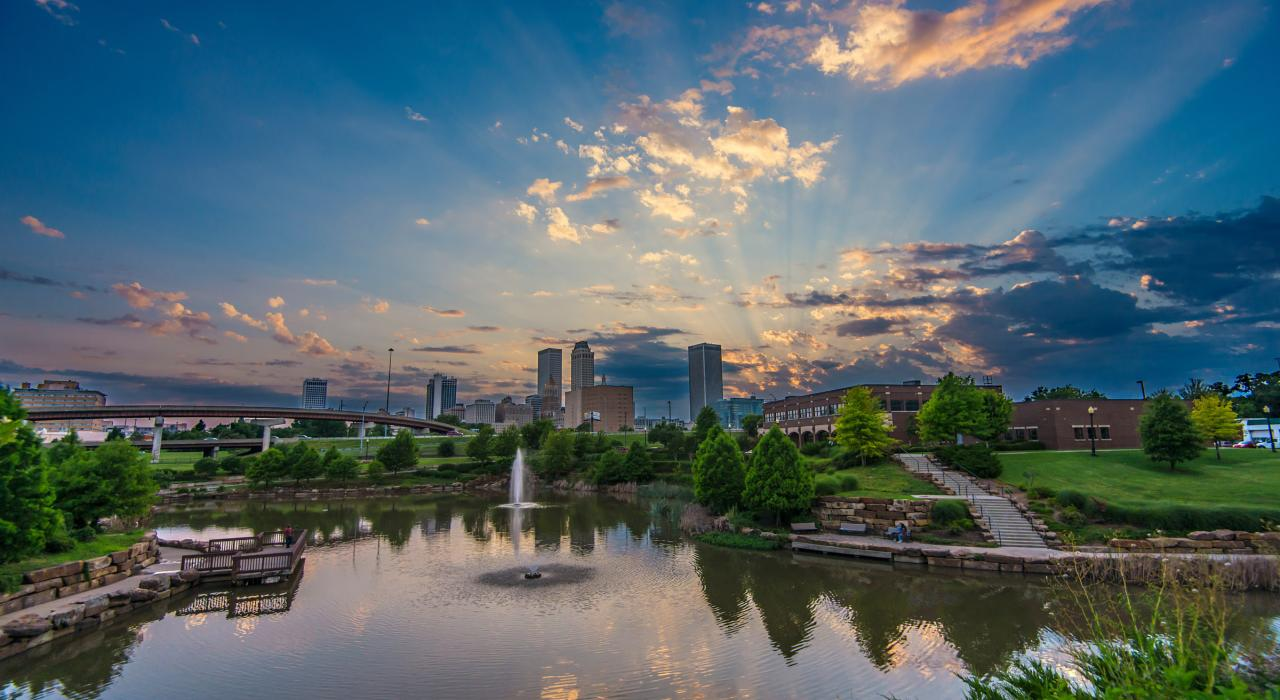
Tulsa, United States
In the United States, the city of Tulsa, located in the state of Oklahoma, stands out.
According to recent data, Tulsa has been offering attractive financial packages, especially for remote workers — professionals who can perform their tasks from anywhere.
These packages include cash incentives, tax discounts, and even support for adapting to the city. The intention is to increase the population and attract qualified individuals who contribute to local economic development.
Sambuca And Mussomeli, Italy
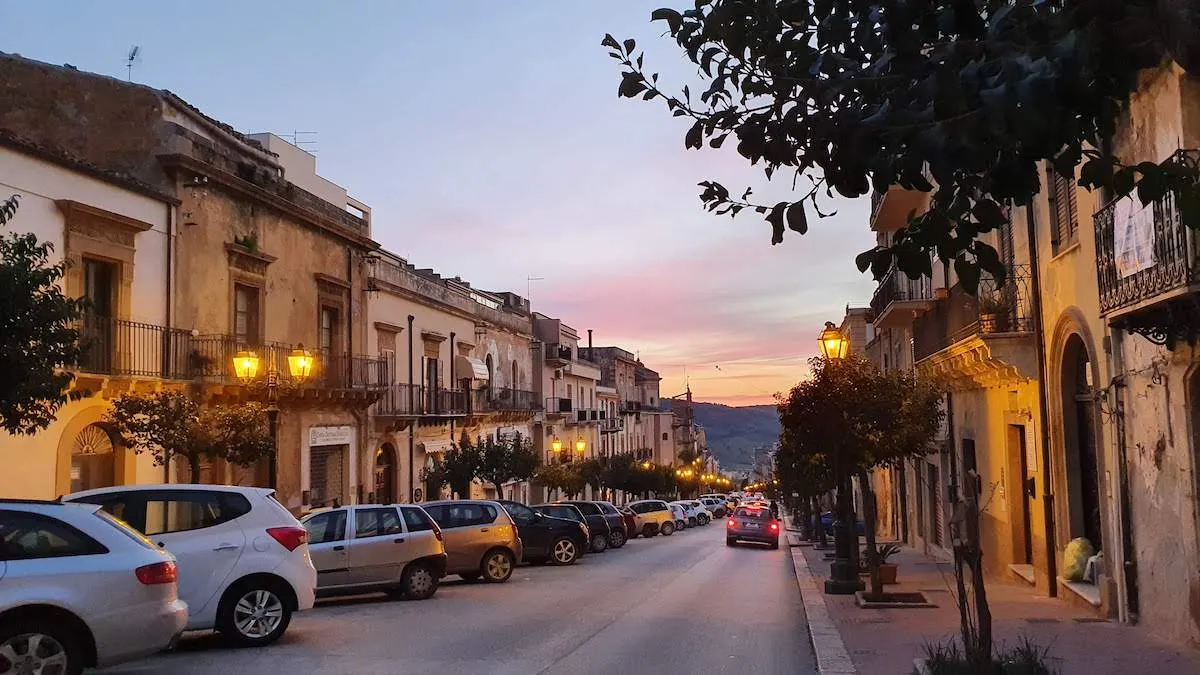
In Europe, Italy has also surprised with programs in small villages like Sambuca and Mussomeli in Sicily.
In these locations, the local government offers houses at symbolic prices — often for 1 euro — on the condition that new residents undertake renovations of the properties.
The initiative aims to reverse the depopulation of historic villages, enhancing cultural heritage and attracting new residents who bring life and economy to these areas.
Okutama, Japan
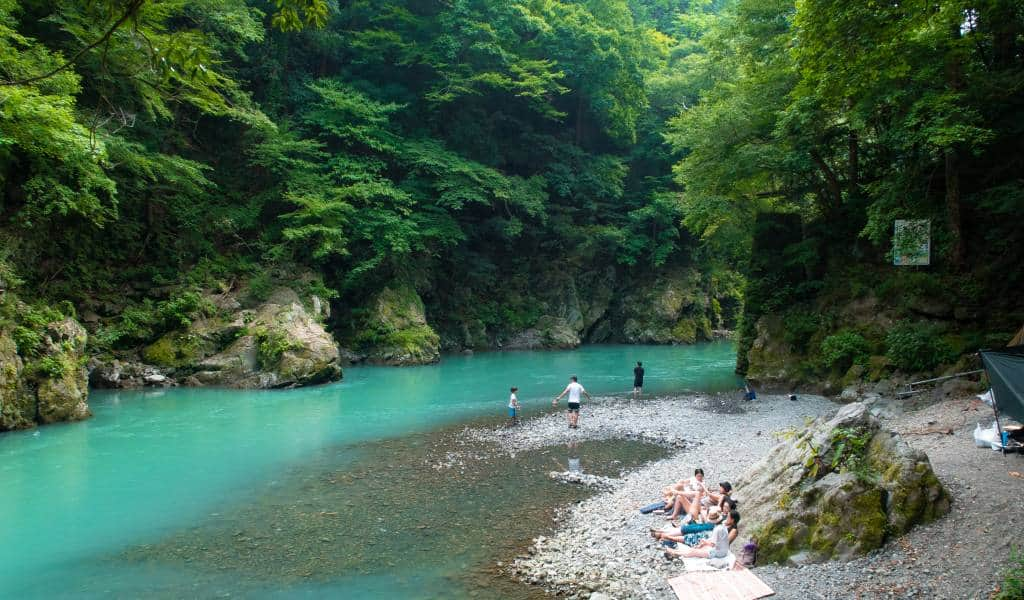
On the other side of the world, in Japan, the city of Okutama also offers abandoned properties at very low prices, even making them available for free.
This measure is a direct response to the accelerated aging and decline of the rural population, a phenomenon common in various parts of the country. By encouraging the arrival of families and young people, Okutama seeks to rebalance the age pyramid and boost the local economy.
Other Initiatives Around The World
Besides these cities, other regions have implemented similar programs, tailoring them to their needs and local contexts.
In many cases, the offer of free land, renovation assistance, and tax benefits are tools used to attract new residents.
These actions contribute to creating more dynamic, economically viable, and culturally rich communities, especially in places at risk of depopulation.
Benefits For Cities And Residents
Incentive programs generate a series of advantages for the cities that adopt them.
Firstly, they help combat depopulation — a problem that impacts especially rural areas, small towns, and even some urban neighborhoods.
More residents mean greater demand for services, more active local commerce, and job creation.
Moreover, the arrival of new residents often enhances the cultural and intellectual diversity of communities, which can boost innovation and social development.
Another important advantage is demographic renewal.
By attracting younger populations, these cities ensure a more robust and sustainable tax base, essential for financing public services such as health, education, and infrastructure.
For residents who accept these offers, the opportunity to live in peaceful places, with reduced costs and quality of life, is a significant attraction.
With the advancement of remote work, this possibility has become even more viable and valued.
Challenges Accompanying The Incentives
Despite the benefits, the programs are not free from obstacles.
One of the main challenges is integrating new residents into the local community.
Cities need to invest in adequate infrastructure, such as schools, hospitals, public transportation, and cultural options, to ensure that population growth does not compromise quality of life.
Another crucial point is the financial sustainability of these programs.
If the costs of the incentives exceed the gains generated by the population increase, the city may face severe economic difficulties.
Therefore, careful planning and constant analysis of results are essential to adjust strategies and ensure that benefits are long-lasting.
The Future Of Cities That Pay To Live
With the advancement of technology and the popularization of remote work, the trend is for more cities to adopt similar initiatives, seeking to reinvent themselves in the face of global social and economic changes.
The success of these programs will depend on these locations’ ability to offer quality of life, real economic opportunities, and good social integration for their new residents.
Additionally, creativity in public management and community involvement are essential to transforming these cities into examples of urban and rural revitalization.
The transformation of declining regions into vibrant and prosperous places involves balancing tradition and innovation, cultural appreciation and economic sustainability.
These experiences serve as inspiration for other cities around the world facing similar problems.
Would you consider moving from Brazil to one of these cities that pay you to live there? What else would attract you to this proposal?




Eu gostaria de morar num país diferente! Trabalhar eu sei, sou motorista, operador de máquinas, e trabalho na área da construção cívil…..
Sim! Eu mudaria, montaria um negócio e claro isso dependendo do estímulo geral, afinal será uma mudança radical!