





 Portuguese
  English
  Spanish
  3 min of reading
  0 comments



After More Than Ten Years Caring For An Abandoned House, Roberto Silva Conquered Property Rights Through Adverse Possession, Showing How Persistence, Proper Documentation, And Legal Support Can Transform Abandonment Into Citizenship And Personal Fulfillment
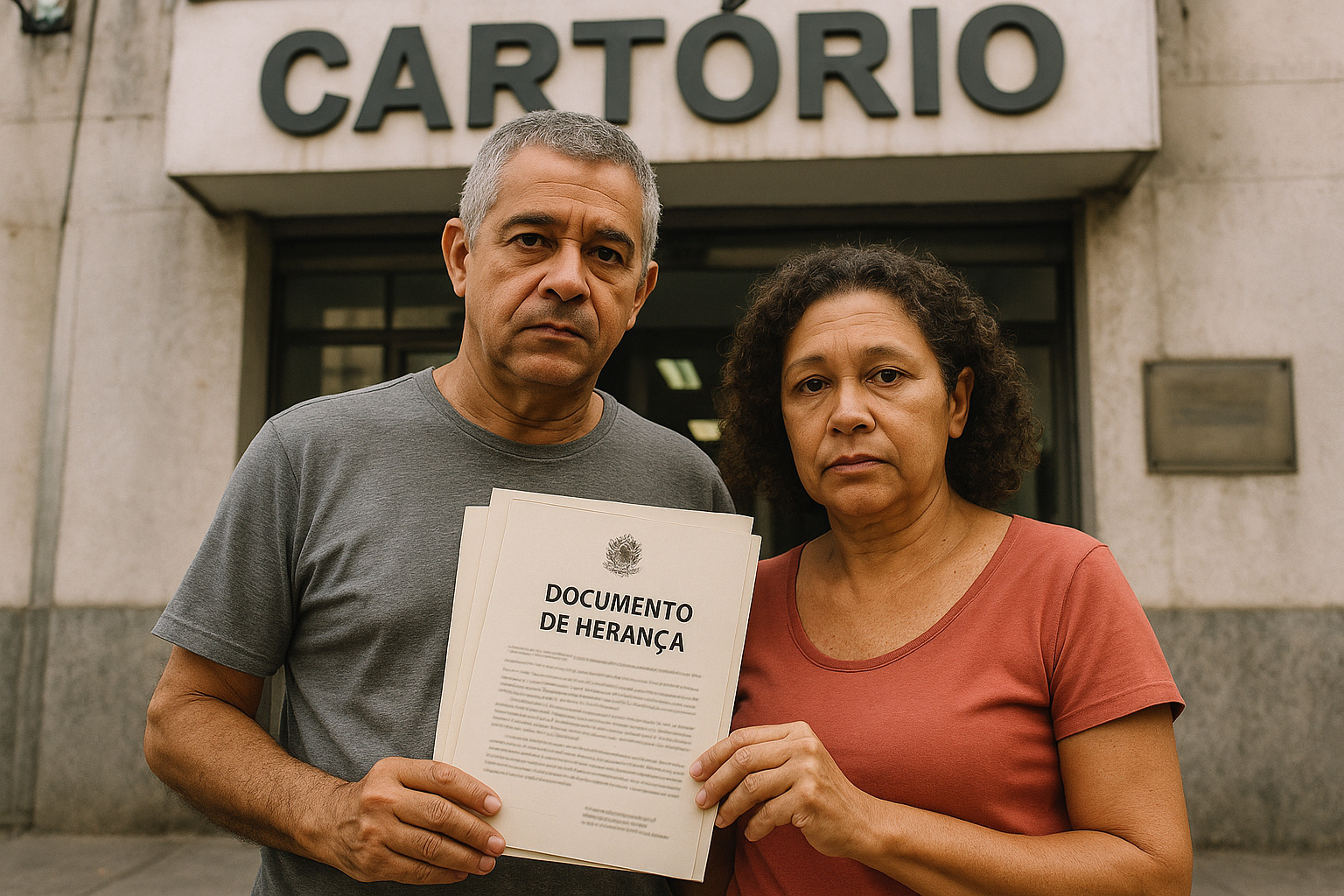
After more than a decade caring for an abandoned property, 42-year-old Roberto Silva officially conquered property rights through adverse possession, according to an article published by E.M Foco. The case shows how dedication and understanding of legal norms can transform an abandonment situation into a happy ending.
According to E.M Foco, for years, Roberto took care of the house, renovated the space, and kept all expenses up to date.
The constant effort and commitment to maintenance were decisive for him to achieve definitive possession through adverse possession.
-
The new Civil Code could revolutionize marriages in Brazil with “express divorce” and changes that could exclude spouses from inheritance.
-
Banco do Brasil sues famous influencer for million-dollar debt and intensifies debate on delinquency, risks of seizure, and direct impact on Gkay’s credibility.

-
The Senate approves a bill that criminalizes misogyny, hatred, or aversion towards women, and includes the crime in the Racism Law with a penalty of up to 5 years.

-
Chamber Approves Bill That Allows Pepper Spray for Women Over 16 and Imposes Strict Rules for Purchase, Possession, and Use as Self-Defense


How It All Began
Roberto Silva has lived in the community for many years and always sought a location closer to his work. In one of these searches, he found an abandoned house and saw an opportunity in it.
He decided to invest time, energy, and resources in the property. Even before having any legal documents, he already treated the space as a home.
This attitude demonstrated his true interest in preserving and revitalizing the property, which would later become essential for regularization.
What The Law Says About Urban Adverse Possession
Adverse possession is a legal instrument provided for in the Brazilian Civil Code, in Articles 1,238 to 1,244, and allows for the acquisition of property through prolonged and proven possession.
For urban properties, the legislation requires uninterrupted possession without opposition for at least five years. In addition, the occupant must use the location as their own residence and not own another property.
These rules are also described in Article 183 of the Federal Constitution, which guarantees the right to housing for those who meet the legal requirements. In Roberto Silva’s case, all criteria were met.
Evidence And Community Support
With legal guidance, Roberto gathered a series of documents proving his continuous link to the property.
He presented invoices for construction materials, records of renovations, and bills paid in his name.
The testimony of neighbors was essential, as it confirmed his constant presence and the care taken over the years.
Photographs showing the property’s evolution since the beginning of the occupation were also attached.
These pieces of evidence reinforced his legitimacy, demonstrating that possession was not casual but the result of care and permanence.
Obstacles Along The Way
The process of adverse possession was not simple. Roberto faced difficulties with old documents and had to deal with challenges from third parties.
Despite this, he remained firm because he believed he was acting within the law.
The guidance of specialized professionals helped resolve issues and ensure that the entire process followed correctly.
An Example Of Overcoming And Citizenship
Roberto Silva’s story shows that knowing the legislation can change lives. His conquest also enhanced the neighborhood, as the renovated property brought visual improvements and increased security to the area.
The case emphasizes an important lesson: persistence, combined with legal knowledge, can transform a forgotten space into a permanent home.
With information from E.M Foco.








-

-

-

-

8 pessoas reagiram a isso.