





 Portuguese
  English
  Spanish
  4 min of reading
  3 comments


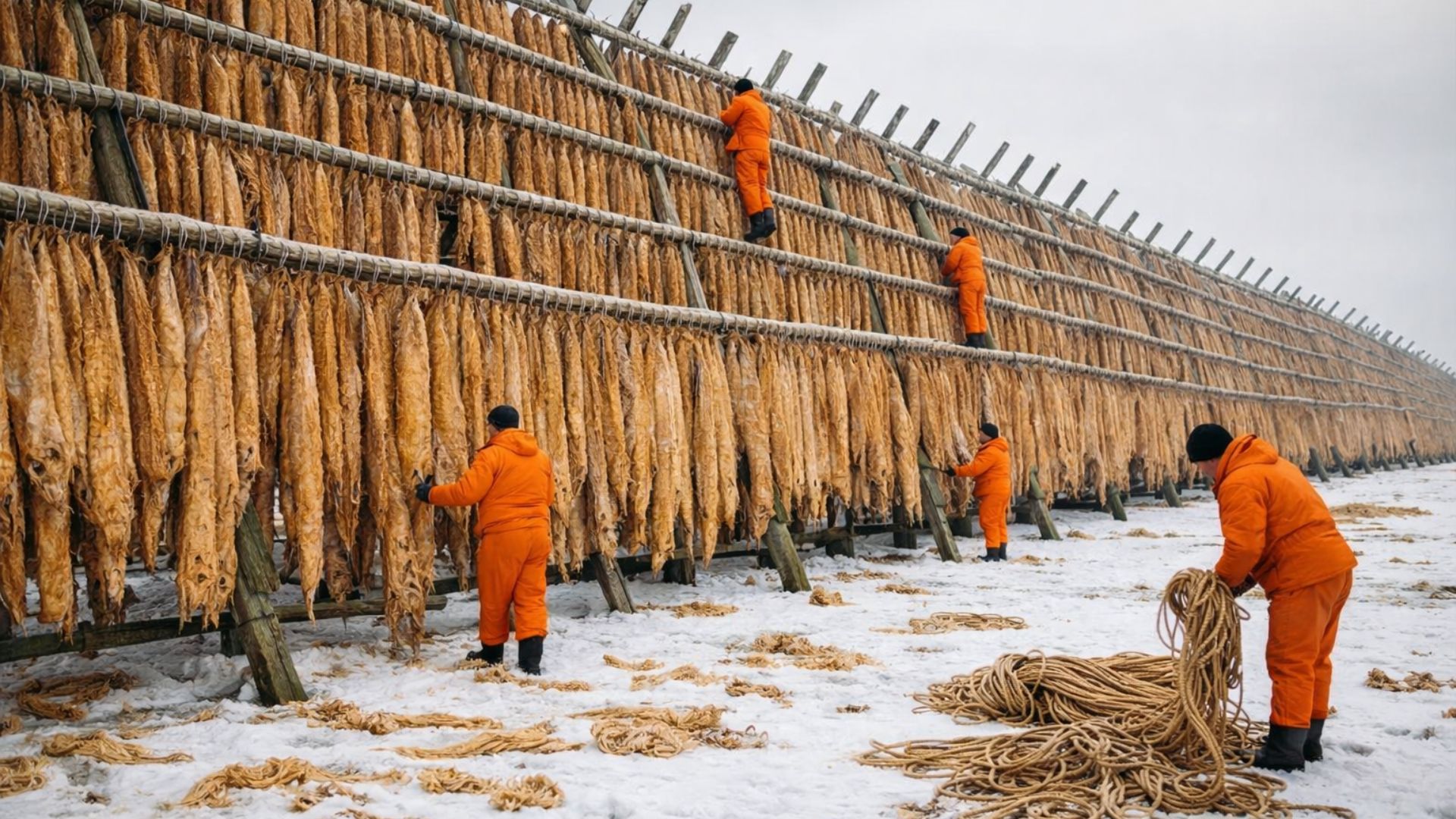


Agricultural Waste Leaves The Field And Enters The Industry As Strategic Inputs For Energy, Materials, And Bioproducts.
What used to be left in the field to rot, be burned, or become a disposal cost has come to the attention of industries looking to replace fossil raw materials and reduce waste.
In different countries, agricultural residues such as straw, bagasse, peels, fibers, and trunks have started to supply factories of bioproducts and materials called “green,” in a race for cheaper inputs with a lower carbon footprint.
The scale is large, but the numbers vary according to the definition of waste.
-
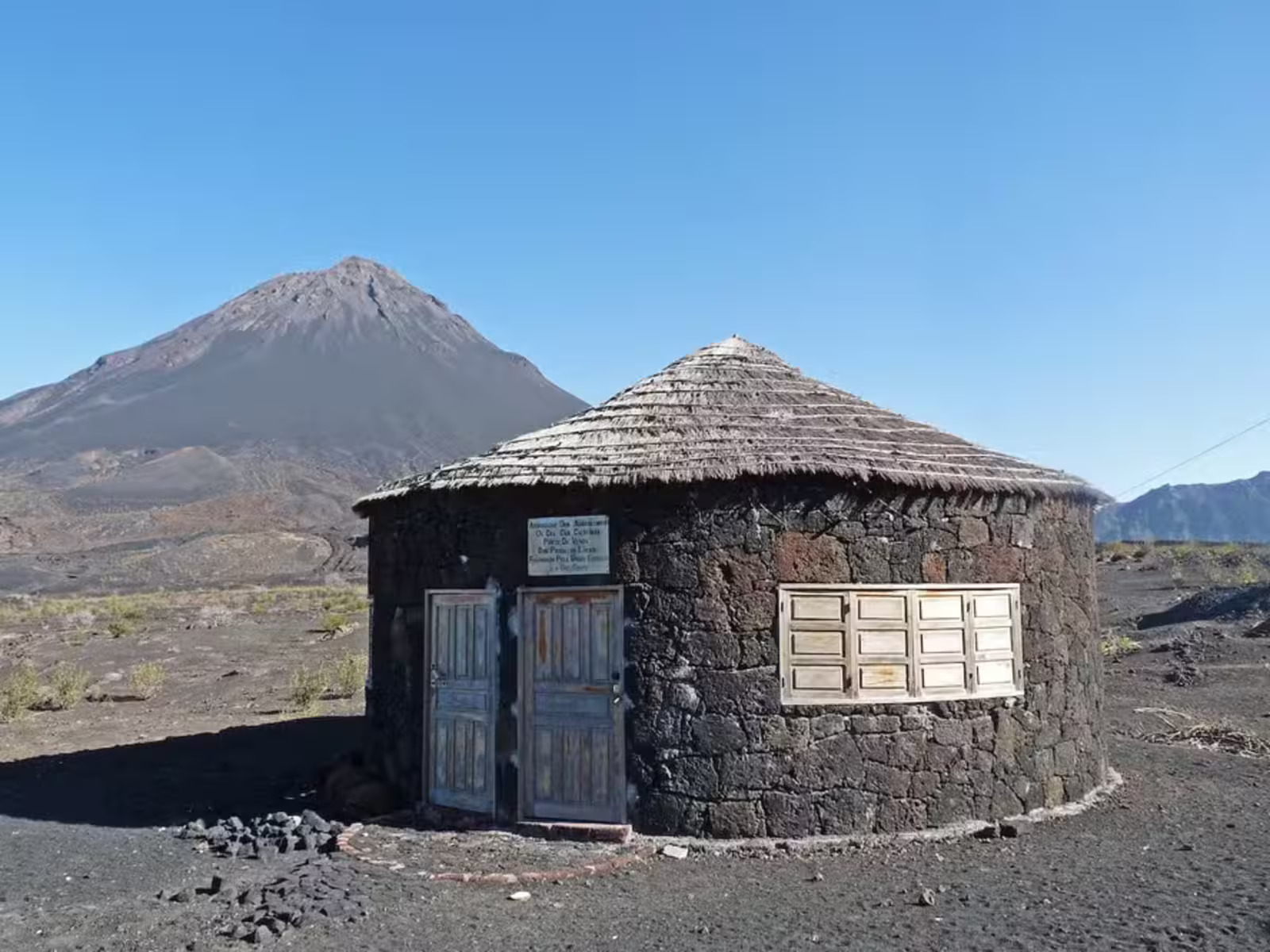
Inside an active volcano in Africa, residents use volcanic rocks to build houses in an impressive setting.
-
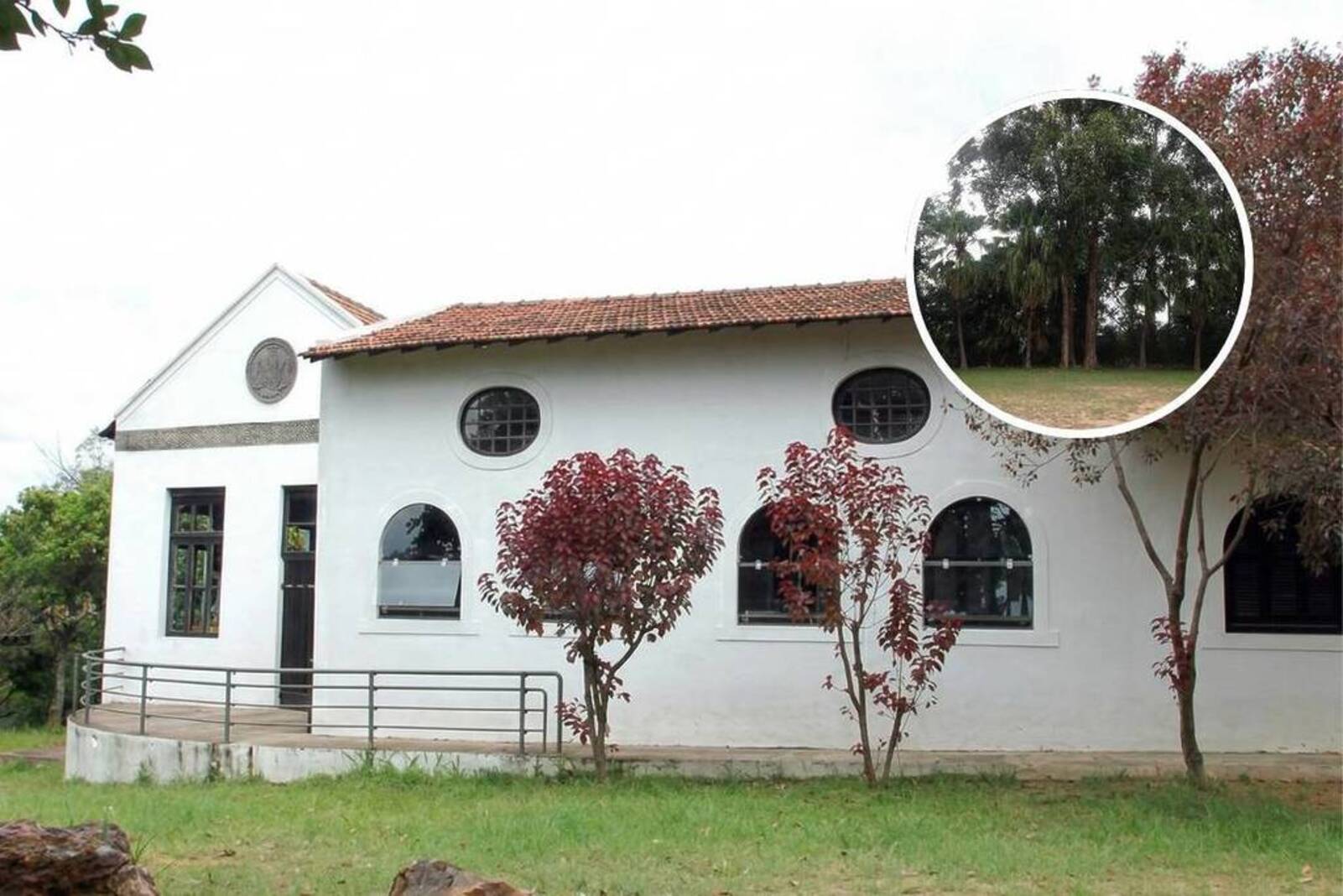
After 14 years of waiting, a rammed earth mansion built in 1702 in the North Zone of São Paulo will become a park with leisure facilities and green areas, with a million-dollar investment.
-
With 2 unfinished nuclear reactors, up to 25 billion in costs, and proven fraud, the Nukegate case has left 800,000 consumers still paying today for energy that will never be produced.

-
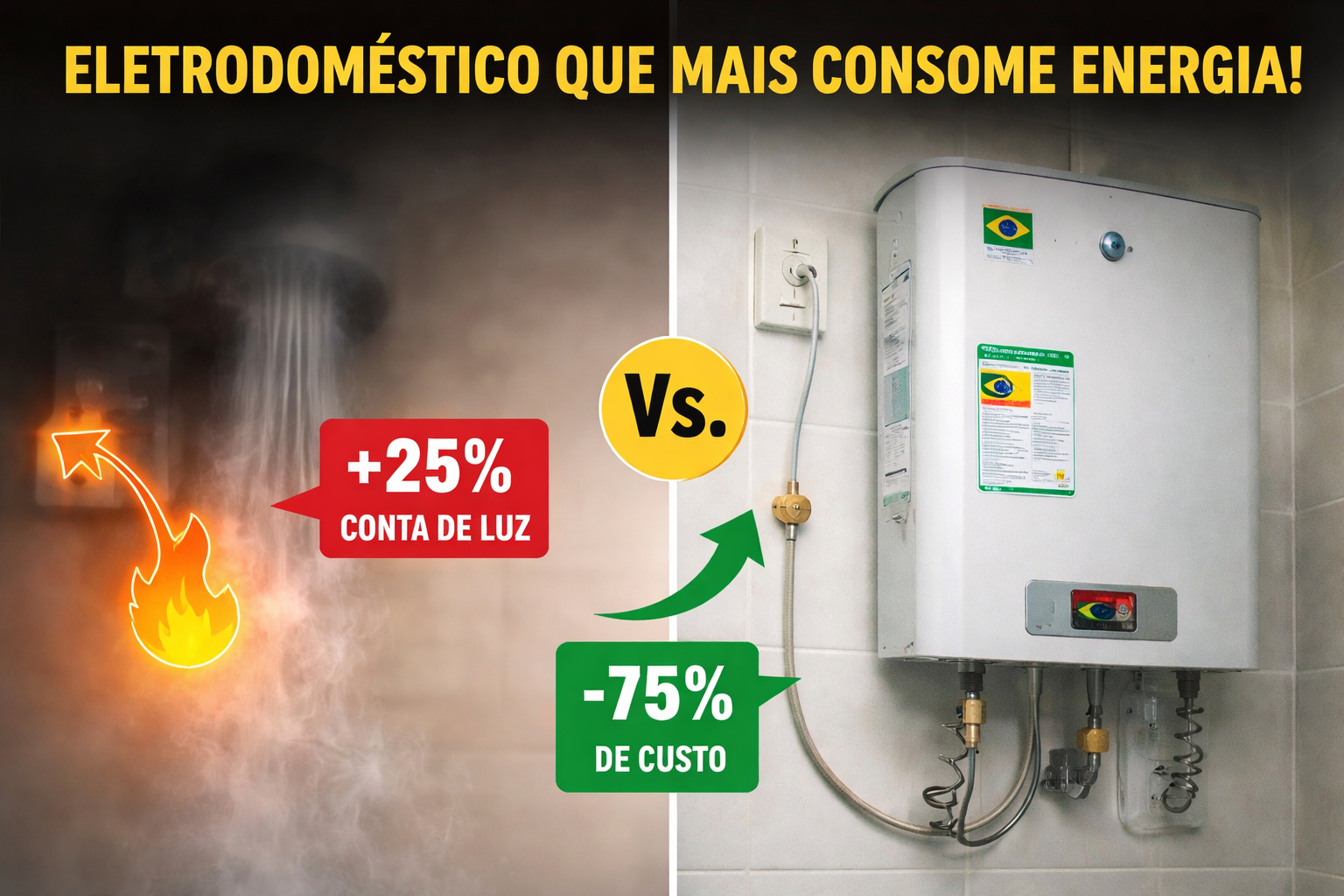
The household appliance that consumes the most energy in Brazilian homes is not the air conditioner; it is located in the smallest room of the house, is used daily, and can account for up to 25% of the electricity bill, while an alternative in the same outlet can reduce this cost by up to 75%.

Estimates indicate that crop residues alone may exceed 5 billion tons per year worldwide.
Other, more conservative estimates or those focused on specific segments amount to over 1 billion.
Meanwhile, international reports indicate that food waste at the consumption and retail stage reached 1.05 billion tons in 2022.
This data reinforces the size of the challenge of losses and leftovers throughout the supply chain.
An Ancient Problem That Became Industrial Raw Material
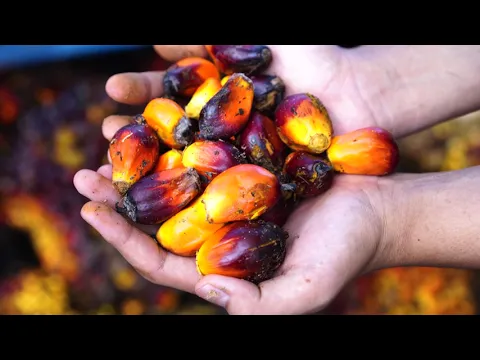

Modern agriculture has expanded the global production of primary crops.
This volume reached 9.5 billion tons in 2021, according to statistics compiled by FAO.
At the same time, the increase in the harvested volume tends to multiply the coproducts that remain in the field and in agro-industries.
Among them are pruning residues, leaves, stalks, and inedible parts.
For a long time, the destination of these materials was limited by logistics, cost, and lack of technology.
In several regions, burning straw and other residues still appears as a quick solution.
This practice, however, is associated with pollution and loss of nutrients and organic matter from the soil.
It is at this point that biorefineries and industrial plants dedicated to converting residual biomass into energy, chemicals, fibers, and new materials come into play.
What was seen as an environmental liability is now treated as a productive input.
Megafactories Invest In Biomass To Replace Fossils
The expansion of biomass conversion technologies has been driving industrial projects along different routes.
Some plants prioritize energy and biofuels.
Others aim for higher value-added materials, such as bioplastics, resins, and compounds for packaging.
There are also chains that transform fibrous residues into reinforcements for construction, panels, and molded parts.
Recent life cycle assessment studies have compared these technological pathways.
The environmental results vary according to raw material, energy source used in the factory, and final destination of coproducts.
Research describes this scenario as a combination of opportunities and trade-offs.
The promise of green products depends on clear metrics and transparency.
Meanwhile, the debate over losses and waste has gained a climate dimension.
International organizations estimate that the sum of food losses and waste accounts for 8% to 10% of annual global greenhouse gas emissions.
In addition to the environmental impact, there is a significant economic cost associated with these losses.
Banana Fibers And The Dispute For Strategic Materials

Among the most cited examples in the race for alternatives is the banana plant.
The pseudostem, which usually remains in the field after harvesting, is a source of fibers and cellulose.
These materials have applications in textiles, composites, and industrial products.
Recent studies point out potential for textile use and discuss relevant mechanical properties.
However, direct comparison with cotton requires caution.
Research indicates that the performance of the fibers varies according to plant variety, extraction method, treatment, and final application.
The statement that the fiber is stronger than cotton may be valid in specific metrics.
That does not mean a universal replacement for all industrial uses.
Interest is growing because plant fibers can reduce the use of synthetic inputs in composites.
Furthermore, they utilize a flow that previously had low or no commercial value.
Reduction Of Emissions And Limits Of Environmental Discourse
The idea that repurposing waste reduces emissions appears in different studies and reports.
The exact percentage, however, varies according to the scope, technology, and chain analyzed.
There are analyses that record significant reductions when waste replaces fossil fuels.
Others consider emissions avoided by not burning or open-air decomposition.
The continuous removal of waste from the field, however, also poses risks.
Research warns of impacts on soil carbon if there is no proper management.
Therefore, the assertion of emissions reductions of up to 30% depends on specific sources and methodologies.
Without this explicit reference, the number cannot be generalized.
The Economic Impact On The Field And Agricultural Logistics
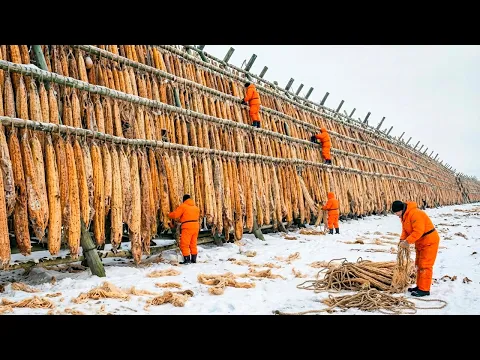
Transforming waste into goods also reorganizes relationships in agricultural production.
Producers and cooperatives must now deal with demand for additional biomass.
This affects operating costs, logistics, and management decisions.
When the chain is well-structured, value capture can generate extra income.
It can also encourage more efficient waste management practices.
In poorly designed scenarios, there may be increased traffic, diesel consumption, and vulnerability to demand fluctuations.
In this new market, the competition is not just for volume. Regularity, purity, and standardization of the material become central factors.
Mixed or high-moisture waste can jeopardize industrial routes.
Homogeneous flows and those close to industrial hubs tend to attract investments more quickly.
The Race For Green Gold And Its Limits
The appreciation of trunks, fibers, and leaves as industrial inputs has the potential to reduce waste.
It also opens up space for new production chains and investments. The final outcome, however, depends on clear rules for sustainability and traceability.
Life cycle metrics and management criteria become decisive.
If waste becomes a strategic raw material, a new challenge arises. How to expand this market without compromising soil, productivity, and environmental balance in the field?






Estáo de parabéns
Maravilha. E a alimentação natural do solo, como fica?
Está matéria orgânica ou ouro verde antes eram aproveitadas pelo solo para aumentar a fertilidade do solo, esse material poderia ser aproveitado no setor primário como fertilizantes naturais o processo de fermentação sempre existiu. A formação de gases como o metano que agredi a camada de ozônio. Teria que coletar destas materiais orgânicos ser coletado os gases metano e outros para serem aproveitar os gases em material útil gás energético e ver se em combustão geram menos consequências a Natureza em geral assim em específico a camada de Ozônio. E o material já fermento ser usado como adubo natural assim diminuir o custo das nos setores primário principalmente agricultura e produção dé animais para abate e outro produtos de origem ****.