





 Portuguese
  English
  Spanish
  3 min of reading


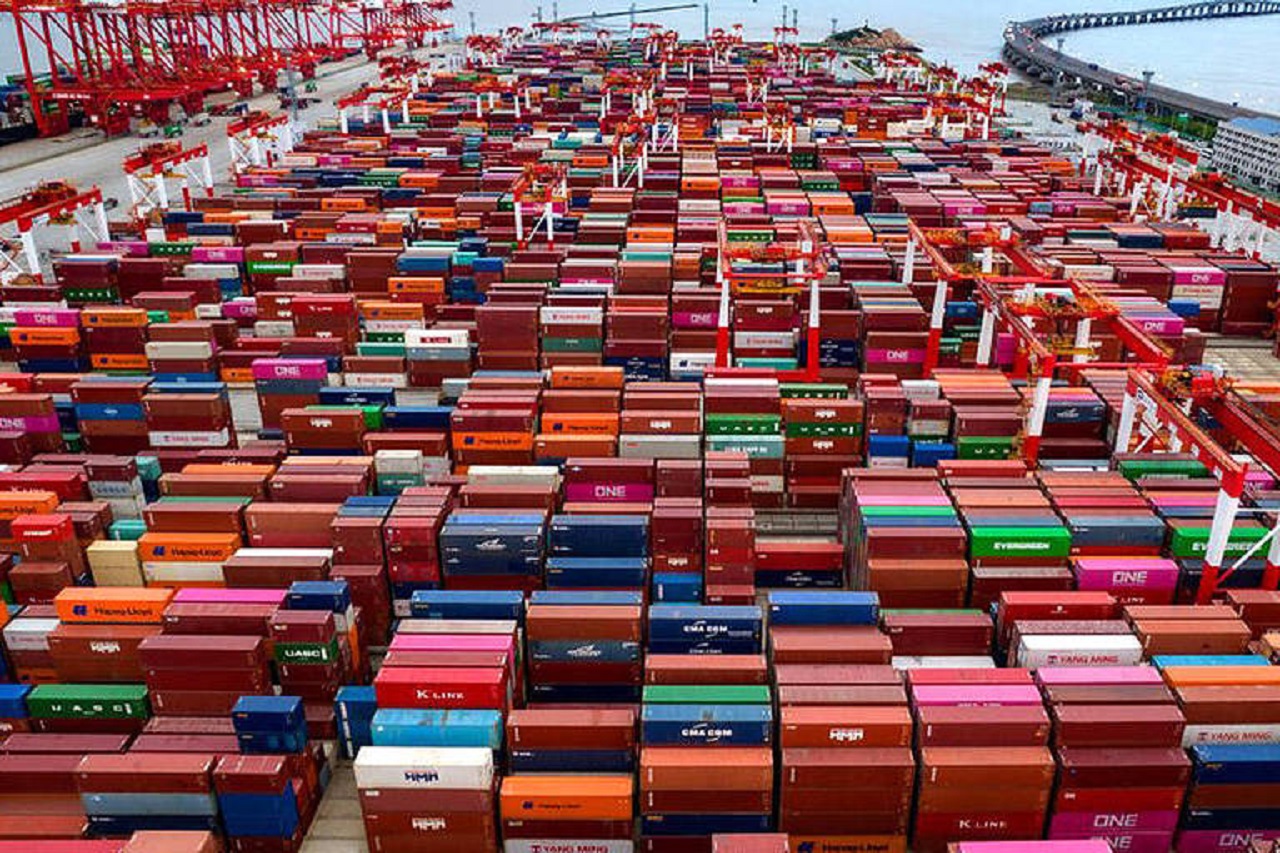
Due To The Lockdown Caused By The Worsening Of The Epidemic In China, The Port Of Shanghai, The Largest In The World, Prevents Ships From Loading Or Unloading, Increasing Global Inflation.
The lockdown imposed in Shanghai, a very important city in China, has delayed the loading and unloading movements of ships from the Port of Shanghai, the largest port in the world, causing an increase in inflation worldwide. The port was responsible for 17% of container traffic and 27% of China’s exports. Only in 2021, it handled 34 million TEUs of the 200 million containers handled by the country. The city has been in lockdown for about 4 weeks due to the zero-COVID policy determined by the government, indirectly impacting the largest port in the world.
Understand Why Inflation Rises With The Shutdown At The Port Of Shanghai
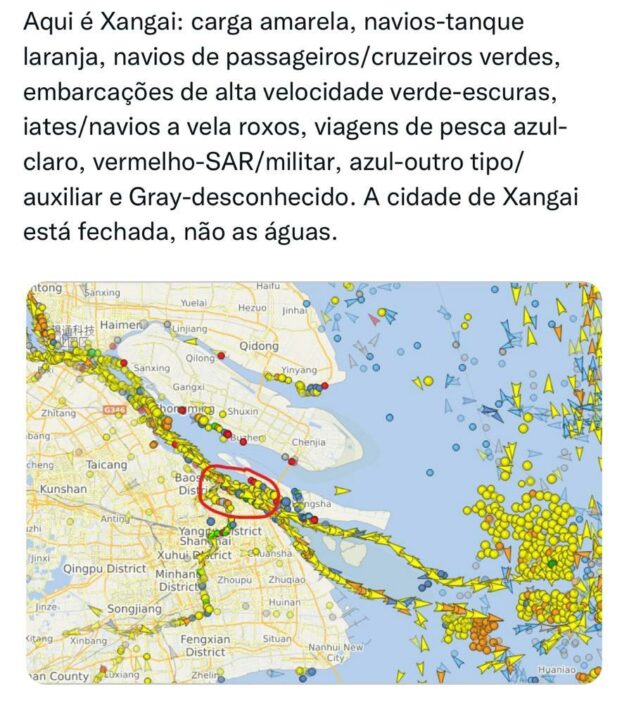
The chaos in freight transport is one of the main reasons for high prices in several countries, considering that it reduces the supply of products while demand does not end.
According to Rodrigo Zeidan, a finance and economics professor at NUI Shanghai, despite the port not being closed due to the lockdown, the restrictions imposed by the China prevent 90% of trucks that deliver goods to the site. Thus, the limited logistics prevent goods from being sent abroad.
-
A fine of R$ 115 thousand places Goodyear at the center of an environmental case in Americana after oil and grease appeared in a stream and the company was required to act quickly.

-
A fine of R$ 115 thousand puts Goodyear at the center of an environmental case in Americana after oil and grease appeared in a stream and the company was forced to act quickly.

-
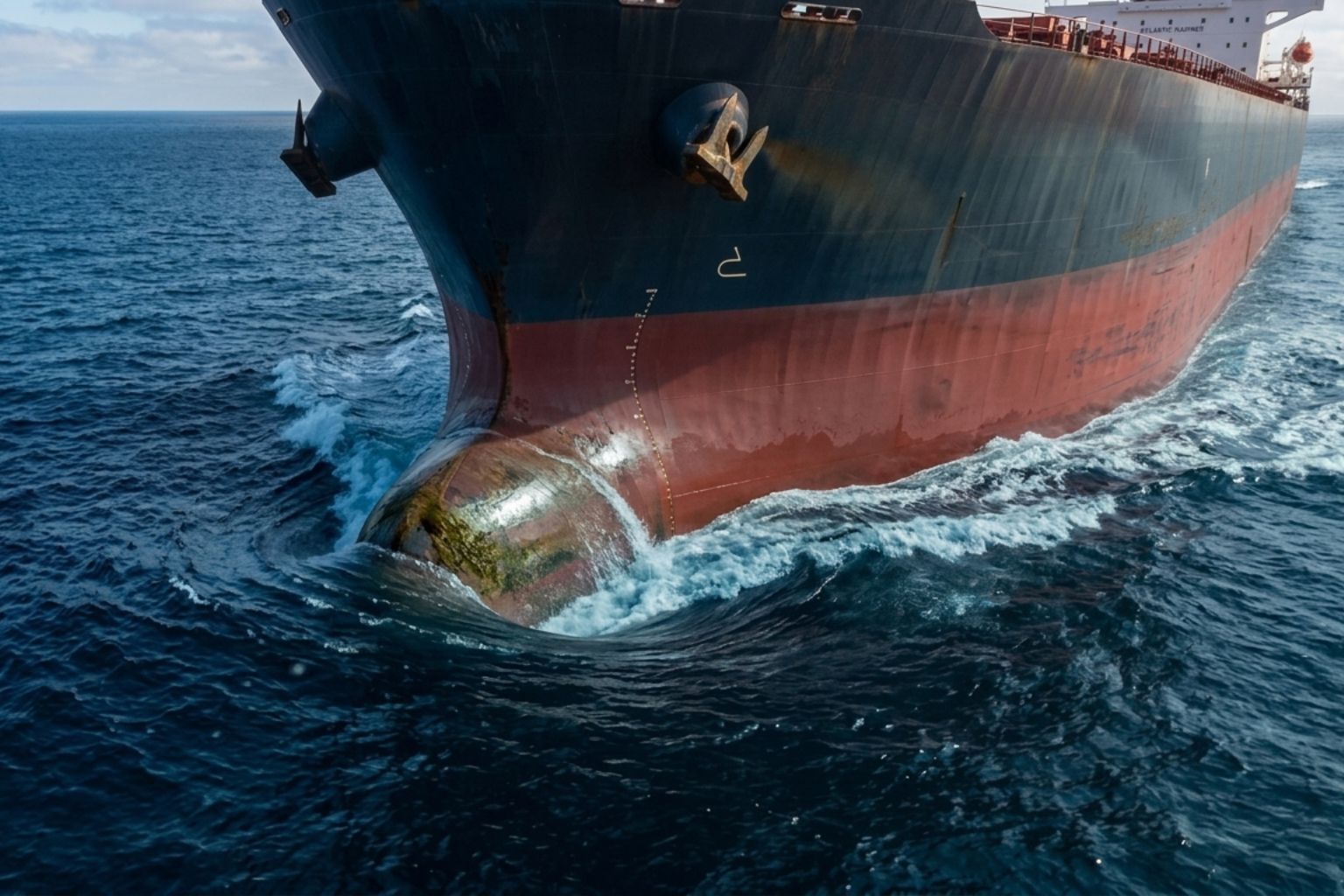
A hidden metal piece in the bow redesigns the water flow, reduces drag, and can save over 10,000 tons of fuel per year; this invisible solution allows giant ships to cut millions in costs without changing engines or routes.
-
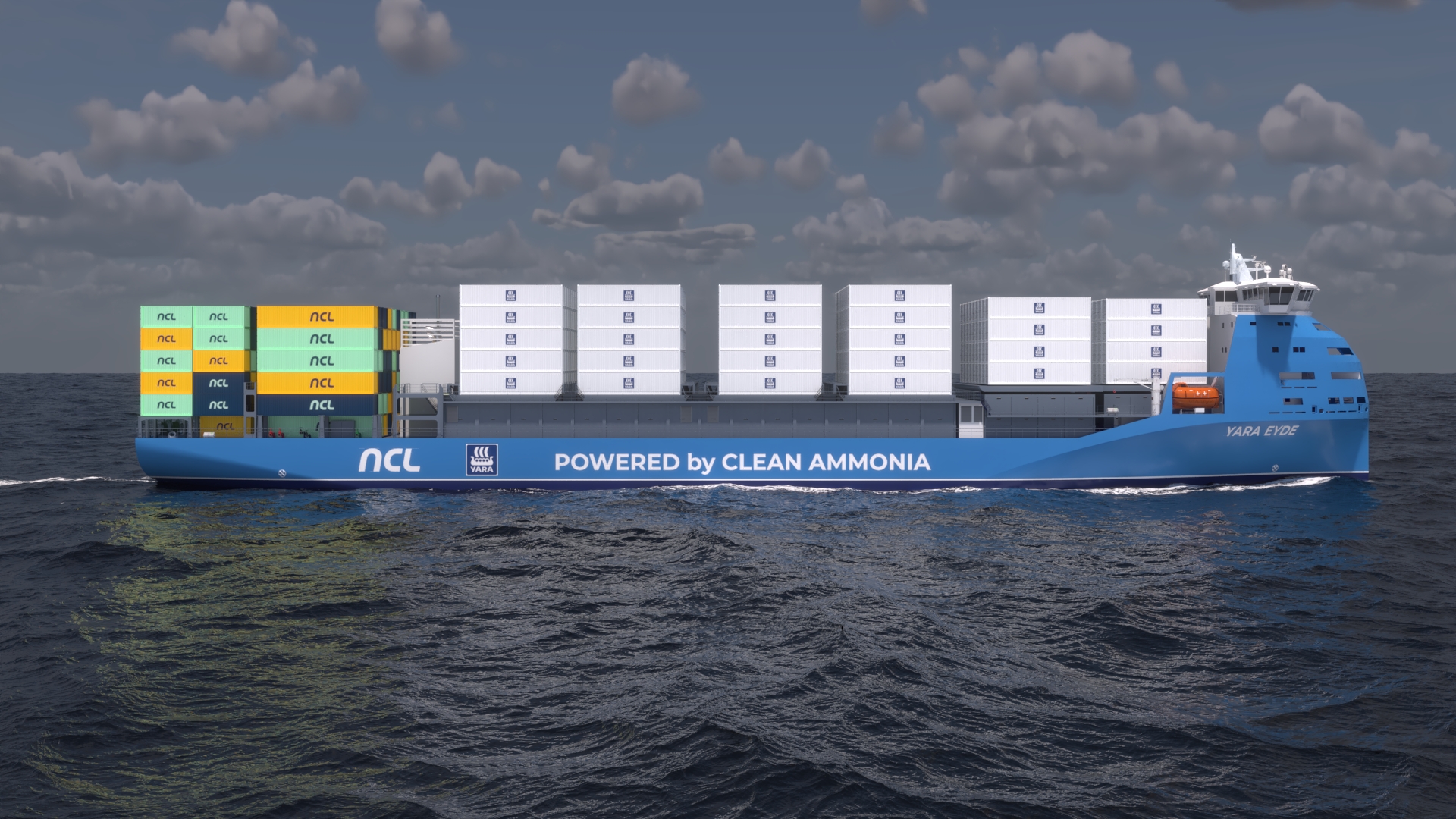
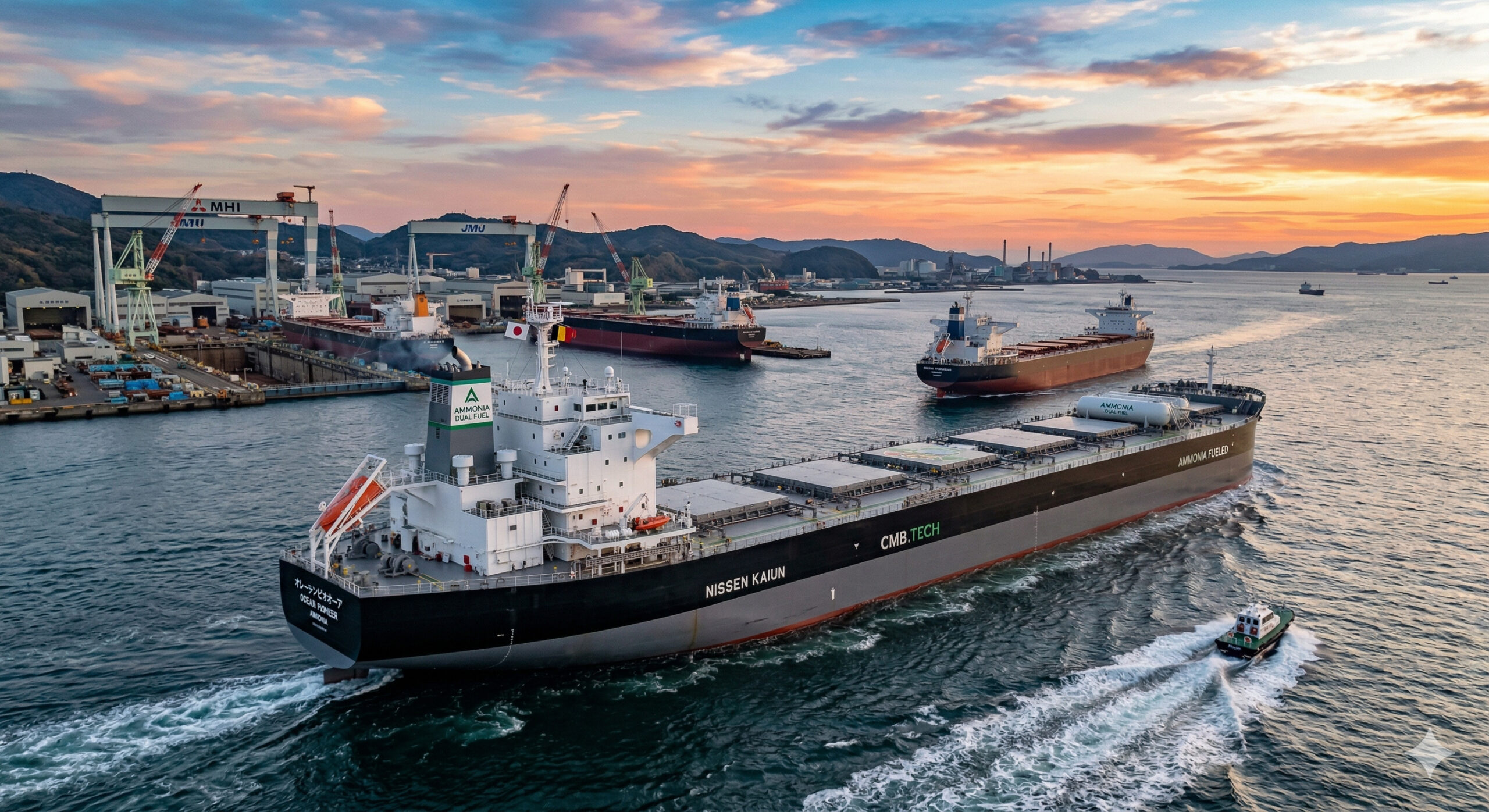
The world’s first container ship powered by renewable ammonia promises to avoid around 11,000 tons of CO₂ per year. The vessel, scheduled to operate in 2026, will connect Norway, Germany, and the Netherlands on one of the shortest and most strategic routes in Europe.
As a result, many ships end up anchored at the Port of Shanghai waiting their turn to load goods or deliver to Chinese buyers. The outcome is that shipping companies are leaving the largest port in the world and heading to the next stop, often within China itself. The port is operating at half capacity, and the consequences of this can be seen in satellite images tracking the ships.
What Are The Impacts Of The Lockdown At The Port Of Shanghai?


A delayed effect bomb is being set up in the container market, expected to explode in June or July in various markets worldwide. Much of the cargo from ships does not leave the largest port in the world, and the other does not reach mainland China.
If this effect continues and authorities do not allow ships to resume activities, the global cargo market will stall, and it will not be like during the pandemic when the economy ground to a halt, and millions of cargo containers were spread out.
At the end of last year, this wheel began to turn again, and the price of container rentals dropped drastically. But with the lockdown, it has risen again, and since there are no good news about the epidemic in the municipalities, fear has already spread among the shipping giants.
UBS Lowers China’s GDP Projection
Warnings are emerging about the severity of the situation and the fact that possible consequences have not yet been incorporated into the calculations of global GDP growth by a large number of economists, who still view the rise as temporary, generating a major scare ahead. However, some have already jumped ahead on the matter, and it is known that the first economy to be hit will be China’s own.
UBS, the Swiss bank, has lowered its GDP growth estimate for China from 5% to 4.2% this year. An effect that distancing measures, such as the lockdown, should have on economic growth.
The reasons for the fear of a lockdown in China in the transport sector are also linked to the upcoming presidential elections. China will choose a new president in 2022, and it seems clear that leader Xi Jinping will be re-elected for his third term.









Seja o primeiro a reagir!