





 Portuguese
  English
  Spanish
  6 min of reading
  0 comments


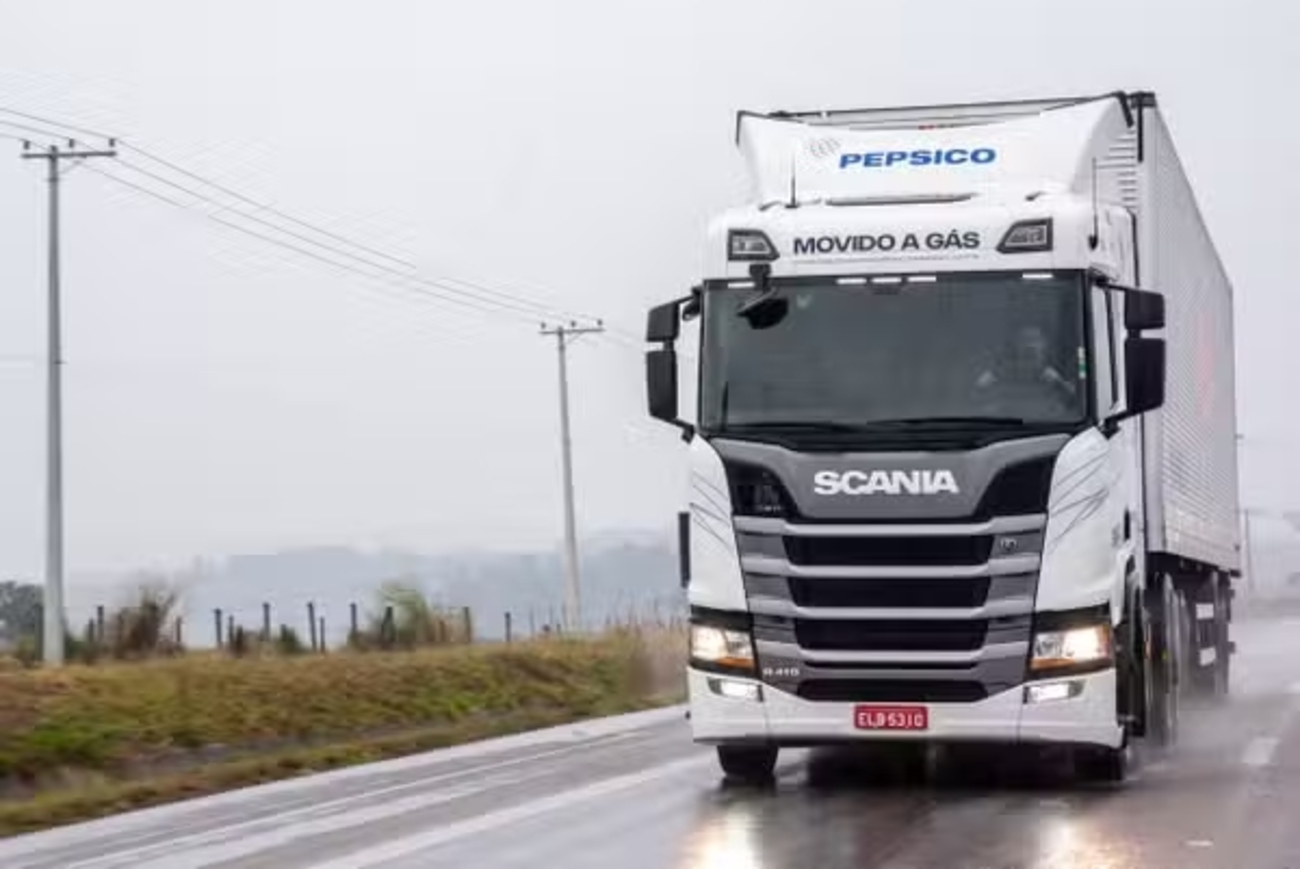
Augusta Transport consolidates its decarbonization strategy by acquiring modern natural gas-powered trucks, ensuring a cleaner and more efficient logistics operation for cargo transport across Brazil.
Augusta Transport has initiated a new cycle of investments focused on energy transition with the acquisition of natural gas-powered trucks to enhance its main fleet.
The company aims to drastically reduce pollutant emissions and the environmental impact of its road operations by replacing traditional diesel with Compressed Natural Gas (CNG). This strategic decision places the transport company at the forefront of sustainable logistics, meeting the growing demands of large shippers seeking partners with a low carbon footprint.
The new vehicles offer a reduction of up to 20% in carbon emissions and nearly eliminate the dispersion of particulate matter into the atmosphere. In addition to the environmental gain, Augusta projects significant savings in fuel costs, as gas has greater price stability compared to oil.
-
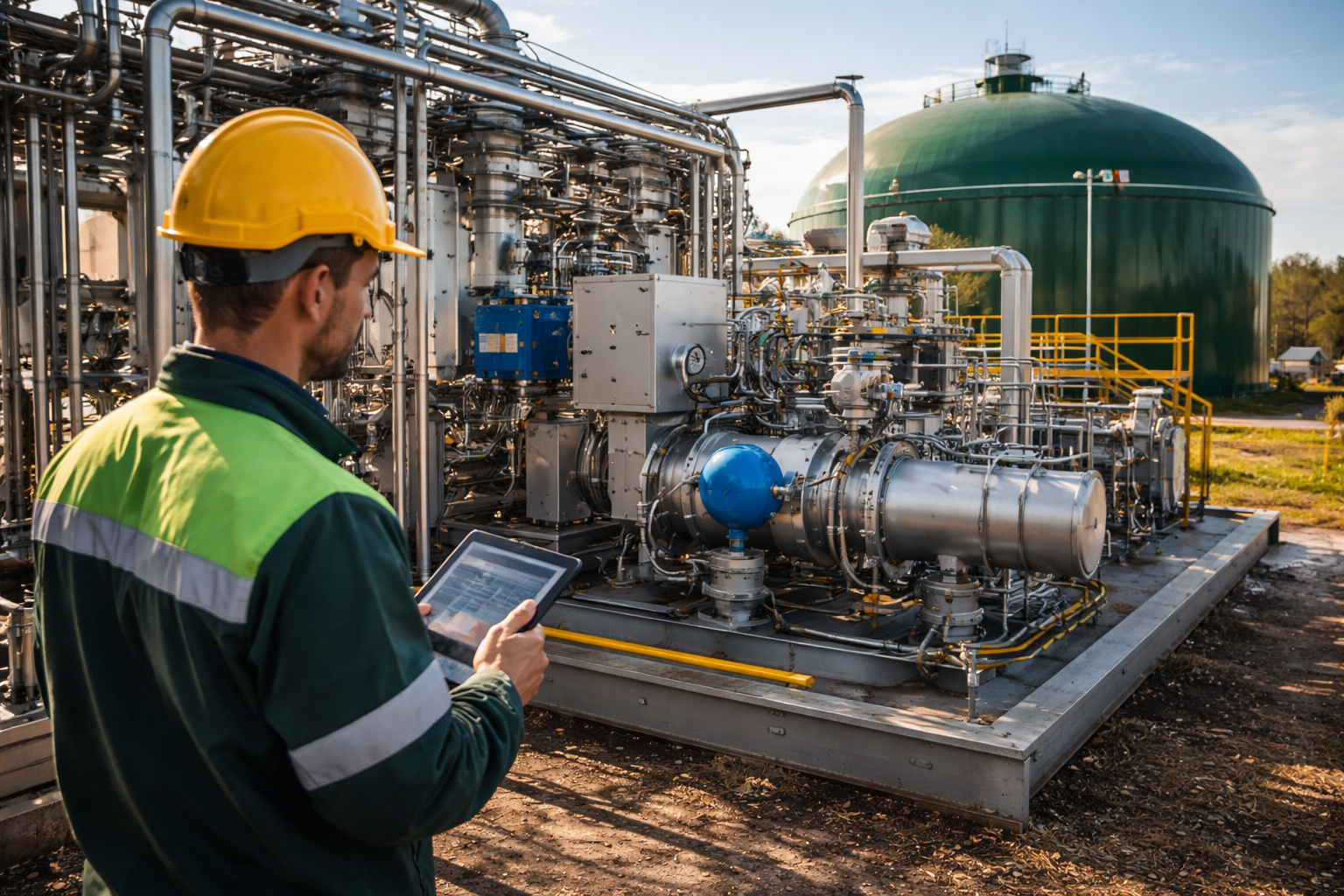
MAT Records Historic High in 2025 with Gas Compression System Installations Driven by the Advancement of Biogas in Brazil
-
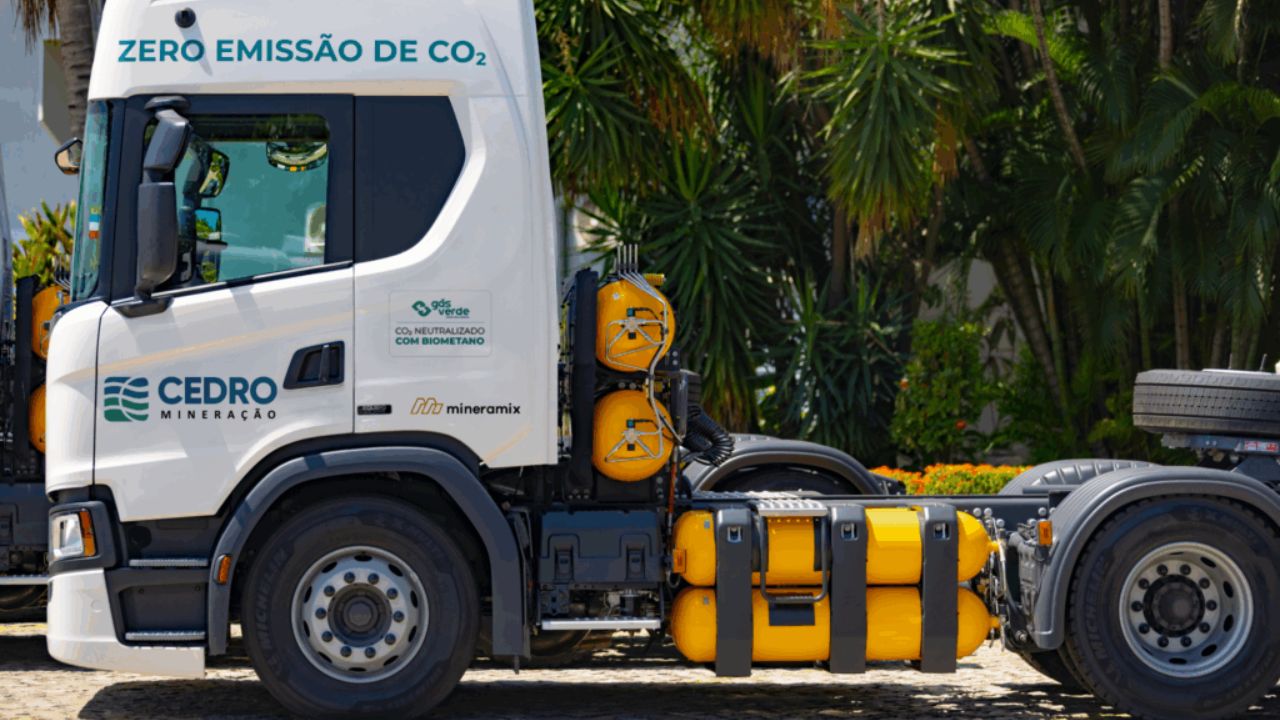
Cedro Mining and Green Gas Launch Decarbonization Pilot Project: Substituting Diesel with Natural Gas in Iron Ore Logistics in Minas Gerais
-
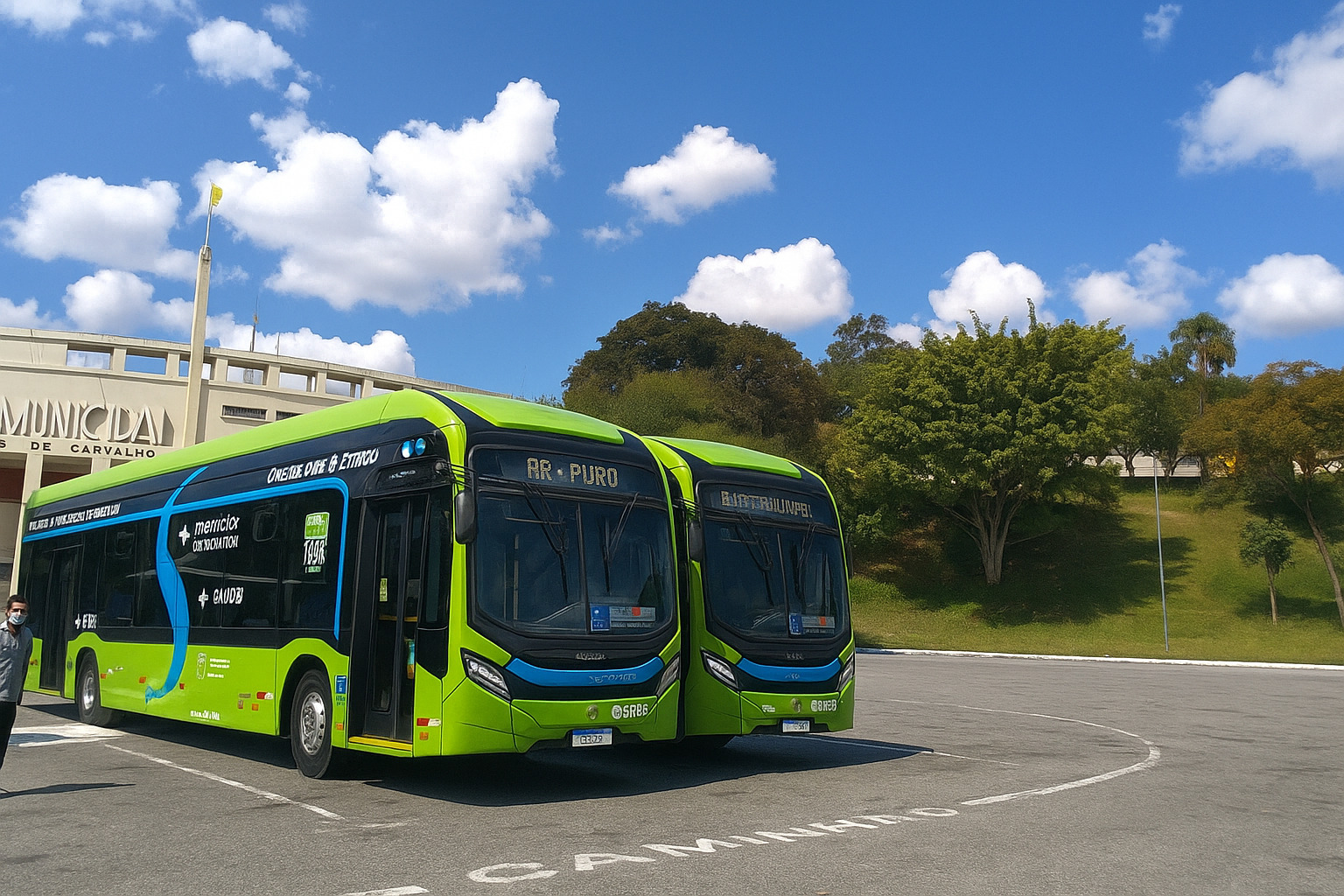
São Paulo City Hall Considers Using Biomethane After Blaming Electric Bus Delay on Enel
-
Reiter Log Group Invests In Biomethane Plant To Supply Fleet
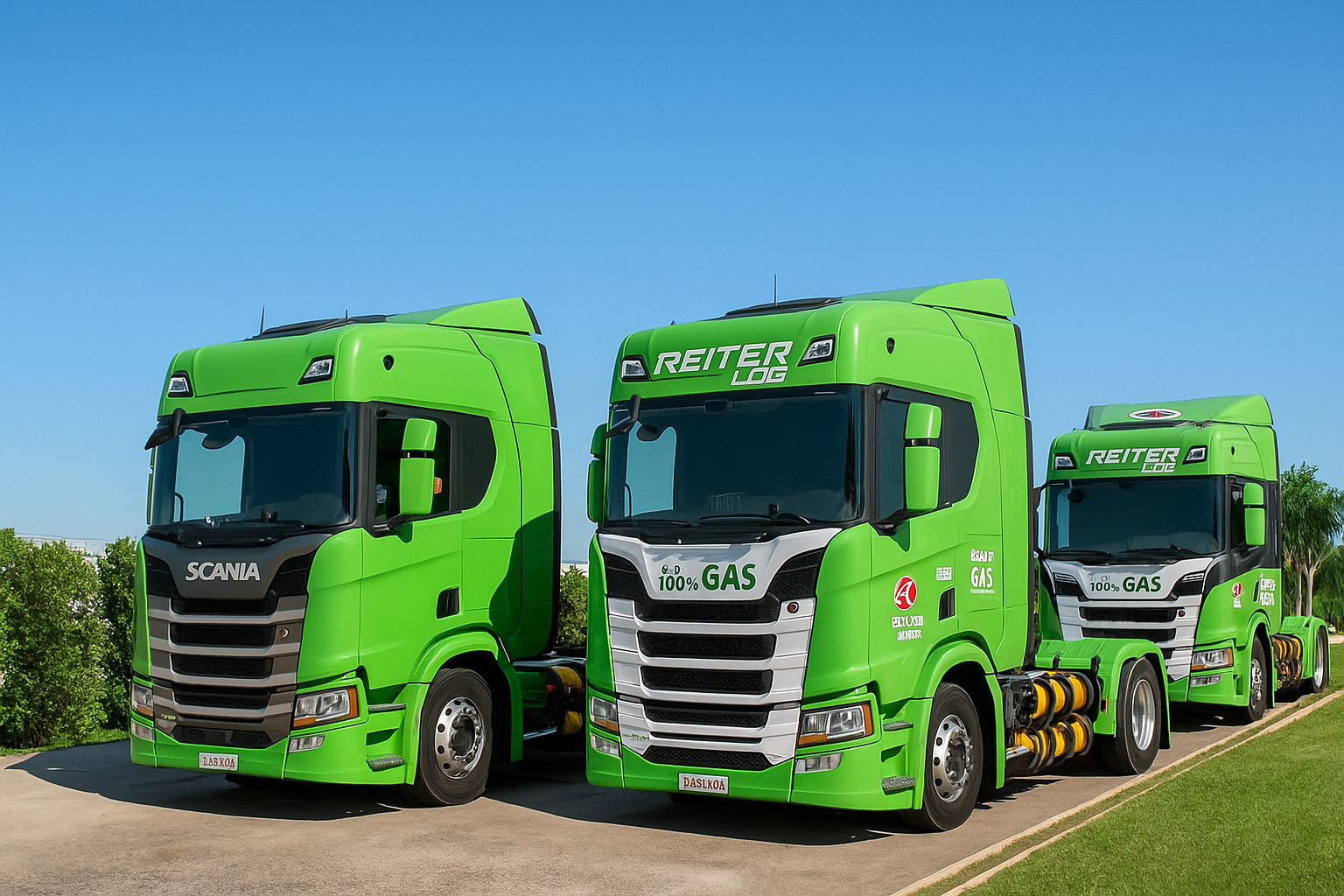
This initiative demonstrates that economic viability and environmental preservation go hand in hand in the transportation sector, transforming the reality of Brazilian roads with cutting-edge technology and alternative fuels.
The advancement of gas technology in heavy transport
The road freight transport sector faces the constant challenge of finding viable alternatives to diesel fuel. Augusta Transport has identified natural gas-powered trucks as the ideal solution to maintain the necessary performance over long distances without compromising sustainability goals.
The current models use Otto cycle engines, specifically designed for gas combustion, ensuring high torque and low noise levels.
Many drivers and fleet owners still have doubts about the power of these trucks on inclines or with maximum loads. However, practical tests conducted by the transport company prove that modern vehicles deliver the same power as their diesel counterparts.
The difference lies in the smoothness of driving and the absence of the characteristic black smoke from older exhaust systems. This technological investment raises the fleet standard and attracts professionals looking to work with more modern and comfortable equipment.
The silence that makes a difference on the roads
One of the most surprising features of natural gas-powered trucks is the reduction of noise pollution. These engines operate much more quietly than diesel engines. This advantage allows vehicles to circulate in urban areas or make nighttime deliveries with less disturbance to city residents.

For the truck driver, the low noise level inside the cabin reduces fatigue at the end of a workday. The decrease in engine vibration also contributes to a less stressful driving experience.
Augusta Transport invests not only in environmental sustainability but also in the quality of life of its employees, recognizing that the well-being of the driver is essential for road safety and the efficiency of the service provided.
Economic impact: The stability of CNG compared to diesel
The price of diesel experiences frequent fluctuations due to the volatility of the international oil market and currency exchange rate variations. This uncertainty complicates financial planning for logistics companies.
By opting for natural gas-powered trucks, Augusta Transport gains much greater cost predictability. Natural gas thus has a more stable supply chain and long-term supply contracts.
The savings in refueling directly reflect on the final freight price. The transport company’s clients benefit from more competitive costs, strengthening the commercial partnership. Additionally, the maintenance of these vehicles is often simpler in some aspects, as gas is a cleaner fuel and leaves less residue in the injection system and engine cylinders.
The return on investment (ROI) occurs rapidly, justifying the higher initial outlay for purchasing the trucks.
Sustainability as a competitive differentiator in the market
Large global consumer and retail companies have strict ESG (Environmental, Social, and Corporate Governance) goals. These corporations prioritize transport companies that offer green transport solutions. The investment in natural gas-powered trucks serves as a passport for Augusta Transport to secure exclusive contracts with these large shippers.
The company no longer sells just transportation services but delivers a low-carbon logistics solution. Every kilometer traveled with natural gas earns valuable points in the sustainability reports of clients.
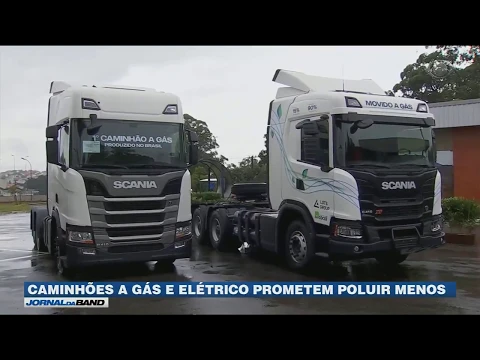

This strategy differentiates Augusta from traditional competitors and ensures the long-term sustainability of the business in a world that increasingly penalizes excessive greenhouse gas emissions.
The expansion of gas refueling infrastructure in Brazil
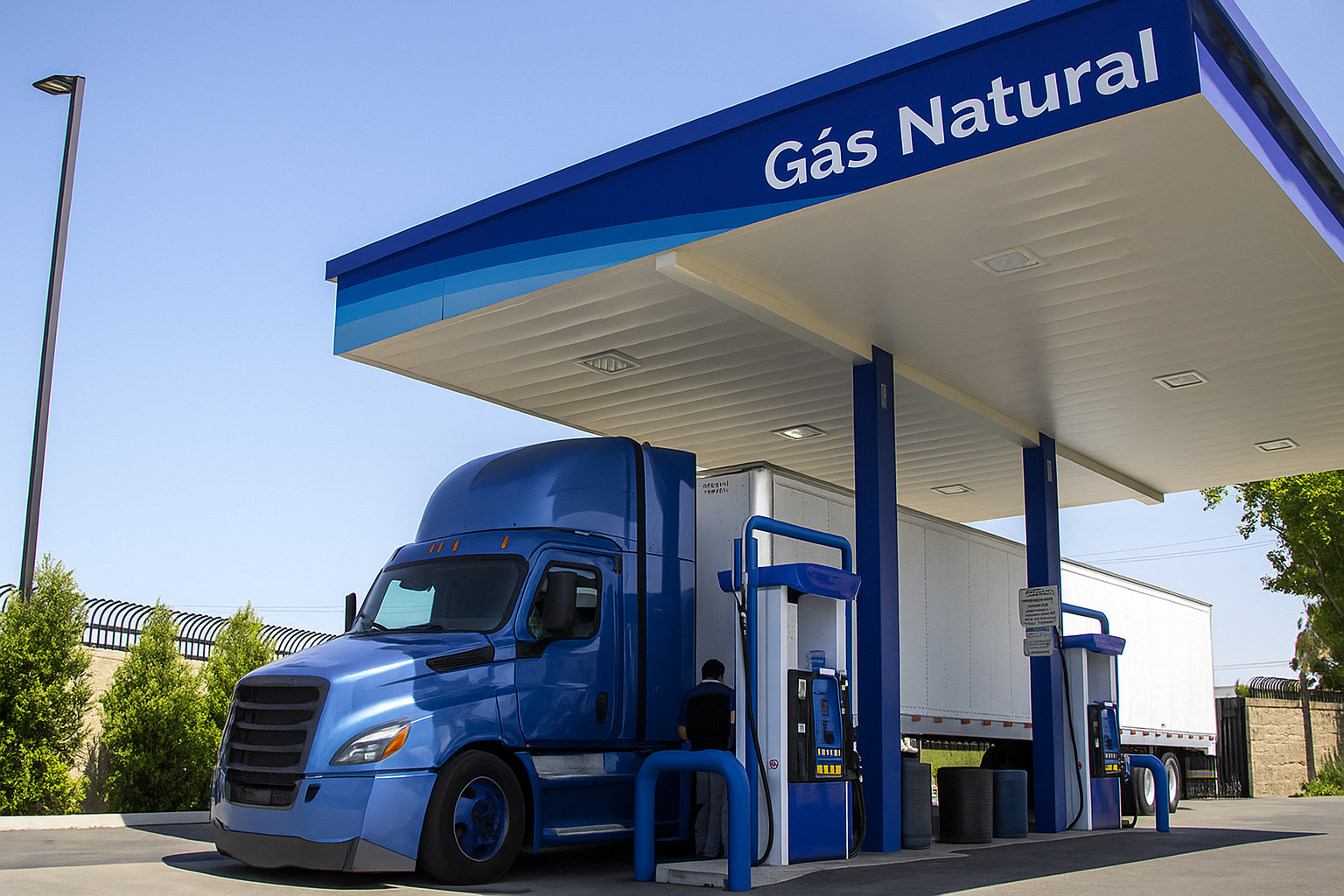
One of the main barriers to the mass adoption of natural gas-powered trucks was the lack of specialized fueling stations along highways. However, this scenario is changing rapidly. The “Blue Corridor,” a network of CNG stations connecting the main regions of the country, is growing every month. Augusta Transport maps these routes to ensure that its new trucks never run out of fuel.
The transport company’s investment encourages gas station owners to install high-flow nozzles to serve trucks. This movement creates a virtuous circle: the more gas trucks on the roads, the larger the refueling network; and the larger the network, the more transport companies switch to alternative fuel.
Brazil has vast reserves of natural gas, especially in the pre-salt layer, ensuring the supply of this resource for the coming decades.
Performance over long distances: Autonomy and efficiency
The new natural gas-powered trucks from Augusta Transport have high-capacity tanks that allow for impressive autonomy. Depending on the configuration, the vehicle can travel hundreds of kilometers on a single refueling. This effectively resolves the issue of interstate routes, where stopping points are more spaced out.
The onboard technology helps the driver optimize fuel consumption. Telemetry systems monitor engine performance and suggest more efficient gear shifts and accelerations.
The truck “communicates” with the transport company’s central system, providing real-time data on fuel economy and emission reductions. This data-driven management allows Augusta to adjust its operations to extract maximum efficiency from each cubic meter of gas used.
The role of biomethane in the future of the transport company
Although current vehicles operate on fossil natural gas, they are 100% ready to use biomethane. Biomethane is gas generated from organic waste, such as food scraps or animal waste.
This is a renewable fuel with a negative carbon footprint in some cases. By investing in natural gas-powered trucks, Augusta Transport is paving the way for the use of this fuel of the future.
The transition from CNG to biomethane does not require any modifications to the engines. It is simply a matter of changing the fuel source. This means that the transport company already has the necessary technology to achieve carbon neutrality as soon as the supply of biomethane scales in the Brazilian market.

This is a forward-looking investment, protecting the company against future regulatory changes that may further restrict the use of fossil fuels.
Safety and training: Empowering the team for the new fuel
The introduction of natural gas-powered trucks requires specific training for drivers and maintenance staff. Augusta Transport dedicates hours of technical instruction to ensure that everyone operates the new system safely. Refueling gas follows different protocols than diesel, requiring attention to hose pressures and connections.
Drivers learn to identify the operational signals of the gas engine and to better utilize the engine brake, which has unique characteristics in these models.
Safety is a non-negotiable pillar at the transport company, and gas trucks undergo rigorous inspections to ensure the integrity of the cylinders and fuel lines. This care reinforces the company’s culture of excellence and ensures the reliability of deliveries to clients.
Natural gas-powered trucks are already a reality at Augusta
Augusta’s investment in natural gas-powered trucks marks a turning point in the company’s history. The initiative proves that the logistics sector has real tools to contribute to the preservation of the planet without losing economic competitiveness.
By adopting gas, the company reduces its dependence on oil, improves air quality, and offers a differentiated and modern transport service.
Brazilian roads are beginning to see a quieter, cleaner, and more technological fleet. Augusta Transport’s example serves as inspiration for other companies in the sector that still hesitate to begin the energy transition.
The success of this project demonstrates that innovation is the necessary fuel to drive Brazil towards sustainable, efficient, and responsible development for future generations.







Seja o primeiro a reagir!