





 Portuguese
  English
  Spanish
  3 min of reading
  0 comments


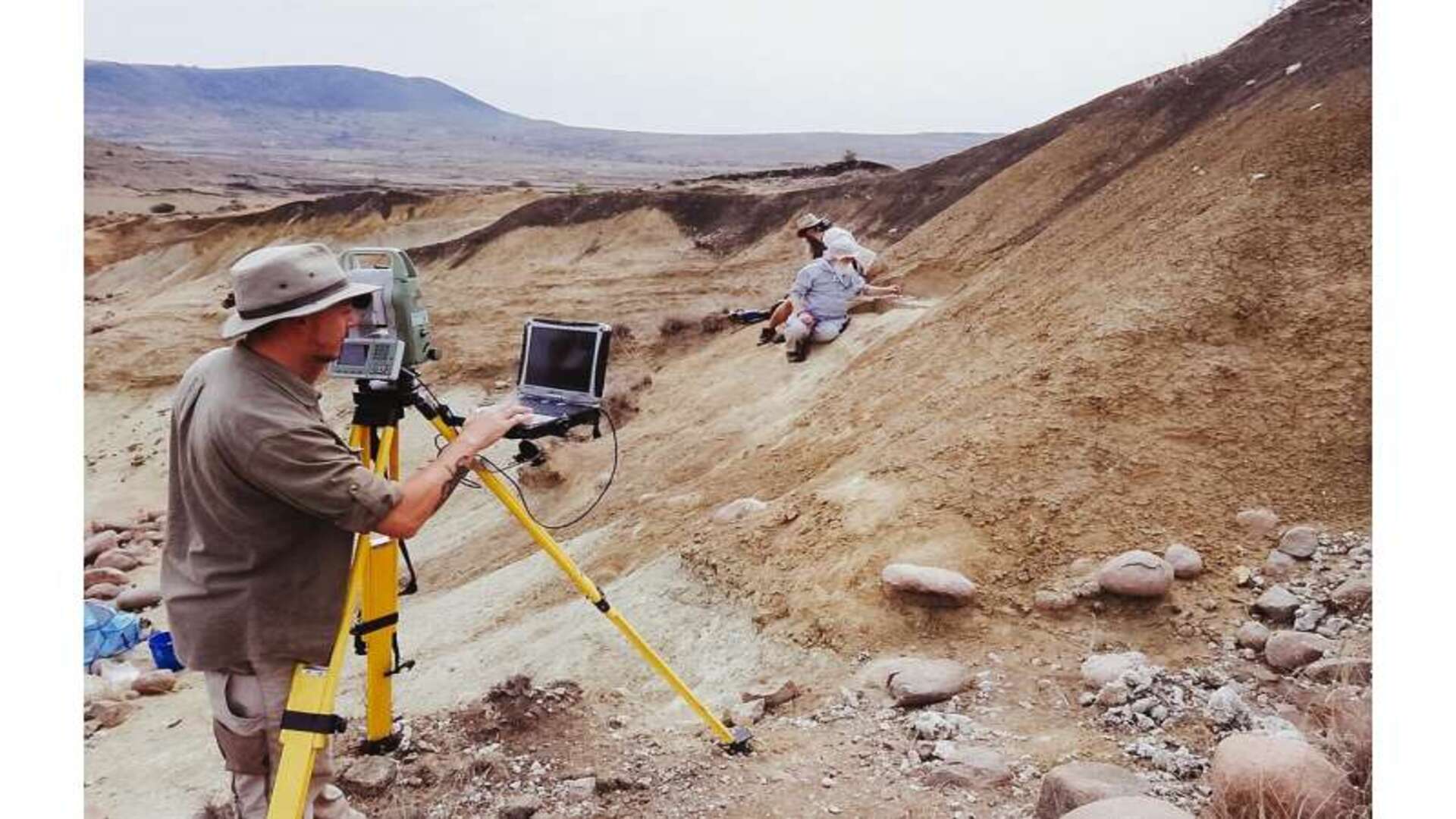
Mineral extraction activity reveals advanced social organization in prehistory. The use of mining techniques to obtain high-quality raw materials demonstrates that hominids had planning and deep geological knowledge.
The extraction of rocks by groups of hominids in South Africa occurred systematically at least 220,000 years ago, revealing advanced technical organization for the period.
New archaeological evidence indicates that the first humans not only collected loose stones on the surface but also engaged in rudimentary mining activities to obtain high-quality raw materials.
This discovery pushes back the timeline of complex behaviors associated with the management of natural resources in the region, consolidating the importance of the investigated archaeological site.
-
Few people know, but the most used pencil in the world is manufactured using extreme heat, the extraction of graphite from deposits millions of years old, a mixture of clay and water, followed by extrusion under nearly 10 tons of pressure and drying in an oven at 120 degrees.

-
European country ‘darling of Brazilians’ will need 1.3 million workers by 2030 to avoid collapse, and immigration has become the only way to save the economy.

-
The government allows the new ID to be requested on a mobile phone and delivered at home.

-
Millions of PET bottles are turning into clothing around the world, and tons of recycled polyester are revolutionizing the fashion industry, with brands like Adidas, Nike, Zara, and Shein already incorporating it into their collections.

The complexity of mining in prehistory
Excavations conducted at an ancient quarry demonstrated that the first humans selected specific types of rock based on their fracture properties and durability.
The process involved the deliberate removal of surface layers to access protected and less weathered stone nodules.
This activity required planning that goes beyond simple opportunistic collection, suggesting that knowledge about the local geology was passed down through generations of hunter-gatherers.
The marks found on the stone deposits confirm the use of percussion tools to extract larger blocks that would later be transformed into cutting instruments.
The physical effort and coordination required to carry out this extraction indicate that mining was an activity integrated into the survival economy.
The choice of quarry location was not random, evidencing that these groups had a mental mapping of the territory to locate the best available resources.
Technology innovation and stone tools
The analysis of the recovered artifacts shows that the first humans used sophisticated flaking techniques to shape the extracted rocks.
The transition to quarry mining allowed for the production of more standardized and effective tools, essential for food processing and hunting.
Researchers identified that the quality of the material obtained directly from the parent rock was superior to the stones found in riverbeds, which justified the intensive excavation work.
This technological behavior reflects a stage of cognitive development where the anticipation of future needs shaped the daily lives of populations.
By investing time in the extraction of raw materials, these groups demonstrated a deep understanding of the physical properties of the materials around them.
The standardization of extraction methods suggests that there was an established technique, reinforcing the idea that mining was a socially organized and deliberate practice.
The impact of discoveries on human chronology
The dating of 220,000 years places the stone extraction activity in a temporal context where the skills of the first humans are still being reevaluated by science.
The site in South Africa serves as a landmark for understanding how interaction with the physical environment evolved from passive dependence to active modification of the landscape.
The ability to transform the surroundings to extract mineral resources is one of the pillars that define the cultural and technological evolution of the human species.
The persistence of these practices over millennia indicates that rudimentary mining was a successful strategy for facing the environmental challenges of the time.
The study reinforces that southern Africa was a crucial center of innovation, where the development of complex tools was directly linked to access to good materials.
The legacy left by these ancient miners offers a new perspective on the technical sophistication and resilience demonstrated by the first humans in their process of adaptation and mastery of stone tools.
Click here to access the study.









Seja o primeiro a reagir!