






 Portuguese
  Spanish
  3 min of reading
  0 comments


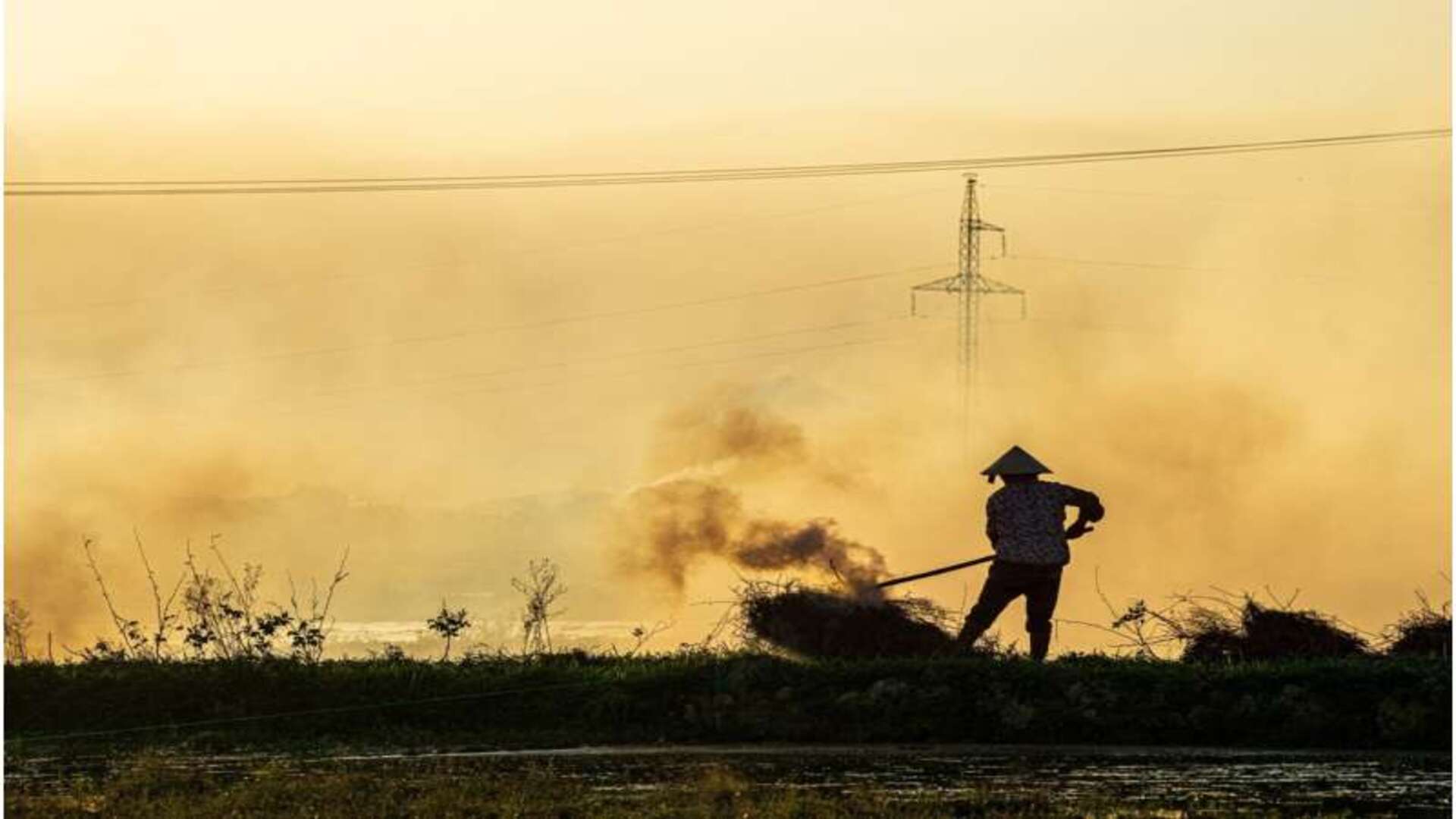
Climate projections indicate a future of severe water and thermal stress. Scientific simulations reveal that the combination of lack of rain and record temperatures will stop being an occasional event to become a recurring crisis in large parts of the Earth.
The projected climate changes for the coming decades indicate that the simultaneous occurrence of extreme heat and drought waves is expected to intensify severely in various regions of the planet.
According to a recent study, approximately 28% of the world’s population may face these combined events with a frequency five times greater by the end of the 21st century.
The research warns that the increase in global temperatures exacerbates evaporation, reducing soil moisture and creating conditions conducive to recurring natural disasters.
-
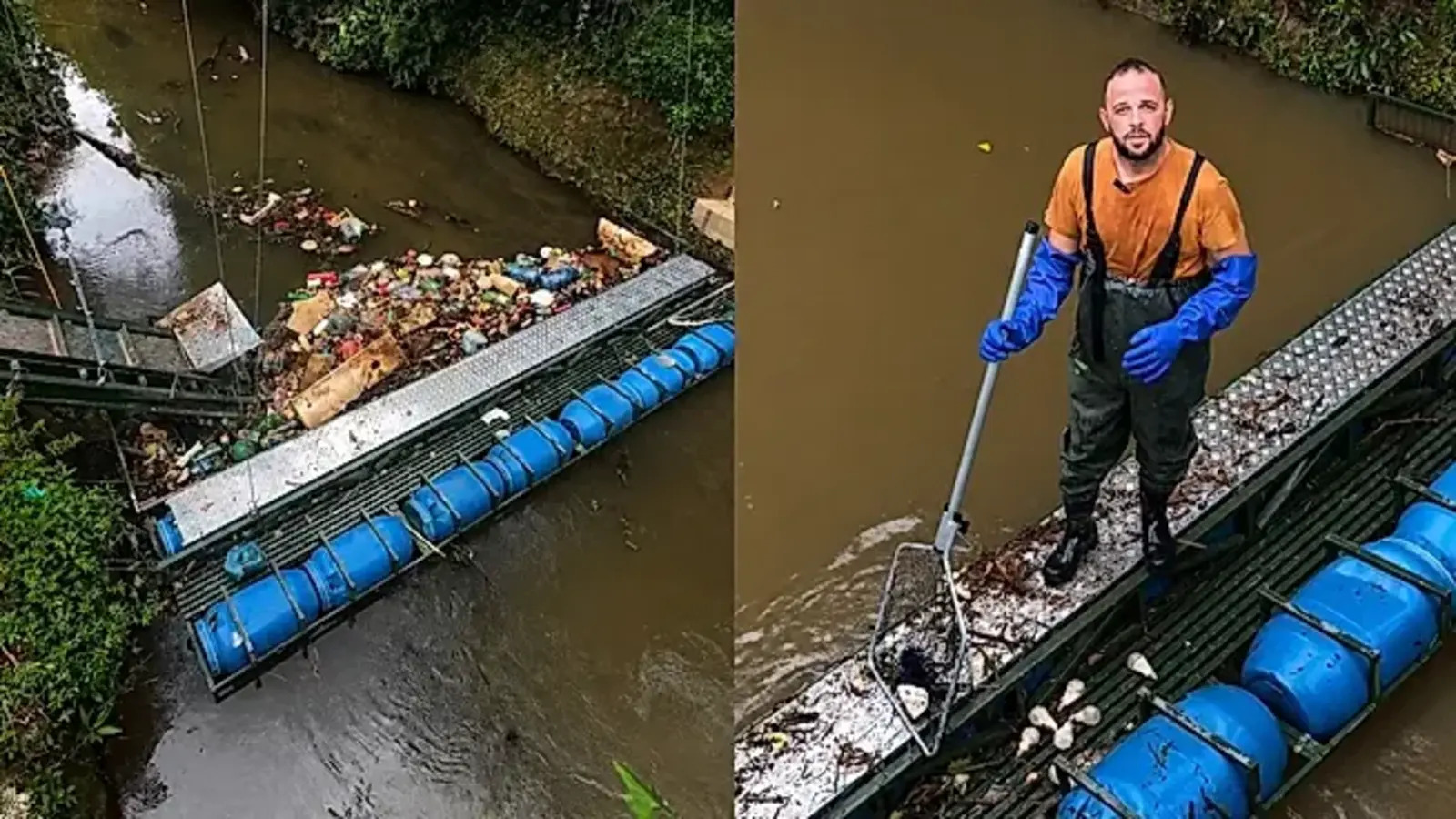
Brazilian promises his children to save a river, creates an eco-barrier in his backyard, has already removed more than 40 tons of trash from the water, and even inspires the idea in other states of the country.

-
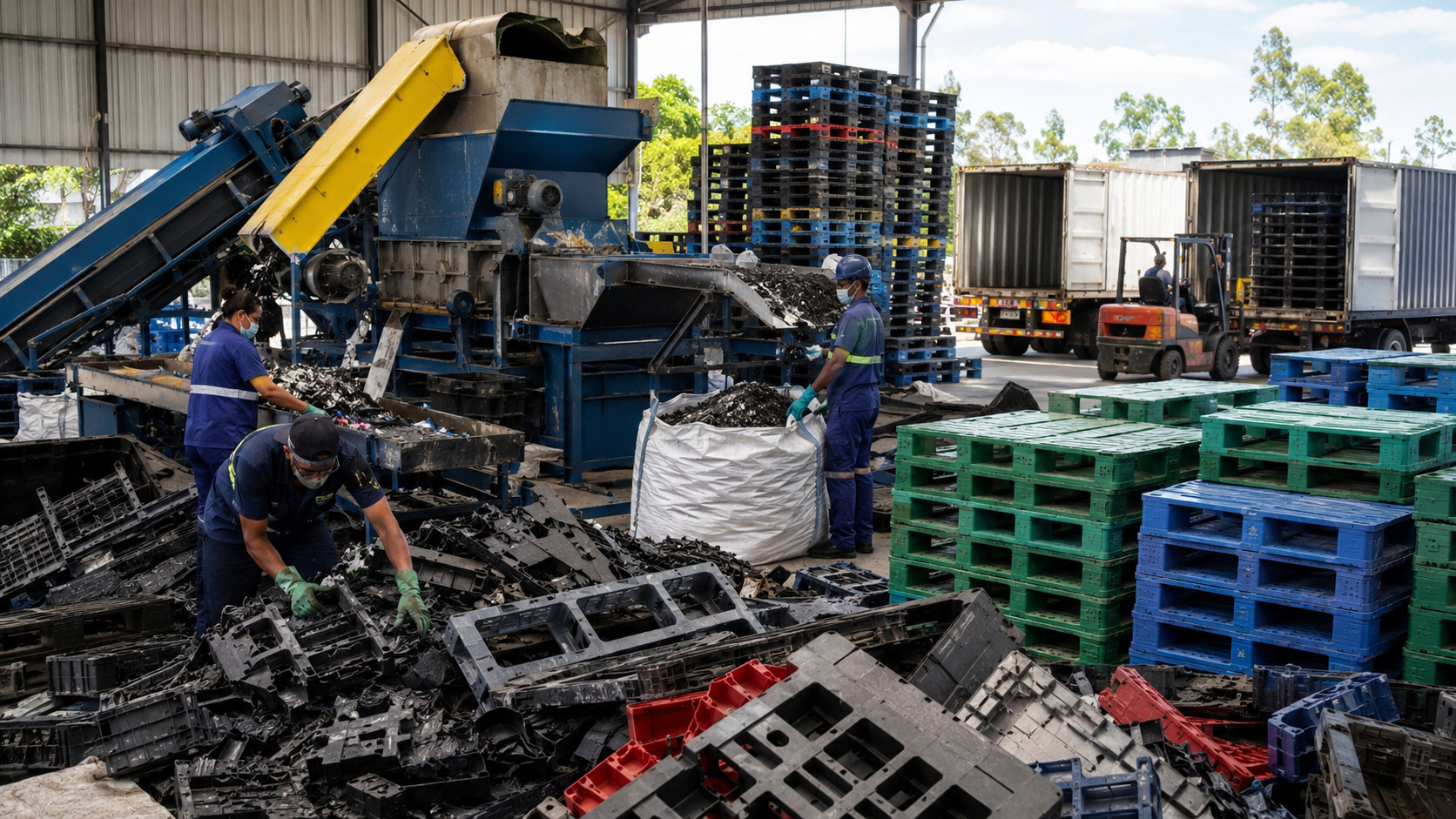
How a Brazilian company created a system that transforms broken pallets of any brand into new assets, recycles 80 tons of plastic per month, and found a profitable solution to a problem that challenges industries across the country.

-
Invasive bullfrog capable of devouring other amphibians and laying up to 20,000 eggs is found in Florianópolis, raising an alert about the threat to native fauna.
-
It looks like a baby, but it’s an adult: meet the Bornean pygmy elephant, the smallest elephant in the world threatened by habitat loss.


The accelerated frequency of extreme climate events
The projection model used by researchers indicates that, under a high greenhouse gas emissions scenario, the interval between these phenomena will be drastically reduced.
Currently, the impact of extreme heat and drought waves is already affecting agriculture and water supply in vulnerable areas, but the future scale is unprecedented.
It is estimated that the population exposed to these risks will grow disproportionately in developing countries, where adaptation infrastructure is still limited.
The survey details that the increase in the frequency of these events will not be uniform, concentrating on specific latitudes that already suffer from water stress.
Areas that currently experience such conditions once every ten years may face them every two years.
This acceleration compromises the recovery capacity of ecosystems and food production, generating a cycle of environmental degradation that is difficult to reverse.
Population and social impacts by the end of the century
The research highlights that more than a quarter of humanity will live under the constant threat of extreme heat and drought waves by the year 2100.
This population contingent will face challenges that go beyond thermal discomfort, directly affecting public health and the economic stability of nations.
The study emphasizes that the coincidence of low humidity and extreme heat significantly raises the risks of wildfires and failures in essential crops for subsistence.
The data shows that the overlap of these two phenomena is much more dangerous than when they occur in isolation.
When extreme heat settles on soil already dried out by lack of rain, natural cooling through evapotranspiration is interrupted, further raising local temperatures.
This feedback effect is one of the main reasons for the severity of the forecasts presented in the scientific report.
Global challenges for risk mitigation
The mitigation of the effects of extreme heat and drought waves directly depends on meeting global carbon reduction targets to avoid the most pessimistic scenarios.
Scientists emphasize that, without a structural change in emissions, peaks of extreme heat will become the new normal for billions of people.
Water resource management and the creation of early warning systems are cited as urgent measures to protect the 28% of the population at risk.
The analysis concludes that the resilience of cities and rural areas will be tested as these events become more common and prolonged.
Adaptation strategies need to consider the compounded nature of these disasters, which require integrated solutions for water and energy simultaneously.
Continuous monitoring of temperature variations and rainfall indices remains the essential tool for planning the coming decades in the face of extreme heat and drought waves.
Click here to access the study.







Be the first to react!