





 Portuguese
  English
  Spanish
  5 min of reading
  0 comments


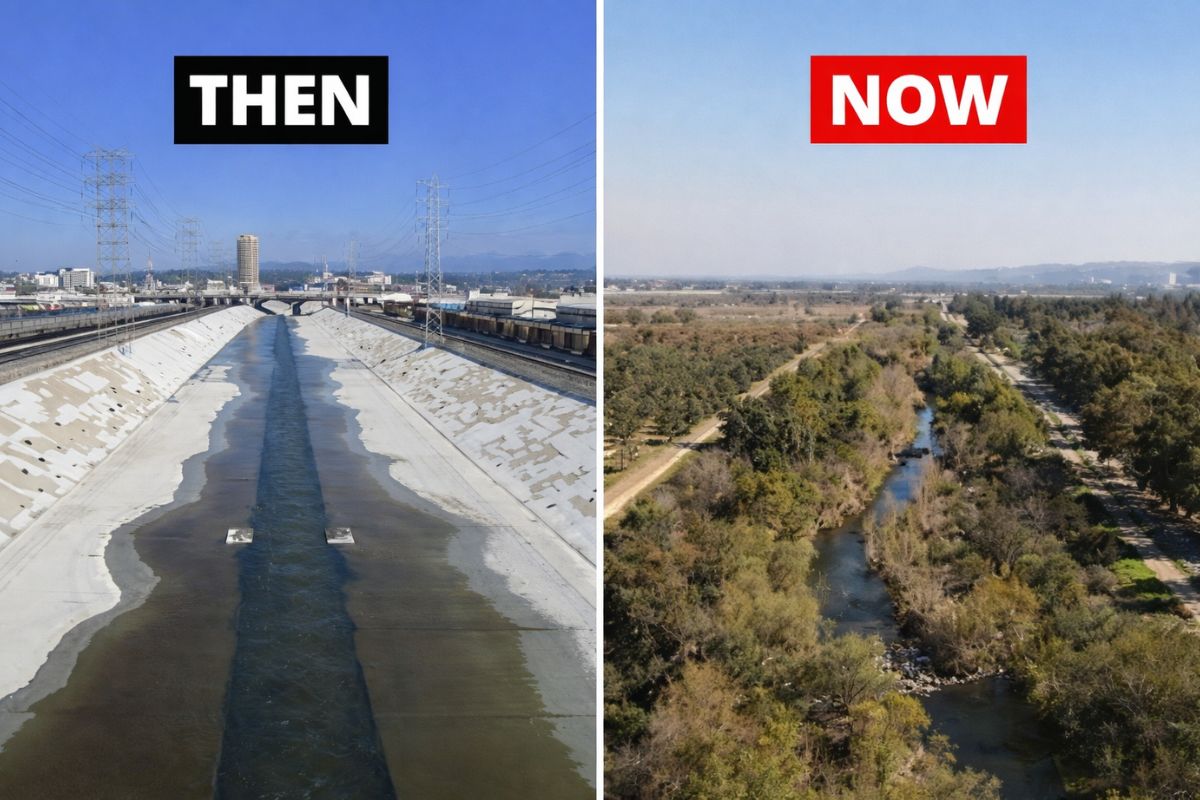
Los Angeles Is Transforming An Old Concrete Channel Into A Living River, Creating Wild Parks, Reviving Nearly Extinct Fish, And Capturing Millions Of Gallons Of Rainwater In The Desert Region.
For decades, Los Angeles has grown anchored in a gigantic water system, importing water from distant rivers while paving everything around it. The most populous city in California, with a Mediterranean climate and increasingly intense droughts, has seen rain flow over the concrete straight to the ocean. Now, an ambitious project begins to rewrite this story by turning the old concrete channel into a living river, returning water, nature, and quality of life to the communities.
By restoring the Los Angeles River with nature-based solutions, the city creates parks, wetlands, trails, and habitats for fish and birds, while filtering rainwater and recharging aquifers.
What was once just drainage and flood control infrastructure is turning into an ecological backbone in the urban heart. This transformation shows that even a megacity in the desert can recover rivers and build water security.
-
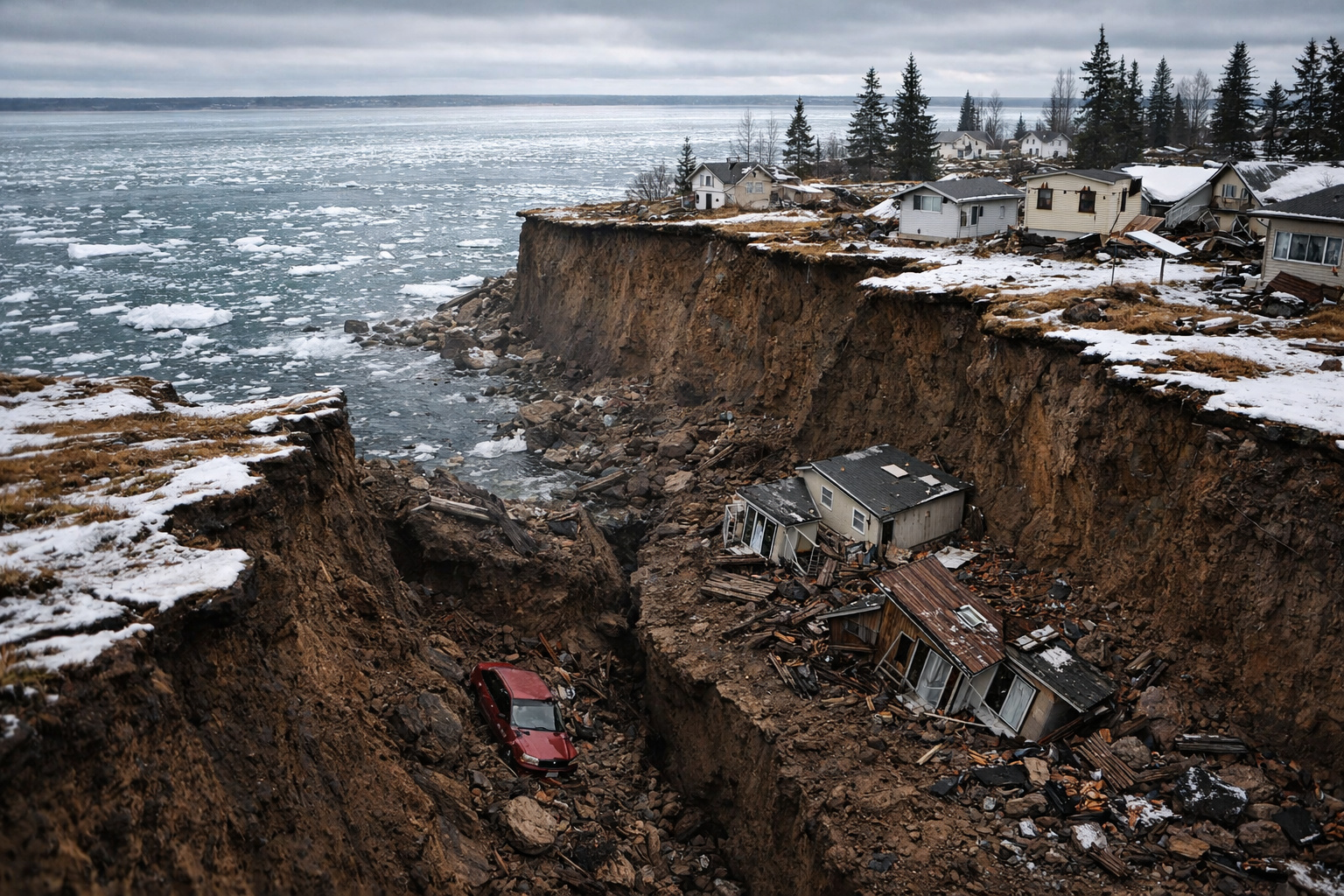
A magnitude 9.2 earthquake in Alaska reshaped the coastline in minutes, sank entire cities, raised sections of the seabed by several meters, and left one of the fastest geographical transformations ever recorded on Earth.
-
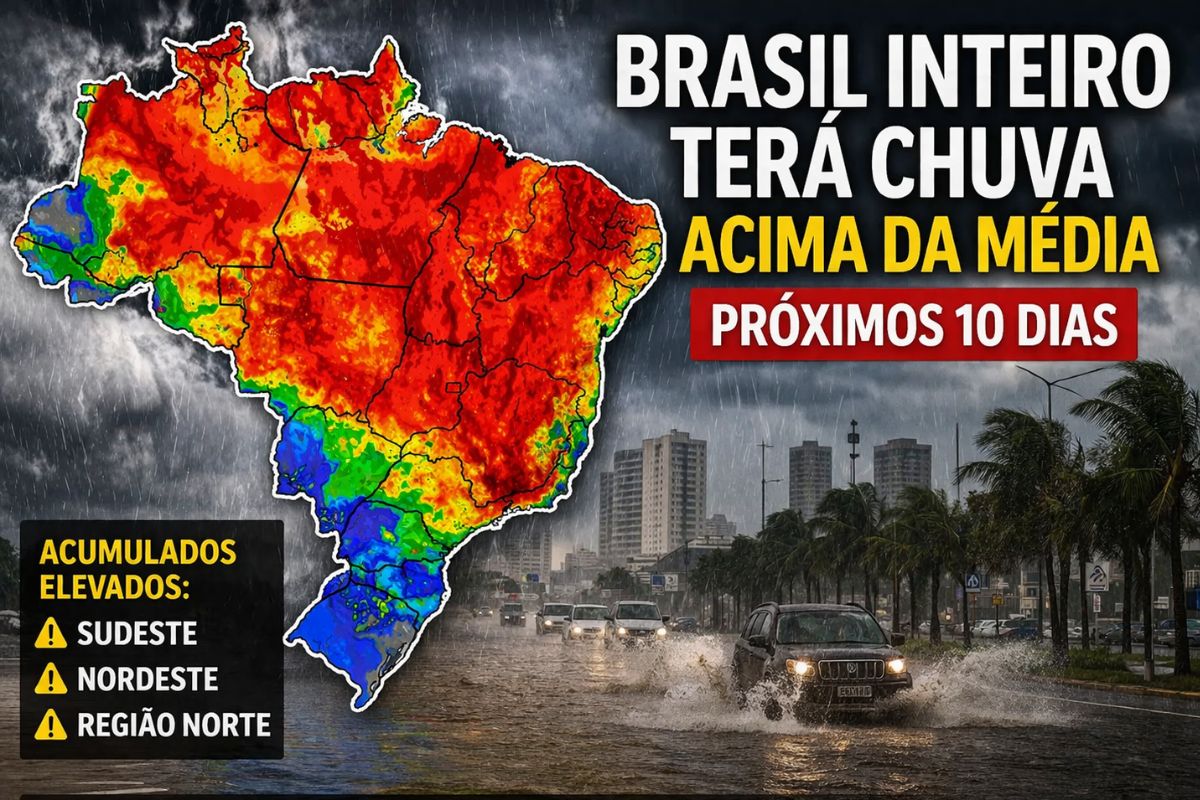
The entire Brazil is expected to face above-average rainfall in the next ten days, with accumulations reminiscent of the peak of summer, raising concerns especially for those living in the Southeast, Northeast, and Northern regions of the country.
-
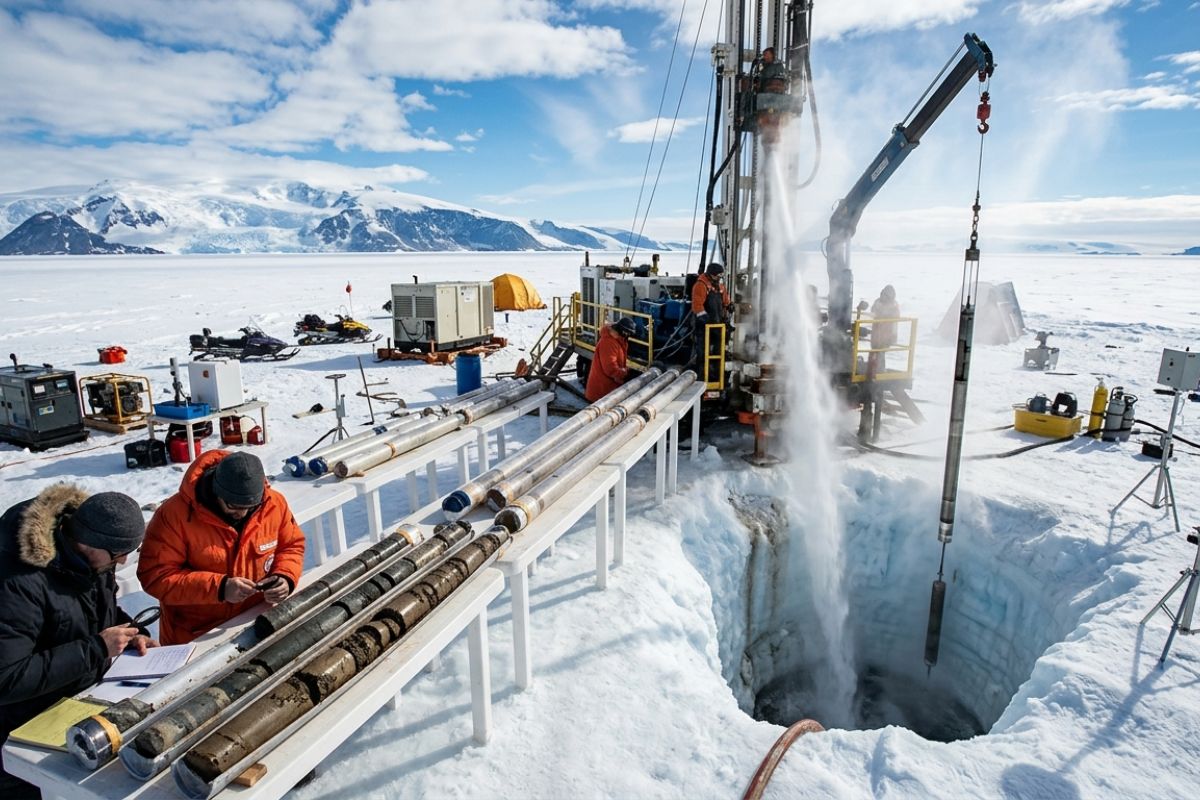
With pressurized hot water, scientists melt 523 meters of ice in West Antarctica and extract a 228-meter rock core with a record of 23 million years, revealing ice-free periods and global warnings.
-
Denmark resumes the idea of building the world’s first energy island with $30 billion, connecting several countries and changing the European energy game amid uncertainty due to the war in Iran.

The City That Let Water Escape In The Middle Of The Desert

Los Angeles has about 3.8 million residents and relies on one of the most complex water systems in the world.
Pipes, aqueducts, dams, and channels bring water from basins spread across eight states, irrigating over 2.3 million acres of farmland and supplying tens of millions of people.
Despite this, about 80% of the rain that falls on the city simply runs off paved sidewalks, asphalt streets, and impermeable rooftops, quickly rushing into the drainage system and from there to the ocean.
Every year, it is estimated that between 25 and 30 billion gallons of stormwater surrounding the Los Angeles River are lost to the sea. In a state subject to multi-year droughts, this is a luxury the city can no longer afford.
When The River Became A Concrete Canal
The Los Angeles River is about 51 miles long, from the valleys inland to the mouth in Long Beach. Approximately 31 miles traverse densely urbanized areas.
In the past, the river was winding, flooded plains, and fed aquifers, serving as the city’s primary source of freshwater.
But in the 1930s, historic floods destroyed entire parts of neighborhoods after heavy rains.
The response was radical: the U.S. Army Corps of Engineers designed a large flood control system that concreted almost the entire river course, transforming it into a straight drainage canal, surrounded by fences, bridges, roads, and tracks.
The goal was clear: to get the water to the ocean as quickly as possible to protect lives and property.
The price, however, was high. Large areas of ecosystems were degraded, fish populations nearly disappeared, and bird diversity plummeted. In practice, the river ceased to be a river and became a concrete canal, invisible and inaccessible to most residents.
The Movement That Decided To Restore The River

The turnaround began in the 1980s, when local residents began questioning this model. From community mobilization, the organization Friends of the Los Angeles River was born, focusing on cleanup, environmental education, and pressure for ecological restoration.
Since 1989, hundreds of thousands of pounds of trash have been removed from the riverbed and banks, rescuing entire stretches from neglect.
The group helped create bike paths, transform old industrial sites into parks, and implement a habitat of about 4.8 miles for fish, using rock sets, vegetation, and deep pools along the steelhead trout’s migration route, a species on the brink of extinction partly due to the river’s concretion.
From the actions of these residents, the debate expanded. The idea of turning the concrete channel into a living river ceased to be an isolated dream and became a long-term goal, integrating official plans from the city and county.
From Concrete Canal to Living River to Linear Wild Park

Over the following decades, local effort transformed into a master plan for the restoration of the LA River and six of its tributaries, prioritizing more vulnerable communities.
The vision is to create a large green corridor, a continuous “greenway” linking mountains to the sea, with parks, natural areas, trails, and recreational spaces.
This plan envisions the recovery of habitats in about 83 square miles of the river basin and the protection and expansion of approximately 3,000 acres of green areas planted along selected stretches.
By reconstructing living banks, inserting native vegetation, and creating floodable spaces, the concrete channel in a living river is gaining stretches of more natural flow, with shade, wildlife, and cleaner water.
The goal is that, in the future, the Los Angeles resident can walk, bike, and even navigate through a continuous ecological corridor, where there are currently straightened and fenced stretches. It is not about demolishing all the concrete at once, but reconnecting what is possible, stretch by stretch.
Parks, Bioswales, and Permeable Surfaces
The restoration of the river does not happen in isolation. Urban parks and rewilding areas are being implemented or expanded on land near the watercourse.
In the Los Angeles River State Park, an area of about 100 acres, the focus is on restoring semi-wild environments in the city.
One of the key tools is bioswales, channels with vegetation designed to concentrate and direct rainwater, removing waste and pollutants while the water seeps into the ground.
These living channels function as natural filters, reducing the pollutant load that would reach the river and creating micro-habitats for birds, insects, and small animals.
Another pillar is the creation of approximately 8,500 acres of permeable surfaces that allow water to penetrate the soil instead of running off directly into the drainage system.
These areas help recharge aquifers, reduce flooding, and improve water quality, rewarding the city every time it rains.
In parks like Debs Park, the proposal is to integrate sports, community recreation, and conservation zones, reconciling courts and fields with areas of restored forest for wildlife. It is the logic of a concrete canal in a living river accompanied by a multifunctional nature belt.
Biodiversity, Water Security, and an Example for Other Cities
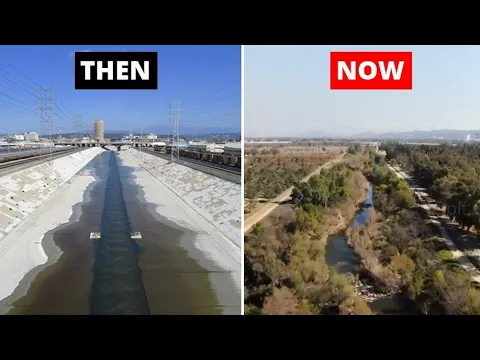

The transformation of the LA River is already seen as a global benchmark in urban river recovery. The new design allows water to be captured, retained, and filtered instead of simply being expelled into the sea. In a region subject to prolonged droughts, this is crucial for water security.
At the same time, migratory birds have begun to use new parks as resting points, fish are reclaiming habitat stretches, and communities gain access to green areas that previously did not exist.
What was once just engineering work has become ecological, social, and climate infrastructure.
The case of Los Angeles shows that large urban centers can indeed reconsider past decisions and transform assets seen as problems into environmental solutions.
If one of the largest symbols of a paved city can transform a concrete canal into a living river, many other metropolises can follow the same path.
What do you think — should Brazilian cities adopt similar projects to transform concrete channels and streams into living rivers filled with parks and nature?




-

-

-

-

-

18 pessoas reagiram a isso.