





 Portuguese
  English
  Spanish
  5 min of reading
  20 comments


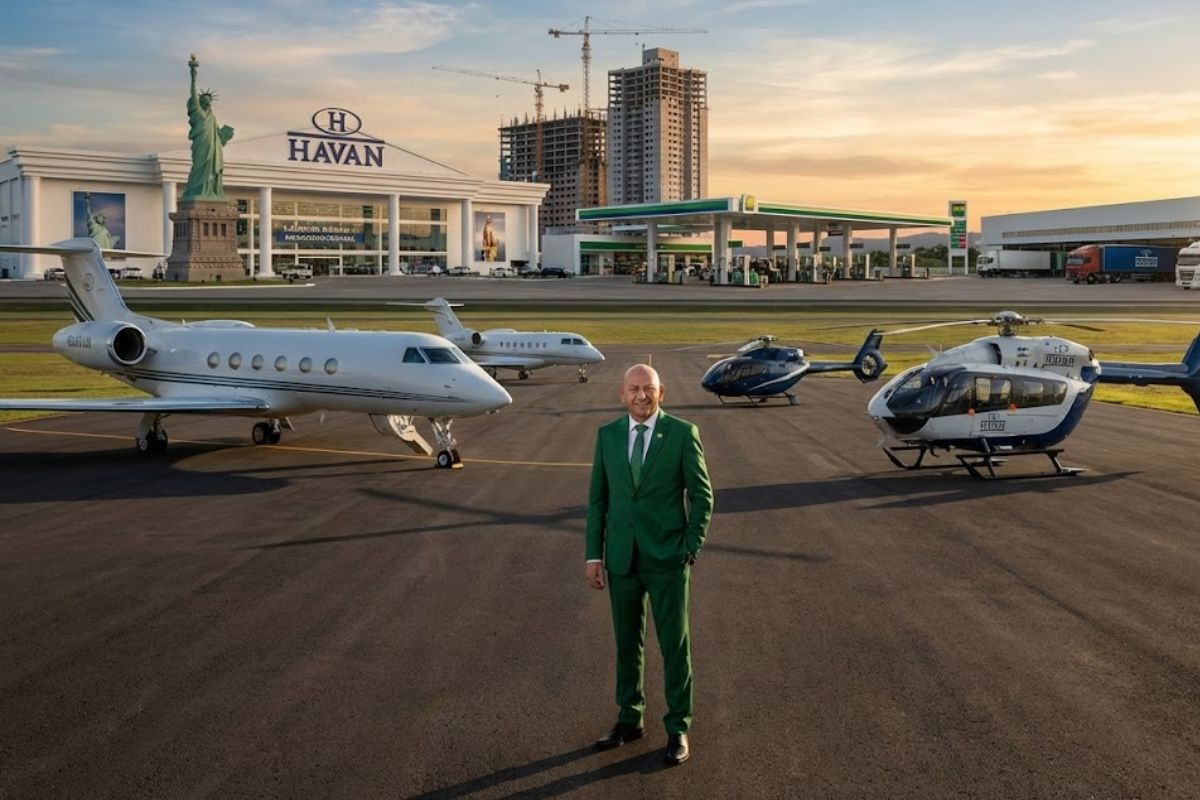


While Other Billionaires Lost Ground After Recent Crises, Luciano Hang Shielded His Wealth by Diversifying Investments Among Jets, Helicopters, Gas Stations, and Real Estate, Reducing Dependence on Havan and Creating a Safety Net That Now Supports His Fortune in the Face of Fluctuations in the Brazilian Retail Sector and Consumption Changes.
The entrepreneur Luciano Hang has returned to the center of the debate about large fortunes in Brazil, this time not only for the facades of Havan stores but for the way he spread his money beyond retail. While billionaires like Eike Batista lost ground, the owner of the network with more than 160 units consolidated a fortune estimated at over 4.8 billion dollars, according to Forbes magazine.
According to the portal Correio do Estado, between 2009 and 2018, he built a fleet of jets and helicopters that includes a Bombardier Global 6000, purchased in 2018, a Challenger 350 from 2015, and Agusta AW-109 helicopters from 2009, 2011, and 2017, while also investing in gas station networks and real estate businesses to protect himself from future crises. Luciano Hang’s strategy was to turn part of Havan’s profit into high-value, long-lasting assets that can endure economic turbulence.
A Billionaire Who Learned to Read Crises
In the Brazilian business landscape, Luciano Hang’s trajectory stands out in contrast to other names that experienced setbacks.
-
End of the 6×1 schedule: how the reduction of hours can affect service companies, industry, and agribusiness.

-
Brazil Ignores Trump’s threats to BRICS, Buys 42 tons of gold and reduces the Dollar’s share by 6.45% in international reserves.

-
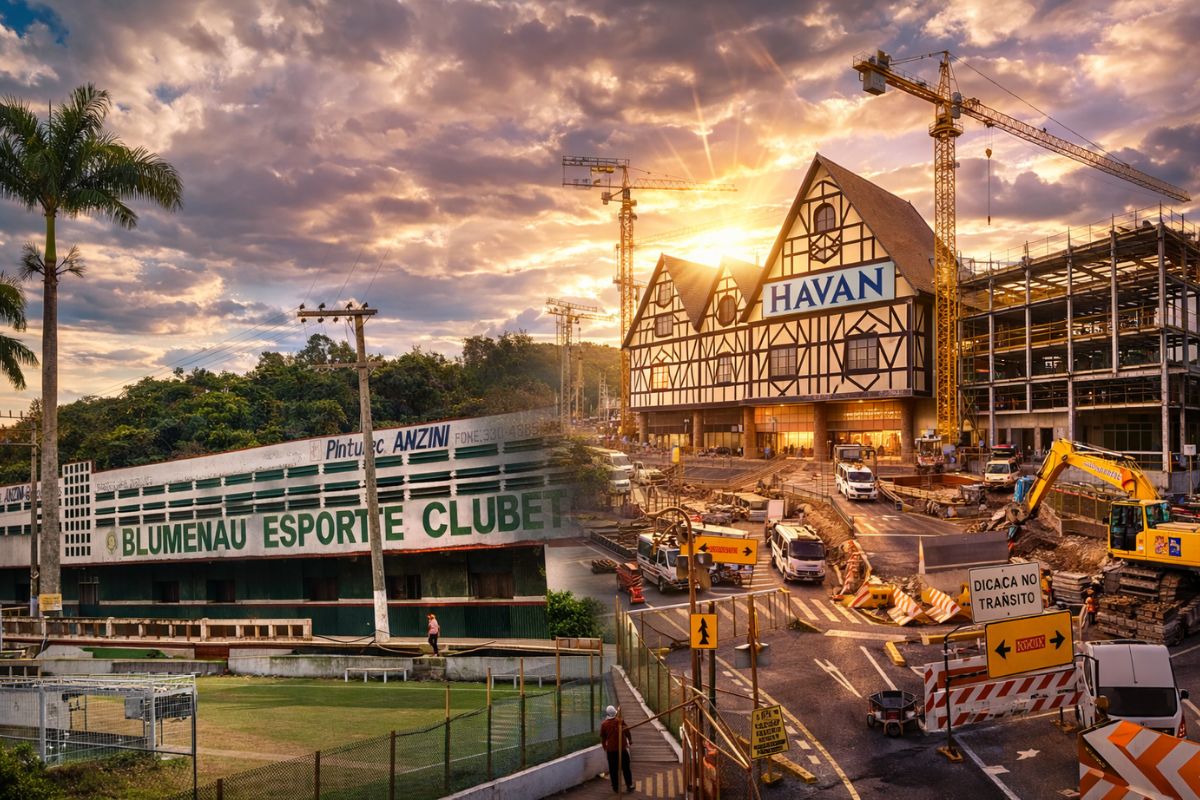
Havan buys historic football land in Blumenau for a million-dollar amount protected by a confidentiality clause and is already planning to change even the layout of streets to build a megastore in half-timbered style costing 80 million reais.
-
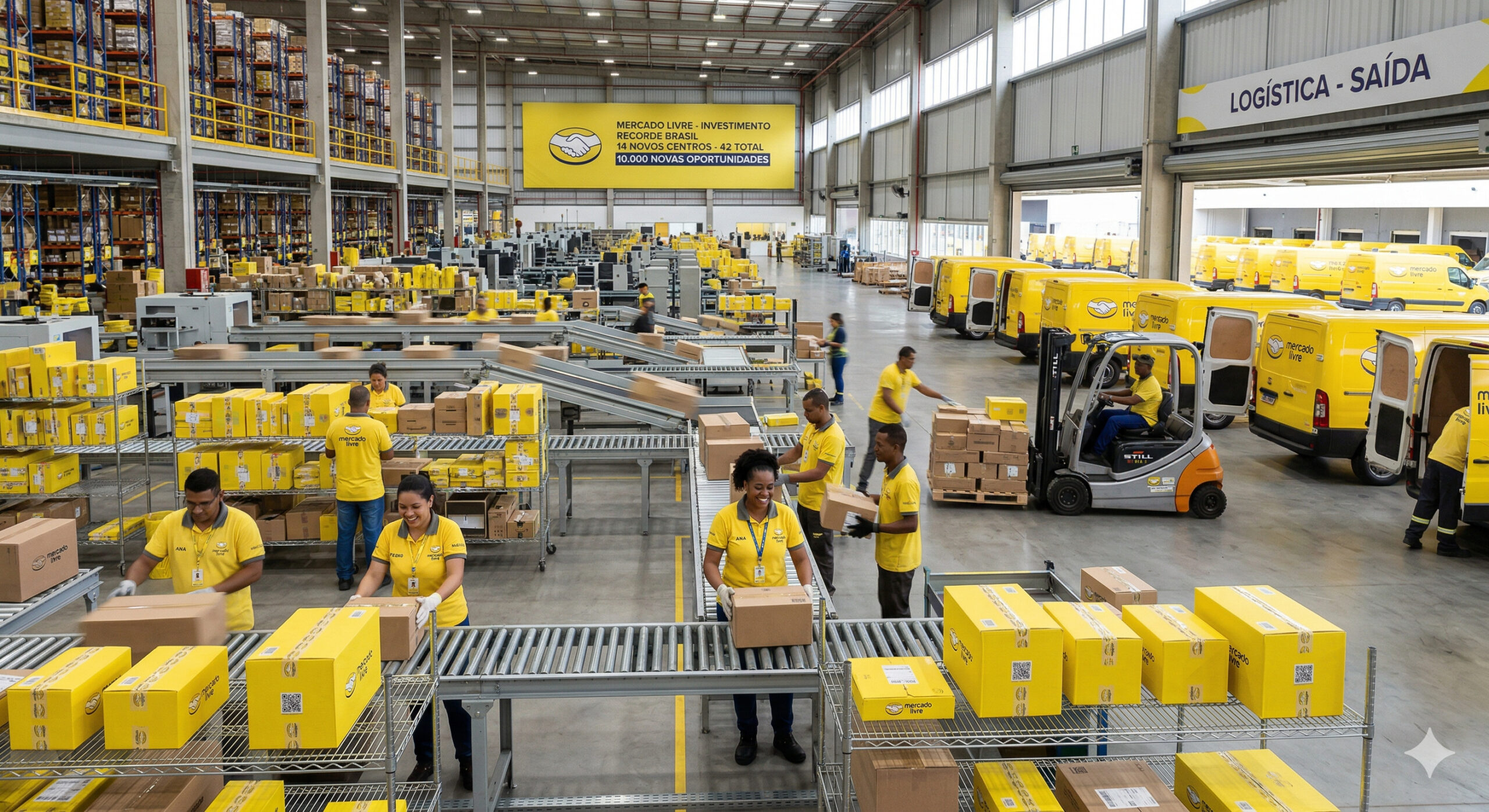
Mercado Livre “opens the vault” and announces a record investment of R$ 57 billion in Brazil in 2026, a value 50% higher than the previous year, with an expansion plan that includes 14 new logistics centers, totaling 42 units in the country and hiring an additional 10,000 employees.
Instead of concentrating everything in Havan, he began to treat retail as an important but not the only pillar of his fortune.
The reading is simple and pragmatic: if consumption shrinks in a crisis, businesses in other sectors help secure cash flow and maintain wealth growth.
Havan as a Starting Point, Not as the Only Business
Luciano Hang is the founder and owner of Havan, a store chain with over 160 units spread across Brazil. It was this retail arm that built the foundation of the entrepreneur’s billionaire fortune, now estimated at over 4.8 billion dollars by Forbes.
The next move was to use this strong cash flow to diversify. Instead of reinvesting everything solely in opening new stores, Luciano Hang began to spread the risk across different types of assets. The logic is to reduce exposure to fluctuations in a sector known to be sensitive to crises, high interest rates, and falling purchasing power.
Executive Jets as Symbols and Tools of Power
Luciano Hang’s fleet of aircraft is a separate chapter in the diversification strategy. The highlight is the Bombardier Global 6000, acquired in 2018, an executive jet capable of carrying up to 19 passengers and valued at around 62 million dollars.
In addition to it, the entrepreneur owns a Bombardier Challenger 350, manufactured in 2015, with a capacity for nine people and estimated at 26 million dollars.
The first jet, a Learjet 45, was painted in green and yellow, aligning the image of the aircraft with the Havan brand and the owner’s political beliefs.
In practice, these airplanes are not just a status symbol. They shorten distances between cities, allow quick visits to stores, suppliers, and new sites, and help Luciano Hang make in-person decisions at various points in the country in a short amount of time.
Helicopters to Save Time and Presence in Multiple Cities
In addition to jets, Luciano Hang built a fleet of Agusta AW-109 helicopters designed for short- and medium-distance travel.
The first model, from 2009, accommodates seven passengers and serves quick routes between nearby cities and regions.
The second helicopter, from 2011, features instrument landing technology, which enhances safety in adverse weather conditions.
The third, from 2017, has a more discreet design but maintains a focus on speed and efficiency. Each helicopter is valued at around 12 million dollars, placing the total fleet in the hundreds of millions of reais.
These aircraft are used for store openings, operational visits, and strategic meetings. By controlling his own time and travel, Luciano Hang reduces dependence on commercial flights and increases his ability to closely monitor businesses spread throughout the country.
Gas Stations, Real Estate, and Shielding Against Retail Crises
Luciano Hang’s diversification did not stop at aviation. The entrepreneur also began investing in gas station networks and real estate businesses, using part of the funds generated by Havan to build a more stable asset base.
Gas stations and real estate tend to respond differently to fluctuations in retail consumption, which helps balance cash flow in tight times.
When sales of appliances, fashion, or household goods slow down, rents and revenues from other services can keep the operation running.
This move makes the entrepreneur less vulnerable to fluctuations in the retail market, exactly as his investments profile suggests.
By spreading capital among jets, helicopters, gas stations, and real estate, Luciano Hang builds a kind of safety net against economic shocks that affect only one sector.
A Portfolio Thought Out to Remain Wealthy Even With a Full or Empty Store
Overall, the strategy shows a businessman who sees Havan as the origin of his wealth but not as the only pillar of the future.
The numbers from the air fleet, combined with investments in gas stations and real estate, indicate a long-term plan to maintain billionaire status even in the face of new crises.
For the market, Luciano Hang becomes an example of a businessman who uses the period of prosperity to prepare for the next turmoil, instead of betting everything on the eternal growth of a single business.
And you, do you think that Luciano Hang’s strategy of investing in jets, helicopters, gas stations, and real estate is an intelligent way to protect wealth or an excess for someone who already has too much money?








Careca ****, ****, maior sonegador de imposto do BR
Que benção né pra quem disse o com nosso presidente lula o brasil iria ser Venezuela mas empresa iria fechar ..erraram **** Lua 2026..7..8..9.30 olha a benção aí só crescendo governo bom bom faz isso aí
Se o dono da Havan depender do governo Lula, estará falído em poucos meses 😆
Só mesmo um **** ,para um comentário **** deste ,ele tá no governo do **** oooo ****?
Se tá investindo é pq tem retorno ,ou não?
e pensar que o BNDS foi o precursor de seus empréstimos e que deve muito para a União, se questiona, será que seria o bilionário se não tivesse ajuda do Brasil, que foi o pai e a mãe do financiamento de sua hoje fortuna???
Idem ao JBS!
Fala **** vai trabalhar invejoso
Lojas enormes e vazias estranho tanto dinheiro, deveria estar no prejuízo Porém qdi.nai se paga impostos tudo fica mais fácil
Zé Carioca falastrão.oportunista aproveitador .
Disse que se o PT ganhasse ia sumir daqui porque o País ia acabar. Tai agora mordendo na língua. Aeroporto de mosquito.