





 Portuguese
  English
  Spanish
  3 min of reading



Lula Wins Brazilian Presidential Election And Gasoline And Diesel Prices Rise At Fuel Stations; Filling Up With Ethanol Becomes More Advantageous
The average price of a liter of gasoline, diesel, and ethanol sold at gas stations in the country rises consecutively after Lula is elected the new president of Brazil and consumers feel the pinch. Data on fuel prices comes from the National Agency of Petroleum, Natural Gas and Biofuels (ANP).
According to the Agency, the average price of a liter of gasoline rose from R$ 4.98 to R$ 5.02—a 0.8% increase. The highest price of the fuel found at gas stations last week was R$ 7.54.
The liter of hydrated ethanol also increased: it went from R$ 3.70 to R$ 3.79, a rise of 2.43% over the week. This marks the sixth consecutive increase in the price of the fuel after five months of decline. The highest price reported by the agency was R$ 6.10.
-
Brazilian giant expands borders in the Southeast: Petrobras confirms new oil discovery in ultra-deep waters in the pre-salt of the Campos Basin.

-
Alert in the global energy market: Severe tropical cyclone hits the coast and disrupts gas production at major plants in Australia, threatening global supply.

-
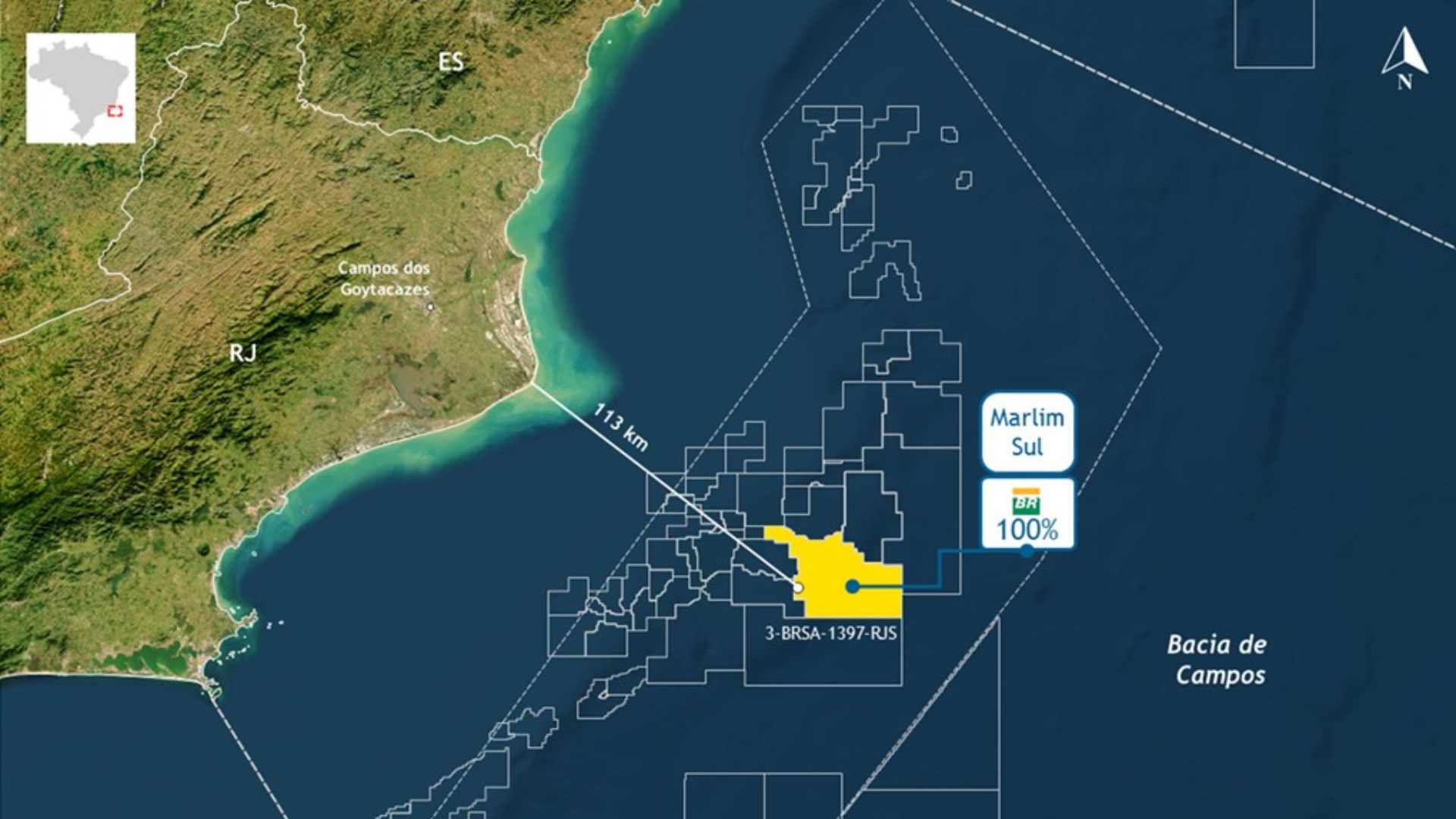
Petrobras finds high-quality oil in the pre-salt at 113 km from RJ and reignites expectations about strategic reserves in the Campos Basin.

-
Ocyan opens registrations for startups focused on innovation in the oil and gas sector and will select projects for Innovation Day with the support of Nexio.


Meanwhile, the diesel experienced its second consecutive week of price increases. The average price per liter increased from R$ 6.58 to R$ 6.59, a rise of 0.15%. The highest price recorded this week was R$ 8.52.
Calculating and considering the consumption of ethanol, which is about 30% higher than gasoline, the sugarcane-derived fuel is currently the most economically advantageous option in six states, up from four in September: Bahia, Paraíba, Mato Grosso, Goiás, Minas Gerais, and São Paulo. The above data come from the logistics and fleet management company Ticket Log, provided exclusively to UOL Cars.
“It’s worth noting that ethanol can significantly reduce the emissions of gases responsible for climate change. For this reason, it is the most ecologically viable fuel for refueling”, highlights Douglas Pina, General Director of the fleet and mobility division of Edenred Brazil—owner of Ticket Log.
How Is the Calculation Done?
The definition of the states where ethanol is more advantageous is based on the IPTL (Ticket Log Price Index). The index indicates the cost in reais per kilometer traveled, taking into account the average price of a liter of fuel and the average consumption—set at 8.5 km/l for alcohol and 11.5 km/l for gasoline.
Of course, there are variations depending on the vehicle. It is necessary to consider that the plant-derived fuel increases consumption by approximately 30%, with variation either way.
For this reason, it’s only worth using ethanol when the price difference exceeds the percentage reduction in range.
Petrobras Prices Are Still Cheaper Compared To International Prices.
The increases in gasoline and diesel prices sold to consumers after Lula’s election occur despite the fuels sold by Petrobras to distributors not having increased since June.
Petrobras has a pricing policy of International Price Parity (IPP). The model determines that the state-owned company charges, when selling fuels to Brazilian distributors, prices compatible with those practiced abroad.
According to the latest calculations from the Brazilian Association of Fuel Importers (Abicom), the average shortfall in diesel prices is 4%, and in gasoline, 2%. This means that Petrobras’s prices are still cheaper compared to those practiced abroad.









Seja o primeiro a reagir!