





 Portuguese
  English
  Spanish
  3 min of reading
  0 comments


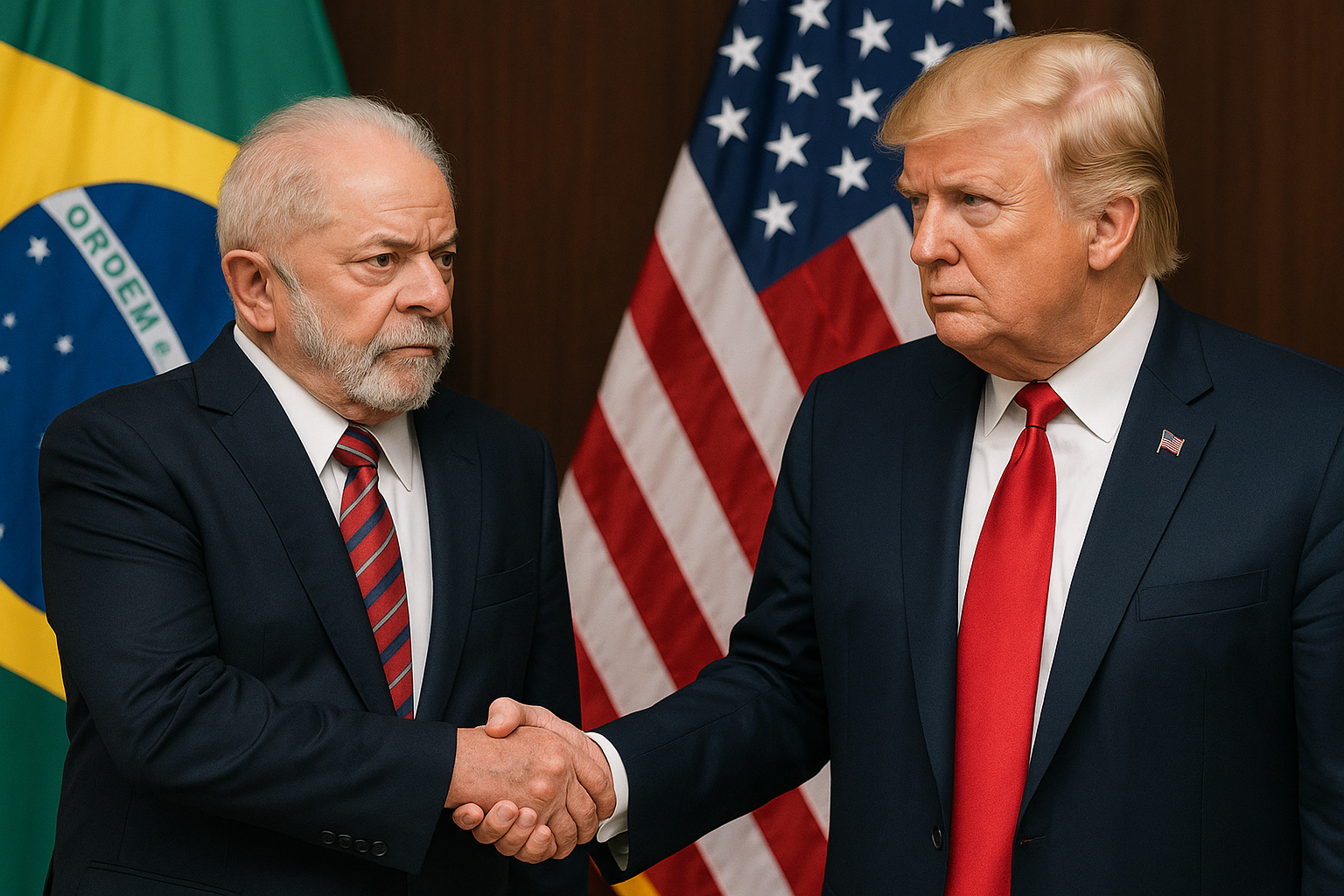
Lula Government Signals New Partnerships and Replies to Trump’s Threats of Additional Tariffs
The economic team led by Fernando Haddad confirms negotiations with the United States. The government reinforces its commitment to trade fronts and diversified alliances for the Brazilian economy. Currently, as stated by Fernando Haddad, Minister of Finance, on the morning of July 8, 2025, a technical team from the government is negotiating a bilateral agreement with the United States.
Although the topic gained traction after statements from Donald Trump, the former U.S. president, about possible additional tariffs for countries aligned with BRICS, Haddad clarified that Brazil maintains an open dialogue.
According to the minister, “there is a team from President Lula sitting with the American government to discuss our bilateral agreement.”
-
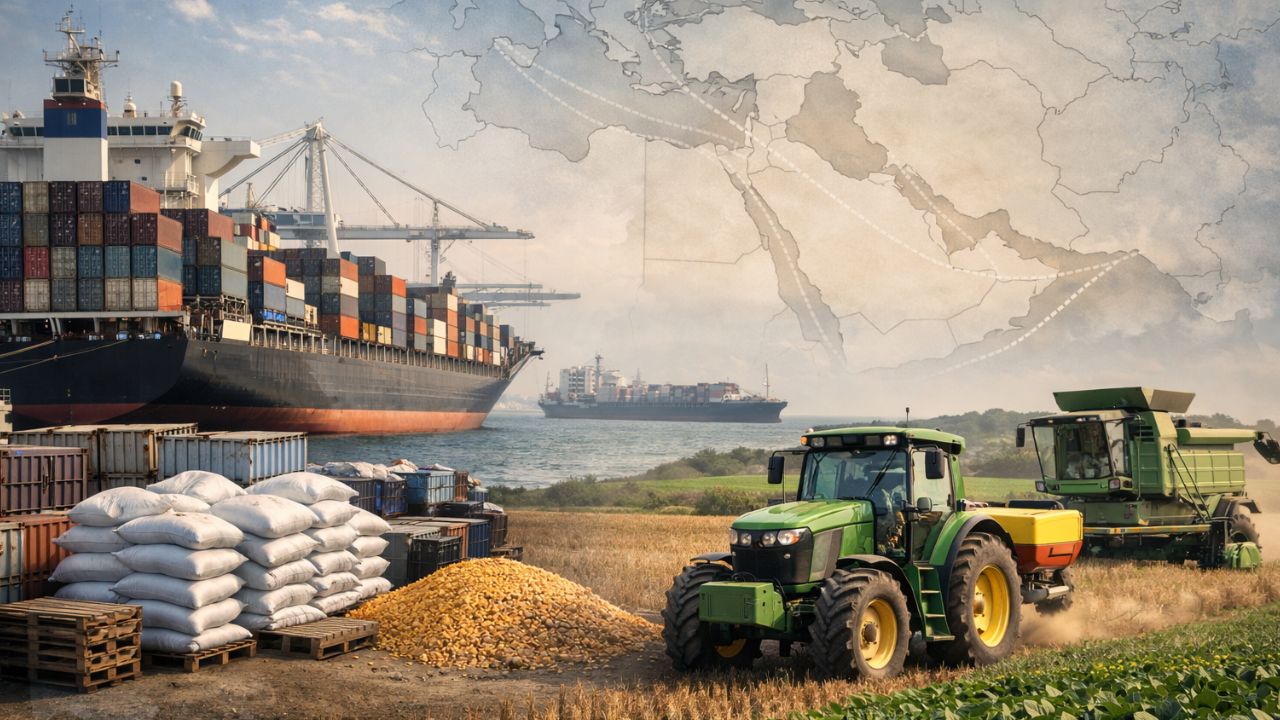
Middle East War Hits Fertilizers and Transportation and May Strain Brazilian Wallets
-
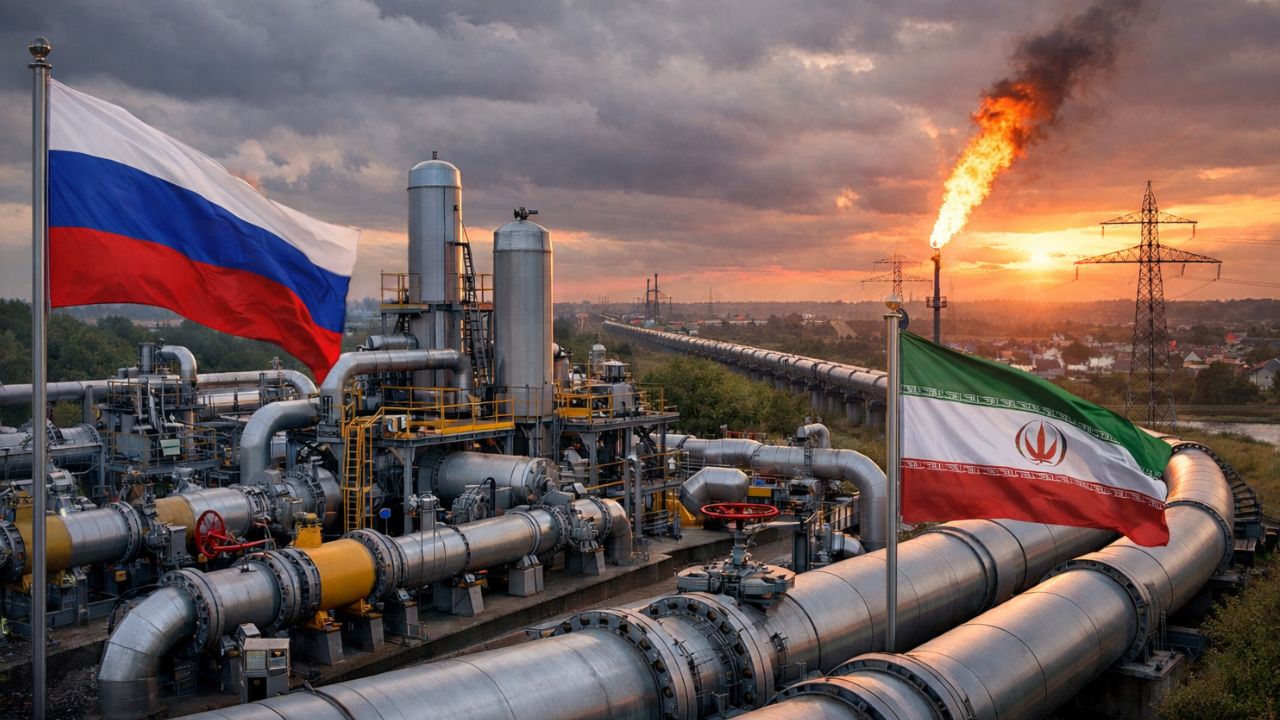
Russia Considers Suspending Gas to Europe After Surge in Energy Prices
-
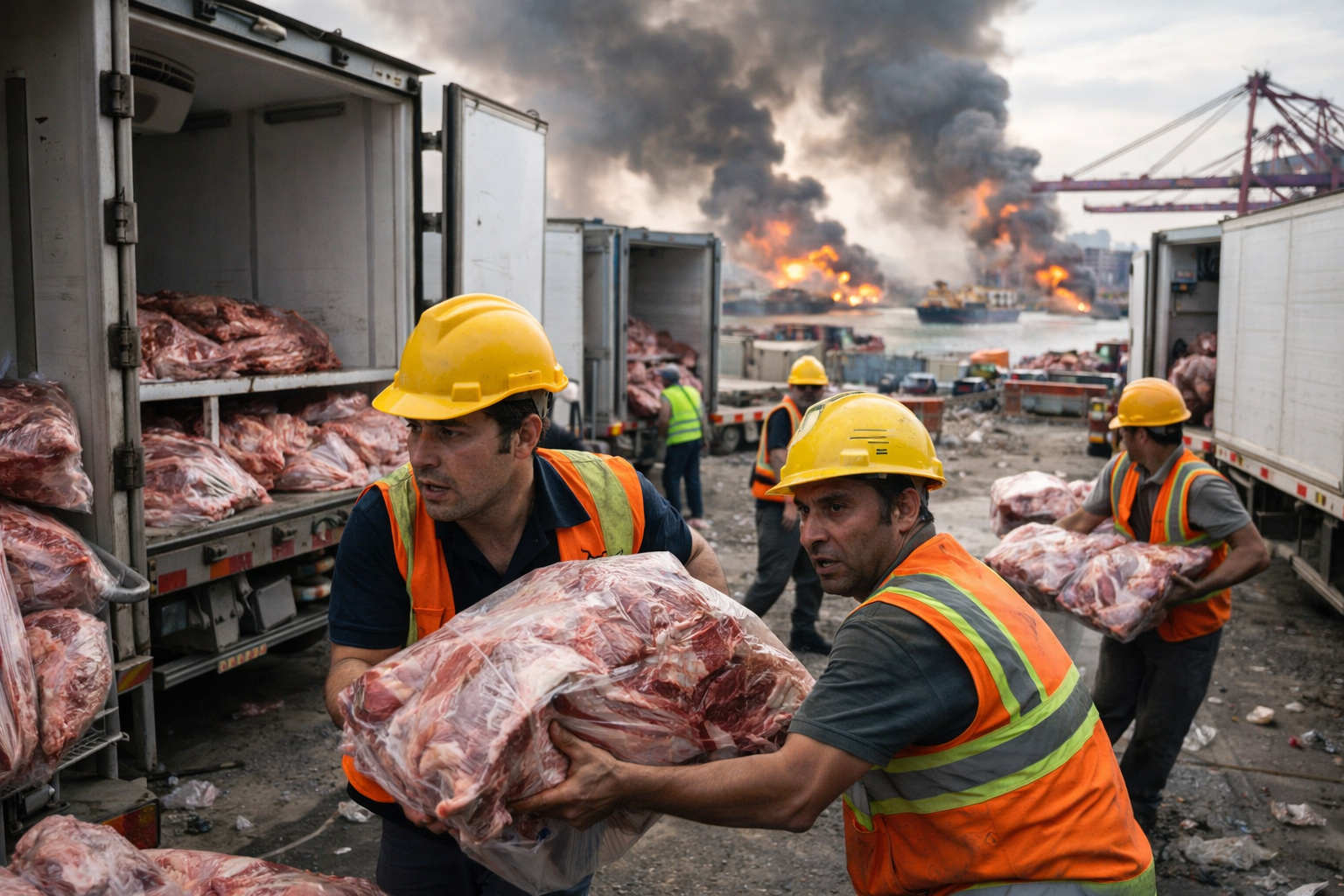
How A War Thousands of Miles From Brazil Started Disrupting Global Shipping Routes, Raising Container Costs, and Putting Up to 40% of Brazilian Beef Exports at Risk
-
Iran-U.S. War Drives Up Oil Prices and Pressures Global Financial Markets

Haddad emphasized that beyond BRICS, Brazil seeks to strengthen ties with strategic partners around the world.
Trump Pressures, But Brazilian Government Responds
Meanwhile, Donald Trump’s statement, published on his social media platform Truth Social on July 5, 2025, reinforced the threat of a 10% increase in tariffs.
These tariffs would be for countries considered anti-American. However, President Lula countered the threat by stating that the world does not want an “emperor.”
He highlighted that the U.S. leader should not “interfere” in the internal policies of other countries.
Additionally, Vice President Geraldo Alckmin, in a statement given at a press conference on the same day, adopted a conciliatory tone.
He emphasized that “the U.S. only has to gain from Brazil.” For him, expanding dialogue is essential.
Expanding dialogue is crucial for increasing foreign trade in a reciprocal and balanced way.
Global Partnerships Remain on the Economic Agenda
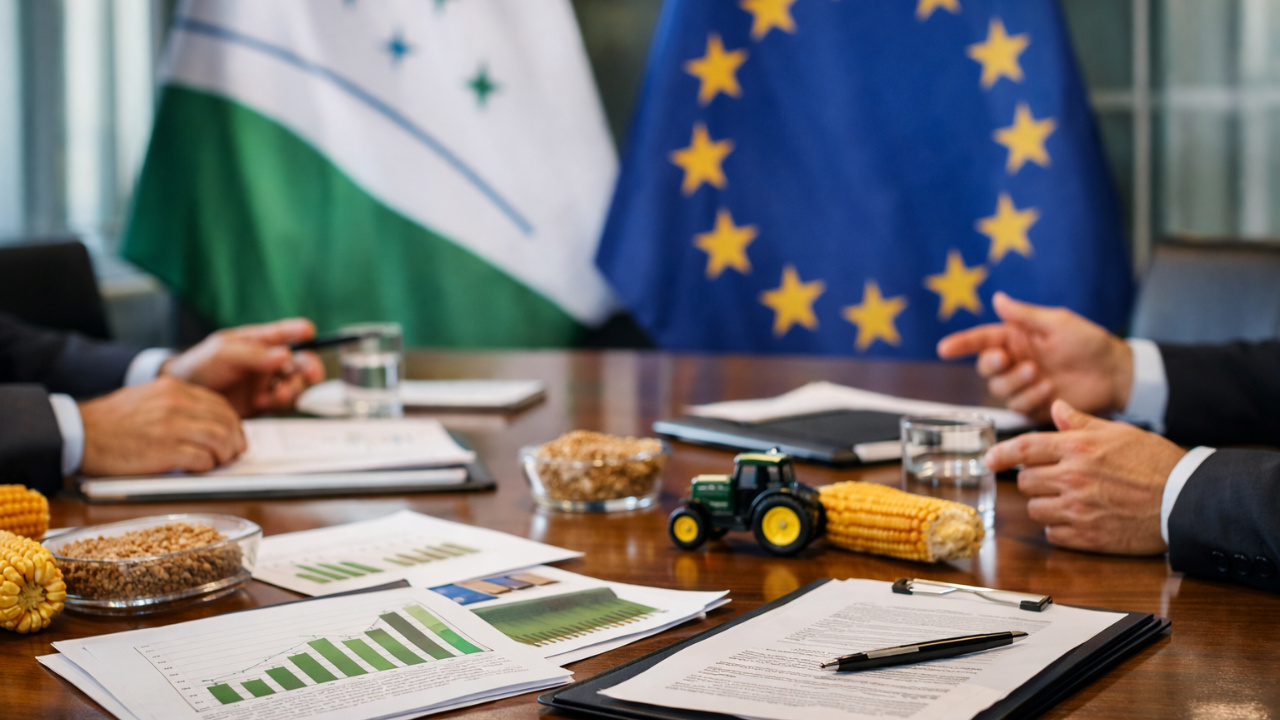
Although U.S. pressure has heightened the tone of public debate, Fernando Haddad highlighted that Brazil is working to finalize agreements with the European Union.
It is also negotiating with countries in the Middle East and with nations that are not part of BRICS. This underscores that diversifying partnerships is essential for the sustainable growth of the national economy.
Haddad stated that “whenever a closed economic group is favored, another part of the economy can be harmed.”
Thus, Brazil, according to him, “cannot afford to forgo new trade partnerships.” Therefore, the country bets on multilateral diplomacy to strengthen productive sectors.
IOF Again Becomes a Topic of Conciliation
Another sensitive point addressed by Haddad this Monday, July 8, 2025, was the so-called “melodrama” involving the Tax on Financial Transactions (IOF).
According to the minister, revenue, despite the impasse, “came in well.” However, the government continues to seek alternatives to meet the fiscal target for 2025.
Last Friday, July 4, 2025, Minister Alexandre de Moraes of the Supreme Federal Court (STF) suspended decrees from the Executive and Legislative related to the IOF.
To try to move forward, Moraes called for a conciliation hearing scheduled for July 15, 2025.
This meeting will include representatives from the Palácio do Planalto, the Federal Senate, the Chamber of Deputies, and the Attorney General’s Office (PGR).
Expectations for Next Steps
Even in the face of U.S. threats and criticisms from former President Trump, the Lula government remains willing to preserve Brazil’s credibility on the international stage.
The economic team remains mobilized to ensure that the trade balance stays diversified and stable.
Meanwhile, internal proceedings, such as the debate regarding the IOF, are progressing under legal supervision.
In this context, the combination of bilateral agreements, firm responses to external pressures, and constant dialogue with the productive sector are essential.
These measures aim to shield the Brazilian economy from geopolitical fluctuations. Thus, they strengthen the country’s position in global trade.








-

Uma pessoa reagiu a isso.