





 Portuguese
  English
  Spanish
  6 min of reading
  0 comments


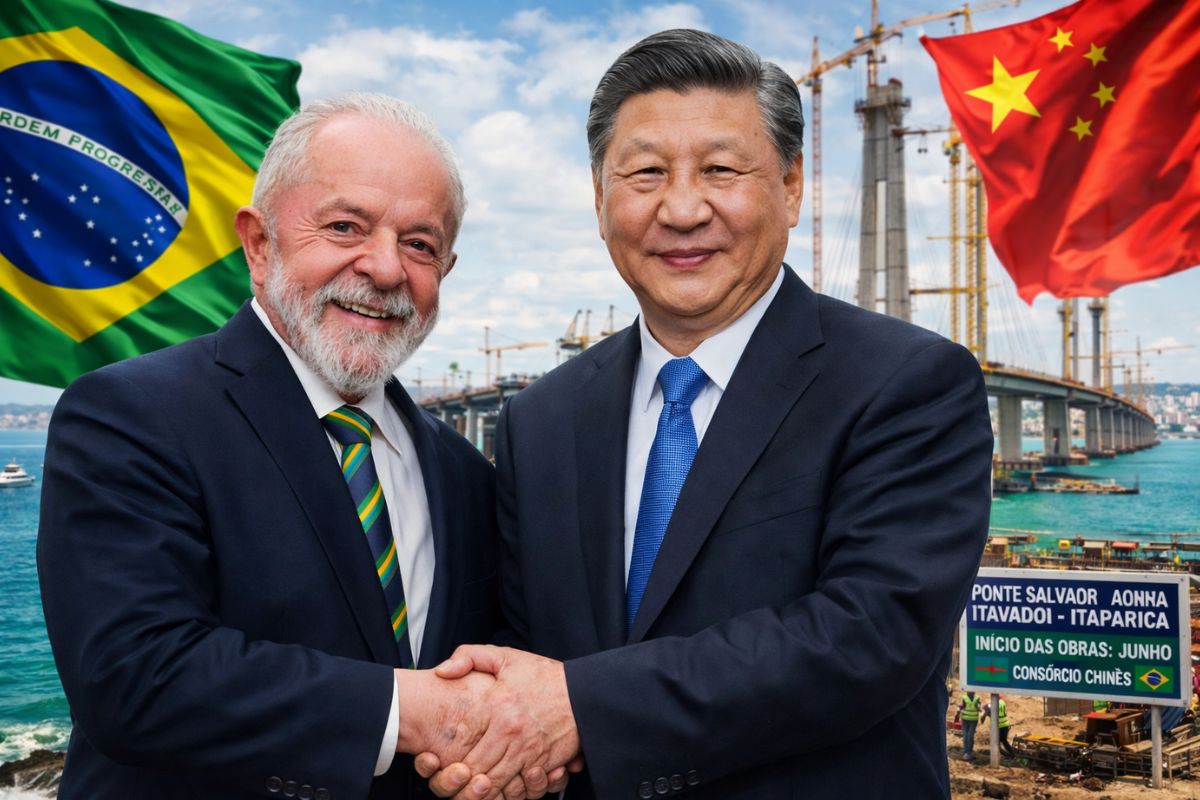
President Lula confirmed in an interview that he personally asked Chinese leader Xi Jinping to invest in the major project in Brazil, the Salvador-Itaparica bridge, which is 12.4 kilometers over water, with a Chinese consortium responsible and a projected start date of June 2026.
According to the portal Poder 360, President Luiz Inácio Lula da Silva revealed this Thursday (2) that he asked Chinese President Xi Jinping on three occasions to invest in the major project in Brazil that generates the most expectation in the Northeast: the Salvador-Itaparica bridge. In an interview with TV Record, Lula stated that “China is the country that shows the most willingness to work with Brazil” and that the works should begin in June, with the participation of a Chinese consortium. According to the president, the bridge will be “extraordinary.”
The Salvador-Itaparica bridge has been promised for over six decades. It has gone through governors, electoral campaigns, bidding processes, a pandemic, and billion-dollar adjustments. Now, with an estimated budget between R$ 10.4 and R$ 11 billion, the major project in Brazil finally has a concrete schedule. The Chinese consortium formed by the state-owned companies CCCC and CCECC, two of the largest companies in infrastructure in the world, is responsible for the execution. The first equipment manufactured in China began to arrive in Brazil in April, and the expected completion date is June 2031.
Lula asked three times: what the president said about the bridge
In the interview with TV Record, Lula did not hide that the Salvador-Itaparica bridge required diplomatic insistence. The president recounted that he directly addressed the topic with Xi Jinping on three distinct occasions, asking China to invest in the major project in Brazil.
-
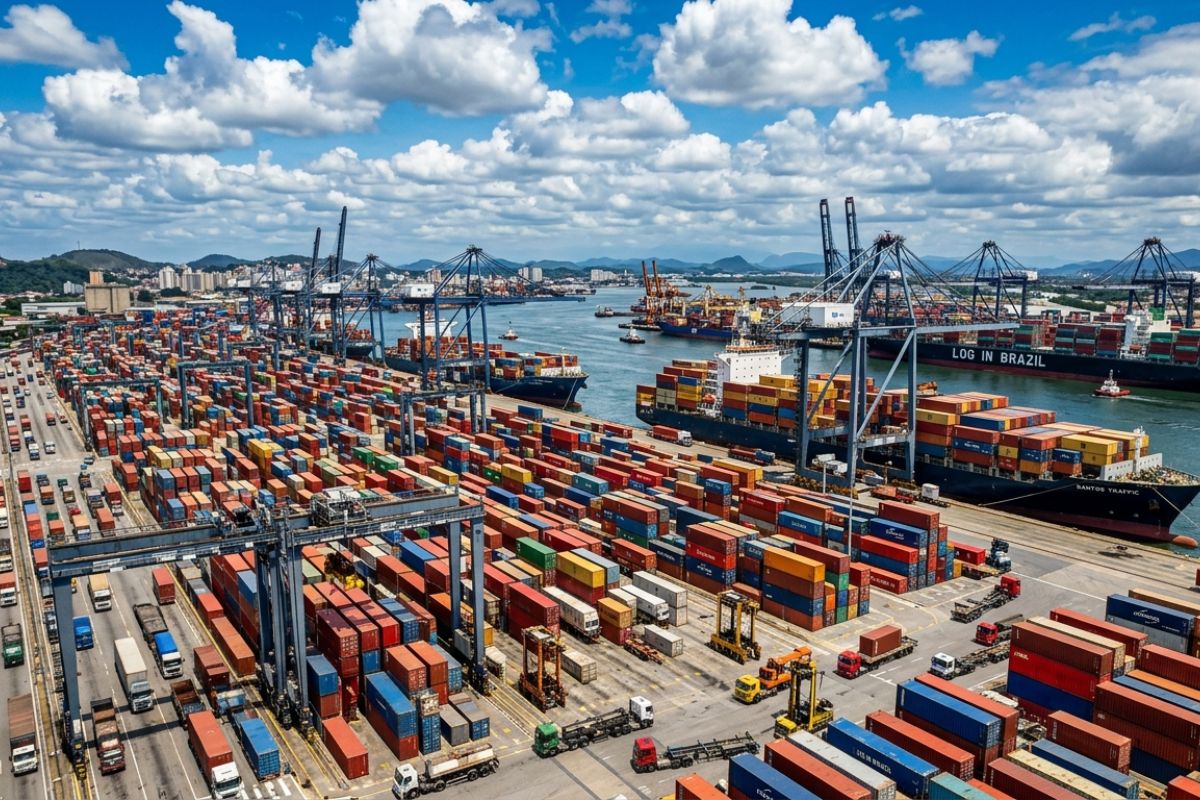
Ports like Santos and Paranaguá are operating at their limits and may block containers as early as 2030, warns a study by Macroinfra; bottlenecks increase costs and delays and push cargo to Rio, Salvador, Pecém, and Suape across Brazil.
-
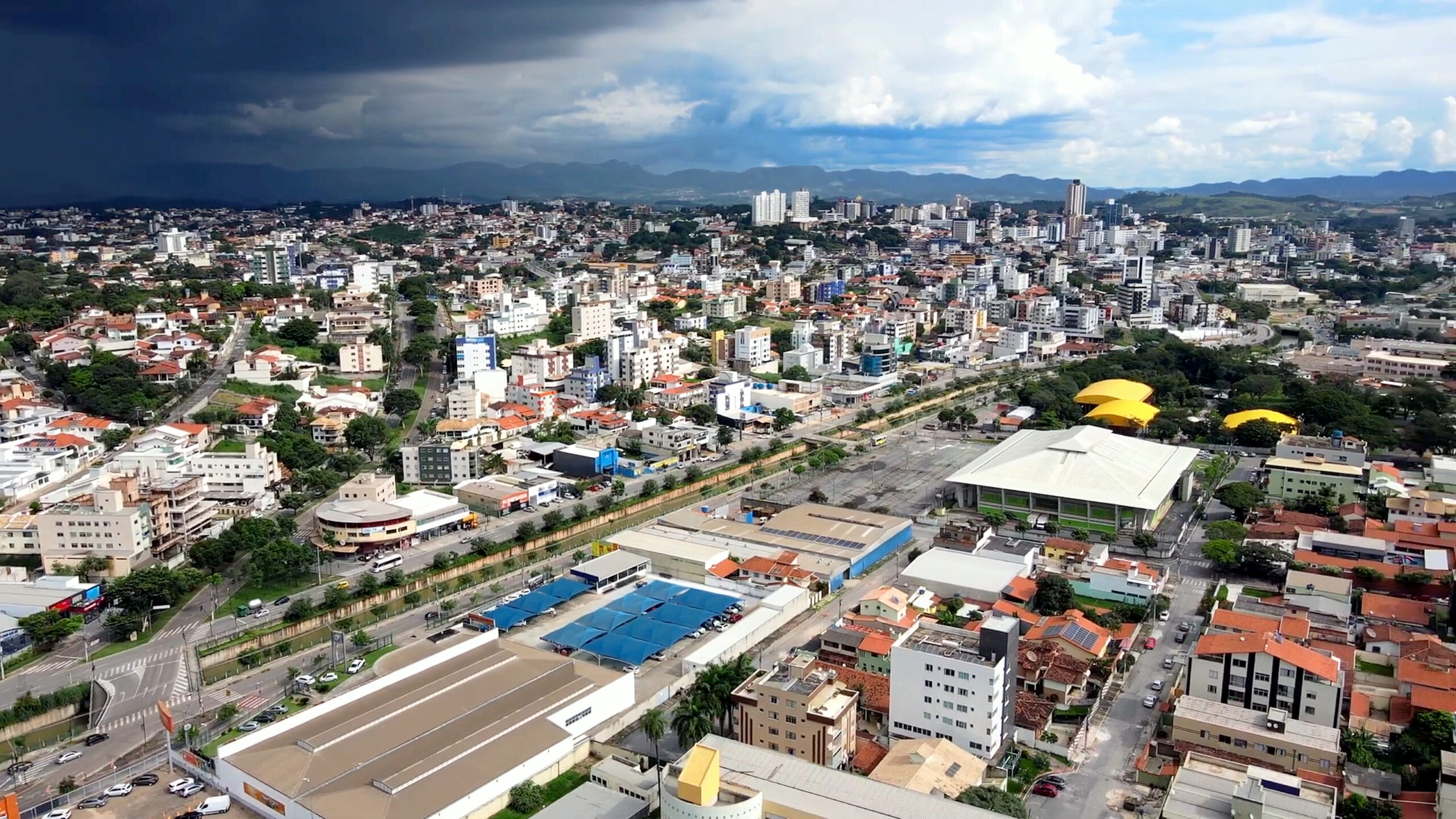
Neighboring city of Belo Horizonte has properties starting at R$ 139,000 with 90 m² and a price per square meter much lower than the capital, even concentrating automotive, petrochemical, and logistics hubs.
-
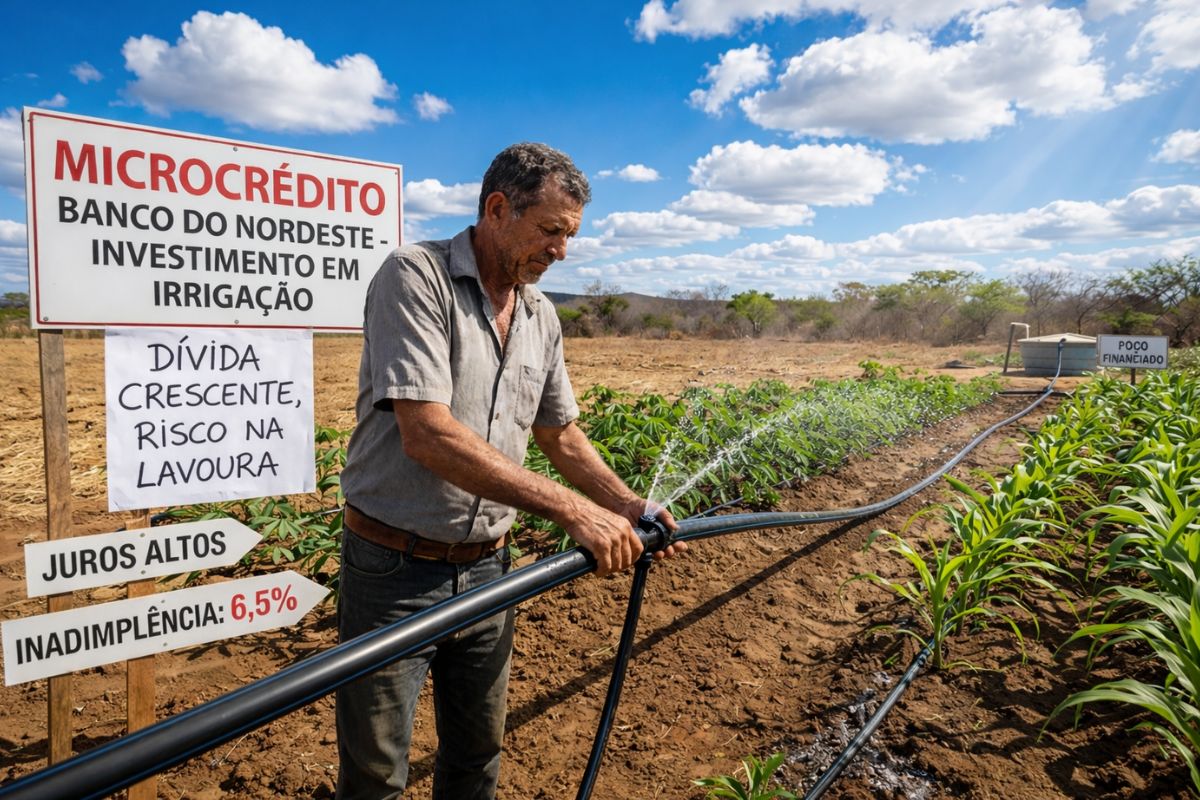
Drought in northern Bahia forces family farmers to invest in expensive irrigation and seek microcredit from Banco do Nordeste; with high interest rates and a default rate of 6.5%, the debt becomes a threat to the crops.
-
According to the FipeZAP index, Pelotas has the cheapest square meter in Brazil, with properties starting at R$ 90,000 and 33 m², and a market supported by universities, services, and a lower cost of living.
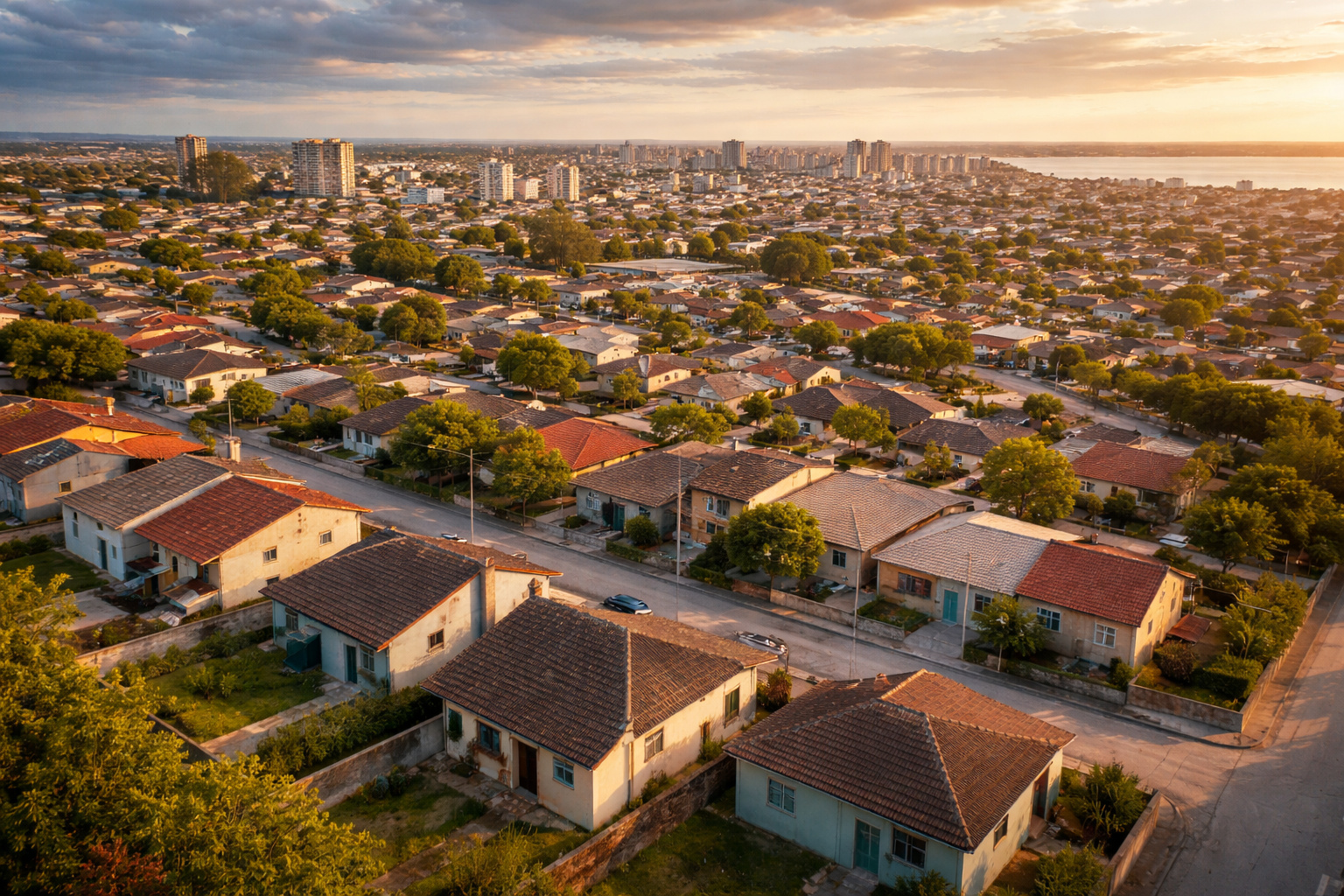

The statement reinforces the weight that the federal government attributes to the undertaking and the importance of the bilateral relationship to enable large-scale projects.
Lula also stated that the government “has a very strong partnership” with the Chinese and classified China as the country that shows the most willingness to work with Brazil in the current scenario.
This statement comes at a time when trade relations between the two countries are at their peak, with China established as Brazil’s main trading partner. In this context, the bridge ceases to be just an infrastructure project and begins to represent the materialization of this partnership in concrete, steel, and asphalt.
What is the Salvador-Itaparica bridge and why is it the largest major project in Brazil in decades
The bridge will connect Salvador to the Island of Itaparica, crossing 12.4 kilometers over the Bay of All Saints, making it the largest bridge over water in Latin America.
The project includes a cable-stayed section of 900 meters, with a central span of 400 meters wide for navigation and 85 meters of clearance, sufficient for the passage of cruise ships and oil tankers.
Today, those making the journey rely on the ferry boat, which takes about an hour of navigation, not including waiting lines that can exceed three hours on busy days. With the bridge, the crossing will be reduced to 10 to 15 minutes.
In addition to the bridge itself, the major project in Brazil includes a complete road package. In Salvador, overpasses, tunnels, and new expressways are planned.
On the Island of Itaparica, a highway of over 20 kilometers will be built, in addition to the duplication of sections of BA-001. The estimate is that the undertaking will generate more than 7,000 direct and indirect jobs, with most of the positions allocated to local labor.
The projected impact goes beyond mobility: it involves tourism, civil construction, the real estate market, logistics, and the expansion of the service sector throughout the region.
The Chinese consortium behind the major project in Brazil
The Chinese consortium responsible for the construction is formed by two giant state-owned companies: China Communications Construction Company (CCCC) and China Civil Engineering Construction Corporation (CCECC). The two companies won the international auction held in 2019 and signed the contract the following year, initially at a cost of R$ 5.3 billion.
After the Covid-19 pandemic, the Chinese consortium questioned the value, and in February 2025, the Court of Accounts of the State of Bahia approved an agreement that raised the cost to R$ 10.4 billion.
Under the arrangement made, the Bahian government committed to a direct contribution of R$ 5 billion and will pay annual payments of R$ 371 million in the first 10 years of operation, dropping to R$ 170 million in the following 19 years.
The sponsored concession (PPP) lasts for 30 years. In October 2025, engineers from the Chinese consortium presented the project at Crea-BA, and the construction of equipment in China has already begun, with the first cargo ships expected to arrive in Brazil starting in April 2026.
Although the consortium is Chinese, most of the professionals involved, in various fields, will be hired in Brazil.
Six decades of promise: the story behind the bridge
The Salvador-Itaparica bridge is probably the major project in Brazil with the longest history of unfulfilled promises. Since the 1960s, state administrations have presented the project as a solution to integrate the Bay of All Saints.
In 2009, then-governor Jaques Wagner officially launched the project. A decade later, the work resurfaced as a campaign promise from Governor Rui Costa. And the execution was also a promise from the current governor, Jerônimo Rodrigues.
Now, with the geotechnical survey completed after 12 months of work, expropriated areas in Vera Cruz, and construction sites defined in Jequitaí, Itaparica, and São Roque do Paraguaçu, the major project in Brazil seems, for the first time, to have real conditions to come to fruition.
The survey of the bridge was the first in Brazil to reach 200 meters in depth to collect intact material from the seabed. The installation license is expected by the end of May, which would maintain the deadline for the start of the foundations in June 2026.
However, Iphan has expressed opposition to the license in a technical opinion that pointed out impacts on traditional communities, requiring mitigation and cultural compensation measures before the licensing can advance.
What changes in Bahia when the bridge is completed
If everything goes according to schedule, the Salvador-Itaparica bridge will be delivered in June 2031 and will profoundly alter the dynamics of an entire region.
The Island of Itaparica, with about 246 km², is one of the largest maritime islands in the country and today relies almost exclusively on the ferry boat and the Funil Bridge to connect to the mainland. With the new major project in Brazil completed, the journey between Salvador and the federal highways BR-101, BR-116, and BR-242 will be shortened by approximately 100 kilometers.
The projected economic impact encompasses tourism, with new flows and greater regional integration; stimulation of civil construction and the real estate market; logistical gains with reduced time and transportation costs; and expansion of the service sector.
For Bahia, the bridge represents more than mobility. It represents the materialization of a promise that has survived six decades and three personal requests from a president of the Republic to the leader of a foreign power.
Do you believe the bridge will happen this time?
It has been over 60 years of promises, three governors, an international auction, a pandemic, a billion-dollar adjustment, and now three direct requests from Lula to Xi Jinping.
The major project in Brazil that connects Salvador to Itaparica has never been closer to starting. But history has taught us that “close” and “started” are very different things.
And you, do you believe the bridge will happen this time? What do you think about China’s role in this major project in Brazil? Share in the comments.





Seja o primeiro a reagir!