





 Portuguese
  English
  Spanish
  5 min of reading
  0 comments


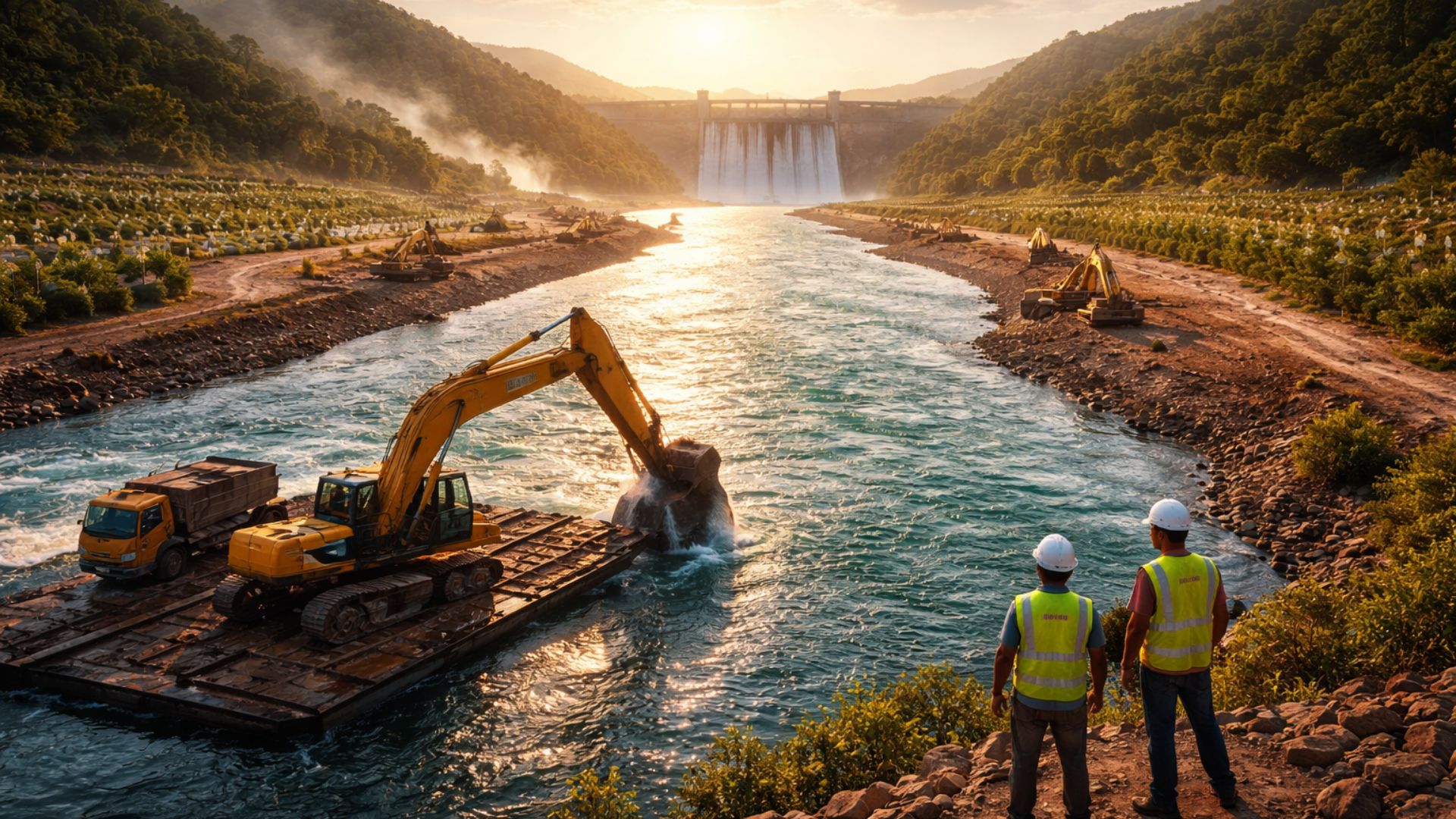
Billion package expands works in critical basins, brings sanitation, environmental recovery, and water infrastructure in different regions of the country, focusing on water security, reduction of environmental impacts, and improvement of natural resource management.
The federal government incorporated into the Water for All axis of the New PAC a package of 60 projects aimed at revitalizing watersheds, with an investment exceeding R$ 1 billion.
The new round includes works and projects for environmental recovery, sanitation, urban drainage, improvement of navigation on the São Francisco River, hydrometeorological monitoring, and actions in areas linked to the Furnas reservoirs.
Of this total, 12 initiatives amount to R$ 409 million in the watersheds of the São Francisco and Parnaíba rivers.
-
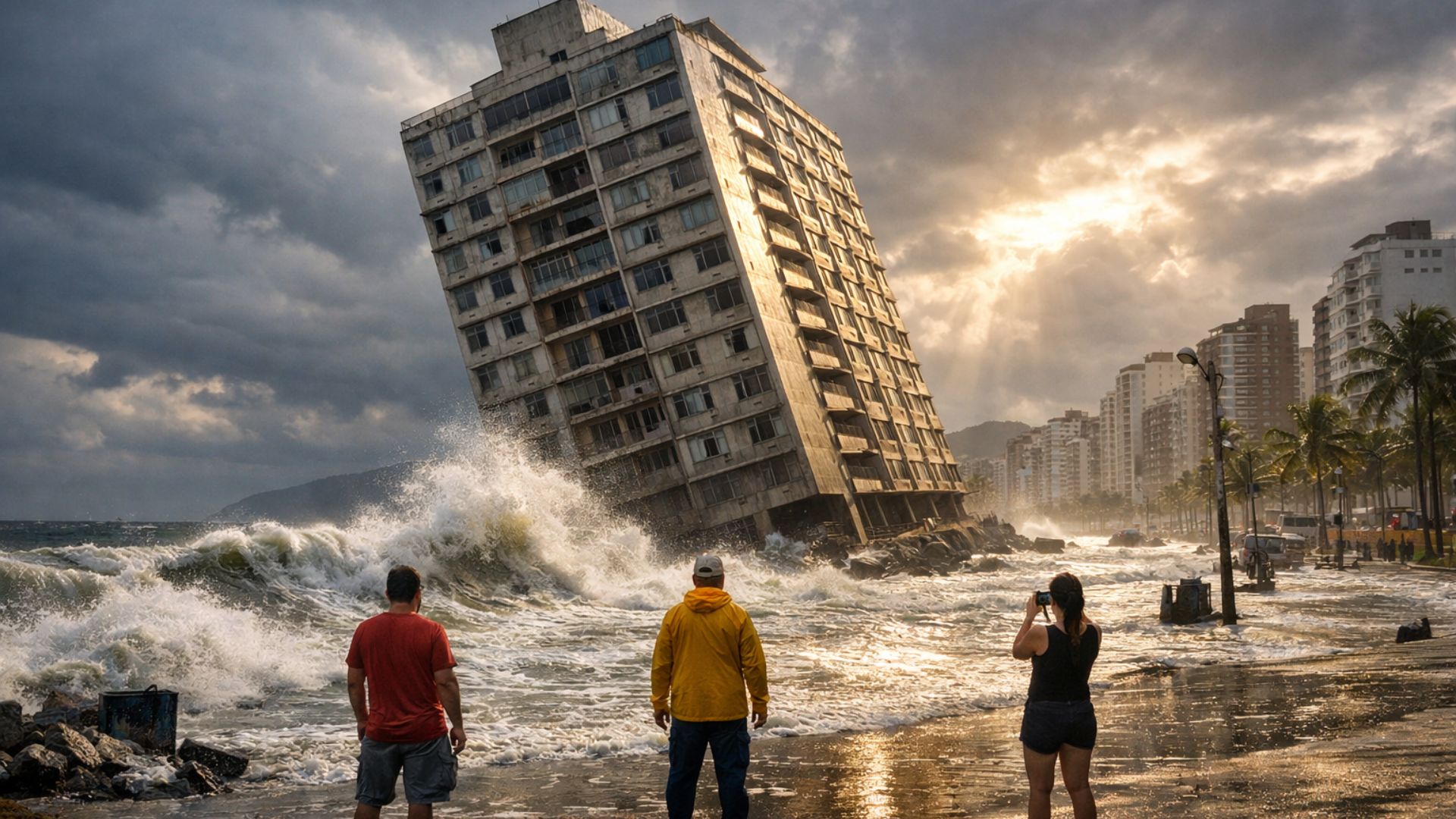
A Brazilian city is being invaded by the sea, buildings are leaning, and the solution could cost R$ 200 million with support from BNDES to prevent flooding, modernize drainage, and protect more than 200,000 residents within 5 years.
-
Seen from space, a trio of black mesas formed hundreds of millions of years ago and remnants of the Paleozoic era created rare dunes in the heart of the Sahara and a strange sand-free zone that continues to intrigue scientists today, transforming the desert into an almost Martian landscape.

-
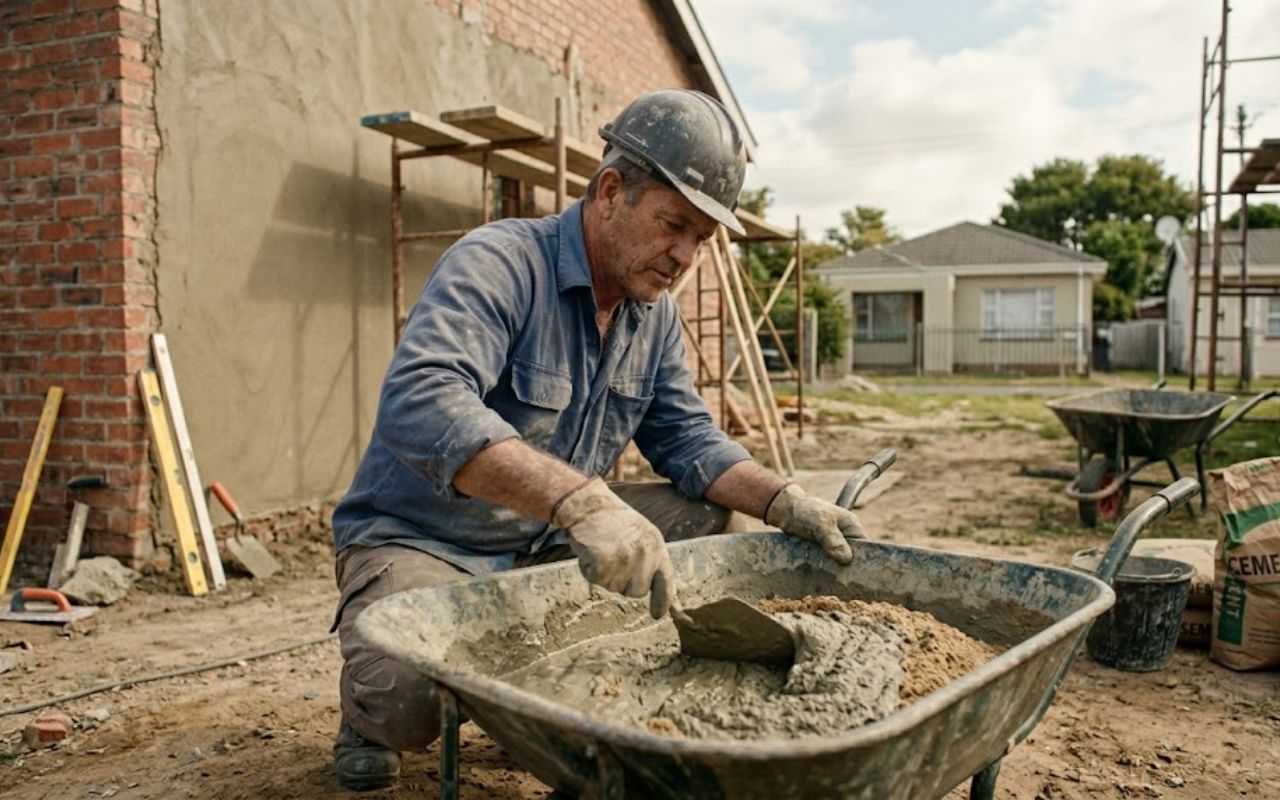
Mason teaches technique to make the “perfect mix”: simple method reduces cement waste and prevents structural problems in the construction.
-
With up to 1,100 tons of gold and an estimated value of $83 billion, a supergiant deposit discovered in China could become the largest in the world and reignite the race for an underground fortune that promises to go down in the history of modern mining.

Another 48 actions gather R$ 634.7 million in the area of influence of the Furnas hydropower plants.
The distribution was approved in a joint meeting of the committees responsible for defining the application of revitalization resources, coordinated by the Ministry of Integration and Regional Development, MIDR.
According to the national secretary of Water Security of MIDR, Giuseppe Vieira, the projects result from coordination between the ministry and linked agencies to enhance water security in the basins considered most critical in need of investments.
The statement was released by the federal government when presenting the new portfolio of works included in the PAC.
Investments in the São Francisco and Parnaíba Rivers
In the watersheds of the São Francisco and Parnaíba rivers, resources were primarily directed to hydro-environmental recovery, focusing on degraded areas, preservation of springs, vegetation re-composition, and soil conservation.
This block also includes the improvement of navigation on the São Francisco, urban drainage actions, and initiatives for monitoring and using meteorological information in water resource management.
Among the highlighted projects is the revitalization of the Verde River in Itaguaçu da Bahia, with a forecast of R$ 40 million.
In Piauí, the recovery of permanent preservation areas in critical stretches of the Uruçuí-Vermelho and Gurguéia river basins received a forecast of over R$ 83.5 million.
In Minas Gerais, another front targets the recovery of water APPs in the Velhas River basin, in addition to soil conservation actions and environmental regularization in the Pará River basin.
Also in this group, resources were reserved for ecological restoration in municipalities in Bahia and Pernambuco linked to the São Francisco, as well as interventions in areas of Sergipe with fencing, forest re-composition, and sediment containment structures.
The package also includes R$ 95.5 million for urban drainage in São Gotardo, Minas Gerais, and investments for the implementation of public ports in Juazeiro and Petrolina, aimed at regional navigation.
Sanitation works dominate projects in Furnas
In the area of influence of Furnas, the largest share of resources was allocated to sanitary sewage, especially in municipalities in Minas Gerais.
The set includes sewage treatment stations, interceptors, networks, and complete systems in cities such as Barbacena, Lambari, São Lourenço, Cristais, São José da Barra, Jacutinga, Ilicínea, Passa-Quatro, Guaranésia, Carmo de Minas, and Conceição do Rio Verde, among many others.
Barbacena appears among the largest contributions of this stage, with two interventions that, combined, reach R$ 63.5 million.
In Lambari, the sanitary sewage system is forecasted to be R$ 32.6 million.
São Lourenço received R$ 32.3 million, while Cristais has R$ 26 million.
São José da Barra will have R$ 26 million for sewage treatment stations, in a portfolio that concentrates a good part of the works in Minas Gerais.
In addition to urban sanitation, the Furnas portfolio includes projects for rural sanitation, hydro-environmental recovery, and technical studies.
One of them provides for an integrated assessment of the impacts and alternatives for mitigating water pollution in the Alto Tietê basin, in the Metropolitan Region of São Paulo.
Another allocates R$ 20 million to reduce operational hydraulic restrictions at the Jupiá and Porto Primavera plants, aiming to increase operational flexibility in the area linked to the program.
A water producer program in the Grande River basin and actions for surveying areas for forest restoration upstream of the Funil dam were also approved.
In Pouso Alto, for example, there are resources for both sanitation and hydro-environmental recovery.
In Três Corações, the package includes the universalization of rural sanitation in specific communities, reinforcing the combination of infrastructure and environmental protection that guides the portfolio.
Origin of resources and program history
The resources from these revitalization accounts result from the privatization of Eletrobras, which established annual contributions for water resource recovery programs.
According to MIDR, the committees manage part of these funds to finance projects in the São Francisco and Parnaíba basins and in the areas of influence of Furnas.
Data released by the ministry indicate that the contributions foresee R$ 350 million per year for the CPR São Francisco and Parnaíba and R$ 230 million per year for the CPR Furnas, over ten years.
Progress of actions since 2023
The most recent balance from MIDR shows that, since the beginning of the committees’ activities in August 2023, 247 projects have been approved, with about R$ 5.2 billion in investments aimed at the revitalization of water resources.
In January 2026, the ministry itself had reported a portfolio of 188 projects consolidated by the end of 2025.
The new round of 60 approvals raised this total and expanded the presence of sanitation and environmental recovery works in areas considered priorities. In practice, the new package reinforces two simultaneous fronts.
On one hand, the government expands interventions in basins historically pressured by siltation, degradation, and low sanitation coverage.
On the other hand, it seeks to improve water management in strategic areas for supply, energy generation, navigation, and control of environmental impacts.
The combination of these axes helps explain why the program includes everything from local sewage works to studies on plant operations and modernization of the meteorological system.




Seja o primeiro a reagir!