





 Portuguese
  English
  Spanish
  4 min of reading
  0 comments


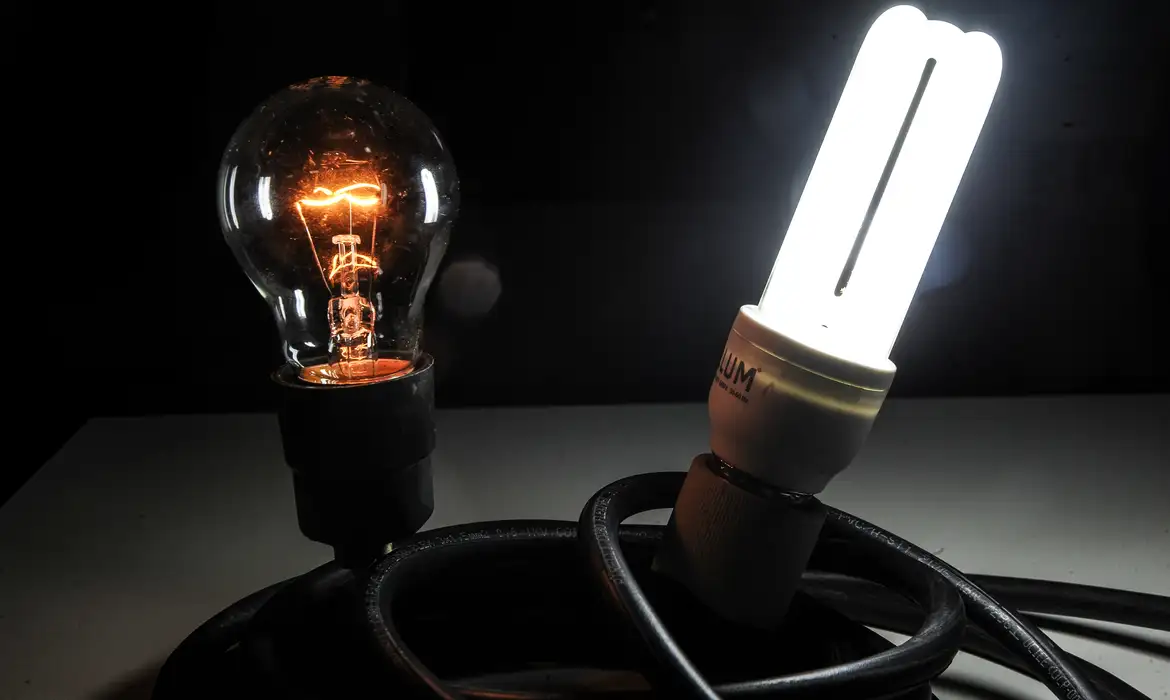
Frequent Flickering of Household Lights May Be a Sign of Electrical Problems, From Poor Contact to Circuit Overload. Know How to Identify and Resolve the Situation.
If the lights in your home are flickering, it’s essential to find out the reason quickly and resolve the issue. Some causes are easy to fix, but others might indicate serious electrical risks.
Flickering lights can be a sign of loose connections, issues with the electrical grid, or even defects in appliances. These fluctuations may be constant or intermittent, depending on the problem.
Understanding the reasons can help prevent greater damage and ensure the safety of the home environment. Learn more about the main causes and how to resolve them.
-
A Brazilian millionaire couple restores a farm over 150 years old in the interior of São Paulo and transforms the historic property with Portuguese tiles, antique furniture, and new spaces into a refuge that blends tradition, comfort, and sophistication.

-
Submerged city in a lake in Minas reveals intact streets, preserved vehicles, and houses after more than 60 years, impressing divers.

-
Yellowstone has started to rise again in an area of the caldera, and the movement rekindles fears surrounding the U.S. supervolcano, as scientists monitor the deformation and try to understand what is happening underground.

-
Woman arrested after receiving $1.2 million due to banking error and not returning the amount.


Are Flickering Lights Dangerous?
Not always. If the cause is a loose bulb, the risk is low. However, faulty electrical connections can cause overheating and increase the risk of fires.
In older homes, the problem may be more frequent. The wear and tear of materials over the years can compromise the quality of the electrical installations, making them less safe.
A warning sign is the sound of popping or clicking, which indicates an electrical arc inside the junction box. This problem generates high temperatures, potentially leading to a fire if not corrected quickly. This risk intensifies if there are flammable materials nearby, such as wooden furniture or curtains.
Another concerning factor is when the lights flicker, and the circuit breaker trips frequently. This may indicate an overload in the electrical system or even deeper faults in the installation. In these cases, an electrician should be called for a detailed assessment and possible repair.
Simple Solutions for Flickering Lights
Before calling an electrician, check if the solution is simple:
- Loose Bulb: Turn off the light, tighten the bulb in the socket, and turn it back on.
- Faulty Switch: Check if the switch is loose and replace it if necessary.
- Loose Light Socket: Disconnect the bulb, adjust the metal pins in the socket, and try again.
- Incompatible Bulb Type: Ensure that the bulb used is compatible with the type of fixture and switch.
- Temporary Issues with the Electrical Network: Sometimes, fluctuations in the distribution network can cause momentary flickering. If the problem is temporary, it may not be a fault in your home.
If the lights continue to flicker, the problem may be more complex and require the evaluation of a qualified professional.
More Serious Causes of Flickering Lights
Some situations require professional help:
- Loose Wires or Connections: This can occur due to wear, improper installation, or damage from animals.
- Voltage Variations: If the lights flicker when a large appliance is turned on, it may be an issue with the electrical network.
- Problems with the External Network: Connections from the power distributor can deteriorate, affecting multiple circuits in the house.
- Neighborhood Issues: If neighboring houses are also experiencing flickering, it could be a problem with the power supply.
- Short Circuit or Electrical Overload: If multiple appliances are turned on at the same time and the lights start flickering, it can be a sign that the system is overloaded.
In some situations, an electrician may recommend replacing wiring or installing a new distribution panel. This improves the efficiency of electrical supply and helps prevent short circuits.
Types of Lightbulbs and Their Influence
Not all lightbulbs react the same way:
- LED: They may flicker if used with old or low-quality dimmers.
- Fluorescents: They tend to flicker more, especially in low temperatures.
- Incandescent: They are less common today, but can flicker with voltage variations.
- Halogen: They operate similarly to incandescent bulbs but with greater energy efficiency. If installed incorrectly, they may exhibit flickering.
- Lightbulbs Connected to Motion Sensors: Some models may flicker when there is electrical interference or when the sensor sensitivity is not properly adjusted.
If LED bulbs flicker frequently, check if the dimmer is compatible. Some older versions of dimmers are not suitable for this technology, causing fluctuations in lighting.
When to Call an Electrician
If the lights continue flickering after checking simple solutions, it’s time to seek a professional. Do not ignore signs such as:
- Popping sounds along with flickering.
- Frequent flickering without apparent cause.
- Recurring problems in older homes.
- Breakers tripping repeatedly.
- Exposed wiring or burnt smells near outlets and fixtures.
Resolving electrical issues early can prevent risks and ensure your home’s safety. Additionally, preventive maintenance can help reduce energy consumption and avoid high costs with emergency repairs.
If you have any doubts about the source of the problem, a qualified electrician can conduct a detailed analysis and ensure that your electrical installation is safe and efficient.





-

Uma pessoa reagiu a isso.