





 Portuguese
  English
  Spanish
  4 min of reading
  14 comments


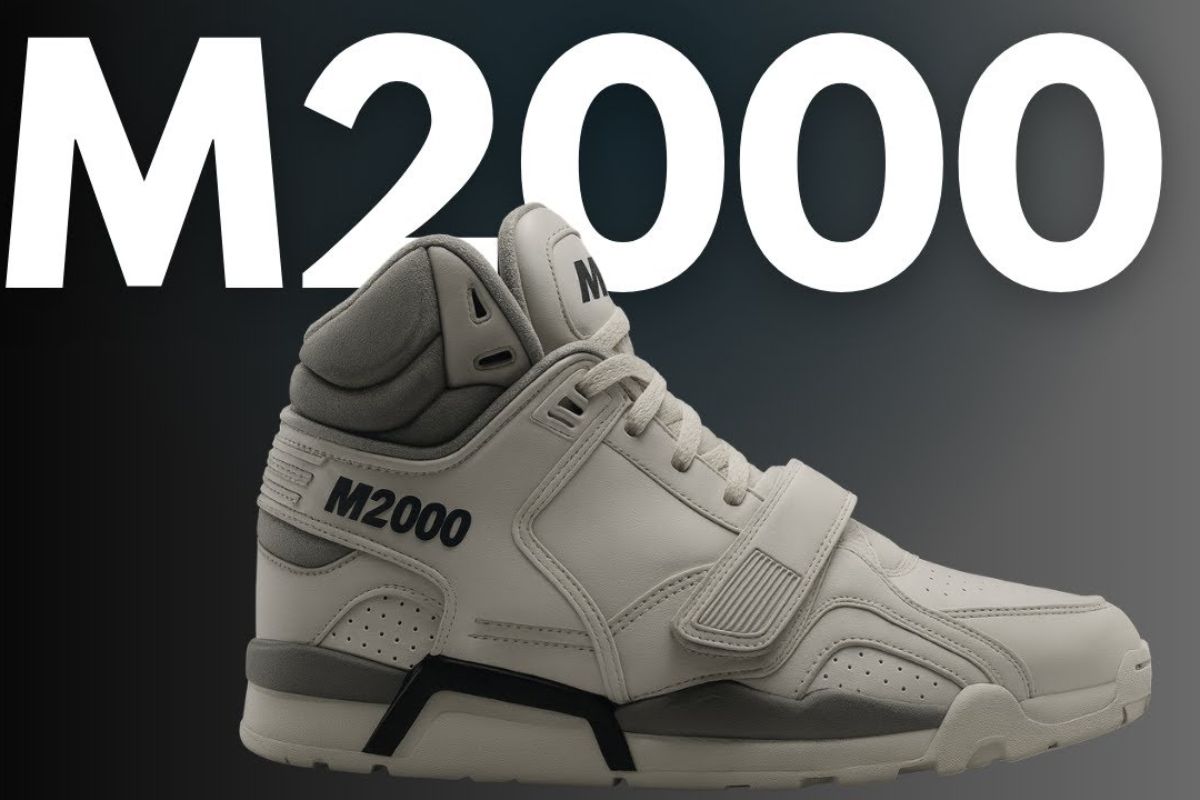


The M2000 Became a Symbol of the 90s by Transforming Youth Desire into Record Sales, but the Same Environment That Fueled Its Growth Changed Too Quickly; Trade Liberalization, Exchange Rate, and Global Competitors Redrew the Game and Exposed Limits of Cost, Scale, and Positioning
The M2000 emerged when Brazilian urban fashion retail was seeking its own identity and the young consumer wanted accessible novelty. In just a few years, the brand occupied storefronts, gained national visibility, and became a status reference in major cities, at a time when market reserve still shaped access to products. Its peak came in the early following decade, with an estimated revenue of 100 million dollars in 1992, consolidating an operation that went beyond sneakers and embraced an entire style.
This cycle, however, faced a structural turning point. The opening of imports and the exchange rate change in the 90s altered relative prices, expanded the offer, and brought global icons into the same shopping aisle. While the public discovered new references, M2000 started competing with international brands and faced the pressure of lower-cost Asian products, all while maintaining a production base located in Brazil.
From 1988 to the Peak: When the National Became Aspirational
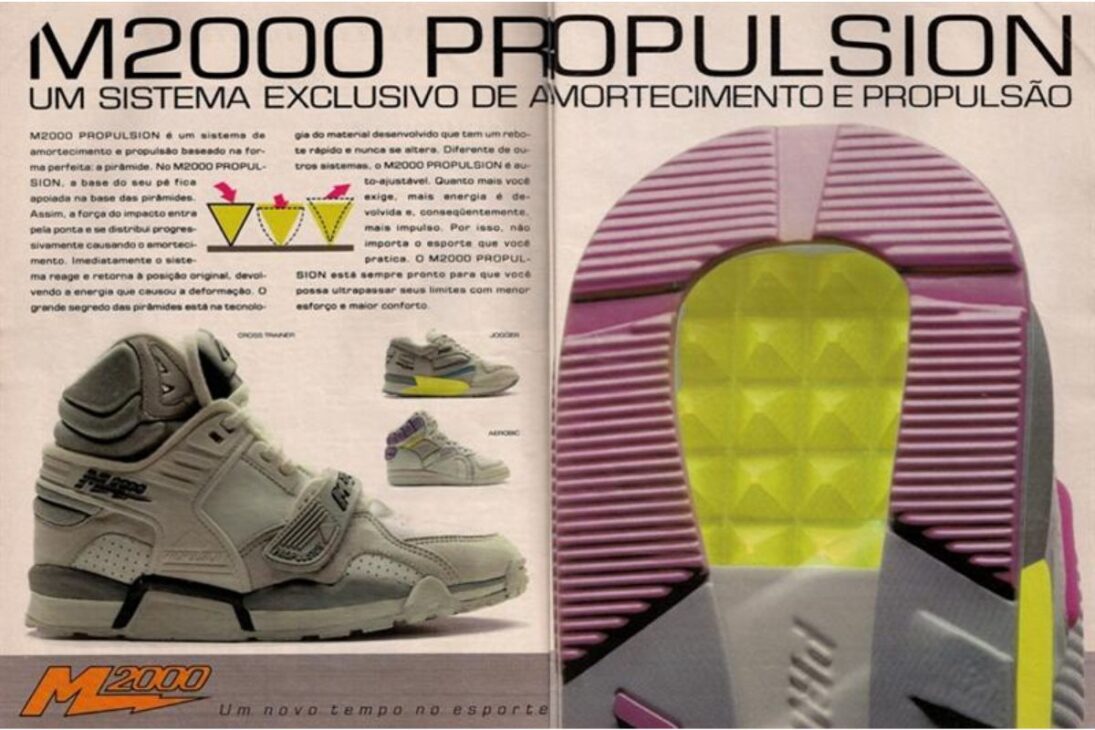
The brand was born in 1988, betting on streetwear design, high sole, and striking visuals, in an environment of strong open TV and crowded shopping malls.
-
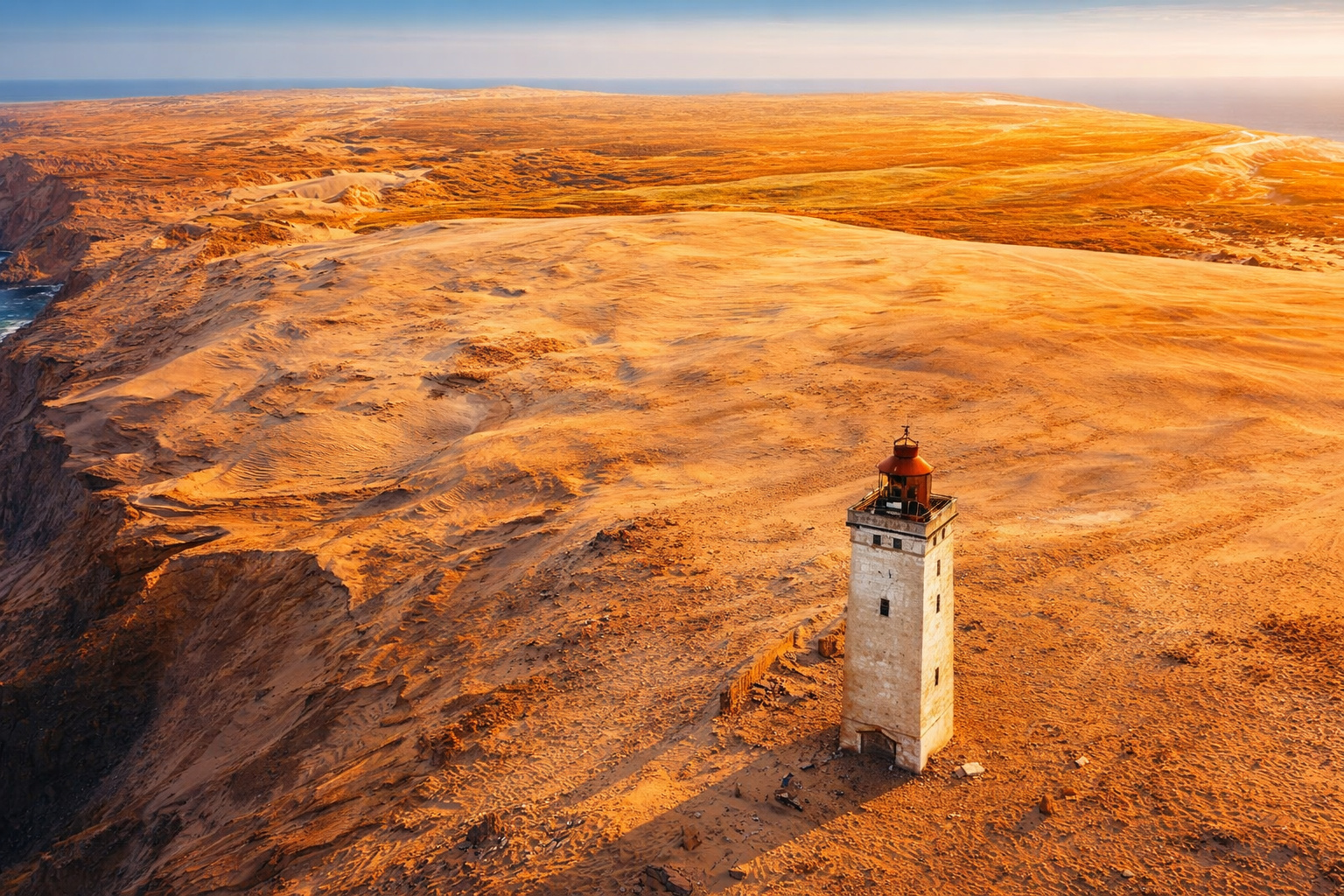
Attracting around 250,000 people a year, a lighthouse 200 meters from the sea, on a 60-meter high cliff, on the North Sea coast in Denmark, becomes one of the most impressive examples of how nature can threaten historical buildings.
-
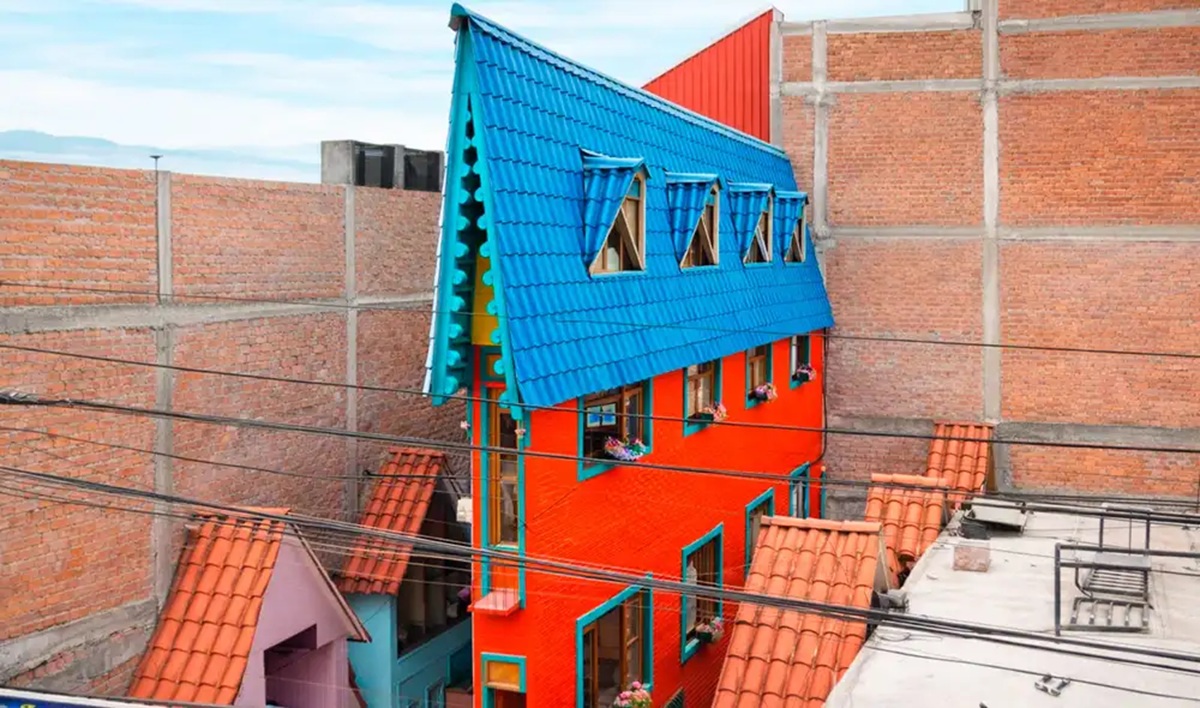
The narrowest house in the world is only 63 centimeters wide, but inside it can accommodate a bathroom, kitchen, bedroom, office, and even two staircases.
-
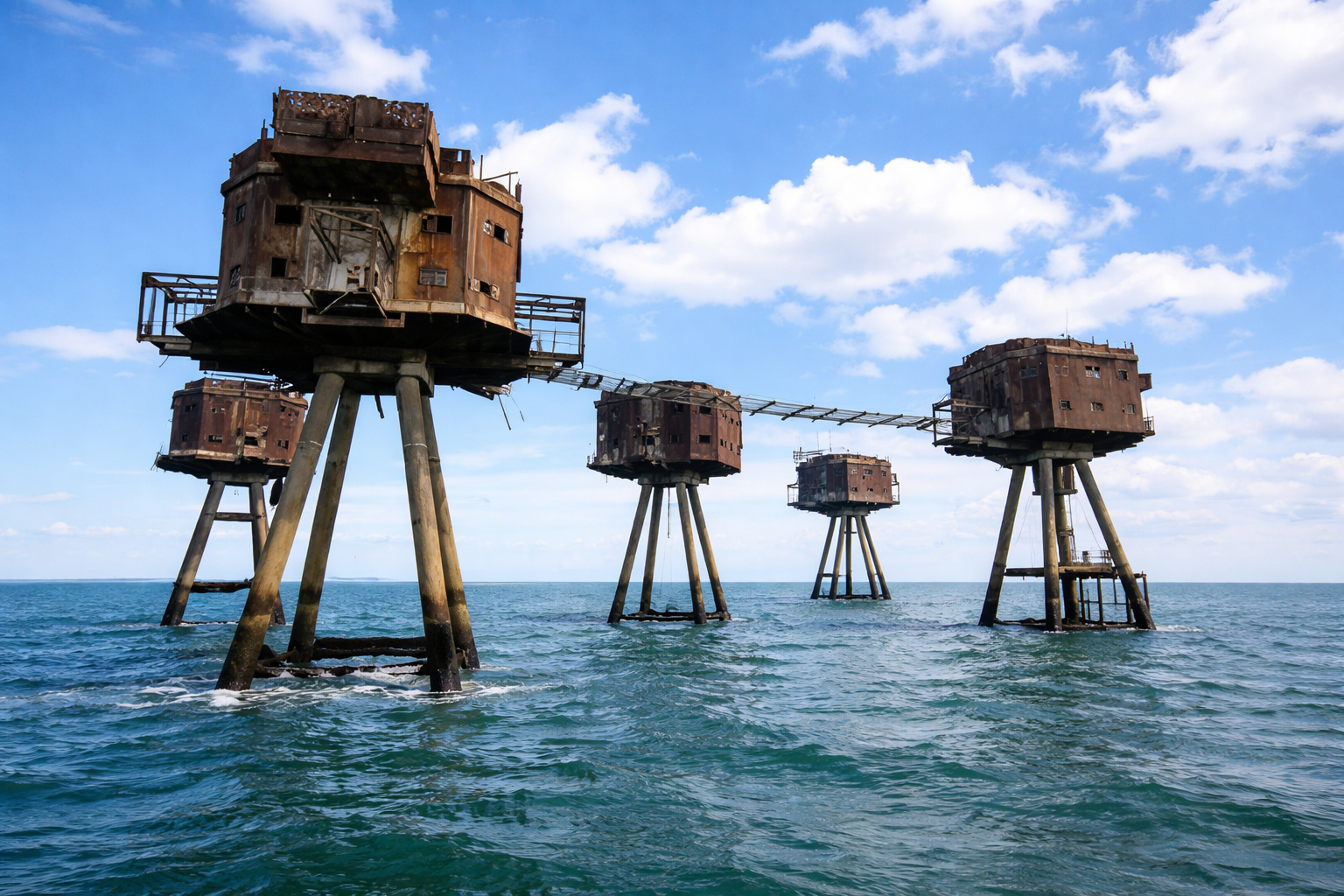
In the middle of the sea, these enormous concrete and steel structures, built by the British Navy to protect strategic maritime routes, look like they came straight out of a Star Wars movie.
-
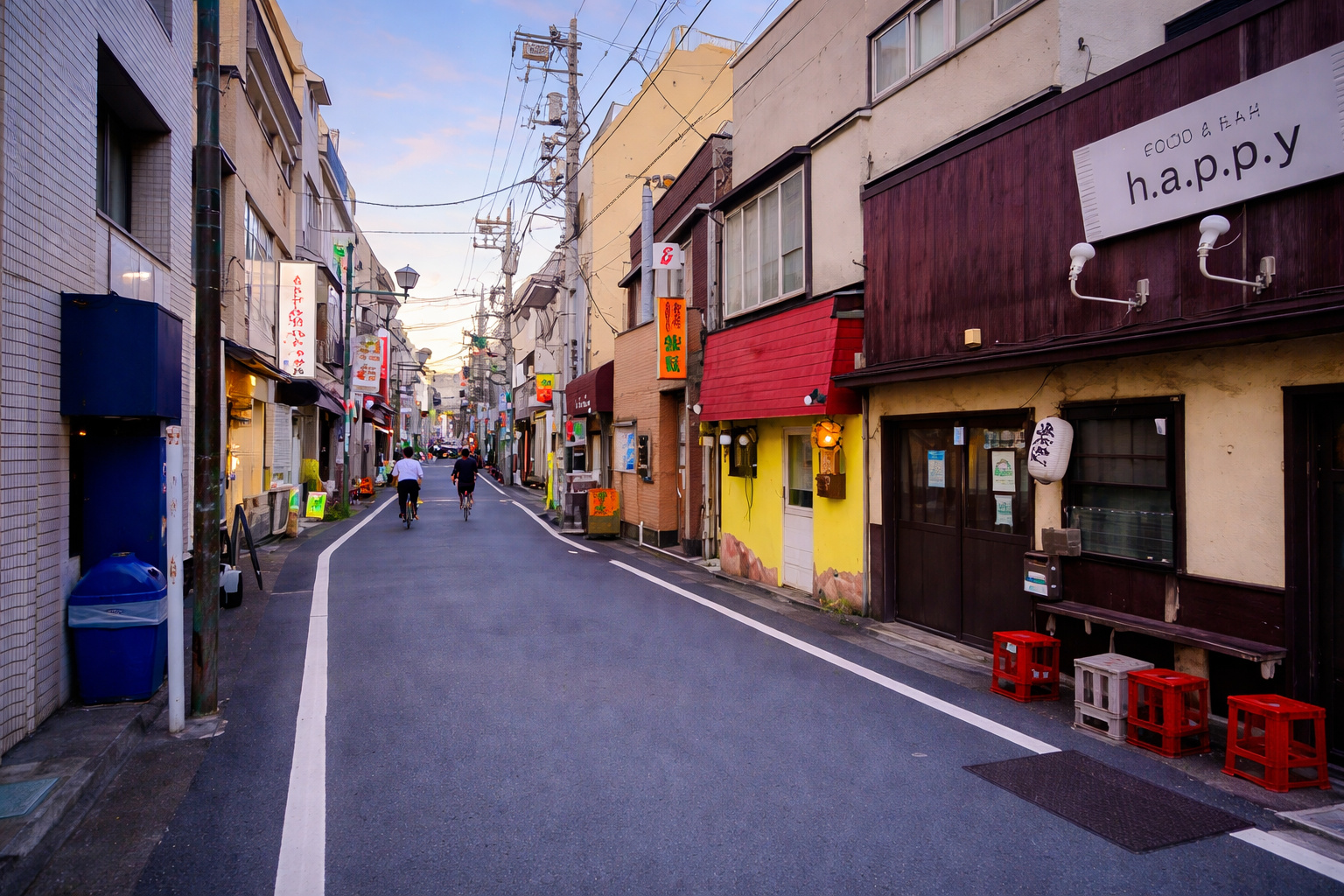
For years, no one could cross a neighborhood in Tokyo because of the tracks, but an impressive solution changed mobility and completely transformed the local routine.

The name M2000 captured a future imaginary, offering Brazilian youth a product that resonated with fashion, music, and urban culture.
The growth was rapid.
The portfolio expanded from sneakers to clothing, caps, backpacks, and accessories, with production relying on traditional hubs in the interior of São Paulo.
Presence in sports sponsorships reinforced visibility, connecting the brand to a performance and speed universe that fascinated the public of the time.
Opening, Exchange Rate, and Competition: The New Board in Just a Few Years
From the early 90s onward, barriers fell, tariffs decreased, and imported products became more accessible.
Thus, consumers began to choose between global and national references, and prices were made viable by international supply chains.
Brand loyalty to local products was tested by the symbolic power of Nike, Adidas, and similar brands, while Asian products pressured the price floor in retail.
For M2000, the impact was twofold.
Domestic costs and limited scale reduced the maneuvering room in the face of the new mix of offerings.
The aspirational reading also shifted, as the public began to associate desire with brands that dominated media and sports worldwide.
What was a differential became a competitive disadvantage, and the sales decline spread across retail outlets until the contraction at the end of the decade.
Product, Price, and Positioning: Where the Equation Lost Traction
The initial success combined clear visual proposal, active distribution, and cultural proximity. With the opening, the product-price-positioning triangle became more demanding.
Without global scale, price elasticity shortened, and the same design that previously sufficed now had to compete with technology, international narrative, and mass marketing.
On the retail floor, the decision of the young buyer changed.
Even when local quality was good, the global reference weighed heavily, and the price comparison skewed the competition.
The brand saw its appeal diminish and its share shrink, with a gradual closure of stores and loss of media space.
The Return to Memory: Relaunch and Niche
Decades later, M2000 was relaunched with a nostalgia appeal, reconnecting with those who lived through the 90s and presenting its aesthetics to new audiences.
There was investment in models, color variations, and national production, in addition to events and activations.
The current operation is leaner and more focused, with a presence in niches like beach tennis, along with reduced lines of footwear and apparel.
This pivot reveals a crucial point: nostalgia is a lever but does not replace strategy.
Affective memory opens doors, but sustainability depends on focus, coherent portfolio, agile operation, and efficient distribution.
In a globalized market, competitive advantage arises from a distinct proposal and disciplined execution, not just from a glorious past.
What the M2000 Teaches About Brazilian Brands in Open Markets
The trajectory exposes lessons for those building brands today.
Scale and cost matter, but proposition and community sustain value.
Unique design, consistent curation, and fine reading of channels help to compete even without global muscle.
Smart industrial partnerships, omnichannel strategies, and narratives that speak to specific tribes increase resilience in the face of economic cycles and external competition.
At the same time, the story reminds us that windows of opportunity close quickly. Moments of exchange rate changes, tariff shifts, and cultural trends require agile adjustments.
Brands that combine operational efficiency with a clear identity maintain relevance even as the environment shifts.
The M2000 marked a generation, achieved impressive numbers, and felt the force of a reshaped market in just a few years.
Opening, exchange rate changes, and new references transformed consumption habits, and the brand needed to reinvent itself on a smaller scale, supported by memory, niche and curation.
Did you live the M2000 in the 90s or did you get to know the brand in its recent relaunch? In your opinion, can a Brazilian brand compete today with global giants in streetwear if it focuses on niches, product identity, and a lean operation? Share in the comments which piece you had or would have and what strategy would make sense for M2000 to regain scale.







Foi febre, tive desse tênis, a lateral perto do solado tinha uma borracha que absorvia a sujeira e nunca mais limpava. Passou muita raiva.
M2000 foi uma febre,junto com os tênis da Le Cheval que nesse caso era meio que uma cópia dos tênis da Le coq sportiv
Icone da epoca, produto maravilhoso, no inicio foram fabricantes de tenis NIKE, no BRASIL. Alguem se lembra quando o Michael Jackson esteve no BRASIL. Desceu do Aviao com um Guarda-sol da marca M2000. Ah, tambem foram um dos patrocinadores da turne do GUNS ‘ROSES NO BRASIL, se nao me engano em 1991..