





 Portuguese
  English
  Spanish
  3 min of reading
  0 comments


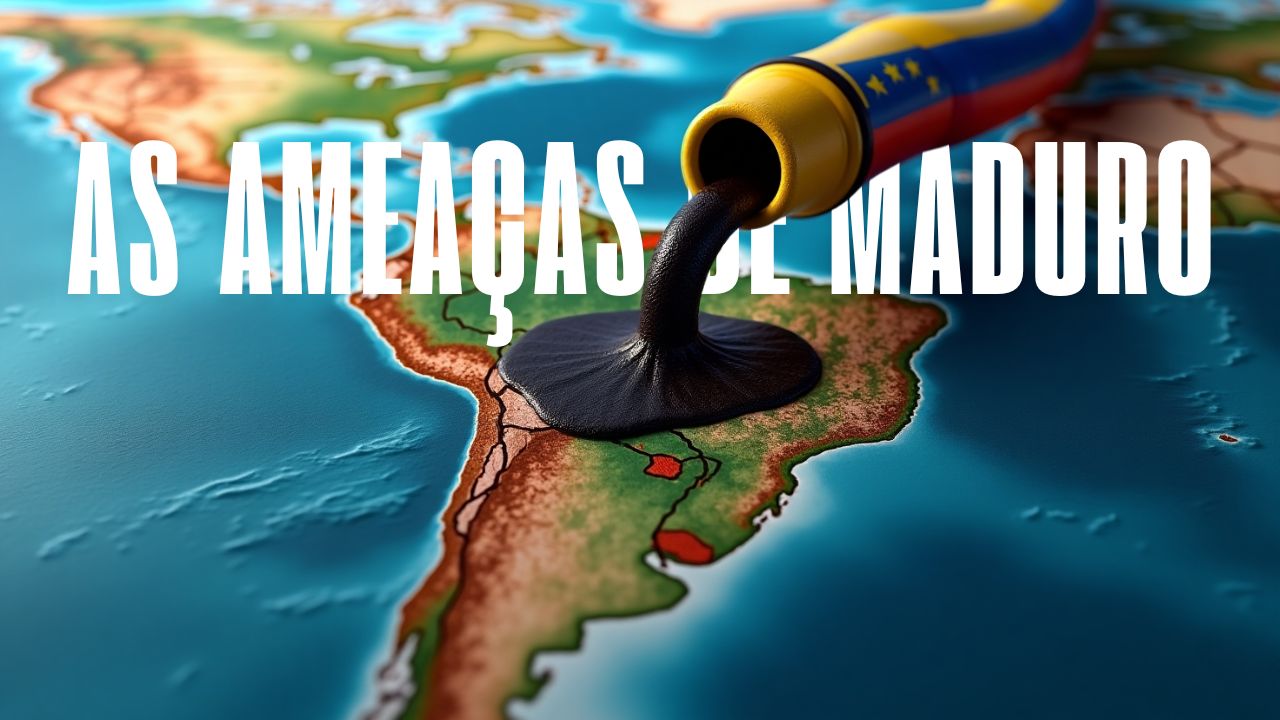
The Venezuelan Dictator Nicolás Maduro Has Once Again Threatened Oil Exploration in Guyana, Claiming That His Government Will Take Measures to Prevent ExxonMobil’s Operations in an Area That Venezuela Claims as Its Own.
In his speech, Maduro criticized Guyana and ExxonMobil, calling oil exploration in the region “illegal activity”. According to him, Venezuela will not recognize contracts signed by Guyana without a clear demarcation of the territory.
Maduro reinforced that he will take all necessary measures to prevent the advance of these operations, but did not detail what kind of action could be implemented.
The Accusation Against the Government of Guyana and ExxonMobil
The Venezuelan government accuses Guyana of acting in a “surrendering” manner, allowing ExxonMobil to explore oil in an area whose sovereignty is still disputed.
-
Offshore industrial demand in Macaé skyrockets with the recovery of oil and gas and could grow by up to 396% by 2026 in the Campos Basin.
-
Offshore industrial demand in Macaé surges with the recovery of oil and gas and could grow by up to 396% by 2026 in the Campos Basin.
-
Brazilian giant expands borders in the Southeast: Petrobras confirms new oil discovery in ultra-deep waters in the pre-salt of the Campos Basin.

-
Alert in the global energy market: Severe tropical cyclone hits the coast and disrupts gas production at major plants in Australia, threatening global supply.


For Maduro, the presence of the American oil company in the region without a clear agreement between the countries is unacceptable and must be opposed.
The Response of Guyana and International Concern
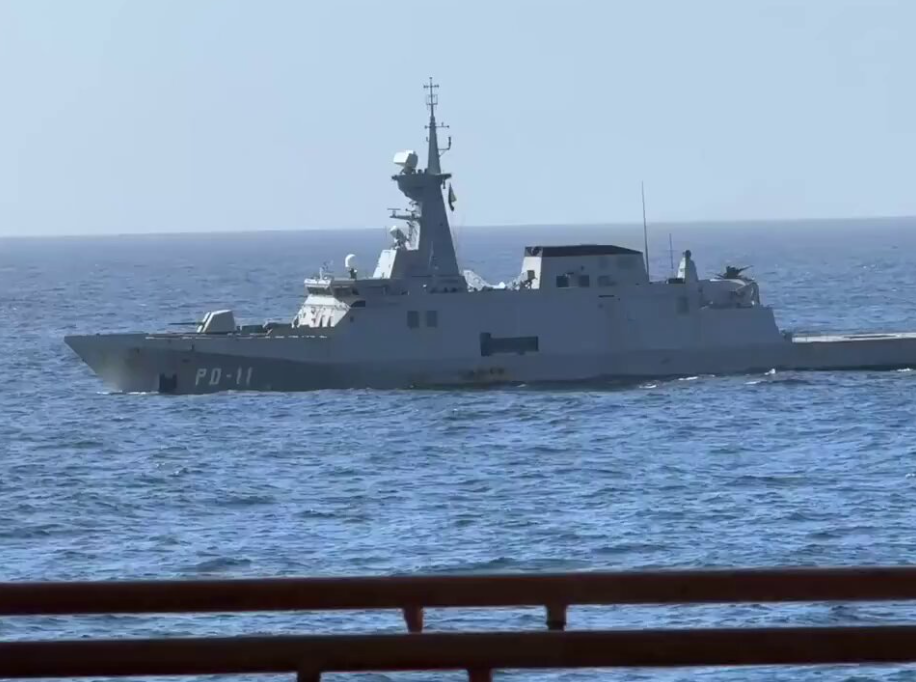
Days before Maduro’s statements, the President of Guyana, Irfaan Ali, expressed grave concern about the presence of Venezuelan naval vessels near an ExxonMobil platform.
The Guyanese government warned that Venezuelan movements threaten floating production and storage facilities (FPSOs), risking the stability of the region.
The Caricom quickly took a position, urging Venezuela to withdraw its vessels from Guyanese waters and to avoid any contact with the oil platforms.
The organization also warned of the risks of confrontation and called on both countries to avoid any escalation of conflict while awaiting the decision from the International Court of Justice (ICJ).
The Territorial Dispute Between Venezuela and Guyana
The dispute between Venezuela and Guyana over the Essequibo territory, which holds tons of oil, dates back to the Paris Arbitral Award of 1899, which granted the area to what was then British Guiana.
Decades later, Venezuela declared the decision invalid and signed the Geneva Agreement of 1966 with the United Kingdom to try to resolve the dispute. However, no definitive agreement has been reached.
Currently, the issue is being reviewed by the International Court of Justice (ICJ), which may make a final decision on who owns Essequibo.
However, Maduro has already stated that he will not recognize a decision that goes against Venezuela’s interests, which could further increase tensions between the two countries.
The Impact of the Crisis on Oil Exploration in Guyana
Guyana has become an important hub for oil exploration, attracting major companies such as ExxonMobil. The country seeks to strengthen its economy through oil extraction in the maritime territory disputed with Venezuela.
The presence of the American oil company in the region is viewed by Maduro as a violation of Venezuelan sovereignty, which motivates his threats.
Tension between Venezuela and Guyana may increase if Maduro decides to adopt more aggressive measures against ExxonMobil’s operations.
If Venezuela attempts to physically block oil exploration in Guyana, the risk of a military confrontation in the region will increase, necessitating an international response.








-

Uma pessoa reagiu a isso.