





 Portuguese
  English
  Spanish
 3 min of reading


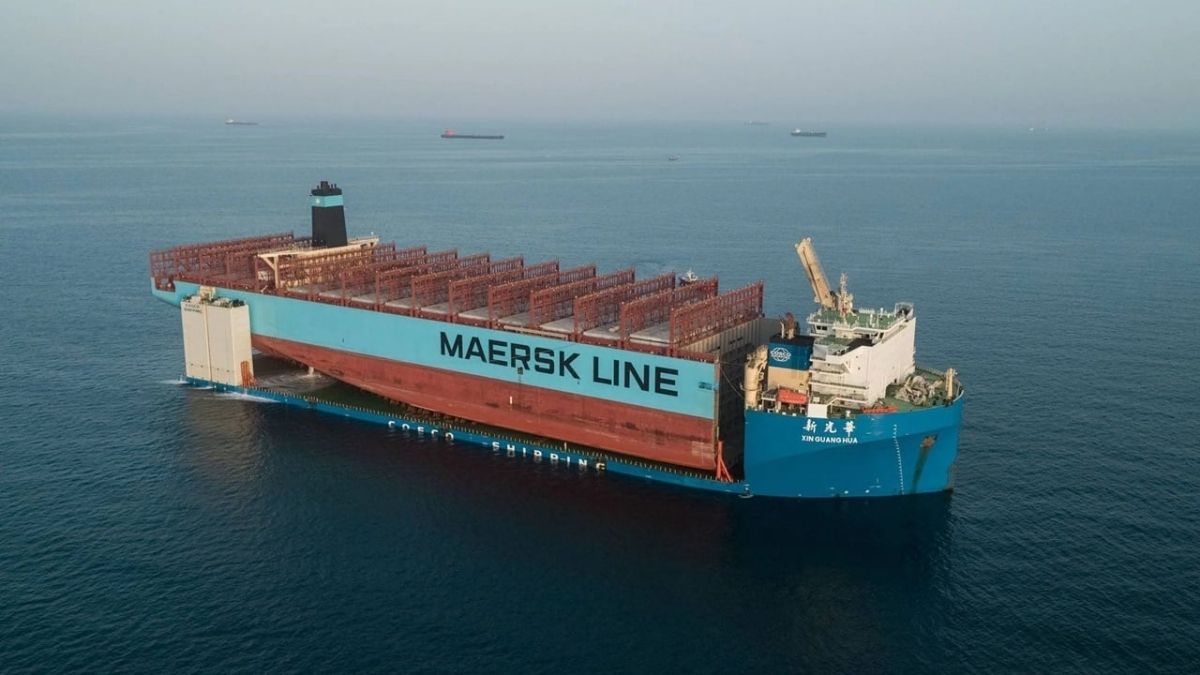
By Rotem Hershko, Director of Trading Platforms at A.P. Moller – Maersk
July 18, 2022 – Lockdowns, detained containers, ships waiting weeks outside terminals while supply chains struggle to keep up. This is the reality of global trade since early 2020, when the Covid-19 pandemic hit manufacturers worldwide and triggered record consumer demand, overwhelming supply chain capacity. As a result, companies around the world are facing supply delays and empty shelves.
It is time to rethink and restructure global supply chains to facilitate the flow of goods. Currently, we are witnessing some monumental changes in transportation and logistics as the pandemic and massive increases in demand for electronics, furniture, and construction materials have accelerated the need for omnichannel solutions. At Maersk, we have also felt this effect; the value of bookings made on our site jumped to $38 billion, nearly 2/3 of our revenue, making our site one of the largest B2B platforms in the world.
This digital transformation allows logistics operators to better serve their customers by optimizing single-channel supply chains, freeing resources, and enabling customers to focus on their businesses. Today, it is possible to book a container using a smartphone, which was unthinkable a few years ago, when multiple touchpoints, such as email and phone calls, were needed to confirm an order.
-
Oncorp wins auction and enables biodiesel and gas thermal plants in Brazil, with strategic projects in Suape and Xavantes Aruanã.
-
Raízen Recovery: Shell Cosan May Reduce Control After R$ 65 Billion Debt

-
Outback Montes Claros: Chain Confirms First Unit in Northern Minas in 2026

-
Inpasa Creates Advisory Council and Brings José Olympio to Strengthen Corporate Governance

A Breakthrough
Covid-19 also changed the logistics priority in the business community. Before the pandemic, supply chain management was a “just in time” issue, while inventory management was forced to evolve to have enough supplies to meet demand. The trend was to seek cost reduction, but the pandemic made companies vulnerable to the slightest disruptions.
Today, supply security and inventory management are among the top priorities and are part of quarterly earnings reports in almost every company. The strength of the supply chain shapes profit potential and the response of financial markets.
Although the business community has embraced the digitalization of supply chains, the use of data and artificial intelligence is still lacking. Operating a supply chain manually makes it nearly impossible to gather all data, as it is spread across up to 30 “actors.” Data collection is a monumental task at a time when the ability to make quick decisions is crucial to ensure the flow of goods.
Maersk receives and compiles feedback from over 100,000 customers, providing a unique insight into their needs and movements in global markets. Therefore, it is essential to continue investing in the development of new tools and digital products that better integrate logistical solutions and make it easier for customers to find alternative transportation methods when there is a supply chain disruption.
The current market situation has reinforced and sustained the need to rethink and optimize global supply chains. The rapid rise of e-commerce and online shopping, where consumers expect daily deliveries, has increased the need for a long-term relationship between logistics companies and their customers. Consumers want visibility and accurate delivery times when shopping online.
Cultural Transition
The new reality is very demanding. It is no secret that the shipping business has long been characterized as conservative and analog, with many manual processes. Shipping a container can involve 100 different documents.
For A.P. Moller – Maersk, the process of becoming a leading logistics integrator included rethinking corporate culture, breaking some old habits, and starting new ways of doing business. Since 2016, the number of technology employees, who are now a fundamental part of daily operations, has tripled.
The pace of technology is reshaping the world, and logistics companies must embrace change and digitalization to avoid being left behind. As a global leader in container transportation, Maersk is committed to developing the global supply chain to operate at scale, efficiently and with the capacity to manage the inherent disruptions that may arise at any moment.
Source: Sherlock Commons | Via Flávia Soares









Seja o primeiro a reagir!