





 English
  Francês
  Alemão
  Italiano
  Japonês
  Norueguês
  Portuguese
  Spanish
  5 min of reading


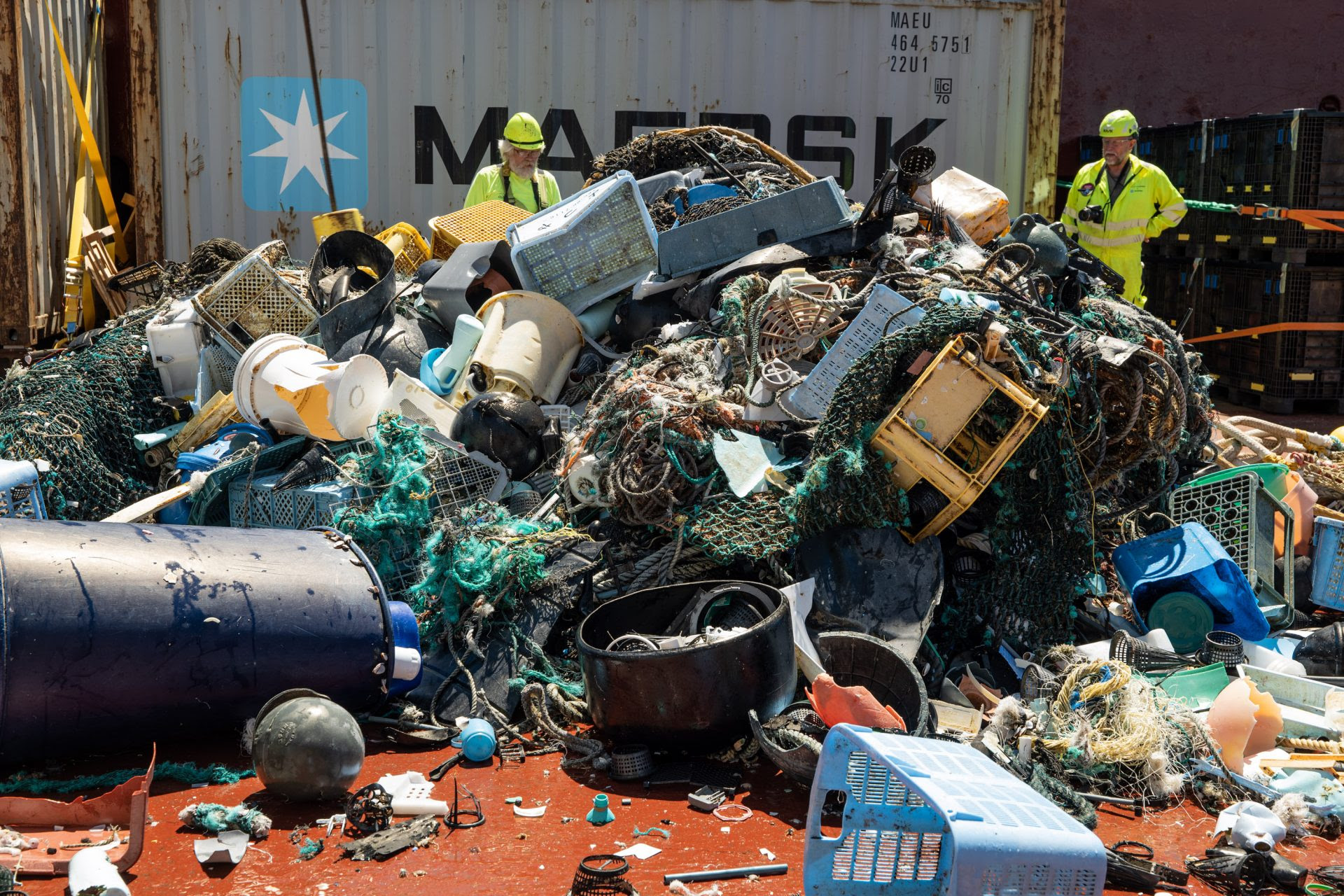
The Ultimate Goal of the Partnership Between Maersk and the NGO Is to Achieve a 90% Reduction of Floating Plastic in the Ocean by 2040
With the aim of a better world, the A.P. Moller – Maersk group has been working with Ocean CleanUp, a Dutch non-profit organization, providing end-to-end supply chain management services for river and ocean cleanup systems. Recently, the project completed its testing phase, validating the effectiveness of the technology.
Also Read
- Petrobras transferred, on Saturday (4/12), the operation of the LNG Regasification Terminal in Bahia to Excelerate, and the regasification vessel of the Brazilian oil company will be directed to the Pecém Terminal in Ceará
- After 40 years in the market, vehicle manufacturers Volkswagen and Fiat are ending the cycle of the two best-selling cars in the country and saying goodbye to the Gol and Uno; Fit, Civic, Siena, Doblò, Voyage, Saveiro, Joy, Sandero, and Logan are also leaving the Brazilian market.
- Canada’s pension fund CDPQ, with approximately US$ 300 billion in assets, wants to purchase a stake in CCR, which belongs to Andrade Gutierrez
- MRV aims to strengthen its technology team and offers free online (EAD) professional qualification courses, with certificates for 10,000 people to aid in recruitment; interested individuals from across Brazil can apply!
- Creditas is hiring candidates with high school, technical, and higher education for more than 450 home office job vacancies; professionals from all over Brazil can apply
According to a study conducted by ISWA (International Solid Waste Association), more than 20 million tons of waste are dumped into the oceans annually, with 80% coming from cities.
Additionally, results indicate that half of the waste is plastic, totaling 12.5 million tons. In this context, Australia’s national scientific agency, CSIRO, estimates that there are 14 million metric tons of microplastics in the oceans. The observed number is 35 times greater than expected.
-
Brazilian giant expands borders in the Southeast: Petrobras confirms new oil discovery in ultra-deep waters in the pre-salt of the Campos Basin.

-
Alert in the global energy market: Severe tropical cyclone hits the coast and disrupts gas production at major plants in Australia, threatening global supply.

-
Petrobras finds high-quality oil in the pre-salt at 113 km from RJ and reignites expectations about strategic reserves in the Campos Basin.

-
Ocyan opens registrations for startups focused on innovation in the oil and gas sector and will select projects for Innovation Day with the support of Nexio.


Now, the main goal of the partnership is to expand the system’s capacity and effectively capture a larger quantity of waste.
The mission of The Ocean CleanUp is to develop advanced technologies to rid the world’s oceans of plastic. To achieve this, it plans to halt the influx via rivers and clean up what has already accumulated in the ocean. The organization’s ultimate goal is to achieve a 90% reduction of floating plastic in the ocean by 2040.
The organization operates in the region known as the Great Pacific Garbage Patch, covering an area of 1.6 million km², or three times the size of France. There are 1.8 trillion pieces of plastic in the region, totaling around 80,000 tons of waste. There are also plastics dated back to 1977 in this area.
“As a responsible maritime operator, we are committed to ensuring that the oceans can remain a healthy environment for generations to come. Therefore, we are very pleased not only to extend but also to enhance the partnership agreement initiated in 2018,” explains Mette Refshauge, Vice President of Corporate Communications and Sustainability at Maersk.
More Than 29,000 Tons Have Been Collected from the Sea
The cleanup system has been in development for five years. In 2019, Model 001 was tested, but not with much success. Now, in 2021, Maersk and The Ocean CleanUp tested Model 002, which showed good results.
The testing period served as validation of the system’s operation and effectiveness, with positive results: one of the operations managed to collect 9,000 tons of waste from the ocean. In total, more than 29,000 tons have been collected.
Additionally, based on the results of each test, care was taken to ensure a healthy interaction between the system and marine life, so as not to harm the ecosystem.
Currently, to carry out the ocean cleanup, the project uses a system with two ships to execute the task. According to a survey conducted by the partnership, it will be possible to clean the garbage patch by 2040, provided 10 systems are activated for this purpose.
Maersk Has Been Providing Support to the Dutch Organization with Logistics Handling Services
Maersk has been providing support to the Dutch organization with end-to-end logistics handling services, ranging from worldwide shipping from different locations to air freight, containers, and special transport, customs clearance, warehousing, and storage management.
“The support over the last three years has been invaluable in advancing our mission,” says Lonneke Holierhoek, Director of Science and Operations at The Ocean CleanUp.
During the processes, it was noted that the garbage patch is heterogeneous, meaning there are locations with a higher concentration of waste. Therefore, different models will be used in specific areas to optimize time and ensure that each system collects as effectively as possible.
As part of the partnership, the company will also assist the Dutch organization in implementing scientific sensor technology aboard Maersk’s own fleet, to map the plastic floating in the oceans and help the organization gain a better understanding of the severity of the situation.
The goal is to assist in mapping the ocean. “What better way to map the oceans than to take advantage of one of the largest fleets in the world?” says Maersk’s Special Projects Logistics Head, Robin Townley.
In addition to the partnership with The Ocean CleanUp, the company has also provided offshore marine support to rid the oceans of plastic through Maersk Supply Services.
What Happens to the Waste
Currently, the world faces a crisis of “single-use plastic.” As a solution, the idea of making utensils from this material has emerged, which will be used for long periods.
In this way, recycled plastic will not return to the ocean. Initially, The Ocean CleanUp is making glasses from collected plastics, but other products are also being planned.
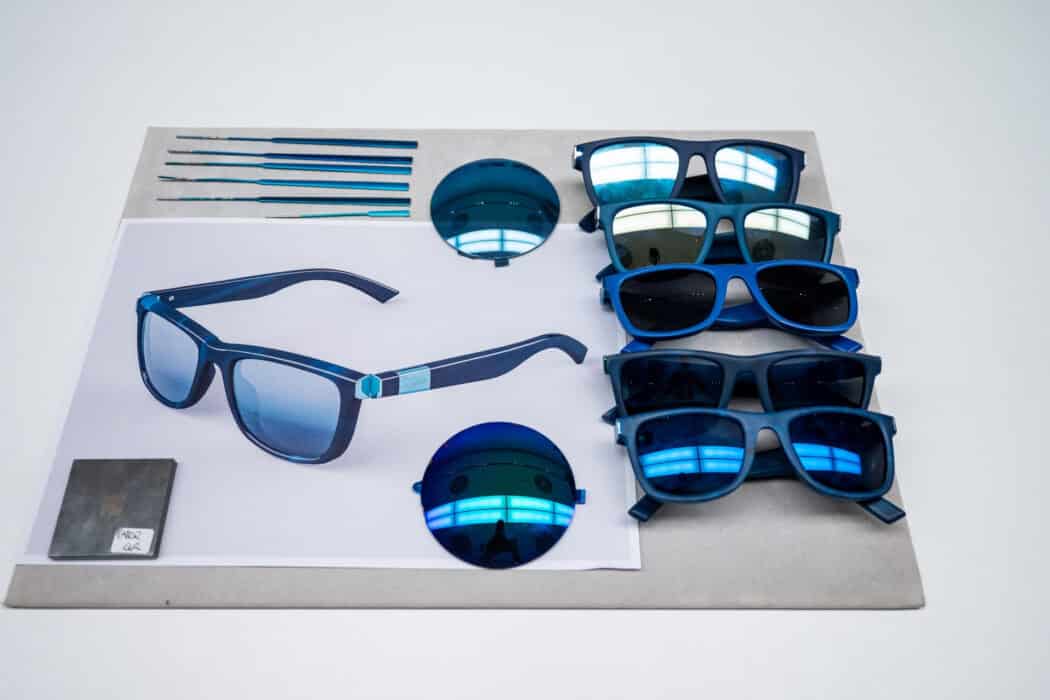
The greatest concern regarding plastics is their return to the oceans. From this, studies will be conducted so that new products are manufactured and marketed, generating greater revenue for the project and ensuring that the added value will be enough for the product not to return to the oceans.









Seja o primeiro a reagir!