





 Portuguese
  English
  Spanish
  3 min of reading
  0 comments


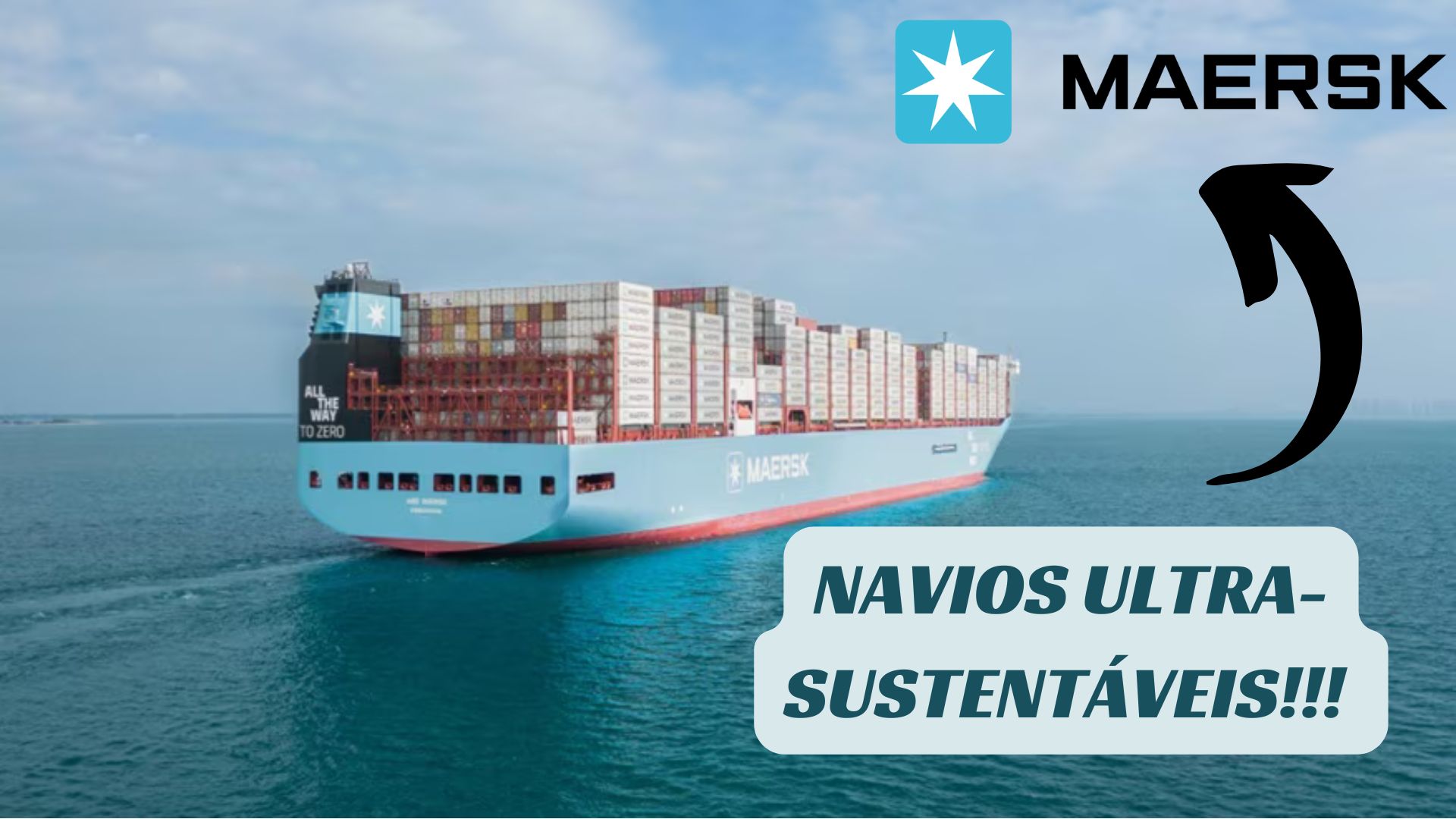
Maersk Initiates Sustainable Revolution with New Shipbuilding Agreements
A Maersk announced agreements with renowned shipyards in China and South Korea to build 20 new container ships. This reflects the company’s commitment to sustainability and fleet modernization, in a move that promises to transform the maritime sector.
Strategic Partnerships with Global Shipyards: Yangzijiang, New Times, and Hanwha Ocean
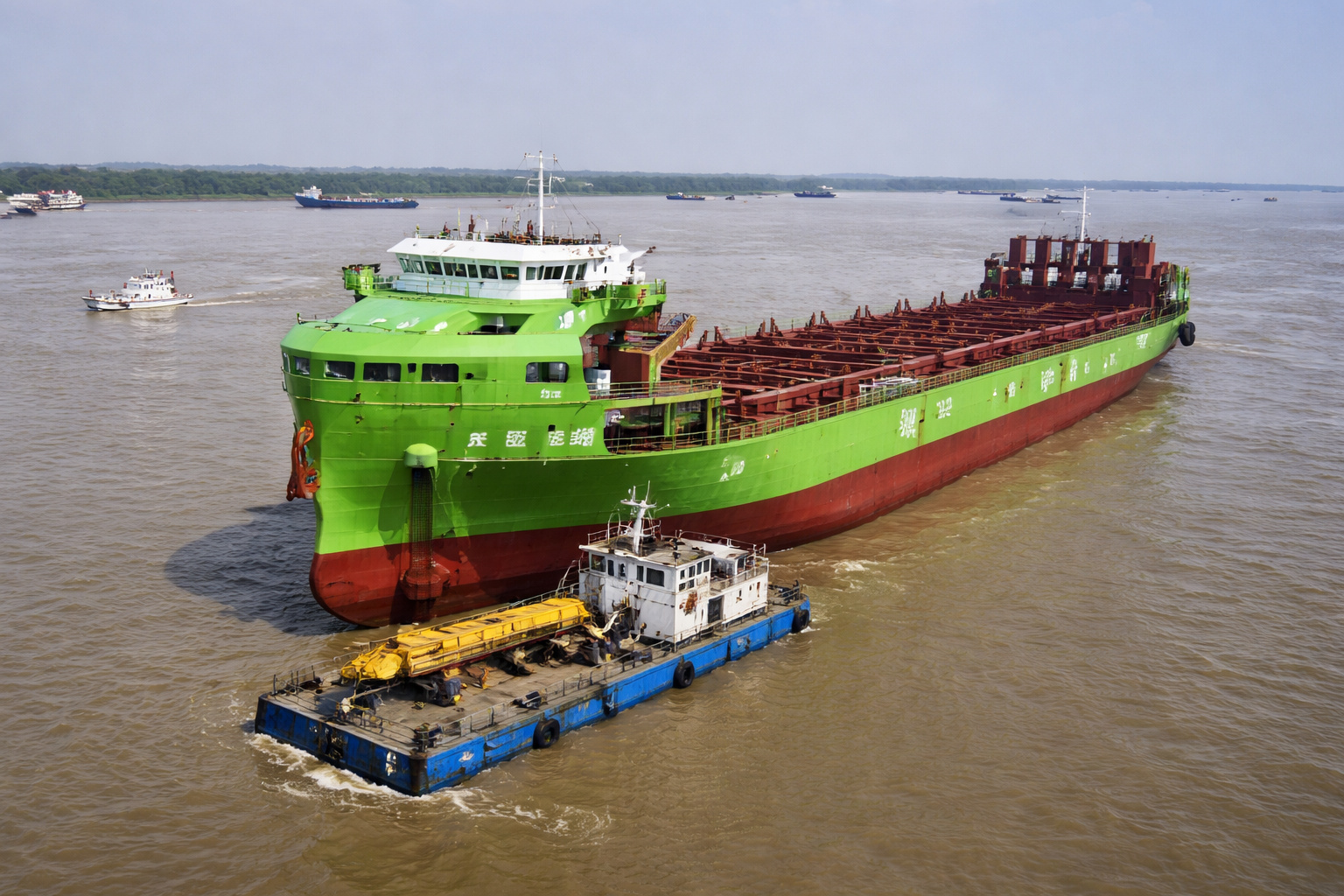
The Danish giant has partnered with renowned shipyards: Yangzijiang and New Times in China, as well as Hanwha Ocean in South Korea. These shipyards will be responsible for building the new vessels, equipped with innovative and eco-friendly technologies, such as biodual-fuel engines. Thus, Maersk solidifies its commitment to sustainability.
LNG: The Key to Sustainability at Sea
The new vessels will be powered by LNG (Liquefied Natural Gas), a more eco-friendly and efficient solution. The use of LNG is an important step to reduce carbon emissions and help Maersk meet its goal of carbon neutrality by 2040. This way, the company positions itself at the forefront of the sustainable maritime sector.
-
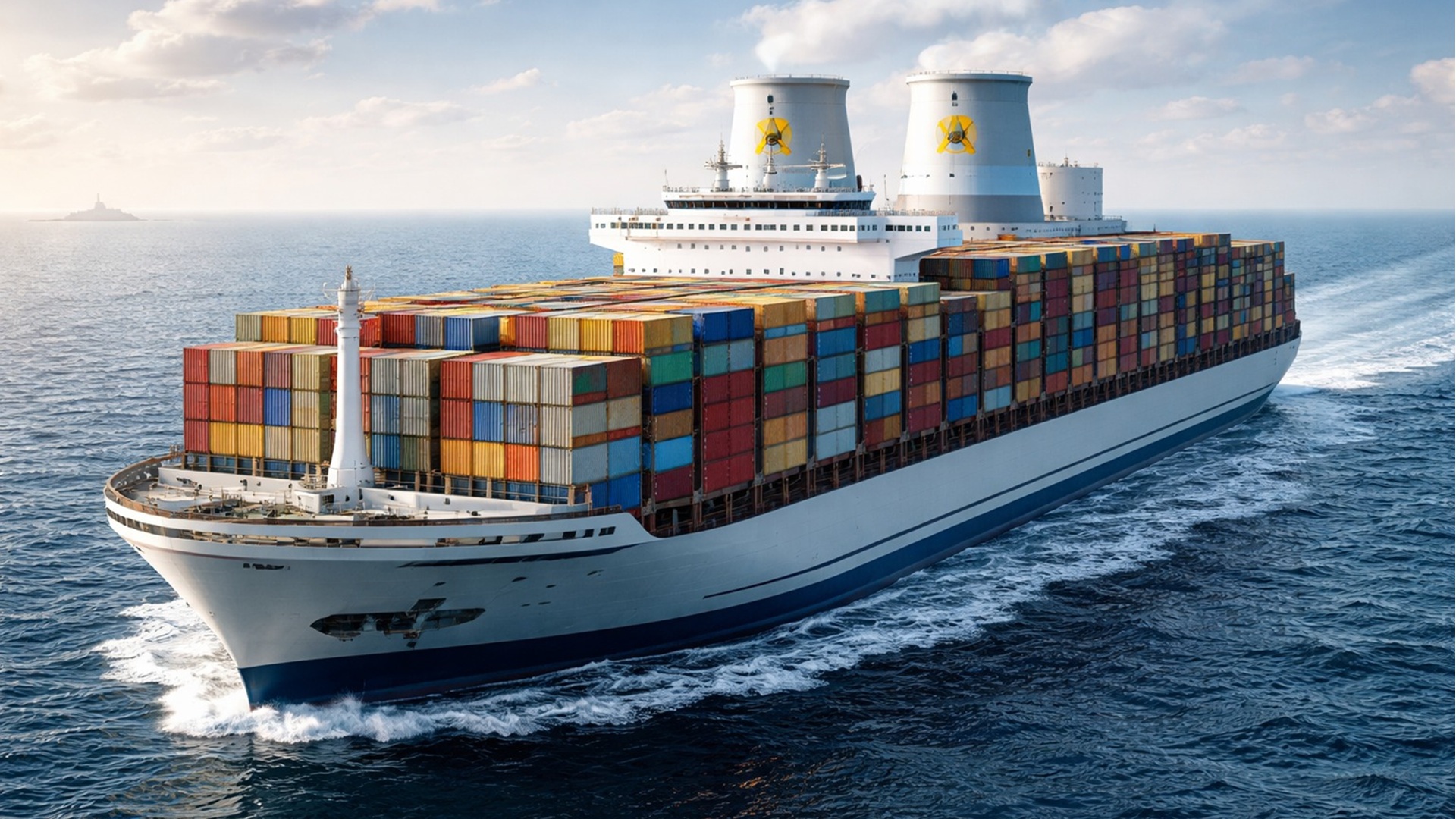
Ocean Giant Could Change Everything: Nuclear Container Ship Project Promises to Transport 16,000 Containers Without Using Fossil Fuels
-
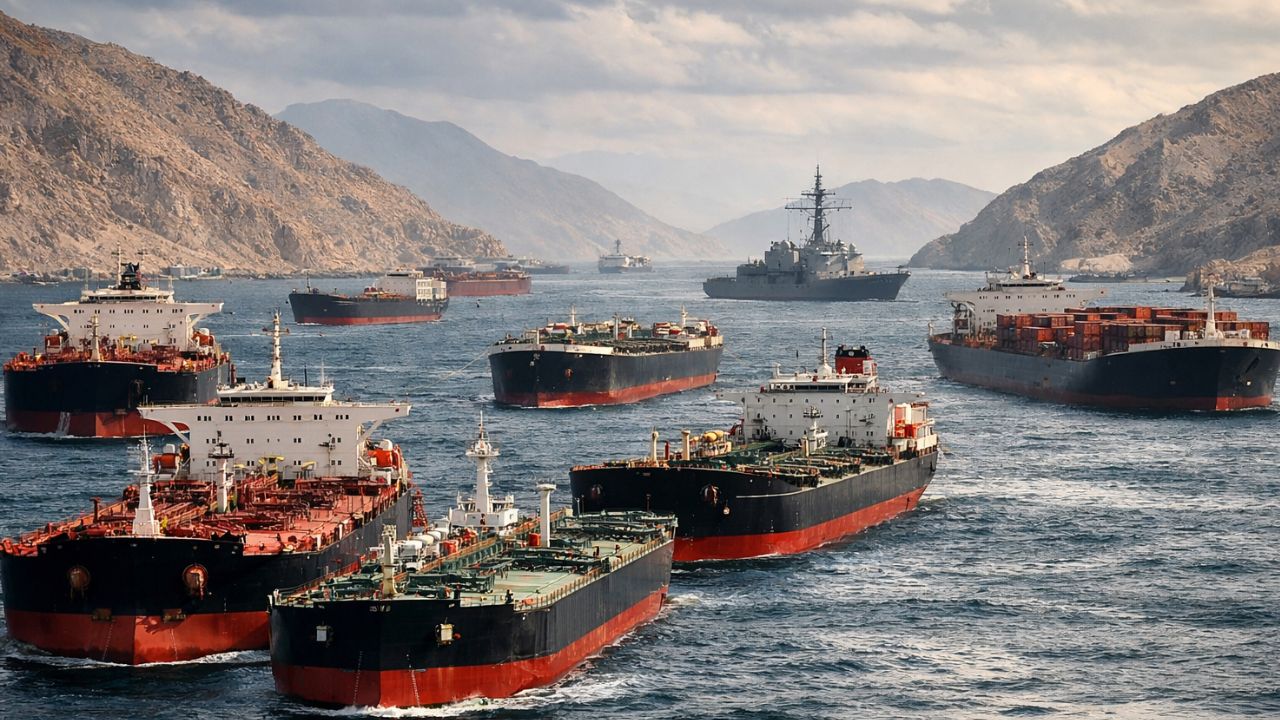
Hormuz Strait: Hundreds of Ships and Oil Tankers Stranded After Attacks in the Middle East
-
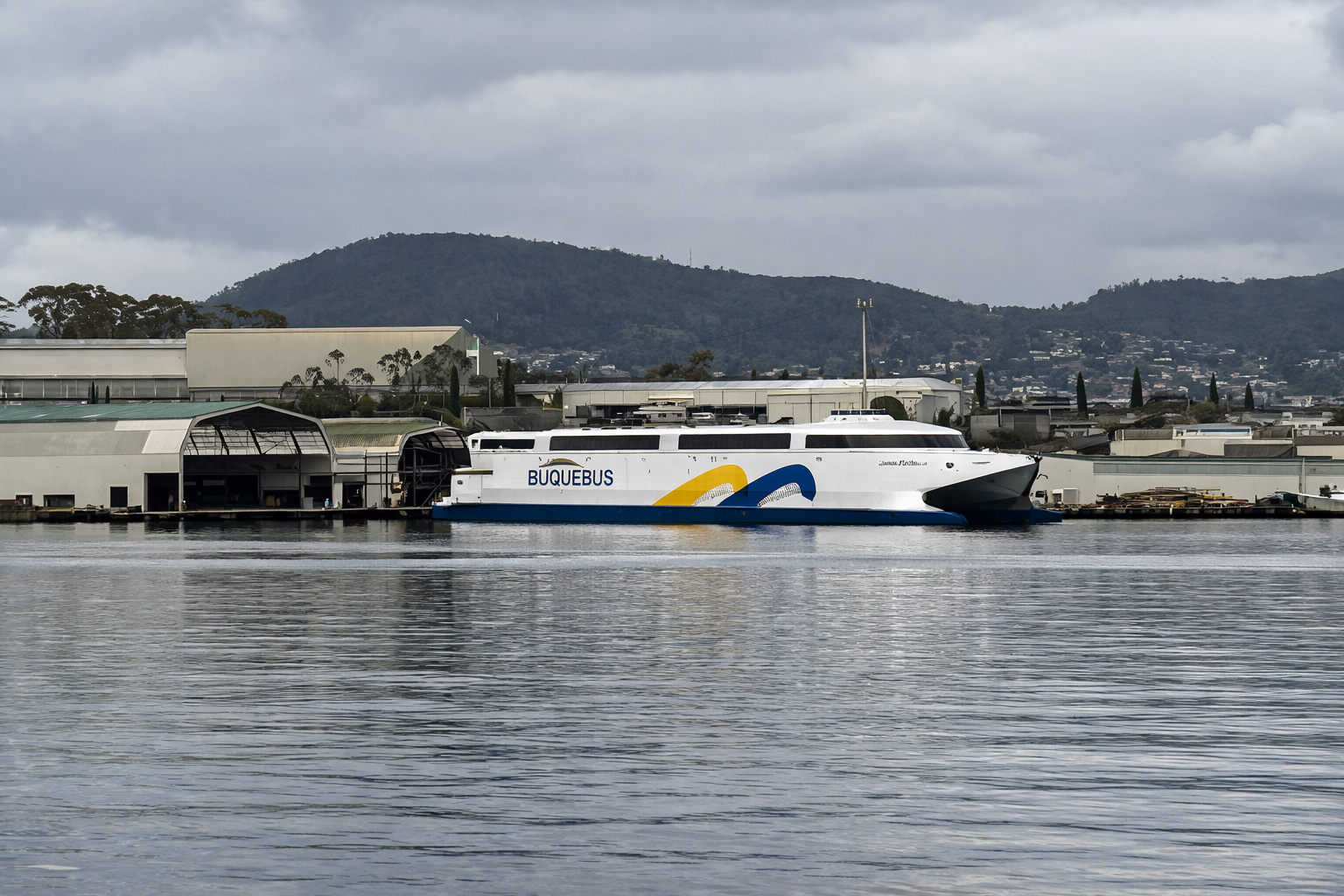
World’s Largest Electric Ship, China Zorrilla, Will Connect Argentina and Uruguay Across the Río de la Plata with a $200 Million Investment and Operations Planned for 2026
-
How A 20-Ton Anchor Holds 200,000-Ton Ships Even Under Extreme Winds And Why It Fails In The Deep Ocean

High-Capacity Ships: Ranging from 9,000 to 17,000 TEUs
The new fleet will include ships of 9,000 to 17,000 TEUs, catering to the growing demand for efficient transport. Together, these vessels will total 300,000 TEUs, allowing Maersk to increase its cargo capacity while also reducing greenhouse gas emissions.
Gradual Delivery: First Ships Arriving in 2028
The delivery schedule for the new ships is divided between 2028 and 2030, with the first ships ready for operation as early as 2028. This gradual schedule will allow Maersk to replace older vessels and move towards a greener fleet without compromising operational continuity.
Environmental Commitment: Maersk Towards Decarbonization
In addition to renewing the fleet with new, eco-friendly ships, Maersk is committed to significantly reducing its emissions. The company is determined to achieve carbon neutrality by 2040, by adopting cleaner solutions like LNG, aligning with global sustainability trends.
Investing in Alternative Fuels: Methanol and LNG
Maersk is also investing in alternative fuels, such as methanol and LNG, to ensure that its operations meet environmental requirements. This combination of innovative fuels reinforces Maersk’s commitment to lead the transition towards a more sustainable and efficient maritime sector.
Global Impact: Maersk Stands Out in the Maritime Market
This renewal not only strengthens Maersk’s position in the sector but also has the potential to influence the global market. By adopting more eco-friendly practices, the company is creating a positive change in the industry, encouraging other companies to follow suit, creating a wave of transformation throughout the industry.
Immediate Benefits: Efficiency and Cost Reduction
The use of LNG not only reduces CO2 emissions but also brings reduction in operational costs for Maersk. This cheaper fuel, combined with advanced technologies, places the company in a competitive advantage, allowing for a more efficient and economical operation.
The Chartering Strategy: Expanding Capacity with Flexibility
In addition to building new ships, Maersk is also chartering LNG and methanol-powered vessels. This provides the company with the flexibility needed to quickly adapt to demand while maintaining a focus on sustainable operations. These charter agreements further strengthen Maersk’s position in the global market.
A.P. Møller–Maersk: The Force Behind the Transformation
Maersk is part of the A.P. Møller–Maersk conglomerate, which recently completed the sale of Maersk Supply Service. With this sale, Maersk is now focusing its efforts on maritime transport and logistics, reinforcing its strategy to lead the sustainable future of the industry.
Challenges and Opportunities: The New Era of Maritime Transport
The maritime sector faces significant challenges, but also great opportunities. Maersk is leveraging these changes to position itself as a leader, adopting cleaner and more efficient technologies, which not only improves competitiveness but also accelerates market transformation.
In summary, Maersk is shaping a more sustainable future for maritime transport, setting new standards of efficiency and environmental responsibility.









-

Uma pessoa reagiu a isso.