





 Portuguese
  English
  Spanish
  2 min of reading
  1 comment


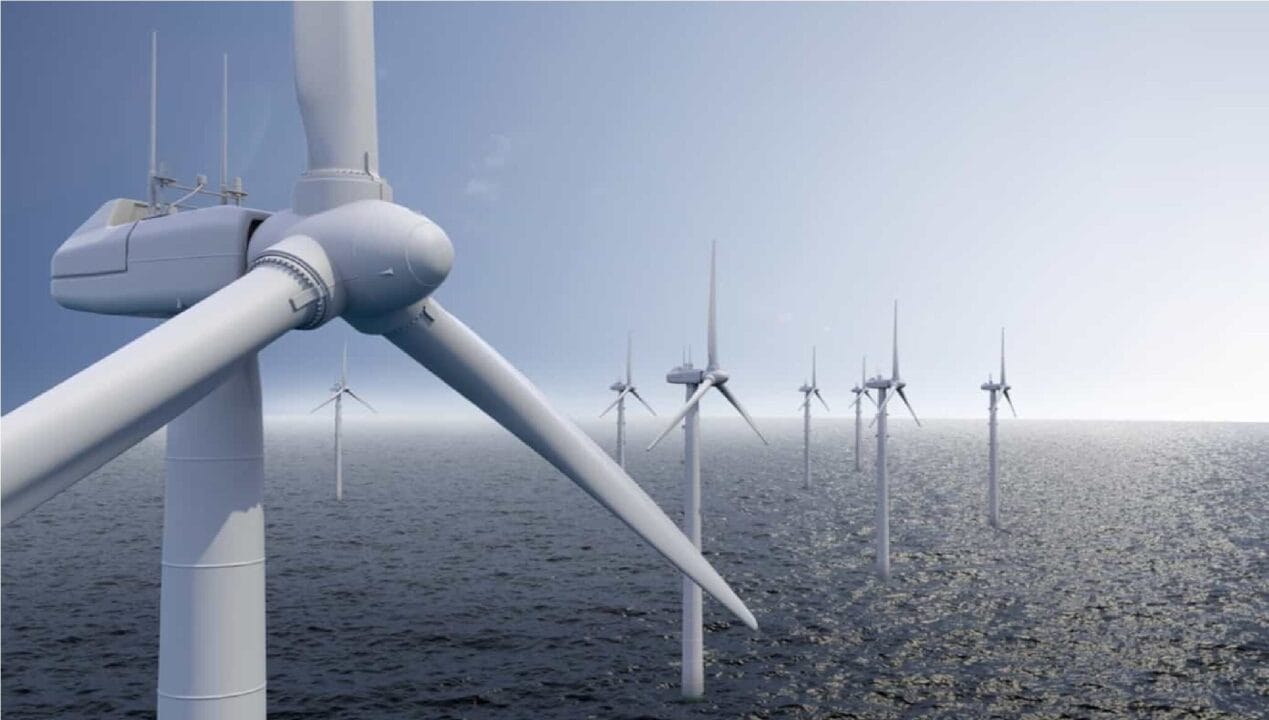

Google Signs Largest Offshore Wind Power Deal Ever, Surpassing 400MW Capacity Across Two Wind Farms
Google has just made its largest offshore wind power deal, acquiring 478 megawatts (MW) from two new wind farms, HKN V and HKW VI, located off the coast of the Netherlands. This acquisition of wind energy was carried out by the Crosswind & Ecowende Consortia, joint ventures between Shell and the Dutch utility Eneco, marking a significant step for the company in the field of renewable energy.
This acquisition is part of Google’s efforts to make its energy supply greener, with wind power, and to meet its climate goals. The company is committed to matching every hour of electricity consumed with an hour of clean energy production, reflecting its commitment to environmental sustainability.
Global Expansion and Ambitious Goals
In addition to the deal in the Netherlands, Google also announced a smaller Renewable Power Purchase Agreement (PPA) for Italy, Poland, and Belgium, expanding its global presence in the renewable energy sector. The company is seeking clean energy solutions across all the grids where it operates, aiming to operate on carbon-free energy 24 hours a day by 2030.
-
Renewable energy advances over protected areas in Brazil, and a survey by the Energy Transition Observatory reveals silent impacts that challenge environmental conservation and pressure sensitive traditional territories.

-
Rio Grande do Sul accelerates energy transition: State invests in renewable technologies and consolidates decarbonization strategies and pathways to attract billions in new industrial investments.

-
With 160,000 m² of collectors, an area larger than 20 football fields, Silkeborg, in Denmark, hosts a solar thermal plant that heats 19,500 homes and could become the largest solar heating plant in the world.

-
A study reveals the expansion of renewable energy procurement in Brazil and shows how companies are taking advantage of opportunities to reduce expenses, ensure energy efficiency, and strengthen strategic environmental commitments.


A report from the U.S. Energy Information Administration (EIA) indicates that the growth of clean energy production in the United States over the next two years will be led by solar and wind. Solar power generation projects are expected to increase production by 75% by 2025, while wind energy is anticipated to grow by 11%. Wind energy is projected to remain stable at 156 GW in 2024. These figures reflect the trend of growth and consolidation of renewable energy in the global energy landscape.
Google and Its Relationship with Sustainable Energy
Google has stood out for its commitment to renewable energy and environmental sustainability. The company has actively sought ways to reduce its carbon footprint and promote the use of clean energy in its operations.
One of Google’s main strategies in this regard is investing in renewable energy projects, such as the previously mentioned offshore wind energy acquisition. Additionally, the company has also been signing renewable power purchase agreements (PPAs) in various countries, seeking to increase its clean energy production capacity in its global operations.
Google has set ambitious goals related to renewable energy, such as the goal of matching every hour of electricity used with an hour of clean energy production. The company also aims to run on carbon-free energy 24 hours a day by 2030, which demonstrates its commitment to reducing its carbon footprint and promoting environmental sustainability.








O Brazil tem esta riqueza e este potencial , e só acabar com os auxílio de bolsa e outro e pro o povo pra trabalhar com honestidade e competência sem a interferência política, somos o maior de mundo e precisamos acordar