





 Portuguese
  English
  Spanish
  5 min of reading
  0 comments


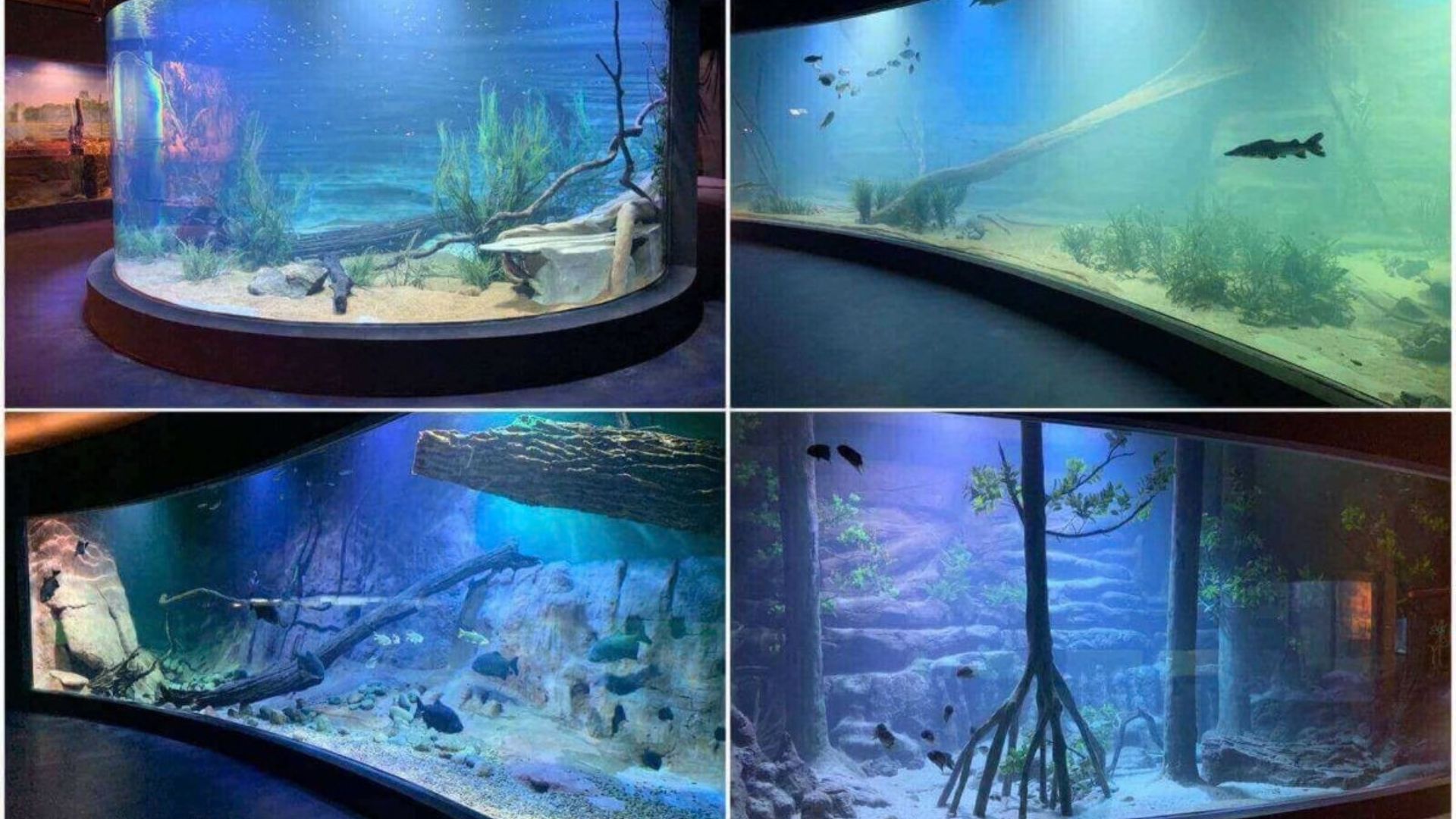
Scientific Milestone at Brazilian Aquarium Places Pantanal at the Center of Freshwater Species Conservation and Reveals Unprecedented Results of Natural Reproduction, Applied Research, and Genetic Preservation in a Controlled Environment, Enhancing National Leadership in Aquatic Biodiversity Protection.
The Pantanal Biopark registered the 100th species bred under human care and naturally, a result that reinforces the position of the Campo Grande complex as a reference in aquatic conservation and applied research.
The milestone, revealed this Thursday (05) by the government of Mato Grosso do Sul, also consolidates the institution as the largest living genetic bank of freshwater species in the world, and enhances the scientific weight of a work that has been accumulating unprecedented results both in the country and abroad.
Among the species already bred, 32 belong to the Pantanal biome, the highest number among all the fauna groups maintained by the Biopark.
-
These living root bridges and ladders are over 700 years old and help indigenous people survive in one of the rainiest regions in the world.

-
From sertanejo star to international investor: Ana Castela invests millions in a mansion in the USA, creates a themed accommodation in Orlando, and shows that the “boiadeira” also wants to grow away from the stage.

-
The 10 most stunning motorhomes in the world: a $3 million trailer with a rooftop nightclub and garage for a Ferrari, “palaces on wheels” with Italian marble, private cinema, and five-star hotel luxury for billionaires.

-
Trump wanted to spend $400 million on the White House, but the courts prohibited the million-dollar construction.


This data reinforces the centrality of Pantanal conservation within the operation of the space, inaugurated on March 28, 2022, and structured to operate not only as a public attraction but also as a research, management, and preservation center.
In addition to the Pantanal, the reproductions achieved by the Biopark encompass species from the Amazon, Cerrado, Atlantic Forest, Caatinga, and also animals from other continents.
The set of these records shows that the institution has managed to establish, in a controlled environment, conditions compatible with the reproductive maintenance of groups with distinct biological requirements, a relevant indicator when it comes to animal welfare, water quality, nutrition, and technical management.

Another point that enhances the significance of this achievement lies in the unprecedented nature of some of these births.
Of the 100 reproductions registered, 29 occurred for the first time in the world and 20 were unprecedented in Brazil, numbers that place the Pantanal Biopark in a prominent position in ex situ conservation, a modality focused on the protection of species outside their natural habitat.
The hundredth reproduction was of a cichlid, a species already present in the complex’s stock and transformed into a symbol of this new institutional milestone.
Pantanal Conservation Drives Living Genetic Bank
The breakdown by biome helps explain the local relevance of the initiative.
By achieving 32 reproduced species from the Pantanal, the Biopark strengthens a preservation front directly linked to the largest floodplain on the planet, at a time when aquatic biodiversity increasingly depends on coordinated actions among research, conservation, and environmental education.
In this context, the living genetic bank maintained by the complex serves as support for scientific studies and for long-term strategies aimed at protecting native species.
The physical structure of the institution helps to scale this operation.
According to official information, the Pantanal Biopark has 21,000 square meters of built area, holds 5 million liters of water, and maintains 239 tanks, some of which are exclusively designated for quarantine, research, conservation, bioeconomy, and sustainability.

This technical base allows the work to go beyond animal exhibition and sustain a continuous routine of reproductive monitoring and scientific development.
Threatened Species Enhance Scientific Relevance
The achievement of the hundredth bred species gains additional importance because it includes animals classified as threatened with extinction.
Among them is the Viola Catfish, a species endemic to the Coxim River in Mato Grosso do Sul, whose preservation depends on specialized technical initiatives and controlled environments capable of ensuring the continuity of its lineage.
The Blind Catfish, adapted to subterranean environments and sensitive to environmental changes, is also on this list.
Another highlight is the Axolotl, a Mexican amphibian globally known for its regeneration capacity and which also attracts great interest from visiting public.
In the case of the Axolotl, public interest in the species enhances the educational reach of the work developed in Campo Grande.
By combining conservation and visitation, the Biopark brings children, students, and families closer to species that would hardly be part of the daily lives of most of the population.
This combination of environmental education and scientific research has become one of the central arguments used by the management of the complex to advocate for the institutional role of the space.
Conservation Center Operates as Nursery for Species
A large part of the births occurs at the Neotropical Fish Conservation Center (CCPN), a sector described by the Biopark as a technical nursery within the complex.

It is in this center that monitoring of breeding stock, tracking of eggs and fry, behavioral observation, and the application of scientific protocols aimed at the development of species kept under human care are concentrated.
Under the coordination of curator biologist Heriberto Gimênes Junior, the reproduction program has accumulated consistent advancements.
According to data released by the state government, 95% of the species were bred naturally, without hormonal induction.
This percentage is regarded as one of the most significant data of the project because it suggests that the animals found appropriate conditions in the Biopark to express spontaneous reproductive behaviors, a situation considered rare in ex situ conservation environments.
In March 2025, for example, the Biopark reported having reached its 84th registered reproduction, when it announced yet another unprecedented case for science related to a new species of catfish from the Bodoquena Mountain Range.
The evolution from a total of 84 to 100 in about a year helps to highlight the intensity of work carried out by the technical team.
Scientific Research and Environmental Tourism Walk Hand in Hand
Commenting on the result, the general director Maria Fernanda Balestieri stated that the number represents much more than a technical result and symbolizes a victory of research, the dedication of the teams, and the institutional mission of acting as a center for conservation and knowledge production.
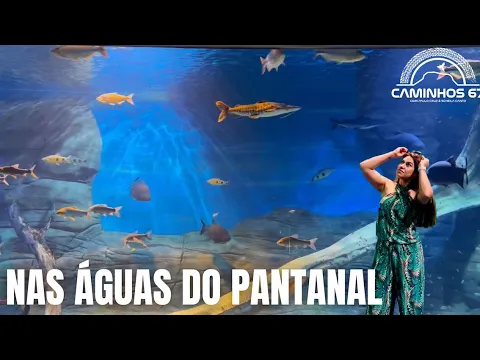

In another statement, she highlighted that the Biopark serves as a space for awareness and that the public’s contact with these species helps to create a network of care and concern for the environment.
The management also asserts that the data obtained from the reproductions should serve as a basis for scientific publications, educational activities, and new studies on the conservation of aquatic species.
This link between laboratory work, visitation, and scientific tourism appears repeatedly in the institutional communications of the enterprise, which presents itself as a space for experience and knowledge beyond traditional tourism.
With the mark of 100 species bred, the Pantanal Biopark enhances Mato Grosso do Sul’s prominence in an agenda that unites biodiversity, research, and conservation.
The number also projects a technical work that, by preserving native species and recording unprecedented reproductions, transforms the southern Mato Grosso aquarium into a scientific showcase of Brazilian freshwater fauna.







-

-

-

-

-

22 pessoas reagiram a isso.