





 Portuguese
  English
  Spanish
  4 min of reading
  0 comments


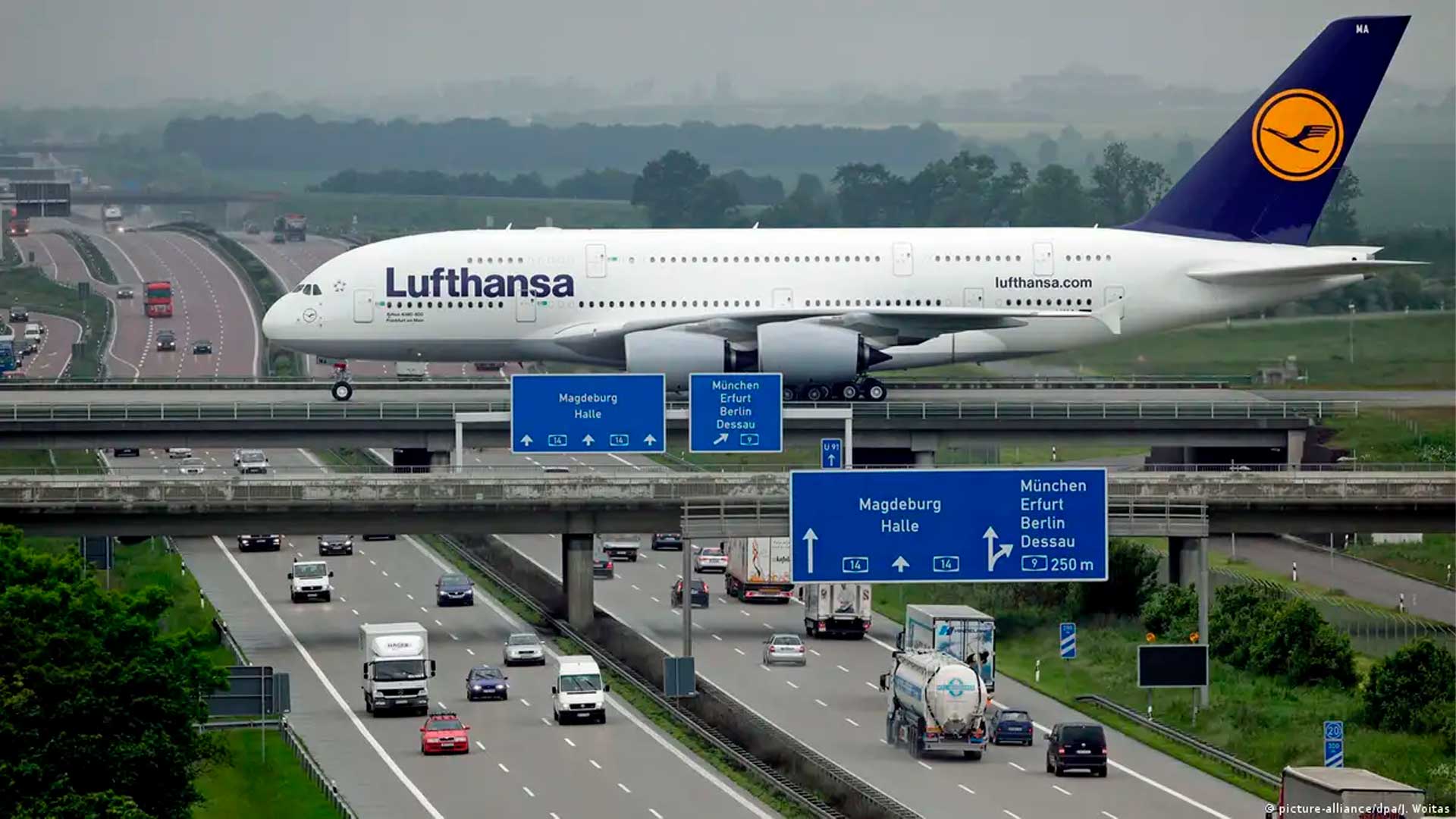
The Airbus A380 Became a Symbol of the Superjumbo Era by Combining Giant Capacity with High-Standard Comfort on Long Routes. Even with the End of Production in 2021, the Model Remains in Operation and Maintains Influence in Commercial Aviation.
The Airbus A380 Made History for a Simple Reason: There Was Nothing Like It in Commercial Passenger Transportation. The Fully Double-Deck Jet Raised the Ceiling of What Was Possible in Capacity, Range, and Onboard Experience.
It Made Its Maiden Flight on April 27, 2005, in Toulouse, France, and Quickly Became a Technological Showcase for Airbus, During a Time When Major Airports Were Becoming Increasingly Saturated.
The Aircraft Also Became a Desired Product for Passengers, Especially on Airlines That Turned the A380 Into “Flagship” with Premium Cabins, Bar, and Even Shower Area on Selected Flights, as Emirates Highlights on Its In-Flight Experience Pages.
-
A strong earthquake in Indonesia affects houses and schools, causes panic, triggers a tsunami alert, and records a rise in sea level of up to 30 centimeters in some areas.

-
The Argentine government celebrates the lowest poverty rate in 7 years, but experts warn that the methodology has changed, real wages have fallen, unemployment has risen, and the number of people on the streets of Buenos Aires has increased by 57% since Milei took office.

-
7.8 magnitude earthquake in Indonesia frightens the population, triggers tsunami alert, and hits an island with over 200,000 inhabitants this Thursday.

-
Google will finally let you change that embarrassing Gmail address you created in your teenage years without losing any accounts, logins, or old emails: the feature is already available in the United States.


At the Same Time, the Market Changed. Smaller, More Efficient, and Flexible Aircraft Started to Dominate Orders, and Airbus Ended Deliveries of the A380 in 2021.
From the Maiden Flight in Toulouse to the Beginning of a New Era of Superjumbos
According to Airbus, the First A380 Took Off from Toulouse on the Morning of April 27, 2005, Marking that Consolidated the Program as One of the Biggest Engineering Challenges Ever Seen in Civil Aviation.
The Plan Was to Serve Routes with Very High Demand, Connecting Major International Hubs with More Seats per Takeoff. In Practice, the A380 Helped Airlines Offer Capacity Without Multiplying Frequencies at Already Congested Airports.
Size, Range, and Capacity That Explain the Impact of the Airbus A380

The Numbers Help to Understand Why the A380 Became a Reference. In “Facts and Figures” Data Published by Airbus, the Model Appears with 72.7 Meters in Length and 79.8 Meters in Wingspan, Dimensions That Redefined Airport Infrastructure Standards.
The Same Technical Sheet States That the Aircraft is Certified for Up to 853 Passengers in Single-Class Configuration, While a Typical Four-Class Arrangement Comes with 545 Seats.
Another Attention-Grabbing Fact is the Weight. The A380 Can Take Off with Maximum Weight of 575 Tons, a Figure That Reinforces the Level of Engineering Involved in Structure, Landing Gear, Brakes, and Systems.
In Range, Airbus Reports 8,000 Nautical Miles, Equivalent to About 15,000 Km with Passengers, Which Positions the Jet as a Tool for Long Non-Stop Routes in High-Demand Markets.
In Speed, Airbus’s Data Mentions Long-Range Cruise at Mach 0.85. Other Technical References Describe a Maximum Published Speed Around Mach 0.89, Which Is Typically Converted to Values Close to 945 Km per Hour Depending on Measurement Conditions and Altitude.
Why Airbus Ended the Program and Delivered the Last A380 in 2021
The Termination Was Not Due to Lack of Fame, but Rather Economics and Strategy. In 2019, Airbus Stated That, with the Reduction of Emirates Orders and the Lack of a Robust Portfolio with Other Airlines, It Would Halt Deliveries of the A380 in 2021.
This Move Followed the Industry’s Preference for More Modern Twin-Engine Widebodies, Which Offer Good Range with Lower Consumption and More Flexibility to Operate Point-to-Point Routes. As a Result, Many Companies Began Prioritizing Models Like A350 and Boeing 787 in Their Networks.
In its 2021 Financial Reports, Airbus Registered That It Delivered the Last A380 in 2021, Officially Consolidating the End of the Superjumbo’s Industrial Cycle.
The Shower On Board That Became a Topic and How the Shower Spa Works in Practice
The A380 Gained a Pop Element That No Other Commercial Aircraft Popularized in the Same Way. Emirates Promotes the Idea of Arriving More Rested with the Shower Spa in Its First-Class Experience on the A380, Reinforcing the Focus on Comfort and Exclusivity.
In Practice, Using the Shower Involves Limits for Obvious Reasons, Especially Water and Weight. A Report Published by Allure Describes That the Two Shower Areas Are Scheduled in 30-Minute Shifts, with a Limit on Running Water, Which Became Part of the “Luxury” Flight Ritual.
A Report on Experience in Business Insider Mentions That First-Class Passengers Receive Five Minutes of Running Water, with an Indicator to Track Time and the Possibility of Pausing the Flow for Better Enjoyment.
The Legacy of the A380 and the Debate About the Future of Large Aircraft
Even Out of Production, the A380 Remains Relevant in Specific Fleets and Airports Where Every Slot Is Worth Gold. There Is Also Investment in Extending the Aircraft’s Lifespan, and Reuters Reported in 2025 That Emirates, the Largest Operator of the Model, Continues Projects to Keep the Fleet Active Longer, with Agreements Related to Engines and Maintenance.
At the Same Time, the A380 Became a Good Example of How Technology and Market Do Not Always Align. It Is Often Called the “Largest Airplane in the World,” but This Phrase Usually Generates Debate Because the A380 Is the Largest Passenger Aircraft in Commercial Operation, While Absolute Size Records Are Held by Cargo Aircraft and Specific Projects.
The Result Is a Narrative Dispute That Still Yields Clicks and Conversations: The A380 Was a Leap Forward in Experience and Capacity, But Also a Reminder That Efficiency per Seat and Operational Flexibility Are as Important as Grandiosity.
In Your View, Should Aviation Bet Again on Giant Aircraft to Fill Fewer Airports, or Is the Future Really of More Efficient Twin-Engines and More Direct Routes? Leave a Comment Telling Which Side You Are On and Whether the End of the A380 Was an Inevitable Decision or a Missed Opportunity.







-

-

-

-

-

29 pessoas reagiram a isso.