





 Portuguese
  English
  Spanish
 4 min of reading
  0 comments


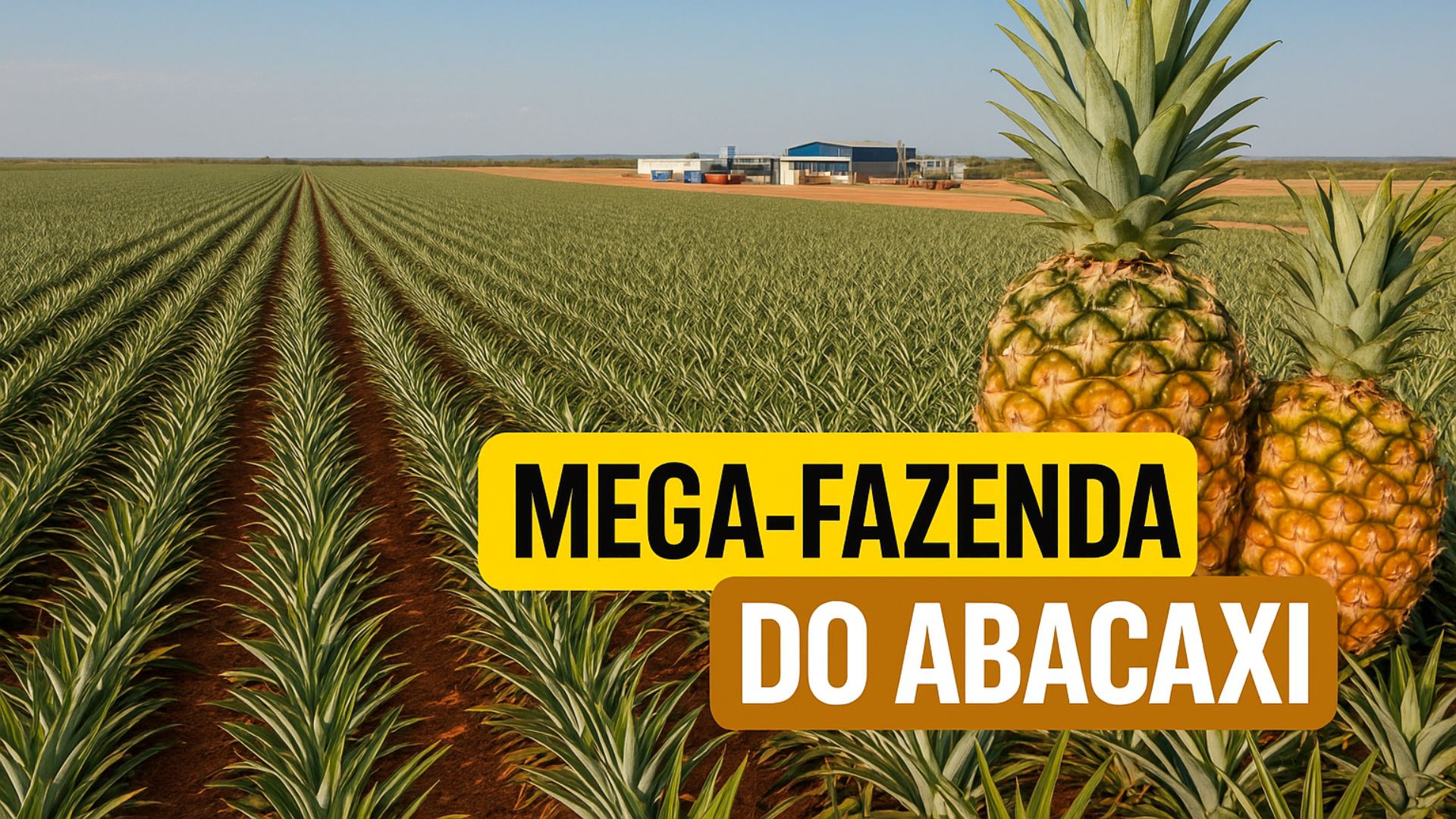
Located in Tabocão, Tocantins, Fazenda Olhos D’Água impresses with its use of agricultural technology, sustainability, and large-scale production that supplies Brazil and exports to various countries.
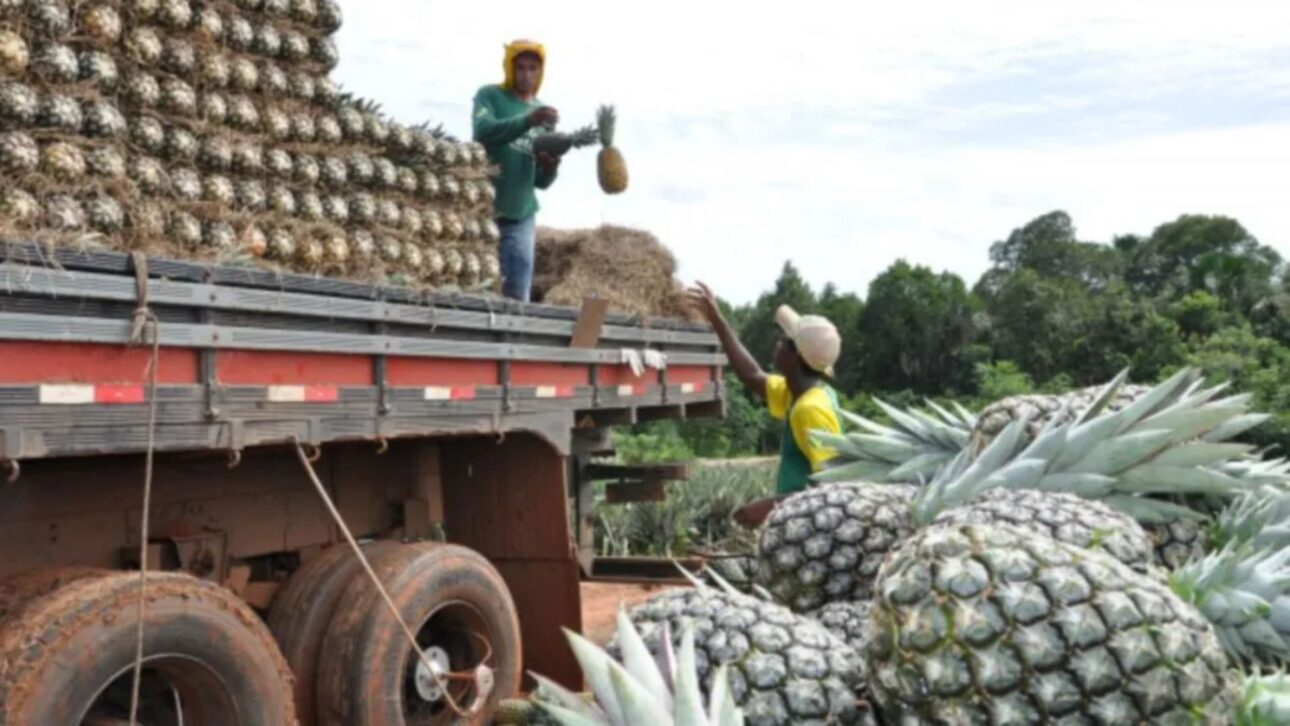
The largest continuous pineapple operation on the planet operates in Tabocão (TO), at Fazenda Olhos D’Água, and reaches about 150 thousand tons per year, with a planted area of over 3 thousand hectares.
According to information released by state agencies and the company itself, production supplies the domestic market and exports to Europe and the United States, supported by precision agriculture technology and efficient resource management.
Production at Scale and Destination of the Fruit
With harvests varying between 100 thousand and 150 thousand tons annually, the farm maintains a continuous flow for retail chains in Brazil and for food processors.
-
Brazil surprises China with new agro offensive: first shipments of DDGS and poultry by-product meal arrive in the Asian country, expanding billion-dollar exports.

-
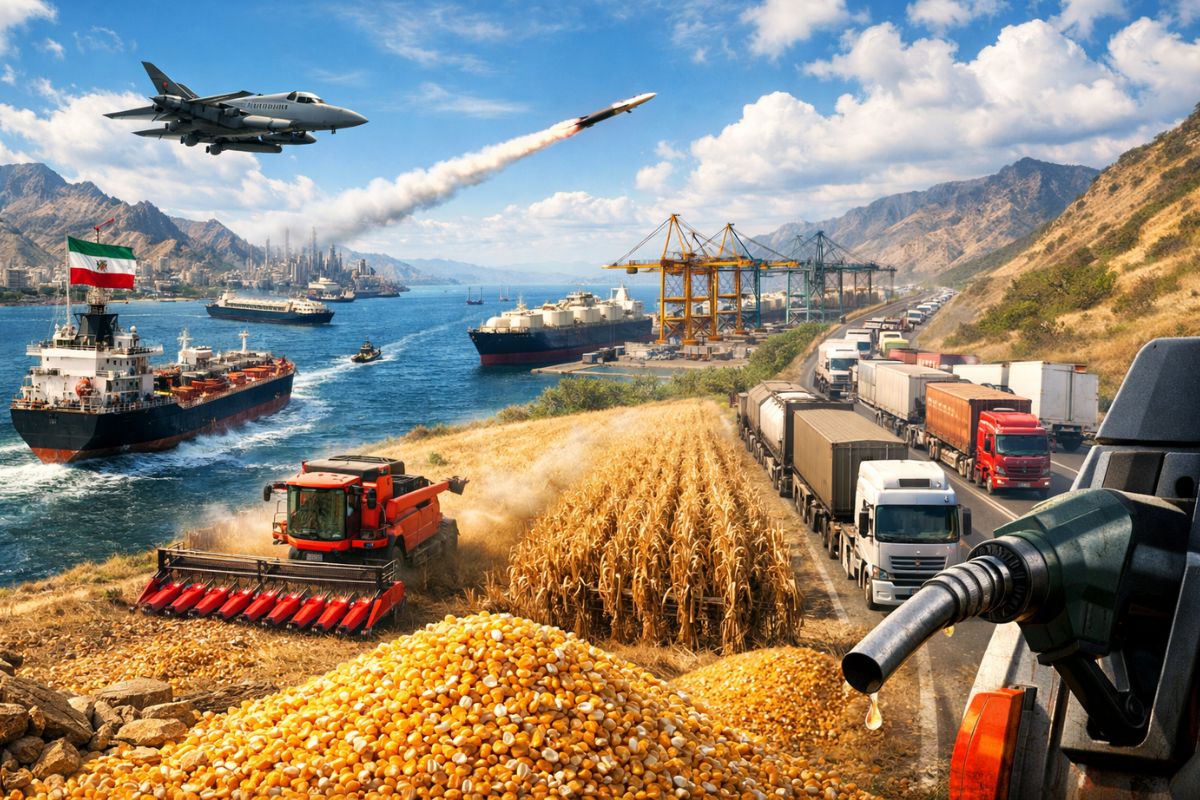
War in the Middle East threatens this year’s harvest and wallets: Brazil depends on the Strait of Hormuz for 35% of nitrogen fertilizers, exports up to 23% of corn to Iran, and freight, diesel, and prices are skyrocketing today.
-
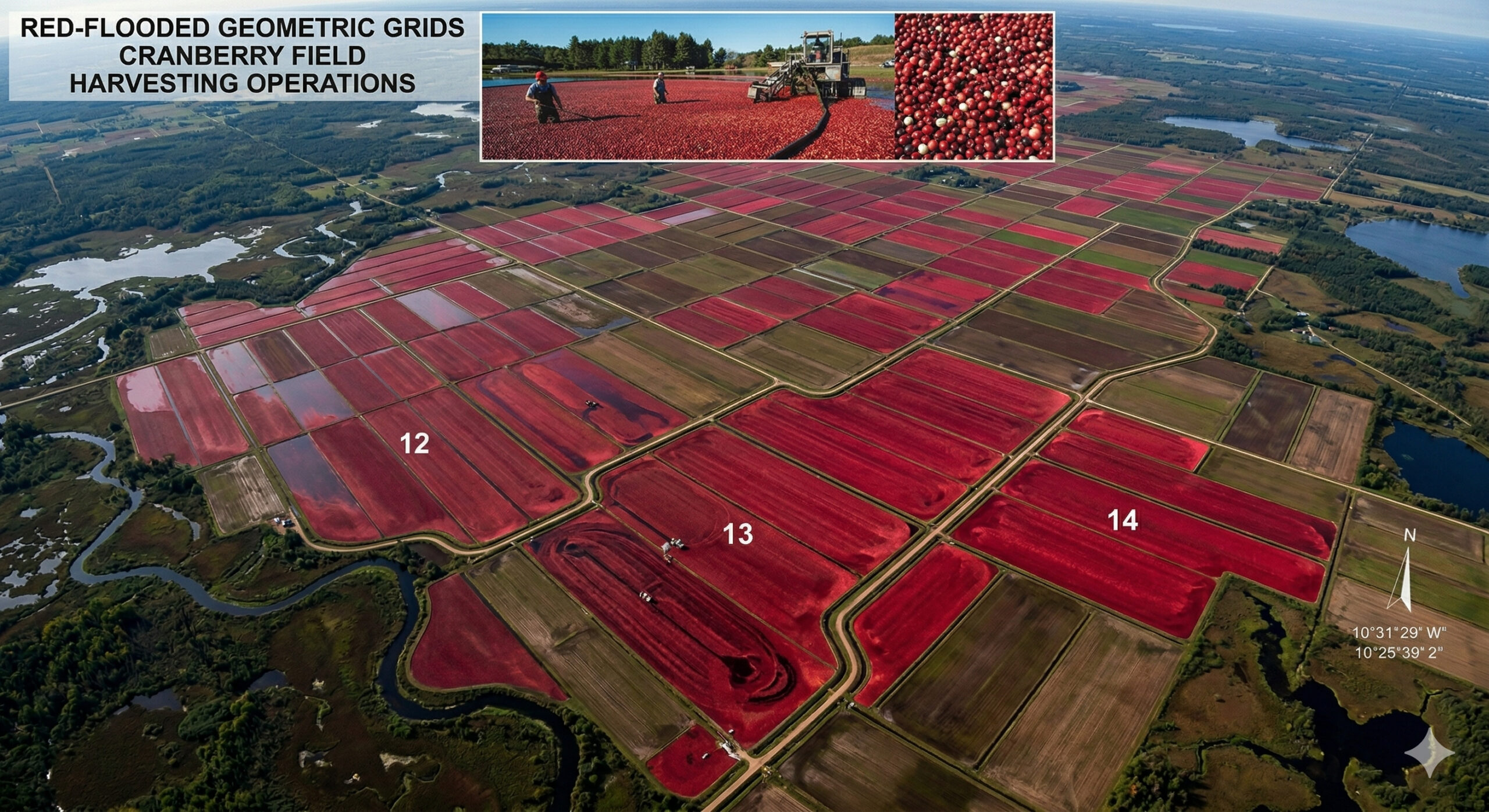
Geometric cranberry bogs in Wisconsin flood entire fields and turn red during harvest, creating an agricultural mosaic so intense and out of the ordinary that it transforms wetlands in the United States into one of the most stunning landscapes ever seen from space.
-
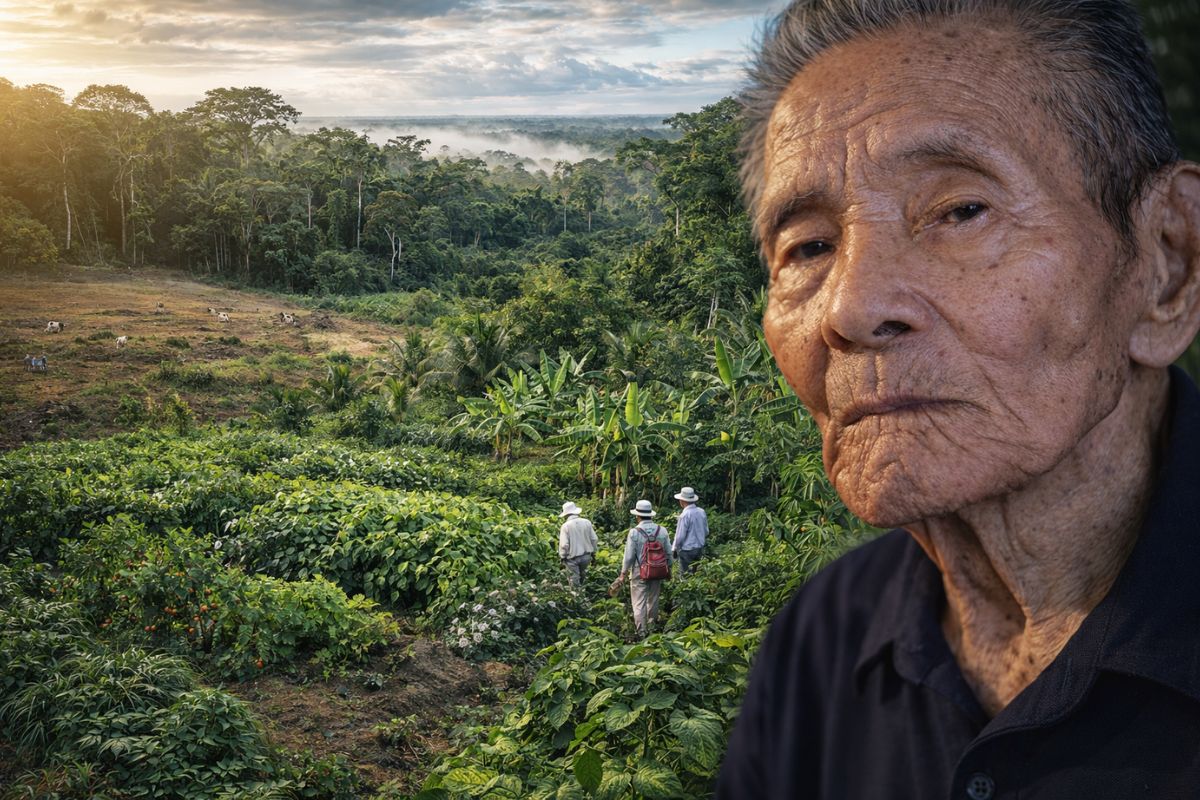
At 96 years old, the last survivor of a colony of Japanese immigrants who arrived in the Amazon in 1929 saw his community create an agricultural method that transforms destroyed pastures into forests that produce food year-round and attract researchers from around the world.
Part of the shipments goes to European and North American buyers, who demand standardized fruit with traceability.
The volume and regularity of the harvest are pointed out as differentiators for long-term contracts.
Field Technology and Harvesting
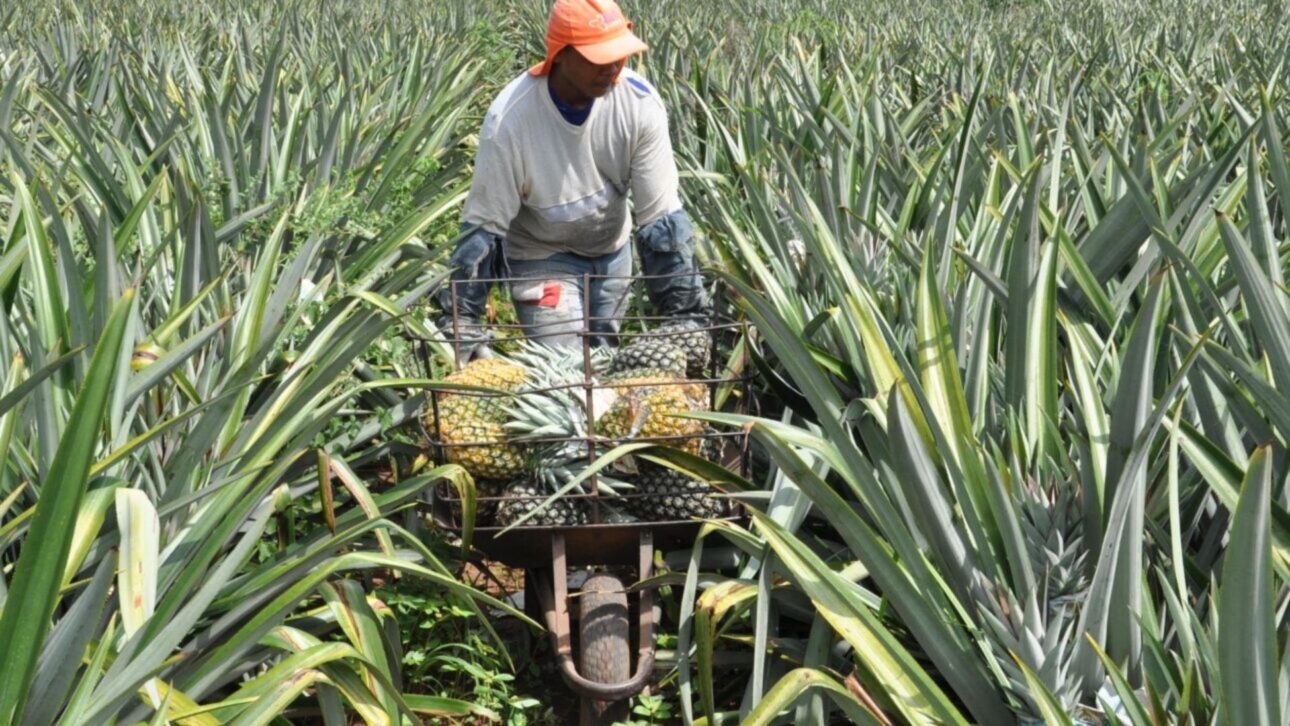
The management combines real-time sensing, productivity maps, and data-controlled irrigation.
The application of inputs occurs with variable rates, reducing waste and leveling plant development.
This technological package supports productivity per hectare above regional averages, with gains in uniformity in size and sugar content of the pineapple, an essential requirement for export.
Irrigation and Efficient Resource Use
Olhos D’Água operates irrigation systems with soil moisture monitoring, scheduling shifts according to the real needs of the crops.
In drought periods in the Cerrado, fine control of the water layer avoids water stress and maintains fruit quality.
There is water recycling in operational stages and practices aimed at soil conservation, such as vegetative cover and contouring in areas susceptible to erosion.
Logistics and Standardization for Export
To access markets with strict phytosanitary requirements, the farm adopts classification and traceability procedures from field to shipment.
The batches are standardized in size, Brix grade, and absence of external defects.
Logistics combines road transportation to distribution centers and, when necessary, minimal processing before shipment.
These routines ensure a constant supply, a factor that enables presence on international shelves throughout the year.
Planted Area and Productive Structure
The property totals over 3 thousand hectares, distributed among planting areas, seedling nurseries, and supporting infrastructure.
Planning staggers the pineapple cycle to dilute climatic risks and maintain the harvest sequence.
Trained teams monitor maturation by plot, contributing to harvesting at the right time and reducing post-harvest losses.
Regional Impact and Job Creation
The pineapple hub in Tabocão boosts services, transportation, and agricultural inputs chains in the surrounding area.
The demand for packaging, fertilizers, technical assistance, and machinery maintenance benefits local companies and neighboring municipalities.
The harvest increases temporary hiring during peak periods, in addition to sustaining permanent jobs for management and processing.

Fruit Quality and Consumption
The pineapple stands out for its sweet flavor with a slight acidity and characteristic aroma.
It is a source of vitamins, minerals, and antioxidants, and contains bromelain, an enzyme associated with proteolytic digestion.
In consumption, the fruit appears fresh, in juices, desserts, and savory preparations.
The industry also utilizes the pulp and by-products for syrups, preserves, and beverages.
Where is Tabocão and How to Get There
The municipality of Tabocão, in northern Tocantins, has its main access via BR-153.
From Palmas, the distance by road is around 150 to 165 kilometers, with an average travel time of 2 hours to 2h30, depending on road conditions.
It is also possible to combine buses to nearby cities, such as Miracema do Tocantins or Guaraí, and complete the journey by taxi or ride-sharing car.
Why the Title of “Largest in the World”?
The classification as the “largest pineapple farm in the world” is based on the size of the cultivated area and the annual volume reported for a single integrated operation.
State agencies and regional press outlets have reiterated these numbers, and the scale of 150 thousand tons per year, along with over 3 thousand hectares, supports the reference.
However, there is no official global ranking that lists private properties by area and production; thus, international comparison often relies on institutional statements and specialized reports.
Olhos D’Água as a Showcase for Precision Agriculture
The case of Tabocão gained visibility by bringing together productivity, regularity, and technology focused on demanding markets.
In addition to strengthening the image of Tocantins as a competitive agricultural frontier, the operation serves as a showcase for modern practices in tropical fruit cultivation.
The combination of agronomic data, operational sustainability, and logistical scale explains why the farm has consolidated both internal and external buyers.
If you could visit the operation for a day, what would you most like to observe up close: the intelligent irrigation system, the mechanized harvesting, or the classification stage that prepares the fruit for export?







Seja o primeiro a reagir!