





 Portuguese
  English
  Spanish
  5 min of reading
  13 comments


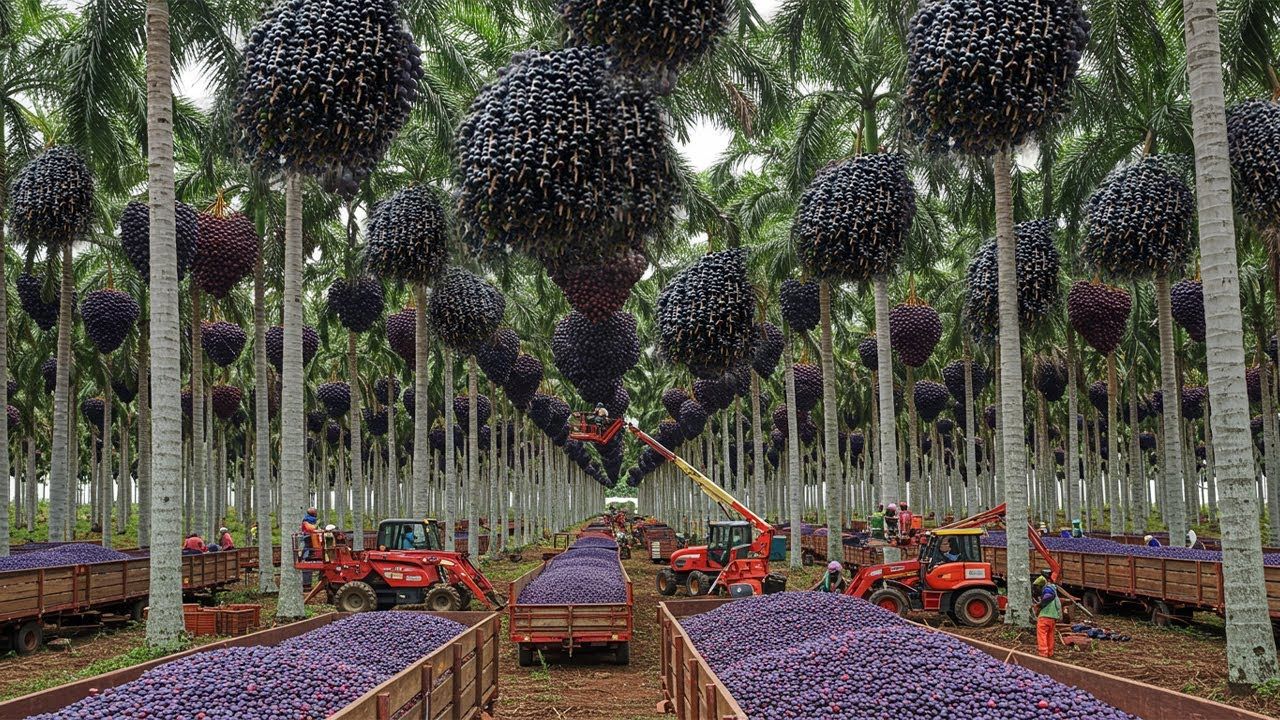


At The Largest Açaí Farm In Brazil, Large-Scale Irrigation, Planned Pollination, And A Process Of Quality Almost “NASA” Support Continuous Production And End-To-End Standardization.
The largest açaí farm in Brazil is not just a sea of palm trees in the Amazon. It is a model of agribusiness that combines large-scale cultivation, automation, and quality control at an uncommon level for a fruit that, for a long time, was seen only as a regional product.
What stands out is the whole: a total area of 1,400 hectares in the forest, an operation that seeks to produce year-round, and a structure that treats açaí as a strategic raw material. The promise is simple and ambitious: to preserve the true taste of the forest and deliver it to the world with consistency.
From A Trip For Corn To Pioneering Irrigated Planting
The story begins in 2002, when Eloi Luiz Vacaro, now deceased, went to Santarém, in Pará, in search of corn seeds and ended up enchanted by the potential of açaí. From there, came studies and tests to understand how to cultivate açaí in the Amazon with predictability.
-
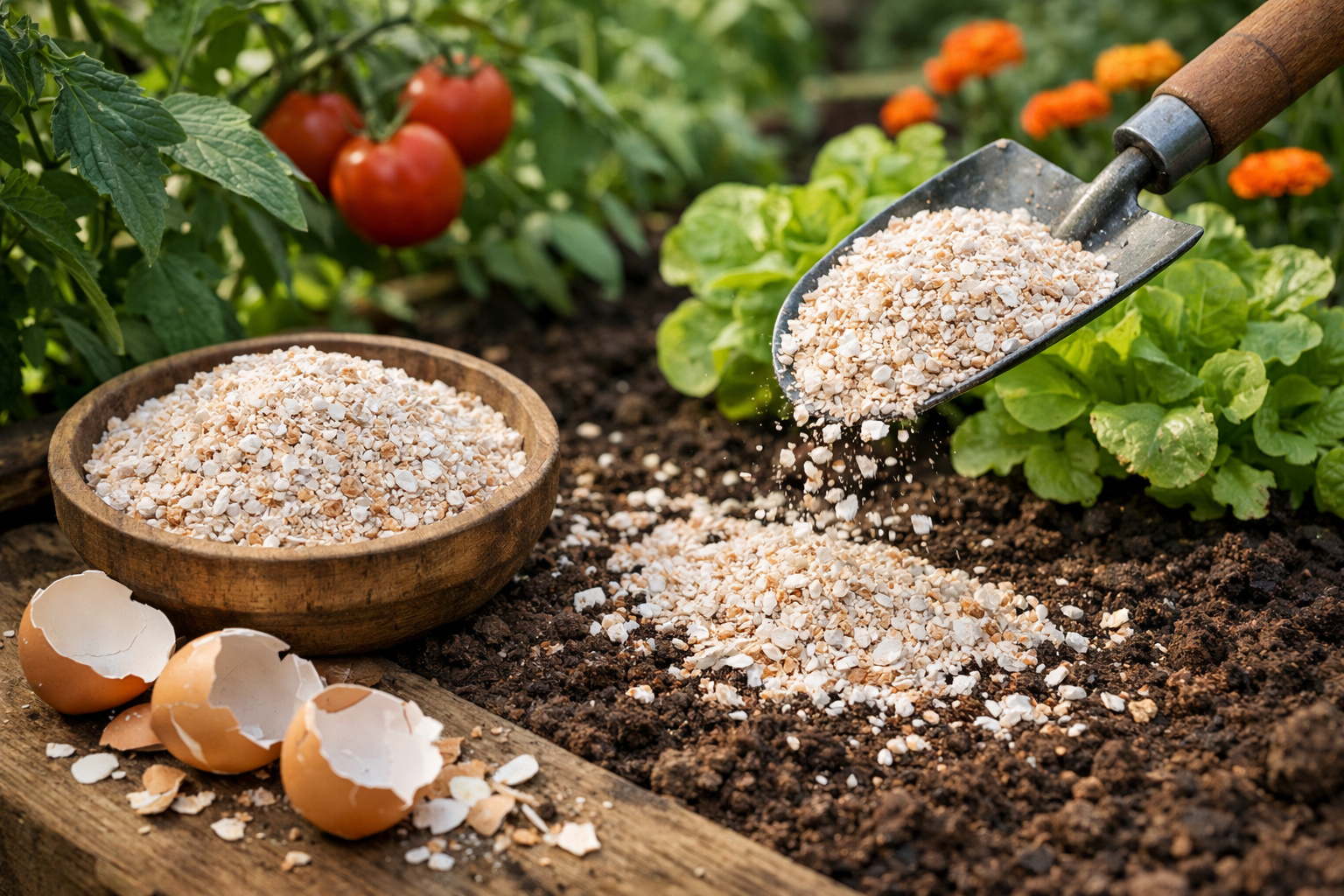
The eggshell that almost everyone throws away is made up of about 95% calcium carbonate and can help enrich the soil when crushed, slowly releasing nutrients and being reused in home gardens and vegetable patches.
-
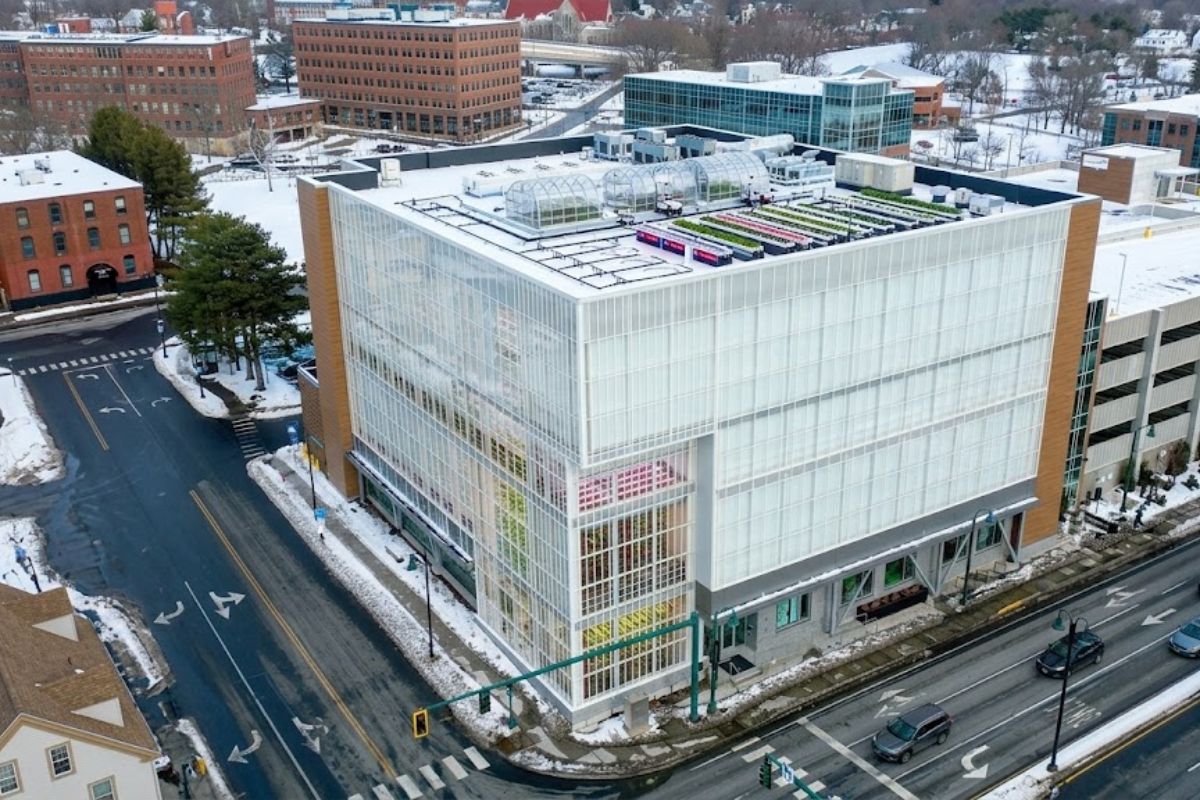
This farm in the United States does not use sunlight, does not use soil, and produces 500 times more food per square meter than traditional agriculture: the secret lies in 42,000 LEDs, hydroponics, and a system that recycles even the heat from the lamps.
-
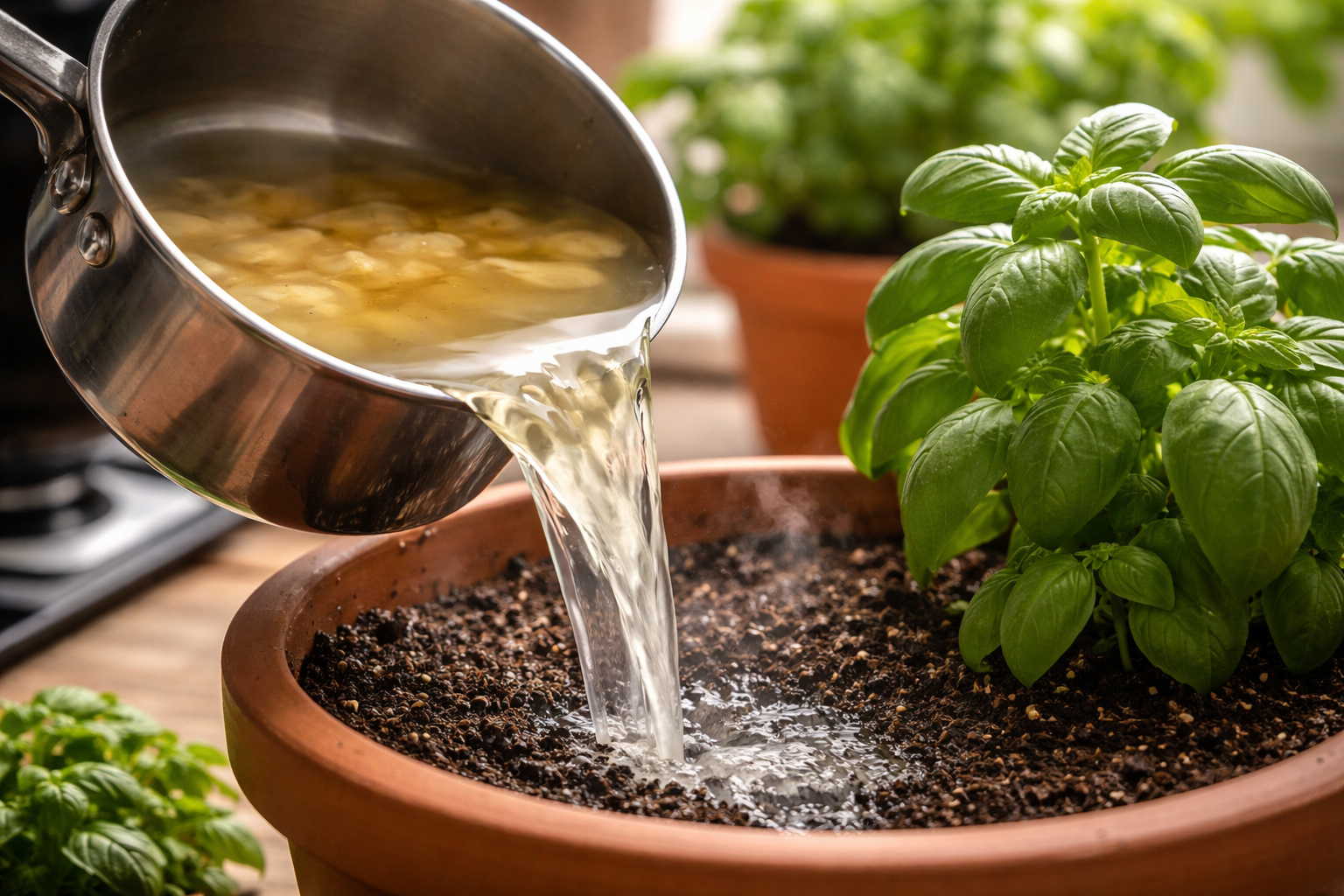
The water that almost everyone throws away after cooking potatoes carries nutrients released during the preparation and can be reused to help in the development of plants when used correctly at the base of gardens and pots, at no additional cost and without changing the routine.
-
The sea water temperature rose from 28 to 34 degrees in Santa Catarina and killed up to 90% of the oysters: producers who planted over 1 million seeds lost practically everything and say that if it happens again, production is doomed to end.

After five years of research, Açaí Amazonas was born, described as a pioneer in irrigated açaí planting on a large scale. It is at this point that the largest açaí farm in Brazil consolidates itself as a reference, betting on technology, innovation, and research even when there was little information available about management.
1,400 Hectares In The Amazon And A Logistics Plan Designed To Save Time
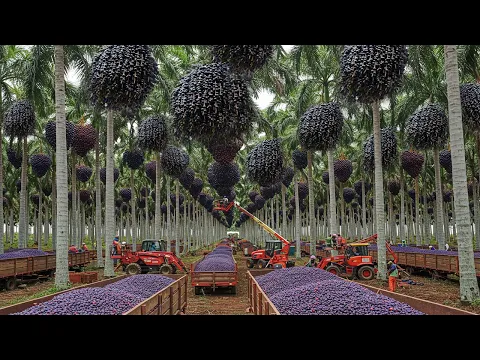

The operation totals 1,400 hectares divided into two farms, Macupis with 970 hectares and Mangal with 430. The difference lies not only in size but in the flow design: quick harvesting and processing to preserve the fruit’s characteristics.
The base also mentions a nearby technological industry in the city of Óbos, Pará, which facilitates processing immediately after harvest. At the largest açaí farm in Brazil, time is quality. The sooner the fruit enters the industrial line, the greater the chance of maintaining standards and reducing losses.
Protected Soil, Natural Fertilizer, And Pollination With The Help Of Bees
To sustain productivity on a large scale, the soil requires strategy. One of the described resources is the planting of mombaça grass between rows of açaí. Every 30 days, a machine called a knife roller comes into action, crushing the grass and turning it into organic matter, functioning as natural fertilizer and protection against erosion.
Another important detail is the use of hives distributed throughout the cultivation to favor the pollination of flowers. It is technology supported by nature, not a replacement for nature. This combination helps explain why the largest açaí farm in Brazil treats productivity as a process result, not as luck.
Drip Irrigation And Harvesting By Hand, Without Romanticizing
The irrigation system mentioned is automatic drip irrigation, delivering water and nutrients directly to the roots in the right measure. The goal is to keep the cultivation controlled and sustainable, with plants taking about four years to start producing consistently.
In harvesting, the contrast appears: it is still old-fashioned work. Workers use sticks to harvest the bunches and store them in large boxes that can hold up to 530 kg of seeds.
Even at the largest açaí farm in Brazil, the field and industry coexist at different rhythms. The gain comes from the coordination between these worlds.
“NASA” Process And In-House Laboratory With End-To-End Control
The industrial stage is described as highly automated. Machines peel, package, and control variables with precision, and quality control is treated as a priority.
There is mention of an in-house laboratory, closely monitored by a chemical engineer, overseeing the steps to ensure purity, flavor, and standard.
This level of tracking reaches the consumer as trust: the company cites a complete traceability system, allowing identification of where each batch of pulp or powdered açaí came from. At the largest açaí farm in Brazil, traceability is not just talk; it’s part of the product.
The Exclusive Machine In The Country And The Technological Turnaround Of 2017
The turning point comes in 2017, when the company purchases a machine described as exclusive in Brazil. It performs an innovative process called vapor refraction, with a different approach than what many people imagine when thinking of “drying” açaí.
Instead of direct heat or cold, the fruit passes through filtered air at room temperature, within a wind tunnel designed to preserve the properties of açaí.
The reported result is a dry pulp with nutrients and flavors close to the fresh fruit, as if it had just been harvested before consumption. It is the largest açaí farm in Brazil trying to transform a perishable product into a global product without losing its identity.
Freezing At Less Than -27ºC And Capacity Designed To Scale
To store what it produces, the storage and freezing structure is presented as one of its high points. Today, the cited capacity is up to 100 tons stored, with a structure designed to reach 7,200 tons, all preserved at less than -27ºC.
Two wind tunnels are mentioned as reinforcements for this ultra-rapid freezing, with the capacity to freeze 78 tons each, accelerating the process without compromising quality. At the largest açaí farm in Brazil, the cold chain is part of the flavor.
Powdered Açaí, Year-Round Supply, And Global Presence
A highlighted aspect is the RWD powdered açaí, designed to preserve what the fruit has best and expand consumption options. The operational promise is year-round supply, without breaks, even outside of the harvest season.
The reach is also international: the base mentions exports to South America, North America, Europe, and Asia. The largest açaí farm in Brazil does not just sell açaí; it sells consistency on a global scale.
Why Açaí Matters To The Region And What It Represents
In addition to market, the açaí tree is described as relevant to Northern Brazil for its broad utilization: fruit as food, leaves to cover houses, branches and fibers in products like hats, mats, and bags. And açaí appears as a nutrient-dense food, with carbohydrates, fibers, proteins, vitamins, and minerals.
In terms of health, the base cites benefits associated with antioxidants and support for well-being. Here, responsible reading is essential: açaí can be part of a balanced diet, but it does not replace medical guidance or treatment.
In the end, the big message is that technology is not only for increasing volume. At the largest açaí farm in Brazil, it serves to reduce loss, preserve quality, and bring the flavor of the Amazon far away without “disfiguring” the fruit.
Which part of this operation impresses you the most at the largest açaí farm in Brazil, the cultivation in the Amazon or the NASA-style industrial process?







Maravilha Maravilha Maravilha 🛸🛸🛸
Óbidos (PA) é um importante polo de processamento de açaí, com uma indústria moderna que recebe o fruto colhido na região, mas a maior plantação de açaí do mundo (ou do Brasil) atualmente está localizada em Calçoene, Amapá, operada pela Shutes Agroambiental, com milhões de pés e tecnologia avançada, enquanto a Açaí Amazonas, no Pará (próxima a Santarém/Óbidos), também é uma gigante com plantio irrigado em larga escala, sendo ambas referências em produção e tecnologia, com foco na exportação e sustentabilidade.
A matéria fala o nome errado da cidade produtora de açaí, no Pará. Não Óbos e, sim, Óbidos. Não existe está cidade Óbos no Estado do Pará.