





 Portuguese
  English
  Spanish
  3 min of reading
  1 comment


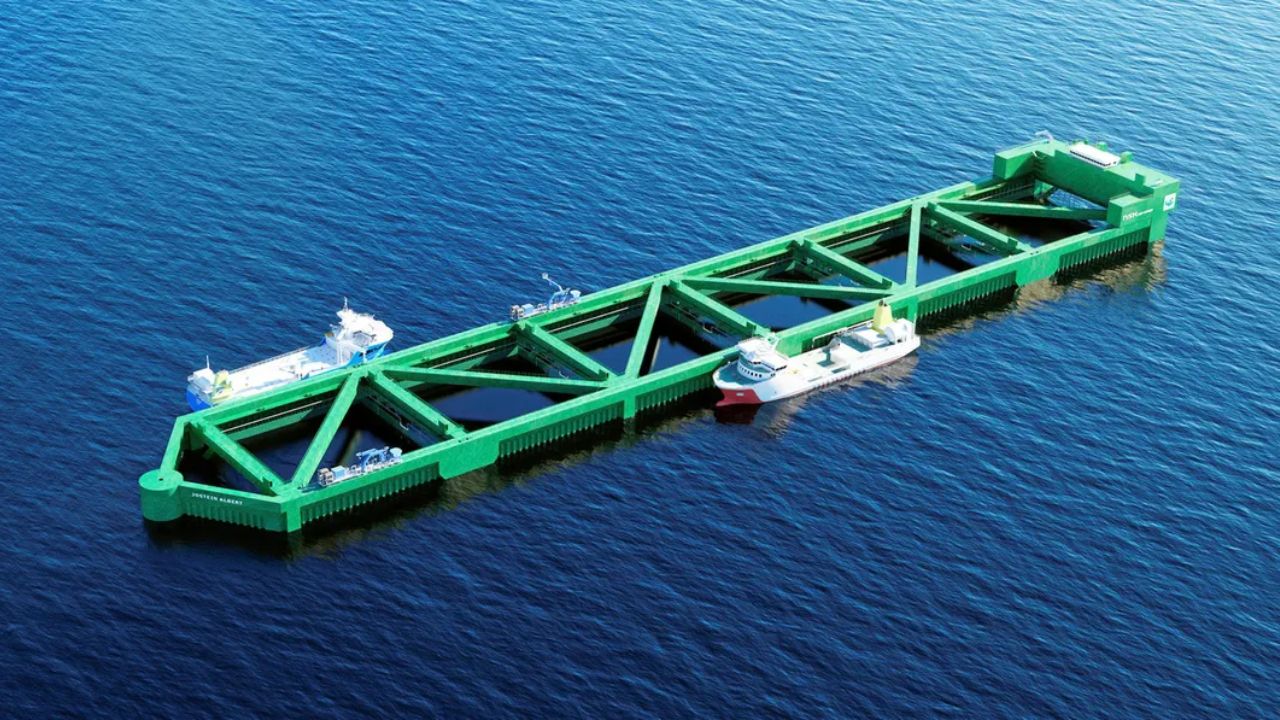


The Largest Ocean Farm in the World Looks Like a Futuristic Ship, Operates Offshore and Can Produce 10,000 Tons of Salmon Per Cycle.
For decades, salmon farming has been concentrated in coastal regions. However, this model is beginning to change with the advancement of projects that take aquaculture to deeper and more remote areas from the mainland. One of the largest examples of this transition is a mega structure installed in the ocean off Norway, capable of producing up to 10,000 tons of salmon in a single cycle.
With dimensions comparable to those of a large ship, the facility introduces a new concept of ocean farming, where naval engineering, automation, and sustainability operate in an integrated manner.
A Salmon Farm That Looks More Like a Ship of the Future
With 385 meters in length and nearly 60 meters in width, the unit known as Havfarm 1, or Jostein Albert, was designed to withstand severe maritime conditions.
-
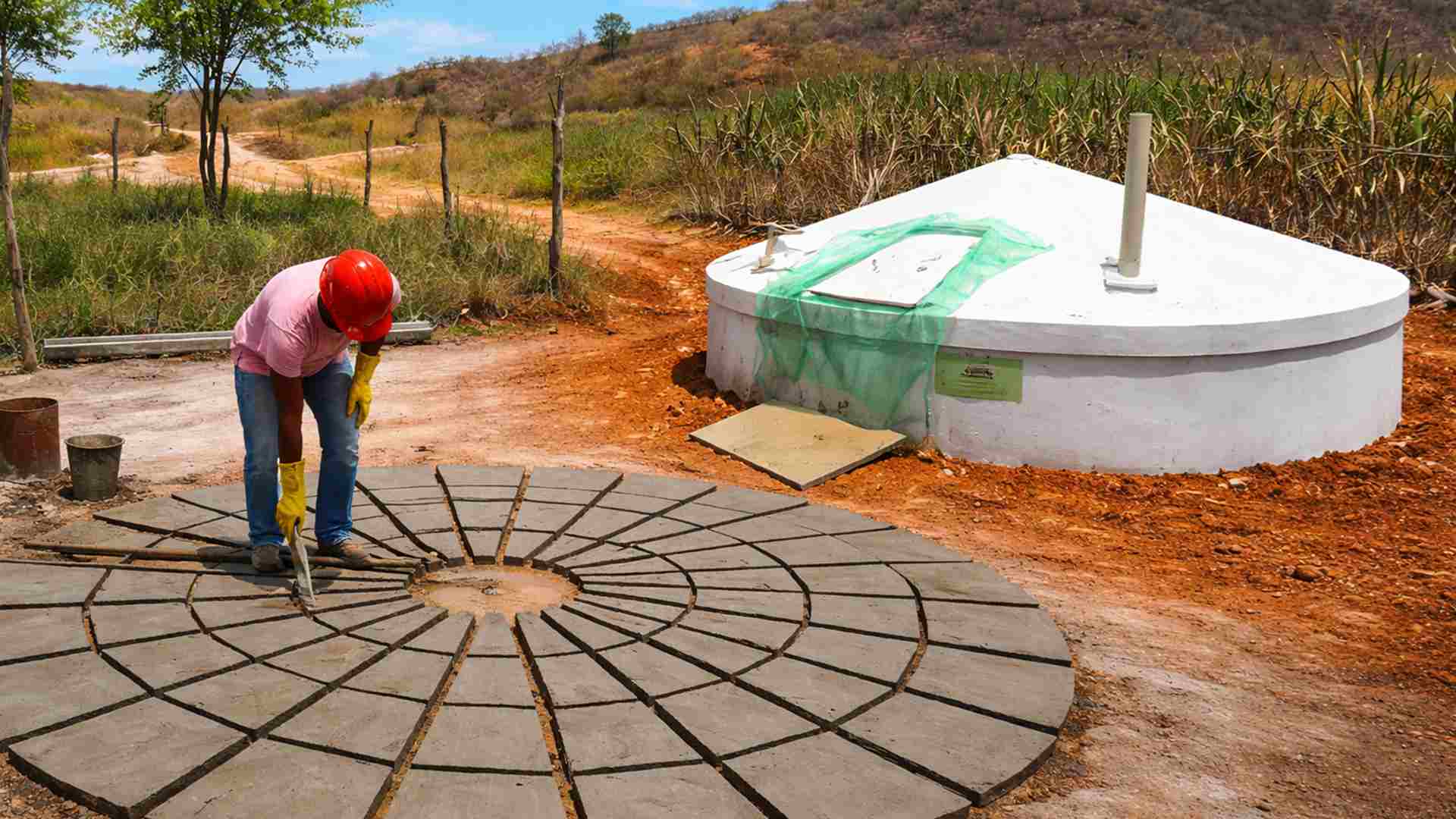
How to build a 35,000-liter cistern with 60 by 50 cm panels and rainwater for drinking and cooking without relying on water trucks or the city hall.
-
A woman went out for a regular walk and ended up finding a treasure buried for over 900 years, with more than 2,000 medieval silver coins compared by archaeologists to a lottery prize and considered one of the most significant finds in recent years in the country.

-
Scientists revealed 11 signs that very intelligent people exhibit in their daily lives, and most people have no idea that some of these common behaviors are directly linked to an above-average brain.

-
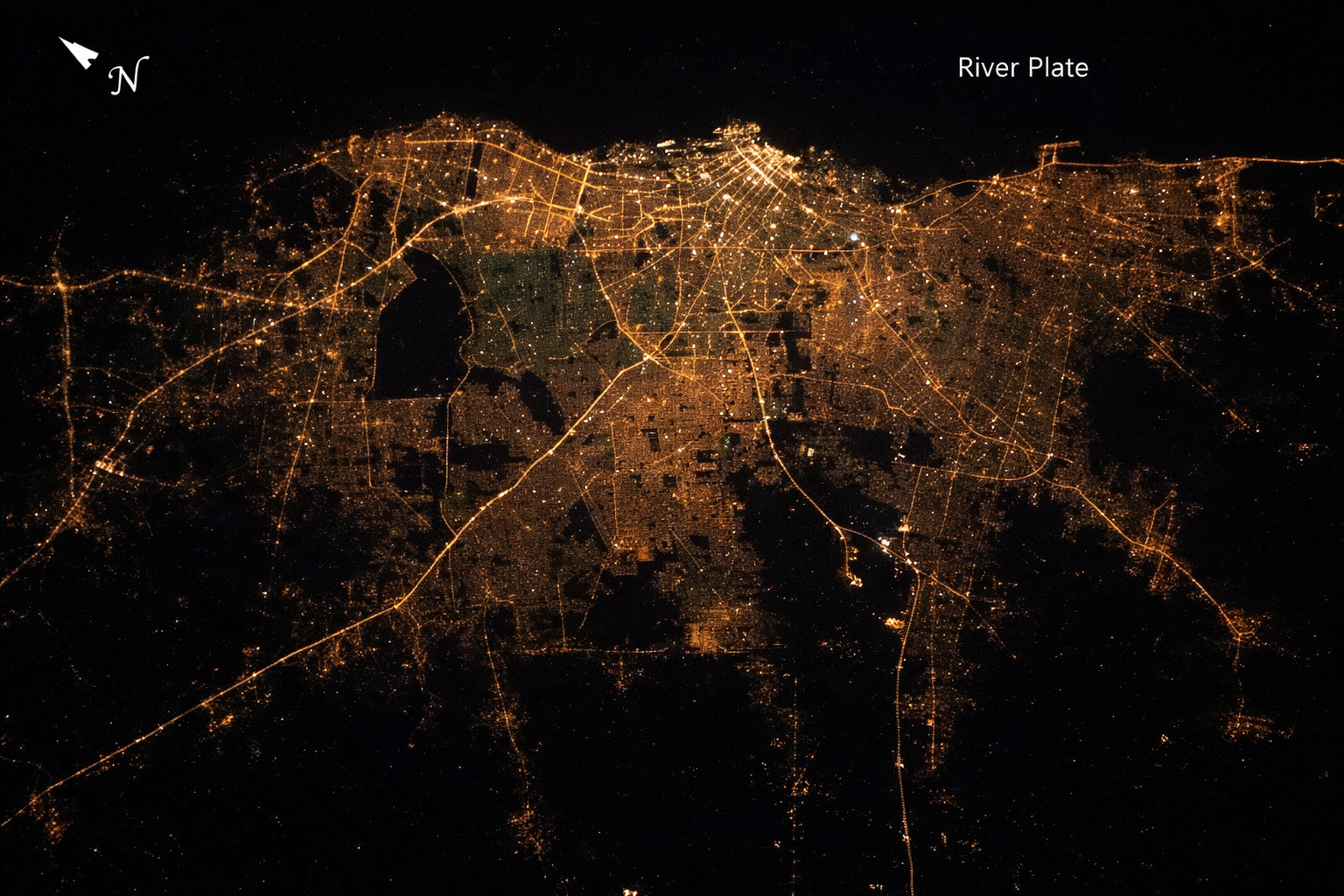
From space, Buenos Aires appears as a colossal spot of light surrounded by kilometers of darkness, revealing at a single glance the exact boundary between the metropolis and the countryside, seen from 400 km altitude.

Unlike traditional farms, it is semi-submersible and remains stable even in choppy seas.

Its hybrid structure combines technologies used in the shipbuilding industry with specific solutions for intensive fish farming, creating a controlled environment in the open ocean.
Why Moving Away from the Coast Has Become a Necessity
The decision to bring production offshore is not only related to scale. Coastal regions face environmental, sanitary, and regulatory limitations.
Among the main issues are the concentration of waste on the seabed and the incidence of parasites, such as sea lice.
By operating in deeper waters, the largest ocean farm reduces these risks.
Natural currents help disperse organic waste, while the distance from the shore decreases exposure to parasites common in shallower areas.
Ongoing Movement to Improve the Fish Environment
One of the project’s differentiators is its anchoring system. Instead of remaining completely static, the structure slowly rotates around a fixed point in the ocean.
This constant movement facilitates water renewal within the tanks, prevents waste stagnation, and contributes to a healthier environment for the salmon throughout the entire production cycle.
Automation as a Pillar of Efficiency
The operation of the largest ocean farm relies little on human presence. A large part of the processes is controlled remotely, supported by sensors and intelligent systems.
The oxygenation of the water, for example, is ensured by six Rolls-Royce Marine thrusters, which maintain a constant flow even when the sea is calmer.
Feeding is done by automated systems provided by the Norwegian company Akva, which adjust the amount of feed according to the fish’s behavior.
The management of the salmon within the structure also follows modern standards.
Pressurized systems allow for fast transfer between compartments, reducing the stress on the animals.
At the end of the cycle, unloading is done via vacuum systems, making the process more efficient and safe, both for the fish and the operation.
Although it has an electrical connection to the shore, the structure has its own generators capable of keeping all operations running independently.
This ensures energy security even in extreme situations.
Although built at the CIMC Raffles shipyard in China, all the engineering of the project is Norwegian, as is most of the suppliers involved.
Annual Salmon Production and Less Environmental Pressure
After completing tests in 2022, the farm began operating in full annual cycles.
The model allows for increased production without expanding coastal areas, reducing environmental conflicts and increasing biosecurity.
Additionally, the system helps to reduce pressure on more sensitive ecosystems near the shore.
More than a record-breaking structure, the Havfarm 1 functions as a real-scale laboratory for offshore aquaculture.

Its success has sparked interest in similar projects.
Norway already has over 100 licensing applications for new offshore farms, signaling that this model is likely to expand in the coming years.
The largest ocean farm in the world shows that the future of salmon production may be far from the coast.
By combining automation, advanced engineering, and environmental concern, the project redefines the limits of aquaculture.
Source: Compre Rural






It would be interesting how the technology would produce positive results in Philippine Waters 👍