






 Portuguese
  Spanish


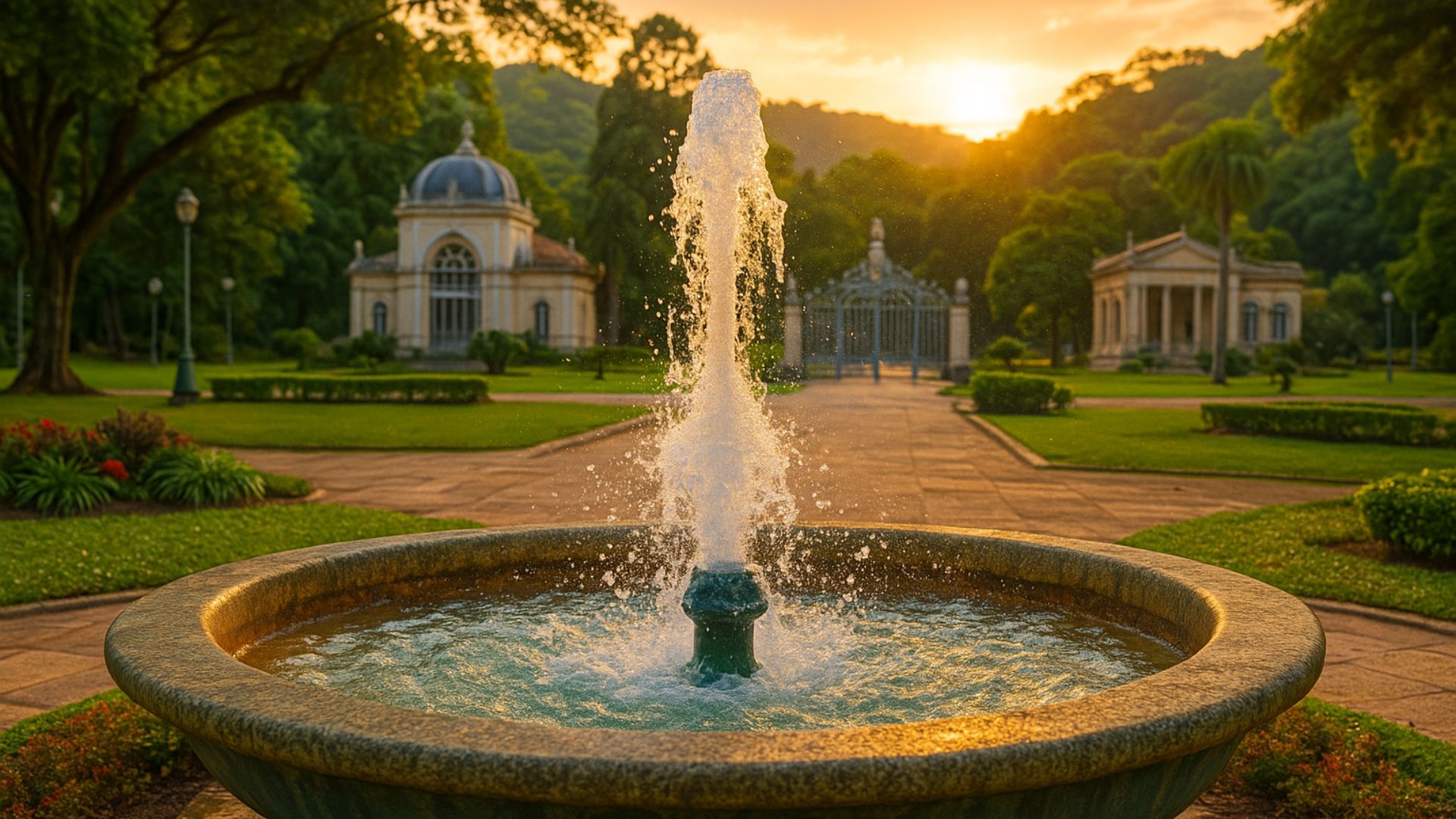


Located in Southern Minas Gerais, Caxambu houses a park with 12 sources of naturally carbonated mineral waters and an active geyser, recognized as the largest hydromineral set on the planet. The location is a traditional destination for health and wellness tourism.
Caxambu, in Southern Minas Gerais, is recognized by local authorities and health tourism entities as the municipality that houses the largest set of naturally carbonated mineral waters in the world.
The Parque das Águas Lysandro Carneiro Guimarães, the main attraction of the city, concentrates 12 sources of distinct compositions and an active geyser, visited annually by thousands of people.
The municipal administration and the tourism trade attribute digestive and wellbeing effects to the waters, based on traditional and historical uses.
-
Former banker from Brazil invests $20,000 in açai shop, expands to 18-store chain with $2 million revenue

-
1925 Lighthouse on Lake Erie Undergoes Technical Restoration, Involving Boat Transport of Materials and Preservation of Maritime Signals

-
From Cars and Motorcycles to 15-Meter Truck Operator: She Works at 4,800 Meters in Argentina’s Veladero Gold Mine, Where 16% of Workers Are Women

-
1,600-Year-Old Byzantine Christian Lamp Shaped Like a Sandaled Foot May Have Biblical Origins



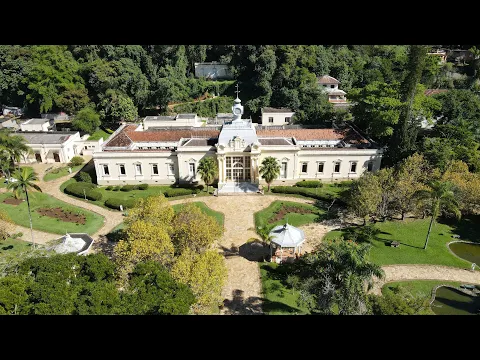
Parque das Águas Unites 12 Springs and Spa
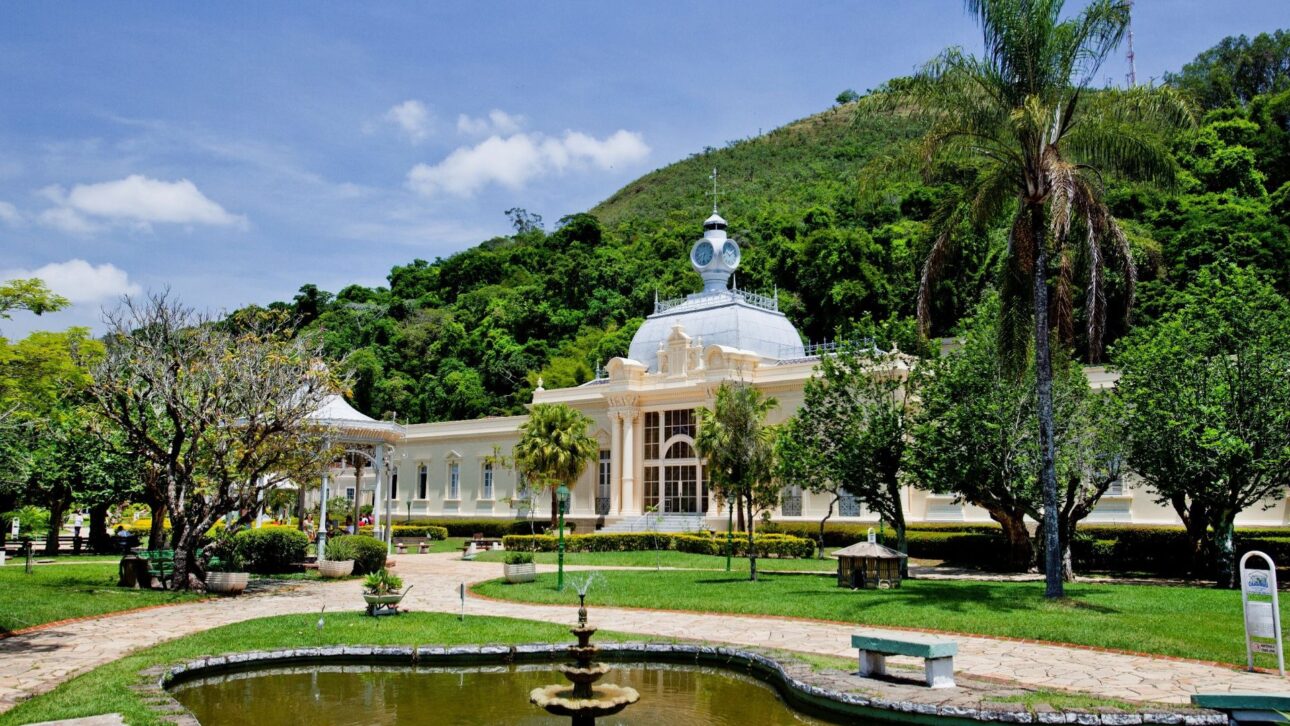
The Parque das Águas, inaugurated in the 19th century and registered by the State Institute of Historical and Artistic Heritage of Minas Gerais (IEPHA) since 1999, covers about 210 thousand square meters.
On-site, the springs are signposted with information about their chemical characteristics — carbonated, bicarbonated, ferruginous, magnesium, sulfurous, and lithinated — and guidance for use indicated by health professionals over time.
According to official records, the variety and concentration of springs in the same urban perimeter give Caxambu the informal title of the largest hydromineral spa in the world, a phrase adopted in institutional campaigns and promotional materials from the city hall and the local tourist circuit.

Etymology and Link to the Waters
Researchers and municipal sources inform that the name “Caxambu” comes from Tupi, meaning “water that bubbles” or “bubbles that boil,” referring to the natural effervescence caused by the carbon dioxide present in the springs.
This etymological explanation is the most disseminated among regional historians.
Recognition and Historical Use
The reputation of Caxambu is linked to the existence of naturally carbonated springs, a hydrogeological phenomenon resulting from the combination of carbon dioxide with groundwater.
According to the Geological Service of Brazil (CPRM), the region of Serra da Mantiqueira has geological conditions that favor this type of formation.
The practice of drinking or bathing in these waters — known as balneotherapy — is traditional in the city and is part of the local tourist routine.
Health authorities and the park itself recommend that consumption be moderate and, whenever necessary, accompanied by medical advice.
Population and Location
The municipality has 21,056 inhabitants, according to the 2022 Census from the Brazilian Institute of Geography and Statistics (IBGE), and is part of the Circuit of Waters of Minas, in the Serra da Mantiqueira.
The park is located in the urban center, which facilitates walking access to hotels, restaurants, and businesses focused on hydromineral tourism.
Road and Air Access
Caxambu is about 360 kilometers from Belo Horizonte by road.
The most commonly used route by drivers follows the BR-381 (Fernão Dias), accessing the BR-267, passing through Campanha.
The journey takes an average of five to six hours, depending on traffic.
There are also intermunicipal bus lines that connect the capital of Minas to Caxambu, with stops in Varginha, according to transportation companies operating in the region.
The average travel time is six hours, according to schedules published at the bus stations.
For regular flights, the nearest airports are in Juiz de Fora (IZA), São José dos Campos (SJK), and Guarulhos (GRU).
The municipality also has a regional aerodrome (SNXB), used for executive and small aircraft.
Heritage and Municipal Symbols
The link between the development of Caxambu and its mineral springs is represented in the city’s official symbols.
The municipal coat of arms features three faucets gushing water over the shield, directly referring to the importance of the springs for the economic and social formation of the municipality.
The preservation of Parque das Águas follows specific regulations defined by IEPHA and local administration, which limit construction and commercial activities within the registered area.
Therapeutic Uses According to the Park
The information on the signs of the springs indicates that the waters are traditionally associated with digestive, diuretic, and detoxifying effects, without proven medicinal character according to recent clinical studies.
The park emphasizes that these properties derive from historical uses observed since the 19th century and that consumption should follow medical guidance when there are specific health conditions.
Structure and Visitation
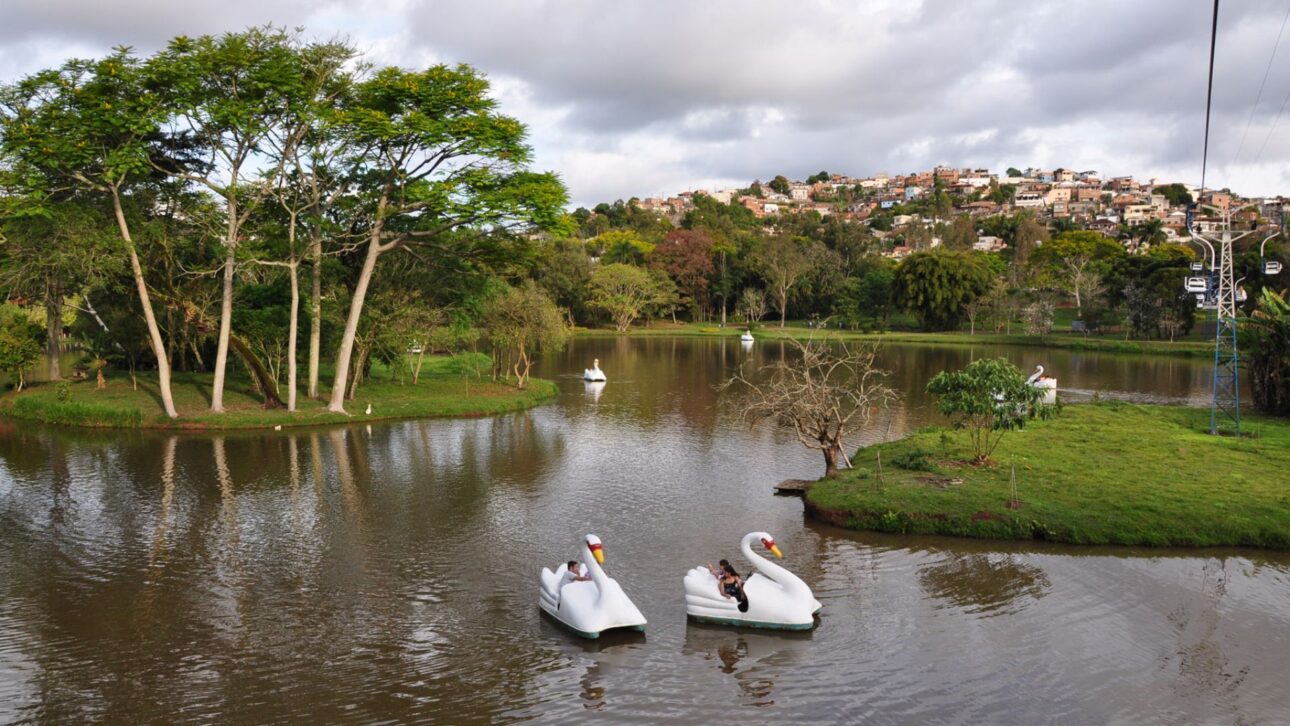
Inside the park, visitors find gardens, a lake, pedal boats, a cable car, and a spa with showers and therapeutic baths.
The 12 springs are located close to each other, allowing visitors to cover the entire area in short walks.
The location is managed by the city hall and receives continuous maintenance to ensure water quality control.


