





 Portuguese
  English
  Spanish
  3 min of reading
  0 comments


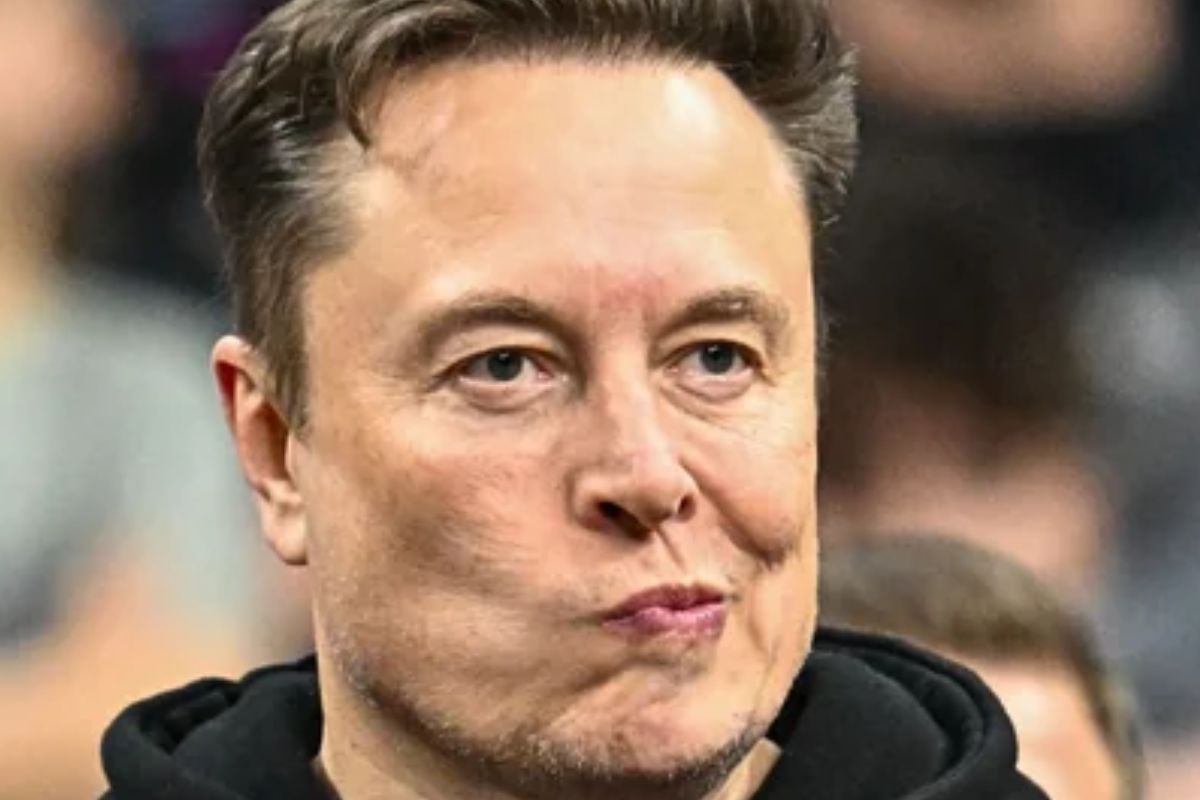
The Norwegian Sovereign Fund, the Largest Foreign Institutional Investor in Tesla, Announced It Will Vote Against Elon Musk’s Compensation Package Estimated at Up to US$ 1 Trillion, Intensifying the Standoff Among Shareholders and Raising Doubts About the Automaker’s Dependence on Its CEO.
The Norges Bank Investment Management (NBIM), responsible for managing the Norwegian sovereign fund of US$ 2.1 trillion, stated that it will reject the billion-dollar package proposed to Tesla’s CEO, Elon Musk, during the annual meeting scheduled for November 6. The plan, considered the largest in corporate history, includes granting shares that could exceed a market value of US$ 1 trillion in ten years.
The Norwegian fund’s decision deepens the divide among large investors. While Baron Capital has already confirmed support for the proposal, giants like BlackRock, Vanguard, and State Street remain silent. NBIM’s opposing vote, which holds 1.12% of Tesla’s shares, represents direct pressure on the company’s board and on Musk’s leadership, whose presence has been used as an argument to persuade shareholders.
The Valuation Argument Versus the Dependency Risk
The Norwegian fund recognized Elon Musk’s central role in creating value for Tesla, but expressed concern about the magnitude of the reward and the lack of balancing mechanisms between governance and reliance on a single figure.
-
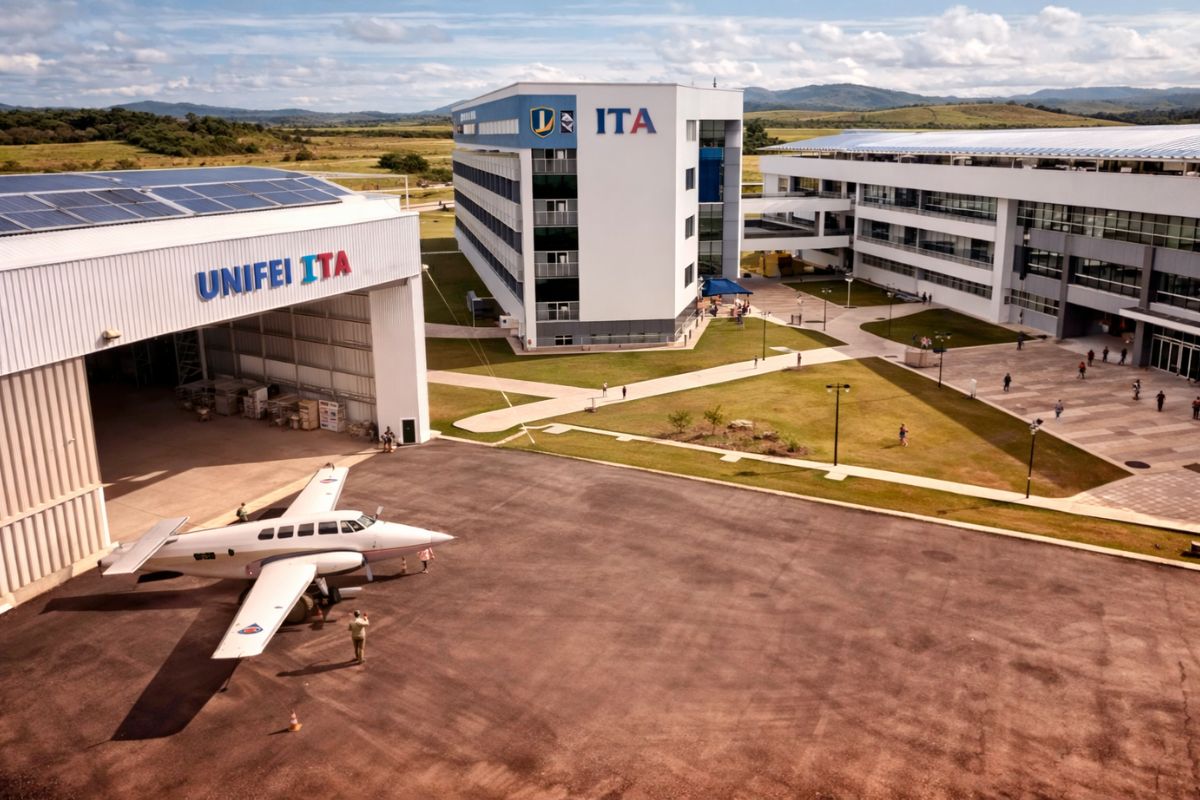
The institute that trained the greatest aerospace engineers in Brazil has just opened its first campus outside São Paulo after 75 years: ITA Ceará will have R$ 445 million, new courses in energy and systems, and classes are expected to start in 2027.
-
Luciano Hang, owner of Havan, goes to Juiz de Fora after the tragedy in February, brings R$ 1 million, hands out R$ 2,000 cards, and donates up to R$ 15,000 to victims in the region.

-
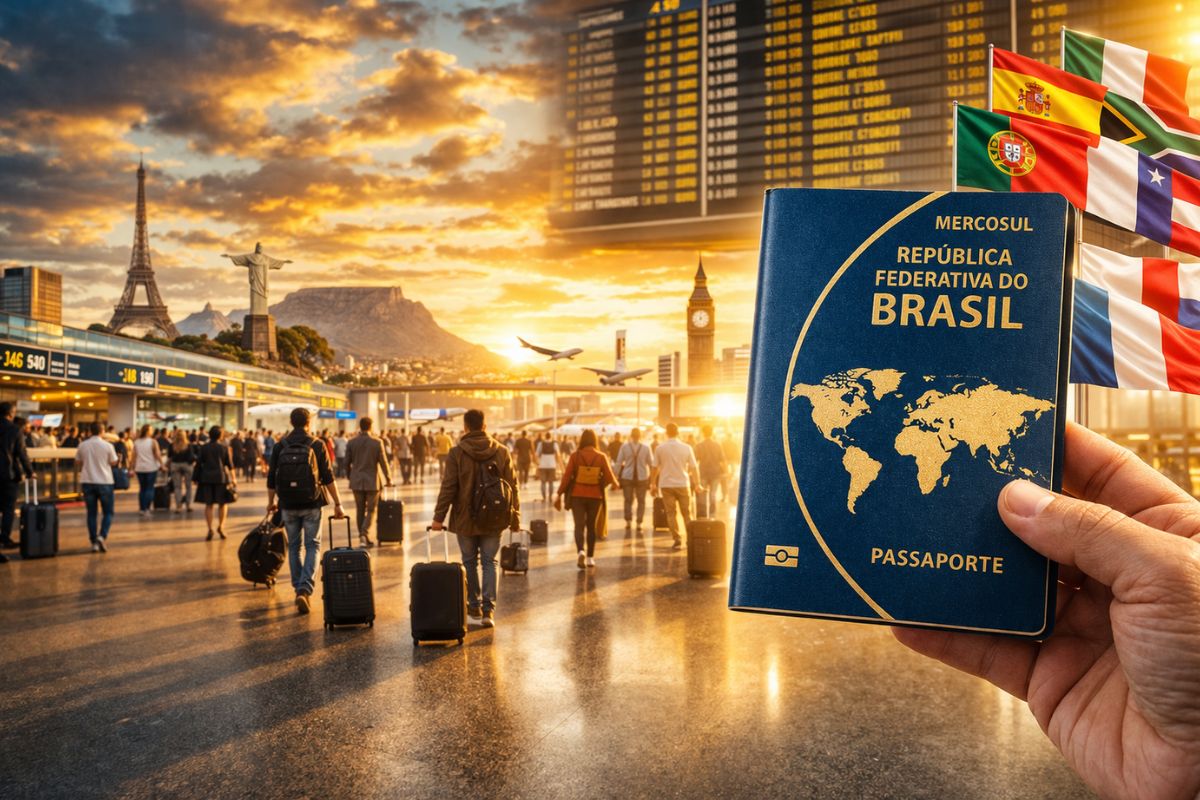
The Brazilian passport allows legal residence in dozens of countries without the need for a prior visa, and most Brazilians are unaware that they can apply for residency directly upon arriving in nations in South America, Africa, and even Europe.
-
Petrobras sends a message to Brazilian truck drivers after fuel collapse and reveals plan to have 100% domestic diesel.


In an official statement, NBIM highlighted that share dilution and power concentration threaten the sustainability of the business.
Even with the merit discourse tied to targets, the package has faced criticism for allowing Musk to achieve substantial gains without necessarily meeting all performance objectives.
Executive compensation and governance experts point out that, in practice, the plan reinforces the personal nature of Tesla’s management, bringing it closer to an almost monarchical leadership model.
The Board’s Response and the Risk of Breakup
The Tesla board has been orchestrating an intense campaign to approve the package.
Chairwoman Robyn Denholm warned that Musk could leave the company if the plan is rejected.
This explicit pressure has divided the shareholder base, between those who fear the billionaire’s departure and those who see the threat as a coercion strategy.
NBIM also announced an opposing vote against the reelection of two directors, Kathleen Wilson-Thompson and Ira Ehrenpreis, and opposed the company’s overall stock plan, citing a lack of transparency in the distribution criteria.
The decision reinforces discomfort with how Tesla conducts its governance and highlights Musk’s increasing isolation within the corporate structure.
The Political Calculation and Long-Term Impacts
In addition to the internal conflict, there is a political context influencing the decisions of large funds.
U.S. managers have been pressured by conservative sectors to reduce the emphasis on environmental, social, and governance policies.
Elon Musk, aligned with Republican right agendas and former President Donald Trump, has become a symbol of this polarization.
This context creates a dilemma: supporting Musk may mean strengthening a political narrative that confronts the ESG agenda, while rejecting the plan could be interpreted as an ideological action.
The outcome of the vote will be a barometer of the CEO’s real power within Tesla and a test for the independence of the world’s largest investors.
Do you think Tesla’s board should limit Elon Musk’s power, or is the company’s success still dependent on his leadership?










Seja o primeiro a reagir!