





 Portuguese
  English
  Spanish
 3 min of reading


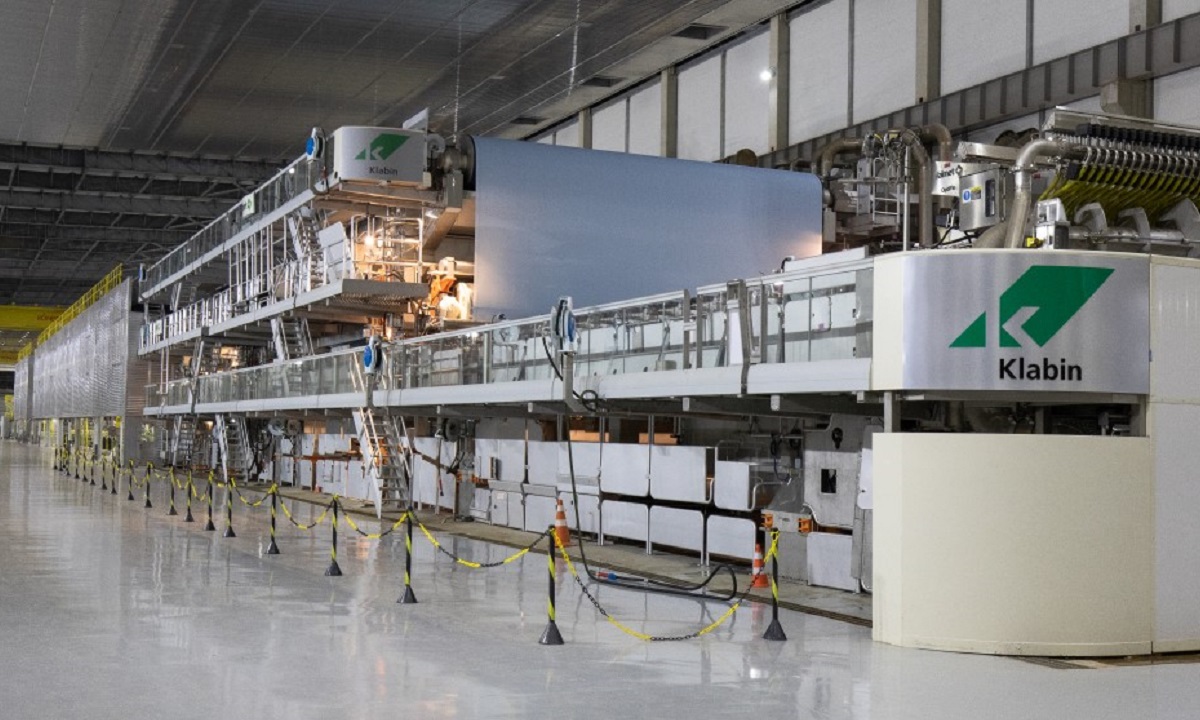
Klabin Invested in a New Factory in the Interior of São Paulo to Produce Corrugated Cardboard, Aiming to Keep Up with the Increase in Demand for Packaging in Brazil
Klabin announced this Wednesday, the 20th, the construction of a new corrugated cardboard factory. The Figueira Project, the name given to Klabin’s new cardboard production plan, will be located on a plot of 950,000 square meters in the city of Piracicaba, in the interior of São Paulo.
The annual production capacity of the new Klabin factory in São Paulo will be 240,000 tons. The hope is that operations will begin in the second quarter of 2024. The investment in the new São Paulo factory is another advance for Klabin in increasing its production capacity for corrugated cardboard, following the demand for the product in Brazil’s states, including São Paulo. In a presentation about the project, Klabin stated that the area for corrugated cardboard grew faster than GDP from 2016 to 2021, with the sector expanding by 4.1% while GDP rose by 1%.
According to Klabin, the investment in the new factory for cardboard production in São Paulo aims to drive the progress of some industries in Brazil that have a high demand for corrugated cardboard packaging, such as the food sector and e-commerce, across all states in the country, including São Paulo.
-
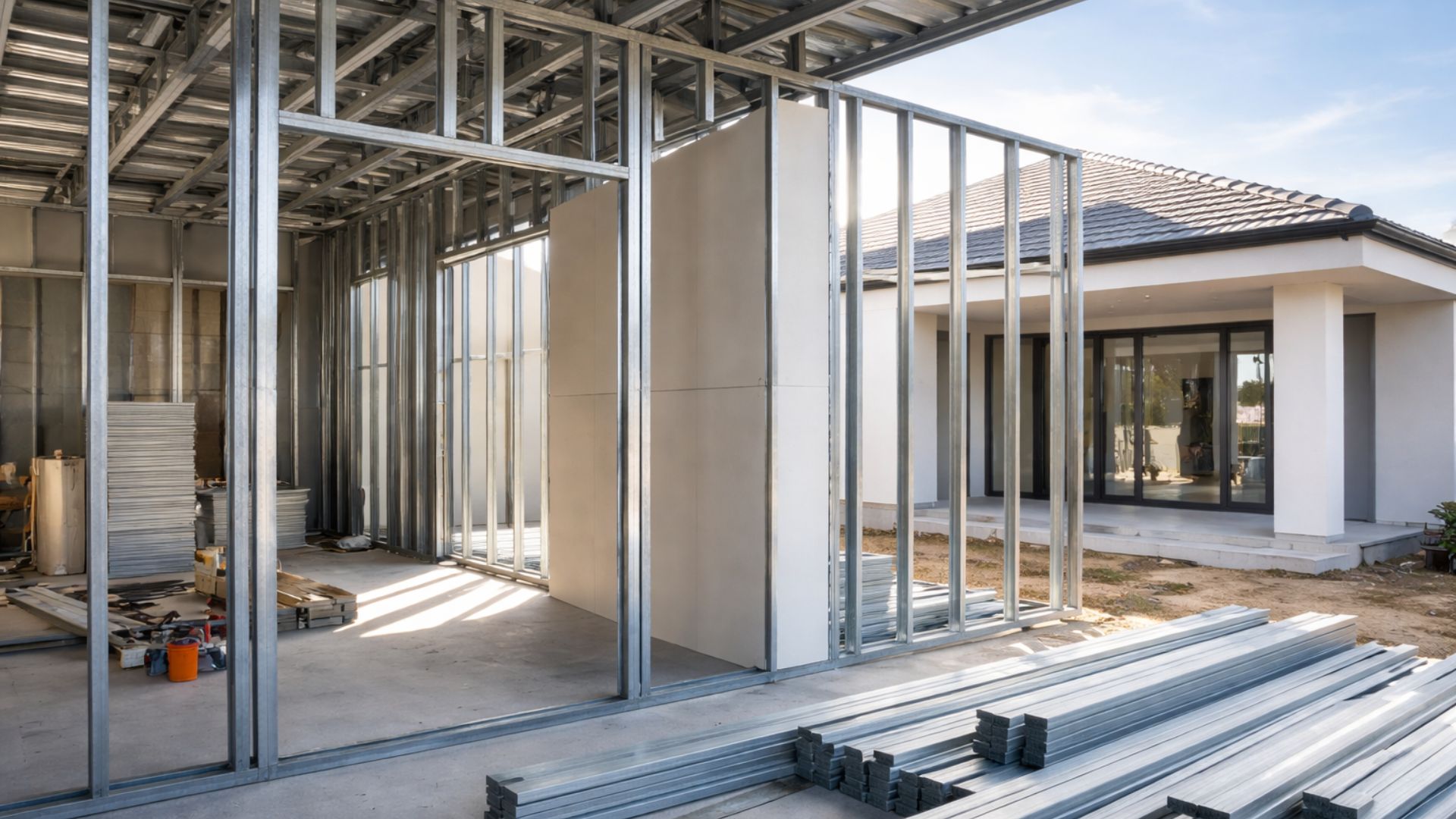
The new era of civil construction features “dry construction” and boosts a company that accelerates expansion with 48 stores and steel frame.
-
Woman enters abandoned houses for 16 years that no one dared to visit: beautiful project and logical layout, interior mold-free, possible resort; after exploring, decides to buy everything for €32,000 and surprises the entire village.

-
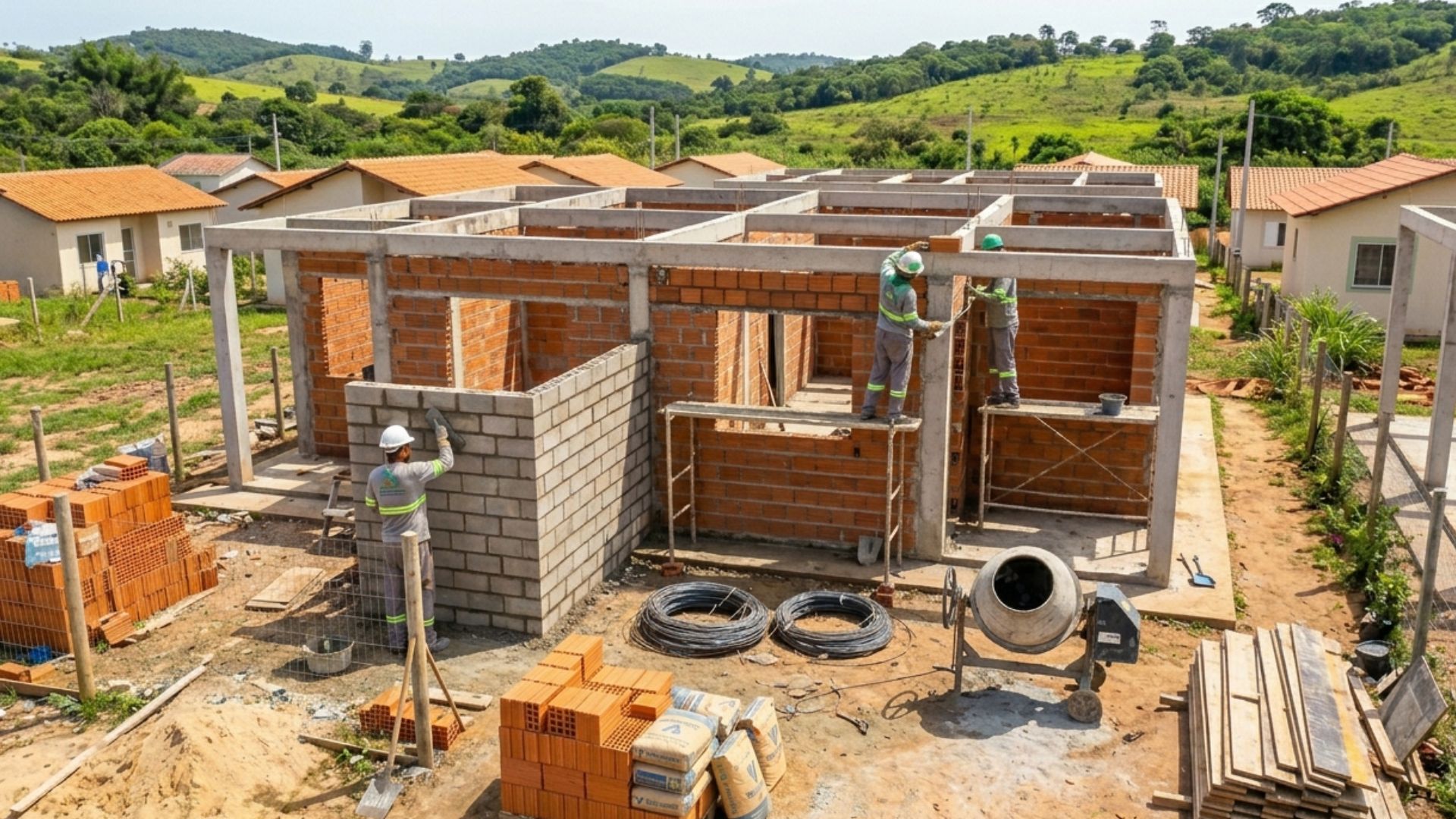
Simple 2-bedroom house: a study of the construction sector reveals the real cost that few expect and shows how strategic decisions can prevent losses and ensure significant savings in the dream of homeownership.
-
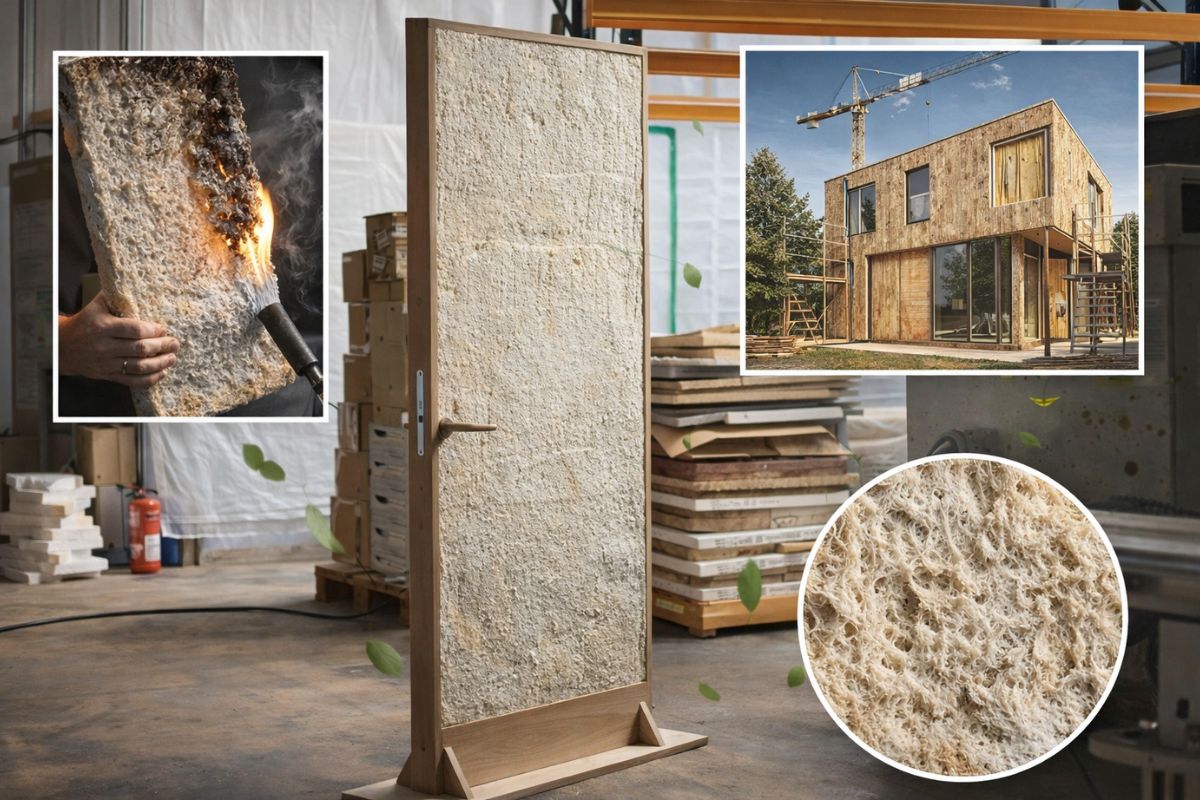
Danish company creates the world’s first door made from fungi that grows in just two weeks, is fire-resistant, and promises to replace traditional wood in construction with nearly zero environmental impact.
Considering the project for the new cardboard factory in São Paulo and the investment made by Klabin, the company’s nominal conversion capacity for corrugated cardboard will be around 1.3 million tons annually. Klabin’s units closed the trading session on Wednesday, 20th, with a 1.44% increase, at R$ 19.07. They have accumulated a drop of approximately 25.7%, bringing the company’s market value to R$ 98.4 billion.
Cardboard Is One of the Most Recycled Materials in Brazil Due to Easy Collection
Corrugated paper, called cardboard, is used in packaging boxes for transporting products to factories, warehouses, offices, and homes. Corrugated cardboard is developed, in its smallest part, from virgin cellulose fibers, which are obtained from 100% renewable sources of eucalyptus and pine forests, all managed. However, it is estimated that today more than 70% of cardboard produced in Brazil comes from recycled material.
The recycling rate of cardboard in Brazil represents a strong contribution from the cardboard industry to the environment, as most of the raw material used comes from the recycling of discarded cardboard packaging and accessories collected by companies specialized in recycling.
The recycling process is quite straightforward; cardboard factories obtain materials from cooperatives, and after receipt, this material is disassociated in the hydrapulper, a type of blender that separates the fibers, mixing them into a unique slurry. In the case of cardboard, unlike office paper, it is unnecessary to use fine cleaning techniques, removal of inks, and special washes.
With high-quality fibers, the outer layer of paper placed on the outside of the cardboard box is constructed, while lower-quality fibers are used in the manufacturing of the liner.
At the end of the process, the cardboard packaging is 100% recyclable, biodegradable, and has a low environmental impact throughout its lifecycle, representing a relatively closed chain in which the packaging used is recycled and reused in the factory for new packaging.







Seja o primeiro a reagir!