Portuguese
  Spanish


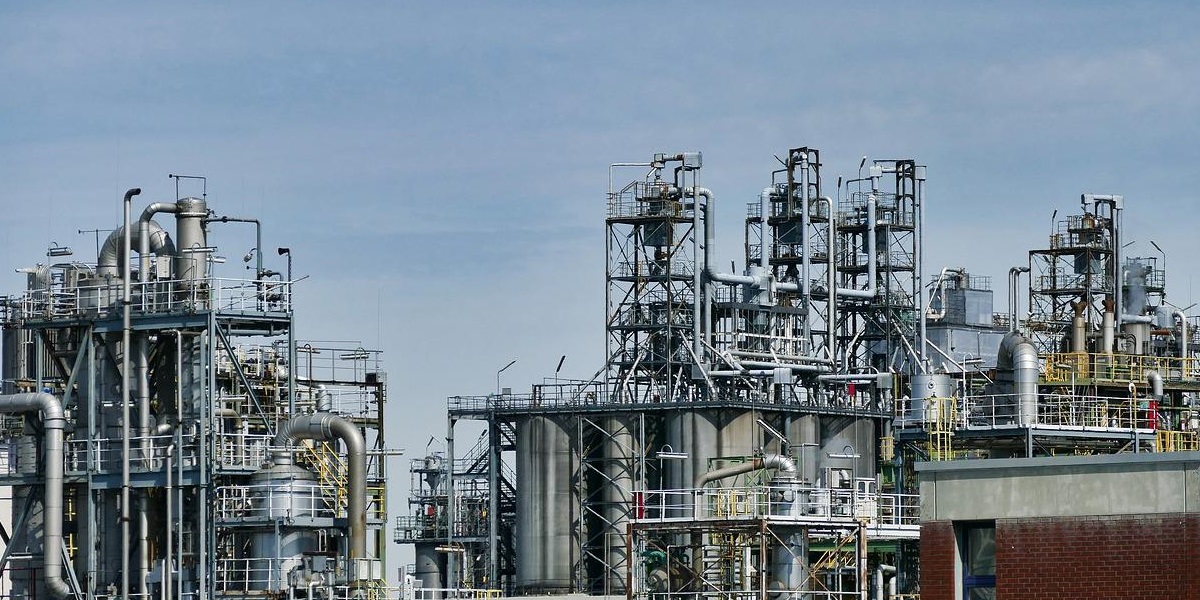

The New Unipar Factory Will Contribute to the Expansion of Basic Sanitation Services in Brazil and Will Be Partially Powered by Wind Energy
The Unipar plans to begin construction of its third factory in Brazil at the Camaçari Petrochemical Complex in Bahia this semester. The project is related to the new Sanitation Framework – a law aimed at universalizing water and sewage services by 2033.
A leading company in the production of chlorine and soda and one of the largest manufacturers of PVC in South America, Unipar will invest R$ 140 million in the new factory, with construction expected to take up to 24 months.
Unipar’s New Project Focuses on Universal Access to Basic Sanitation
Through this initiative, the company aims to meet the growing demand for hydrochloric acid, sodium hypochlorite, and caustic soda, especially in the Northeast region, where there is the greatest expectation for progress in basic sanitation.
-
City Hall spends almost R$ 2 million on a wooden bridge only 2.5 meters wide to prevent the isolation of 5,000 people, but information about lifespan, load, and maintenance does not appear in public disclosures.

-
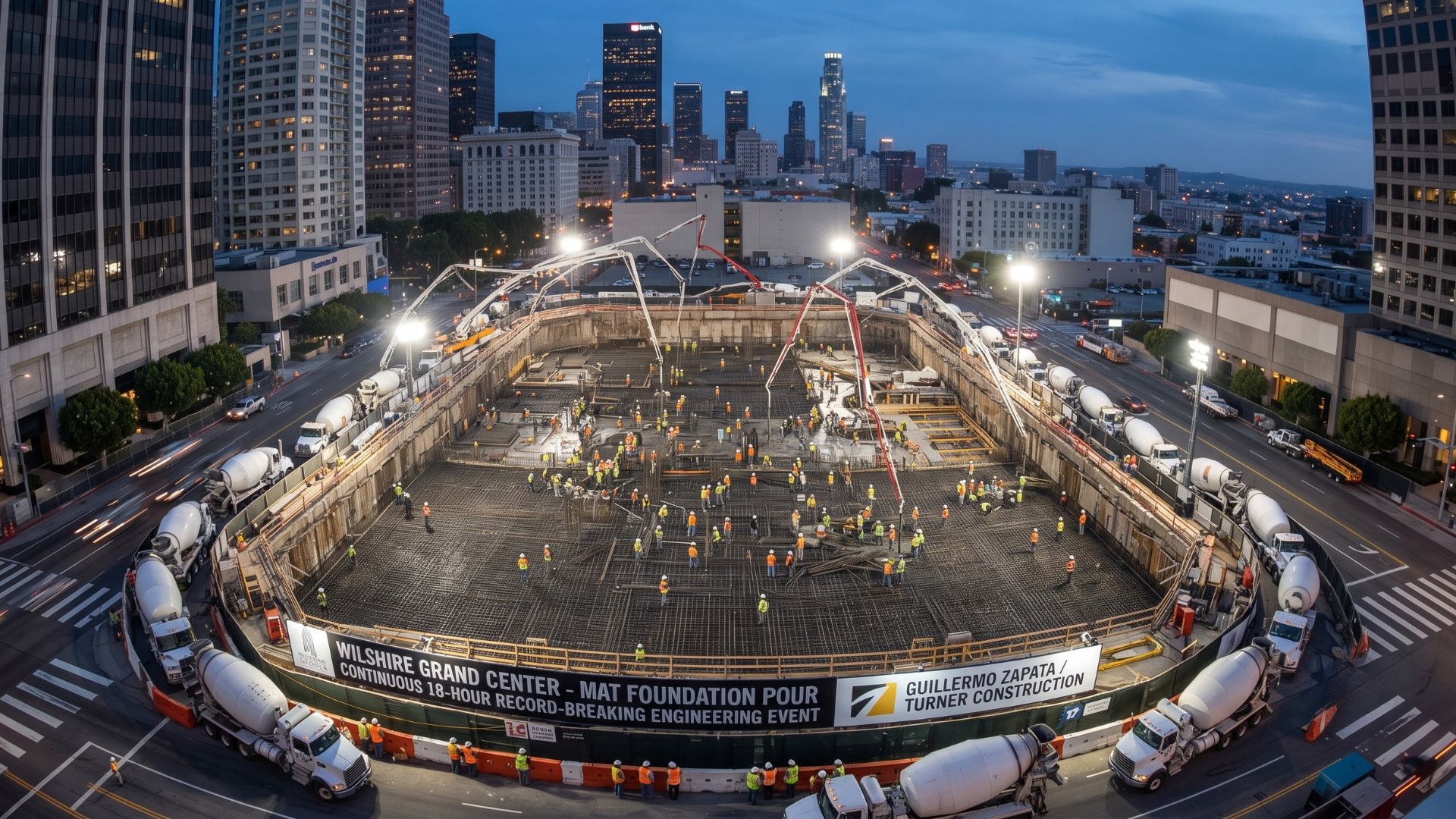
More than 2,100 trucks transported 16,200 cubic meters of concrete without interruption to create the foundation of the tallest skyscraper in the western United States and break a world record.

-
The man who started in construction with his own house founded a company in 1957, went through a banking crisis in 1987, and ended up connected to 16,500 houses in Houston.

-
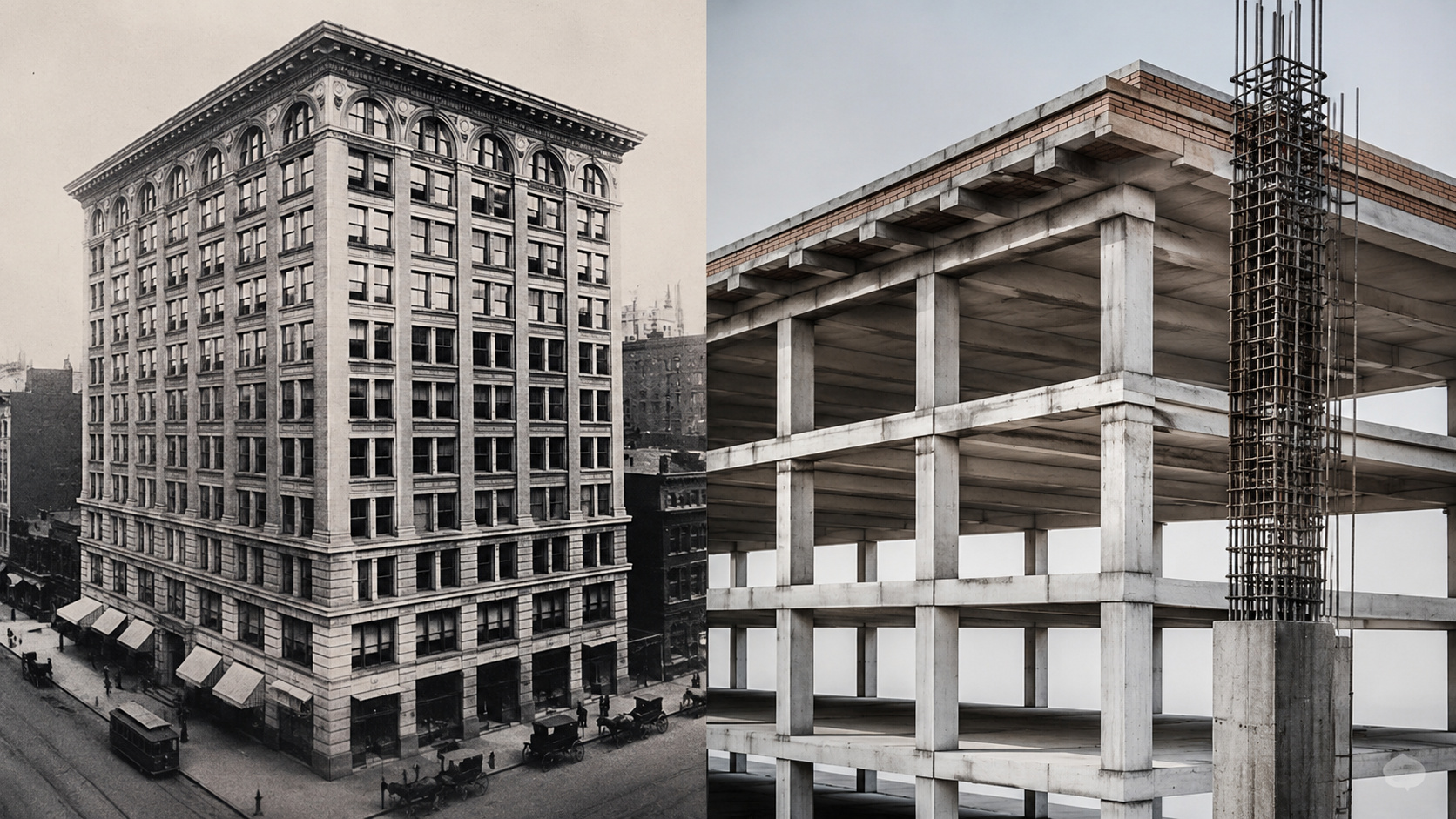
Builders challenged experts, erected a 16-story building using only reinforced concrete when the known limit was six floors, and proved that skyscrapers would never be the same again.


Today, it is estimated that 35 million Brazilians lack access to clean water. Furthermore, of all the sewage produced in the country, only half is treated. In the Northeast, this figure is even lower, at 34%, according to data from the National System of Sanitation Information, managed by the Ministry of Regional Development (SNIS).
In this context, Unipar’s new factory in Bahia will have an annual production capacity of 10,000 tons of chlorine, which will help expand sanitation services, given that the compound is part of the hydrochloric acid formula used in the production of coagulants for water and sewage treatment. Chlorine is also a component of sodium hypochlorite, used in the depollution of industrial effluents, among a range of other applications.
The Factory in Bahia Will Utilize Sustainable Energy Sources
According to Unipar’s CEO, Mauricio Russomanno, the Bahia factory was designed with some of the most modern and eco-efficient chlorine production technologies. The executive also states that this will allow for a reduction in the consumption of inputs such as energy, which currently accounts for 50% of the cost of producing chlorine and soda.
The new facility will be partially powered by wind energy from its own generation, aligning with Unipar’s goal of exceeding an 80% renewable energy matrix by 2025.
In Bahia, the Tucano Wind Farm is also located. The project is set to begin operations in 2023 and is a joint venture formed between the petrochemical company and AES Brazil, with Unipar operating 25 wind turbines. Of the total 150 MW of installed capacity at the farm, the company will use an average of 60 MW under a self-production contract for 20 years.
Additionally, the company is also involved in two other initiatives for green energy generation: the construction of the Cajuína Wind Complex in Rio Grande do Norte, also with AES Brazil, and the Lar do Sol – Casablanca II project in Minas Gerais, with Atlas Renewable Energy.
Together, these three parks are expected to have a total installed capacity of 239 MW, of which 49 MW will be allocated to Unipar. According to Russomanno, these initiatives will ensure access to energy for an extended period, as well as enhance cost competitiveness and reduce greenhouse gas emissions by at least 15% by 2024.
The new factory in Camaçari, Bahia, will make Unipar have four plants, three in Brazil and one in Argentina, located in Bahía Blanca. The company is thus fulfilling its expansion plan, aiming to double in size over the next ten years.