





 Portuguese
  English
  Spanish
 4 min of reading
  0 comments


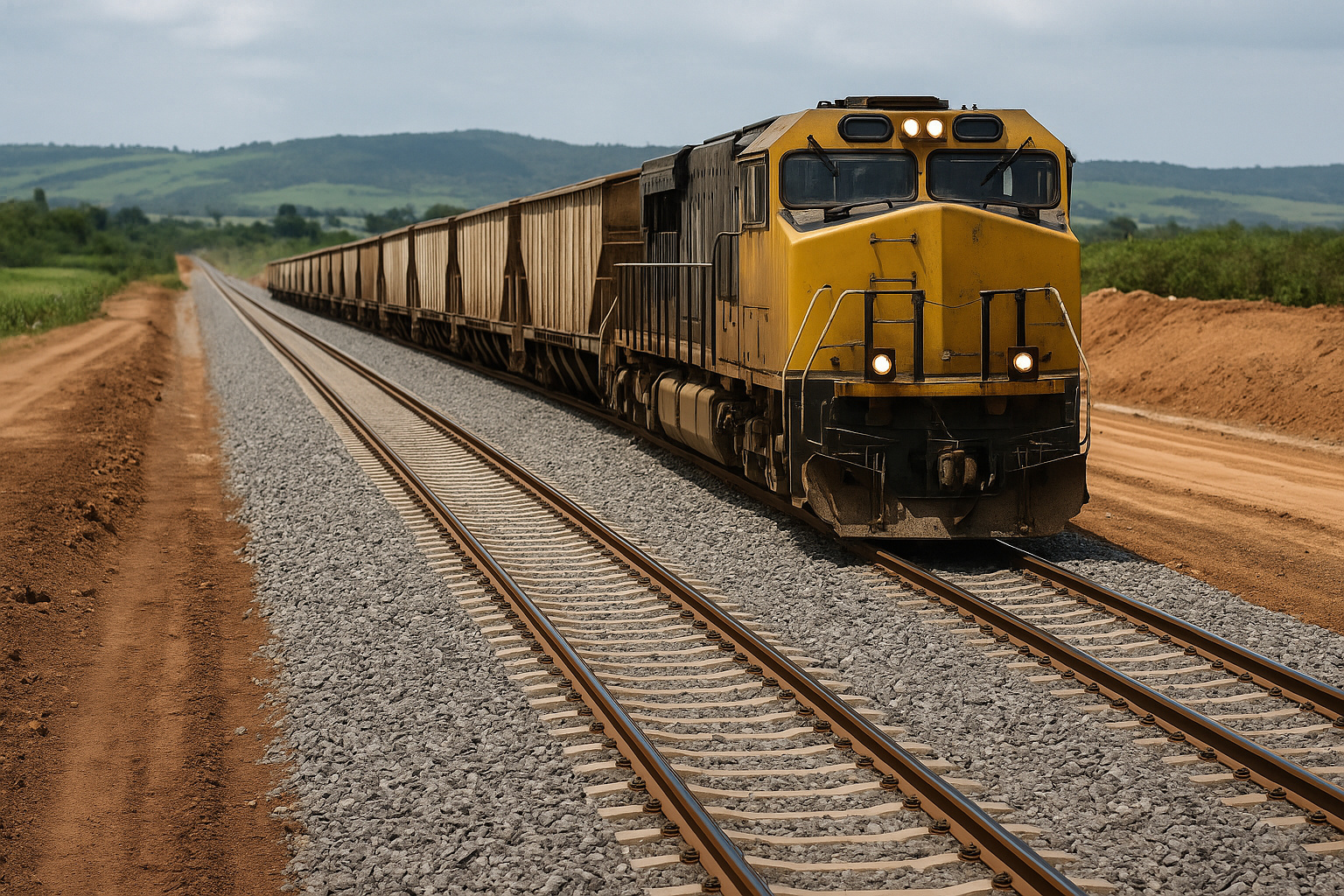
Historical Integration Between the East and West Lines Will Create the Largest Subway System in the Northeast and Drive Jobs, Urban Development, and Sustainable Transport.
An unprecedented infrastructure project is rapidly advancing through the Northeast and consequently promises to completely transform urban mobility in the region. The unification of the East and West Lines of the subway system will create a continuous corridor of 32 kilometers, thus becoming the largest subway line ever planned in the Northeast. According to the National Bank for Economic and Social Development (BNDES) and the Ministry of Cities, execution will be completed by 2029, with direct effects on the economy, transportation, and regional urban growth.
The East Line, whose underground construction began in 2012 and was resumed in 2023 after a pause, is progressing at a steady pace. Furthermore, the state government has confirmed that the first phase will be delivered by December 2028, as stated by the Infrastructure Secretary Hélio Winston Leitão. In parallel, the West Line, which currently uses light rail vehicles powered by diesel, will undergo a complete transformation and will thus adopt a highly efficient electrified system. As a result, urban transport will gain greater capacity, less pollution, and total integration with the new network.
Technical Study Points to Strategic Advancement for Transport in the Northeast
In detail, the technical report from BNDES and the State Government, completed in 2025, presents significant gains for regional mobility. Integration will bring faster, safer, and more comfortable travels, in addition to connecting urban centers, commercial areas, and residential hubs in up to 40 minutes. Furthermore, the Infrastructure Secretary (Seinfra) estimates that over 180,000 passengers will use the system every day. Another highlight is the East Line, constructed in a tunnel at a depth of 30 meters, considered a landmark of modern engineering in the Northeast. In May 2025, the government announced the completion of the first tunnel, with 1,734 meters excavated, demonstrating significant progress on the timeline.
-
Brazil Ignores Trump’s threats to BRICS, Buys 42 tons of gold and reduces the Dollar’s share by 6.45% in international reserves.

-
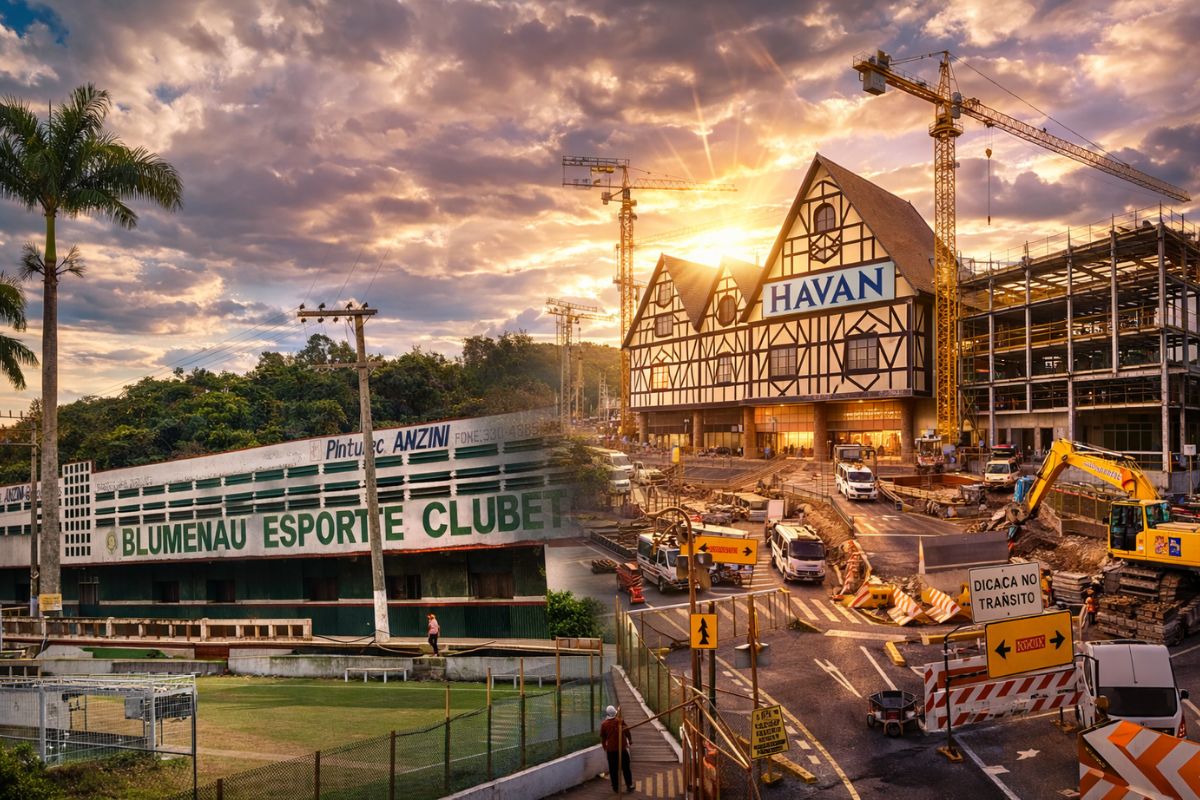
Havan buys historic football land in Blumenau for a million-dollar amount protected by a confidentiality clause and is already planning to change even the layout of streets to build a megastore in half-timbered style costing 80 million reais.
-
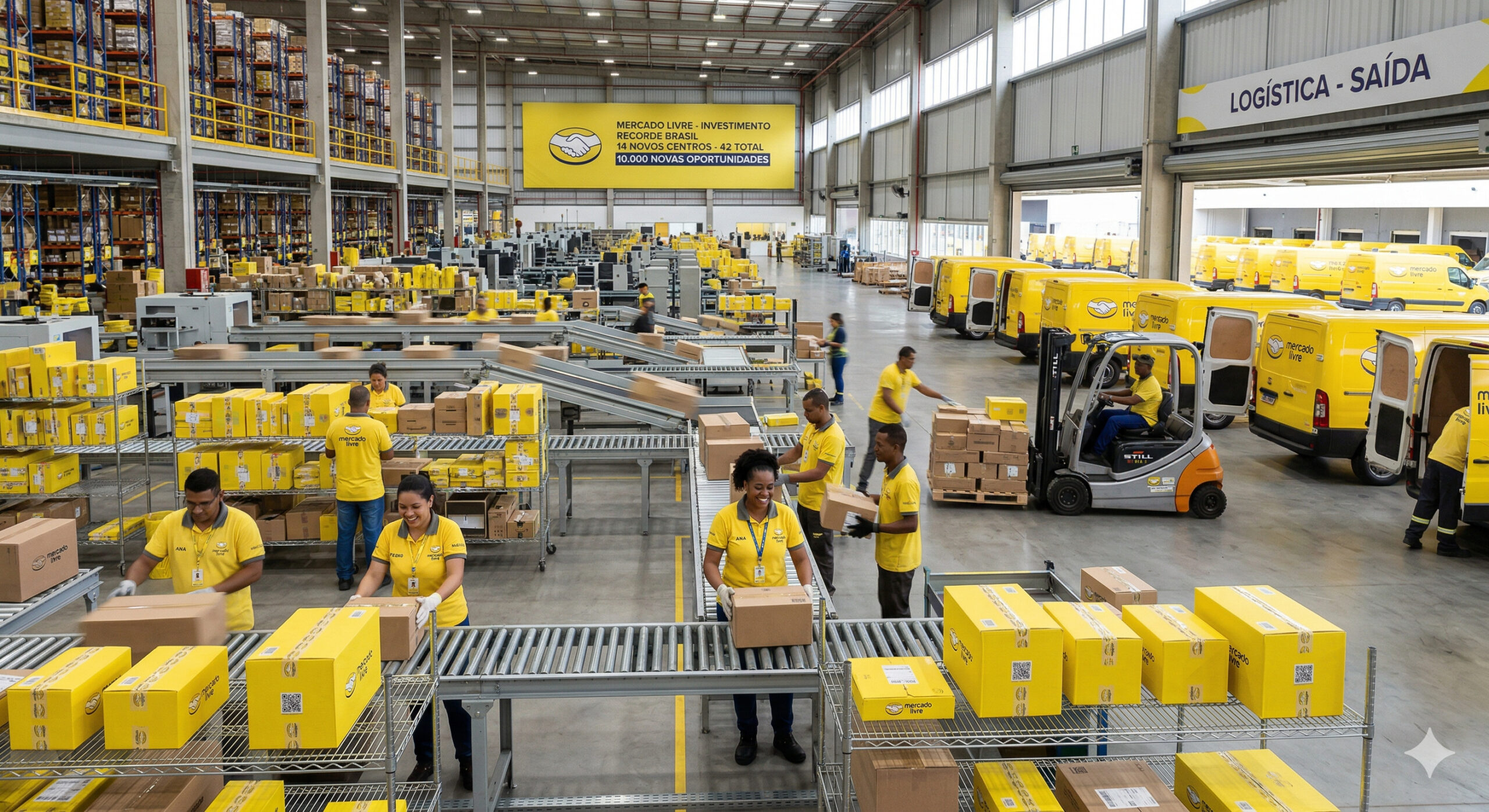
Mercado Livre “opens the vault” and announces a record investment of R$ 57 billion in Brazil in 2026, a value 50% higher than the previous year, with an expansion plan that includes 14 new logistics centers, totaling 42 units in the country and hiring an additional 10,000 employees.
-
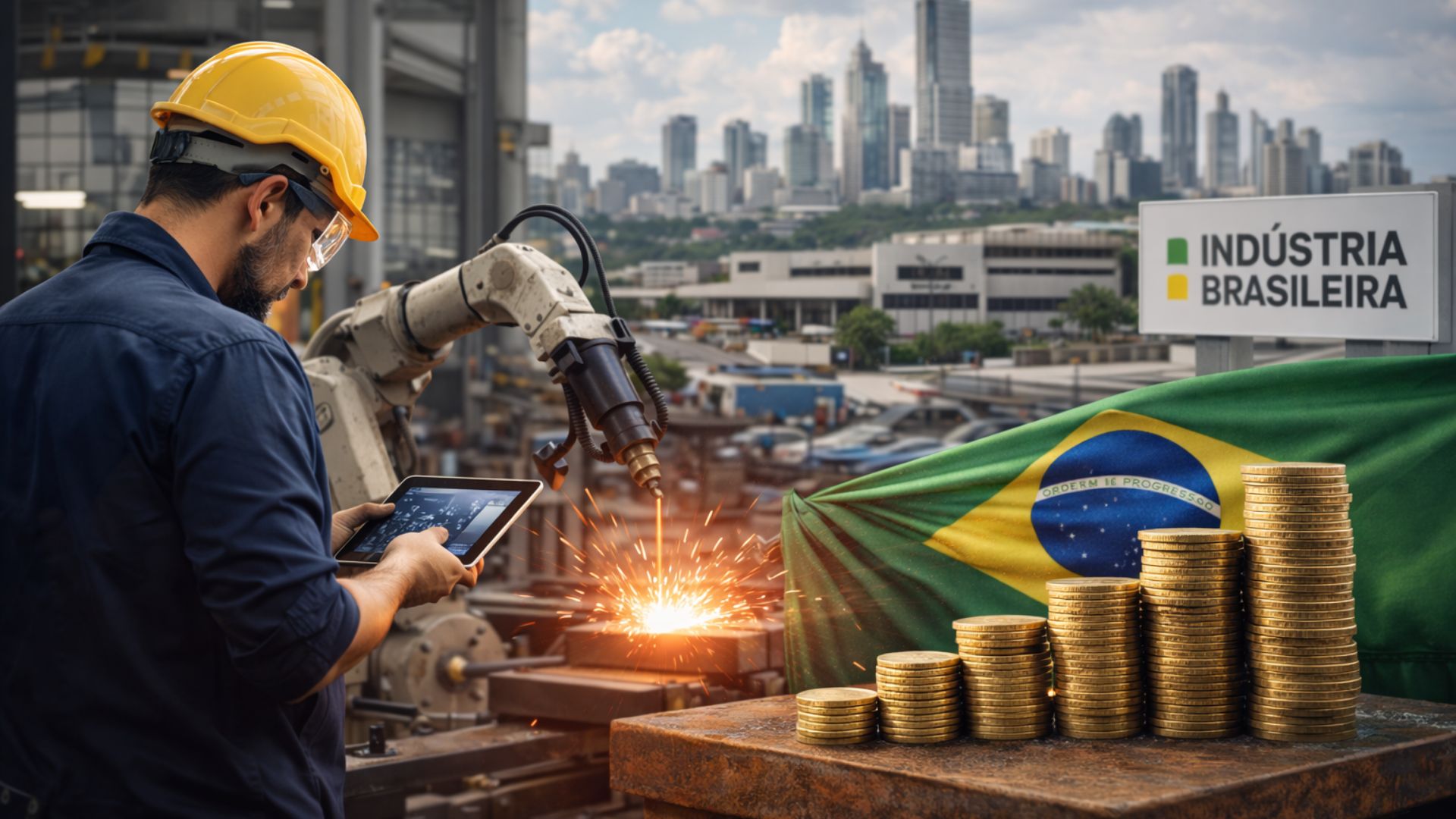
How investment in technology can revolutionize the national economy and enhance industrial gains, according to a study that highlights the direct impact on productivity, innovation, and wealth retention within Brazil.

With the new electric standard and the high-complexity underground infrastructure, the subway system will offer more fluidity, speed, and comfort. Additionally, experts claim that the project places the Northeast among the regions with the most advanced public transport in the country. Therefore, the initiative reaffirms the commitment to clean technologies, sustainable energy, and green mobility goals, all aligned with the federal government’s environmental policies.
Urban and Social Impacts of the New Transport Corridor
The subway expansion will drive direct and indirect jobs, enhance urban areas, attract new investments, and integrate metropolitan terminals and bus corridors. Consequently, the BNDES points out that modernizing public transport will reduce congestion, stimulate the use of sustainable modes, and broaden social access to the metropolitan region. Additionally, the electrification of the system will reduce noise, improve efficiency, and lower operational costs, thus consolidating a modern, accessible, and environmentally responsible model.
The advancement of the works represents a profound transformation for the urban development of the region. Overall, it brings commercial centers, residential neighborhoods, and educational hubs closer together, strengthening smart mobility and promoting better quality of life for thousands of workers and students. Thus, the project symbolizes a new cycle of sustainable growth and regional integration.
Challenges and Perspectives for the Completion of the Project
Despite the continuous progress and guaranteed funding, the project requires strict technical coordination and integrated management among governments. As a result, converting the West Line into an electrified metro involves complex adjustments in tracks, stations, and control systems, requiring meticulous planning and constant technical support. Nevertheless, the teams from BNDES and the Ministry of Cities keep the schedule active and oversee each stage of execution, ensuring transparency and continuous progress.
Thus, the construction of the largest subway line in the Northeast represents a historical milestone for public transport in Brazil. It demonstrates how investment in technology and sustainability can transform urban realities and boost regional economies.
However, one question still lingers: will the goal of delivering the largest subway line in the Northeast by 2029 be met on time and without further delays?






Seja o primeiro a reagir!