





 English
  Francês
  Alemão
  Italiano
  Japonês
  Norueguês
  Portuguese
  Spanish
  4 min of reading



The Sale of 51% of the Natural Gas Holding, Gaspetro Confirms That the New CEO is Aligned With the Divestments of the State Oil Company Petrobras
The Brazilian oil giant is shedding its 51% stake in Gaspetro. The major buyer was Cosan, which controls Compass, the largest gas distributor in Brazil. The announcement occurred yesterday, July 28, and the sale will fill Petrobras’s “piggy bank” with more than 2 billion reais.
Read Also
- Oil Reigns in Brazil: Rich in Natural Resources, the Country Aims to Double Oil Production to Become the Fifth Largest Global Exporter, Going Against the Trend of a World Trying to Eliminate Fossil Fuels in the Energy Transition
- New Technology Shields Steel from Corrosion and Revolutionizes the Industry Worldwide, Replacing Costly Traditional Methods of Blasting, Mechanical Treatment, and Painting, and Lasting Up to 10 Years Without the Need for Shutdown or Maintenance
- As if the Prices of Gasoline, Diesel, Ethanol, and Cooking Gas Were Not High Enough, Brazilian Households Now Have to Face a 52% Surge in Electricity Bills Caused by the Worst Water Crisis in Recent Times
- The Brazilian Oil Giant Chooses SBM Offshore for a 26-Year Charter of the Largest FPSO Platform in Brazil to Be Installed in the Largest Deepwater Oil Field in the World
Gaspetro holds stakes in 19 gas distributors, which exclusively explore the local services of piped gas distribution in various states of Brazil.
The Cosan Group, for its part, operates not only in the gas and energy segment but also in the production of sugar, ethanol, bioenergy, distribution, and commercialization of fuels through Raízen (a joint venture between Cosan and Shell), in lubricants through Moove, and in logistics through Rumo.
-
Brazilian giant expands borders in the Southeast: Petrobras confirms new oil discovery in ultra-deep waters in the pre-salt of the Campos Basin.

-
Alert in the global energy market: Severe tropical cyclone hits the coast and disrupts gas production at major plants in Australia, threatening global supply.

-
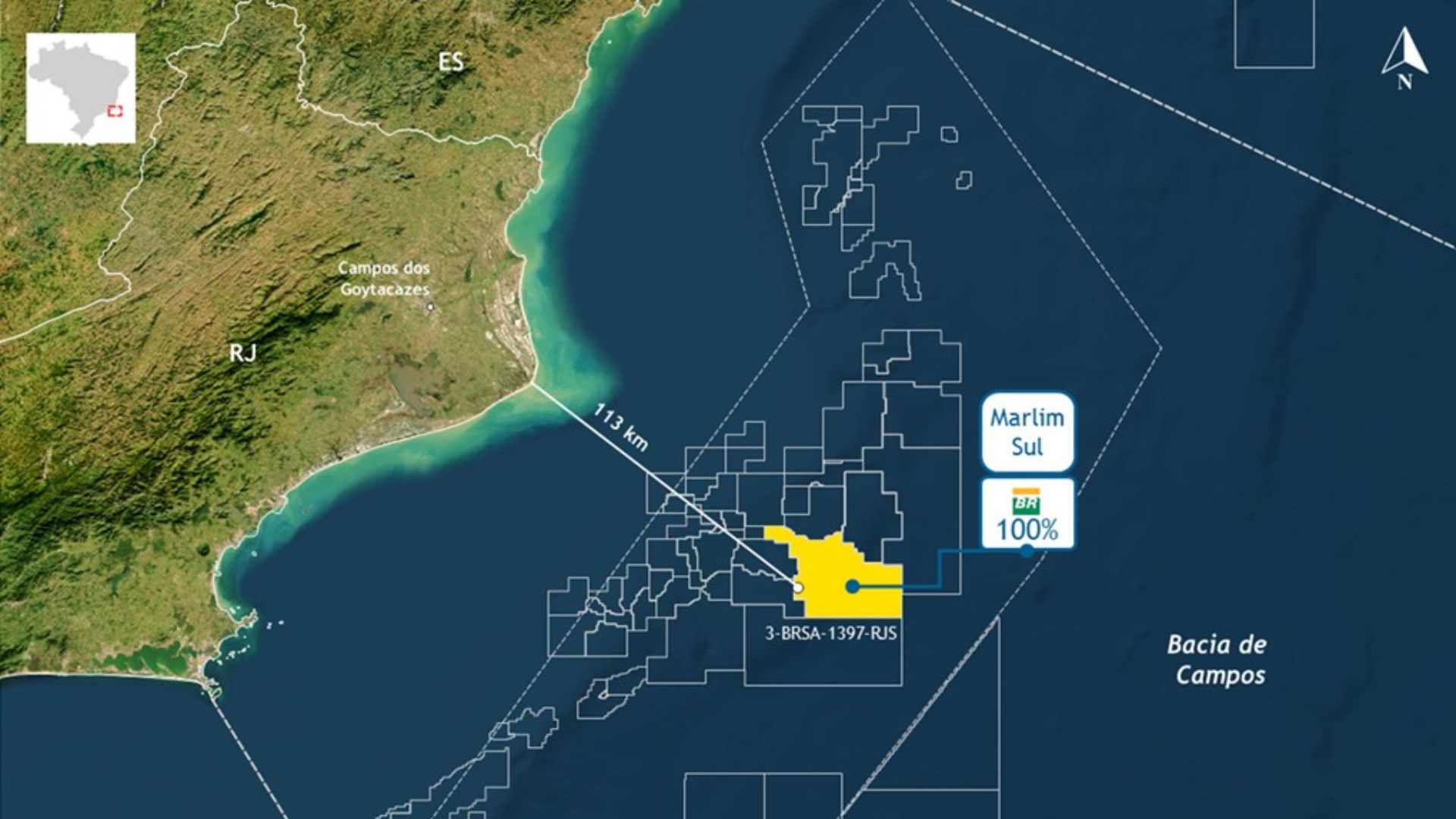
Petrobras finds high-quality oil in the pre-salt at 113 km from RJ and reignites expectations about strategic reserves in the Campos Basin.

-
Ocyan opens registrations for startups focused on innovation in the oil and gas sector and will select projects for Innovation Day with the support of Nexio.


Mitsui Also Wants to Sell Its 49% Stake in Petrobras’s Subsidiary
Mitsui is a partner of Petrobras, holding a 49% stake in Gaspetro. In November, Valor Econômico reported that the Japanese company is studying the sale of its 49% stake in Petrobras’s subsidiary.
“The closing of the transaction is subject to the fulfillment of precedential conditions, such as approval by the Administrative Council for Economic Defense (CADE). Additionally, until the closing, Petrobras will observe the provisions set out in the shareholder agreements of Gaspetro and the natural gas distributors, including regarding preferences rights, as applicable,” the company informed in a relevant fact.
Cosan also controls Comgás, the largest distributor in the country, which holds one of the state concessions in São Paulo.
Compass Gas Distributor, Part of the Cosan Group, Predicts Infrastructure Expansion in SP
Compass is developing two projects to increase the supply of natural gas, initially focusing on São Paulo: Rota 4, to channel national production from the pre-salt region, and an LNG terminal at the Port of Santos.
The Regasification Terminal of São Paulo, with a regasification capacity of 14 million m³/day, has a total estimated investment of R$ 670 million. The operation start date is forecasted for 2022.
In Rota 4, the company intends to be a minority partner in the gas pipeline. The idea is to construct a gas pipeline of 21 million m³/day, extending 267 km, with an approximate investment of US$ 2 billion, starting in 2024, with operation expected to commence in 2027, including a processing unit (UPGN).
Raízen of the Shell Group Wants to Build Three Ethanol Production Plants Made from Bagasse and Sugar Cane Straw
Raízen, the global giant producer of ethanol in conjunction with Shell, plans to build three more cellulosic ethanol plants — or second-generation. The good news was announced by businessman Rubens Ometto of Cosan last Monday (March 15) during a live session with Valor.
Cellulosic ethanol is made from bagasse and straw. In Piracicaba (SP), the group already has a plant producing this type of fuel, which, according to the businessman, is in high international demand due to the carbon sequestration it generates.
“We want to build three plants of this size, producing an additional 300 million liters of second-generation alcohol,” revealed Ometto. “Companies like Shell, Exxon-Mobil, Total, all of them have a strong interest in acquiring this ethanol given the carbon sequestration it entails.”
The technology for producing cellulosic ethanol emerged from a partnership between Shell and the Canadian company Logen, specialized in biotechnology. In the last harvest (2019/20), the Piracicaba unit produced 226 liters of ethanol for every ton of dry biomass.






Seja o primeiro a reagir!