





 Portuguese
  English
  Spanish
  4 min of reading
  0 comments



Largest Municipality in Brazil Concentrates Billion-Dollar Budget, Operates 32 Sub-Municipalities, and Faces Daily Challenges in Mobility, Housing, Health, and Education.
The Largest Municipality in Brazil by population is São Paulo, responsible for coordinating policies and services for around 11.9 million inhabitants. With a decentralized structure of 32 sub-municipalities serving 96 districts, the municipal machine operates on a scale comparable to entire countries, from bus transportation to a network of schools and health units. The size of the mission requires continuous planning and disciplined execution.
In addition to the population weight, the Largest Municipality in Brazil manages a billion-dollar annual budget; the forecast for 2026 is R$ 128.9 billion.
This volume funds urban maintenance, social programs, and investments, always under pressure from increasing demands and a heterogeneous territory.
-
A gigantic dam project in the Himalayas could solve one crisis but silently create another for millions of people.

-
Nikola Tesla said that intelligent people tend to have fewer friends, and now science partially confirms this: a study with over 15,000 people showed that for the more intelligent, socializing too much can even reduce life satisfaction.

-
A superyacht worth US$ 17 million is delivered in impeccable condition, sets out to sail, and hits a bridge in the Bahamas just two hours later.

-
Residents of Australia woke up to a sky completely red like blood before the arrival of Cyclone Narelle, which hit the coast with winds of 250 km/h, tearing off roofs and lifting iron dust in a scene they described as apocalyptic.


The combination of scale, complexity, and speed transforms municipal management in São Paulo into a daily test of governance.
Structure Supporting Management
The organization of the Largest Municipality in Brazil relies on a territorial division that aims to bring public service closer to citizens.
The 32 sub-municipalities function as operational arms, monitoring the particularities of neighborhoods and regions with differing socioeconomic profiles.
This design reduces bottlenecks and makes responses to local problems more agile.
At the top, the mayor’s office coordinates thematic departments, from Health to Education, passing through Transportation, Housing, and Green and Environmental Issues.
The interaction between central and regional levels is what keeps the system running, especially in critical situations such as seasonal floods or peaks in service demand. Without integration, the city halts.
Budget and Priorities of a City-Country
The Largest Municipality in Brazil manages resources on a national scale. The budget forecast of R$ 128.9 billion in 2026 needs to cover operational expenses and investments, balancing the maintenance of essential services and structural projects.
Every real needs to compete for space between social urgency and long-term planning.
Setting priorities means arbitrating between bus corridors, school renovations, drainage works, and housing policies.
As revenue fluctuates with the economic cycle, management needs to calibrate contracts, timelines, and goals to avoid delays and interruptions.
Financial planning and transparency are vital to preserving taxpayer trust.
Mobility and Essential Services in Daily Life
The direct responsibility for the bus system places the Largest Municipality in Brazil at the center of urban mobility.
In a metropolis with heavy traffic and long distances, ensuring frequency, fleet, and quality is a daily task. Road interventions, exclusive lanes, and integration with other modalities require fine coordination with the sub-municipalities.
In the health and education network, the scale is similarly impressive. Keeping basic units functioning, replenishing professionals, and ensuring school infrastructure requires ongoing logistics.
A small deviation in planning at one end can create chain effects, from increased queues to service overload in neighboring areas.
Complex Territory: Urbanization, Housing, and Environment
The Largest Municipality in Brazil faces an urban map marked by density, risk areas, and illegal occupations.
Housing policies need to balance housing production, land regularization, and urbanization of settlements, always with attention to technical criteria and the available budget. Without dignified housing, other policies fail.
In the environment, drainage and stormwater management are crucial. The combination of heavy rainfall and impervious soil demands major drainage works, preventive maintenance, and resilience actions.
Adapting the city to climate changes has become an operational necessity rather than a choice.
Governance and Headquarters: Symbols of Power and Service
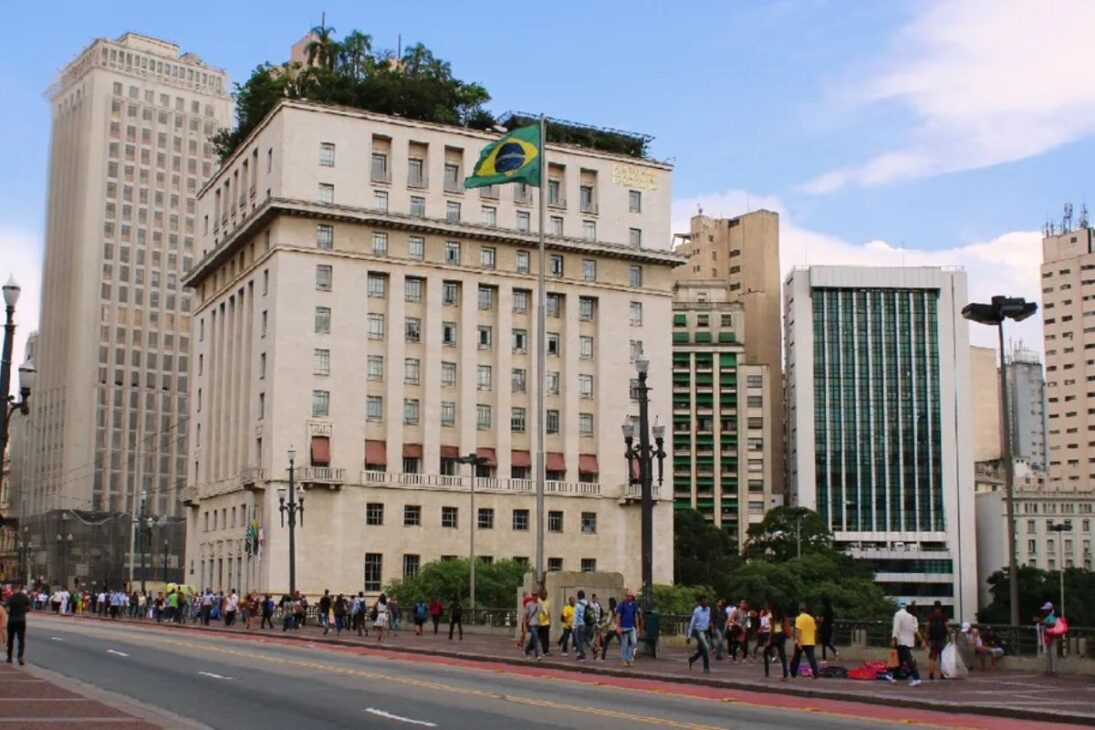
The headquarters of the Largest Municipality in Brazil is located in the Matarazzo Building (Palácio do Anhangabaú), in the center, an architectural landmark with a hanging garden open to visitors.
The address encapsulates the idea of a government close to the citizen, surrounded by the problems it needs to solve and the solutions it must articulate. Being in the center also means taking center stage in decision-making.
Municipal governance depends on institutional relations with the City Council and dialogue with the State and the Union.
Federative agreements and political articulation make projects and programs that extend beyond administrative boundaries feasible, in addition to unlocking resources and authorizations.
Why This Matters to Those Living in the City
Understanding how the Largest Municipality in Brazil operates helps decipher why certain services work, why projects happen where they do, and how budget decisions impact daily life.
Scale and complexity explain part of the challenges, but also show where persistence and good execution make a difference.
For residents, tracking goals and indicators is the most direct way to demand results. For management, listening to the grassroots through the sub-municipalities is the way to adjust policies and prioritize what truly improves life for those in the neighborhood.
The Largest Municipality in Brazil operates like a country’s government: large, complex, and under constant scrutiny. Balancing urgencies and the future is at the core of the work.
When the machinery runs smoothly, the city moves forward. When it fails, bottlenecks quickly appear in overcrowded buses, schools in need of repairs, and streets that flood.
Do you agree with the current priorities of management? What should be at the top of the list: mobility, housing, health, education, or drainage? Leave your opinion in the comments — we want to hear from those who live this in practice.









-

Uma pessoa reagiu a isso.