





 Portuguese
  English
  Spanish
  4 min of reading
  7 comments


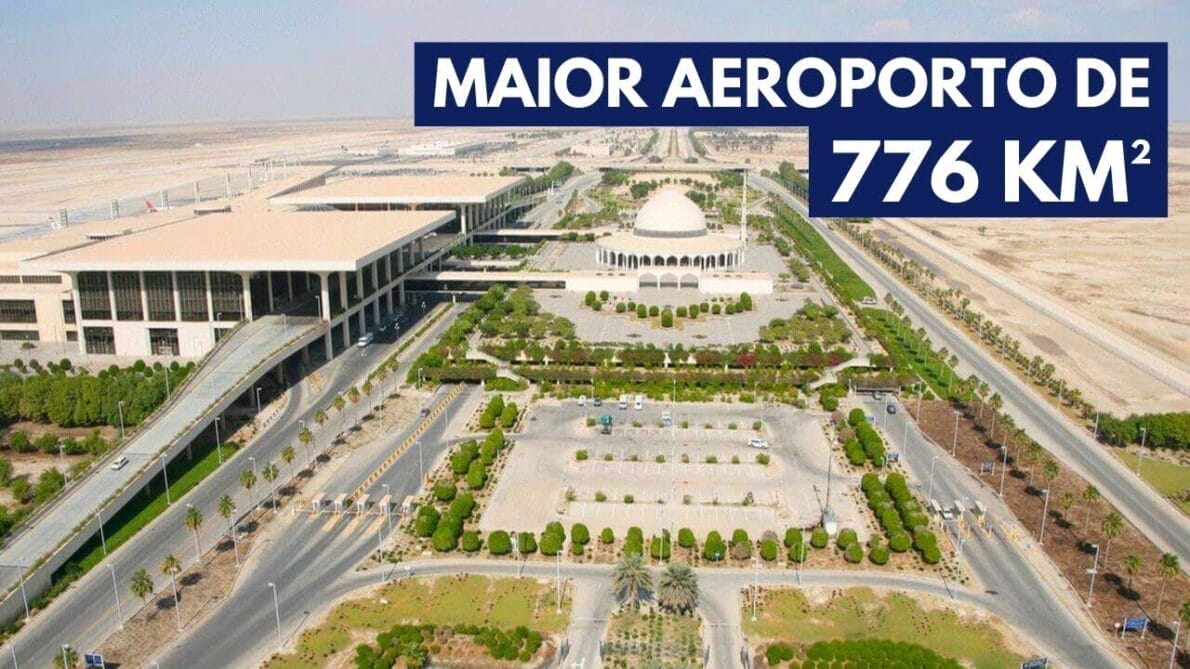

Imagine Yourself in the Middle of the Desert, Where the Sun Shines Brightly and the Dunes Extend as Far as the Eye Can See. It Is in This Arid Setting That Saudi Arabia Built the Largest Airport in the World. King Fahd International Airport Covers an Impressive 776 km², Larger Than the City of Salvador in Brazil.
Unnoticed by many, King Fahd International Airport in Saudi Arabia is a true giant that Stands Out Not Only for Its Size, but Also for the Sophistication and Modern Infrastructure That the Largest Airport in the World Offers.
Saudi Arabia Used Its Oil Wealth, Often Referred to as “Black Gold,” to Build the Largest Airport in the World. Located Between the Cities of Khobar and Dammam, the Airport Is Accessible via a Road That Cuts Through the Desert, Filled with Camels and Bedouin Tents. Planned by the Architecture Firm Yamasaki and Associates in 1976, the Airport Began Operations as a Military Base During the Gulf War in 1990 and Was Finally Opened for Commercial Operations in 1999.
The Largest Airport in the World Has a Luxuriously Furnished Area Known as the Royal Terminal

King Fahd International Airport Has Six Floors, Although Only Three Are Used by Passengers. The Third Floor Is for Arrivals, the Fourth for Departures, and the Sixth for Flight Departures. It Was the First Saudi Airport to Adopt Duty-Free Shops, an Added Attraction for Travelers.
-
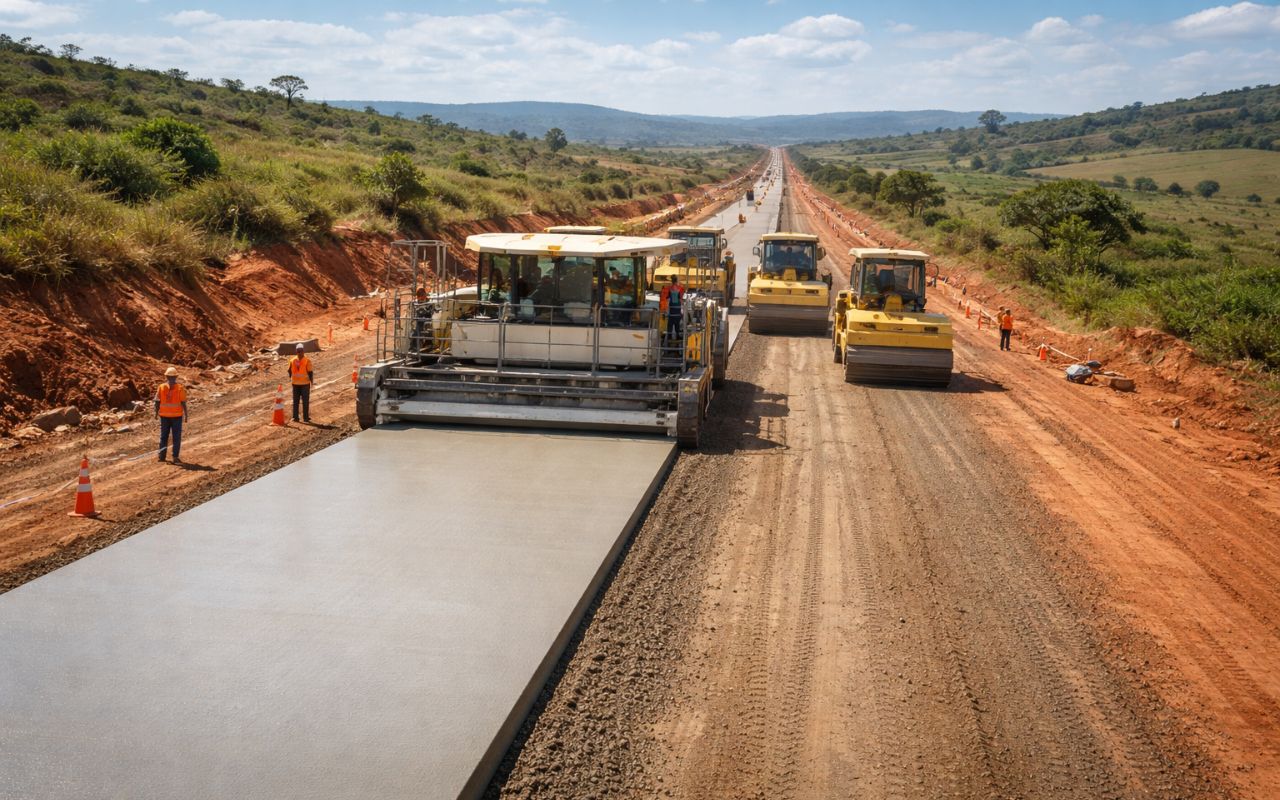
New CCR concrete paving technology promises roads up to 3x more durable, less maintenance, and cost reduction in Brazil.
-
Made from recycled plastic, plastic wood is gaining space in the construction industry because it does not rot, resists moisture, and reduces maintenance costs over the years.

-
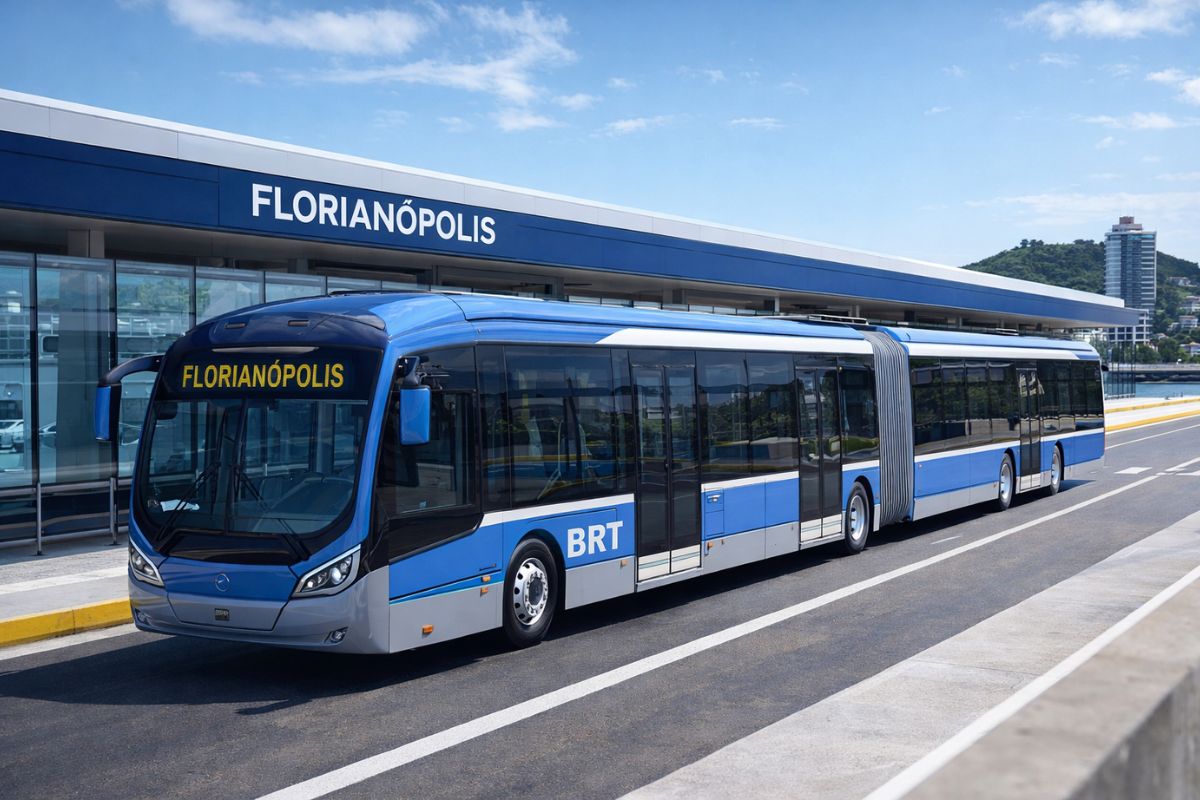
Florianópolis will receive a million-dollar BRT that will begin construction in 2026 with nearly 400 million in funding from the federal government and the Inter-American Development Bank, and the map already shows the routes for the exclusive bus corridors.
-
Without a blueprint, without an engineer, and using scrap from the dump, a father spends 15 years building an 18-room castle for his daughter, featuring tram tracks, 13 fireplaces, and over 700 m², which may now be demolished.
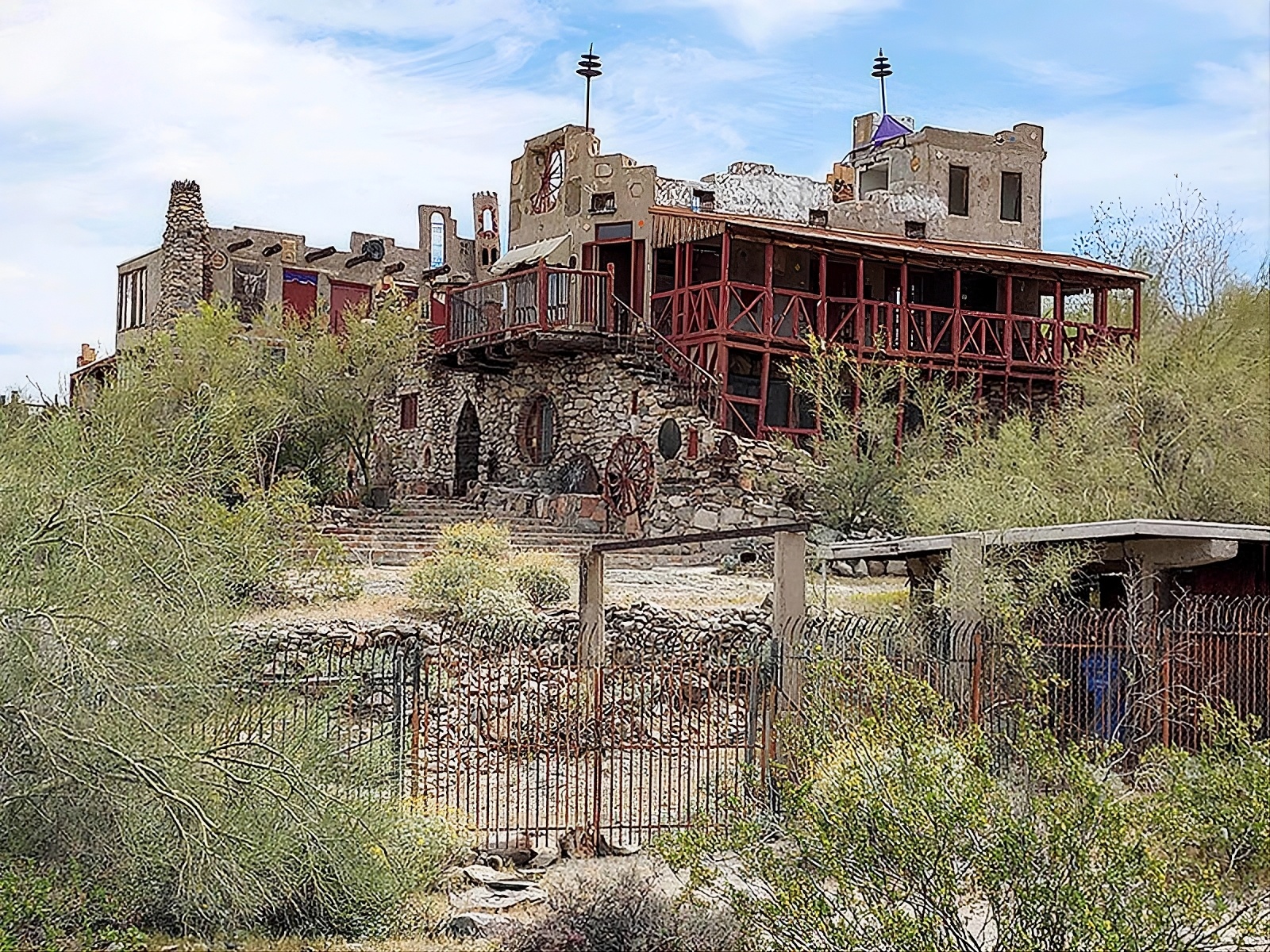

A Luxuriously Furnished Area Known as the Royal Terminal Is Reserved Exclusively for the Saudi Royal Family, Government Officials, and Official Guests, Offering a Level of Comfort and Exclusivity That Few Airports in the World Can Match.
Challenges and Solutions
Building the Largest Airport in the World in the Middle of the Desert Was a Enormous Challenge. The Hostile Environment, with Extreme Heat and Constantly Shifting Sand, Required Innovative Construction Techniques. They Used Special Concrete Capable of Withstanding High Temperatures and Optimized the Design of the Buildings to Keep the Interiors Cool.
Engineers and Builders from Around the World, Including the American Company Bechtel, Collaborated to Tackle These Logistical Challenges, Such as the Need to Transport Materials and Workers to a Remote Location, Far from Major Cities.
Innovations and Sustainability
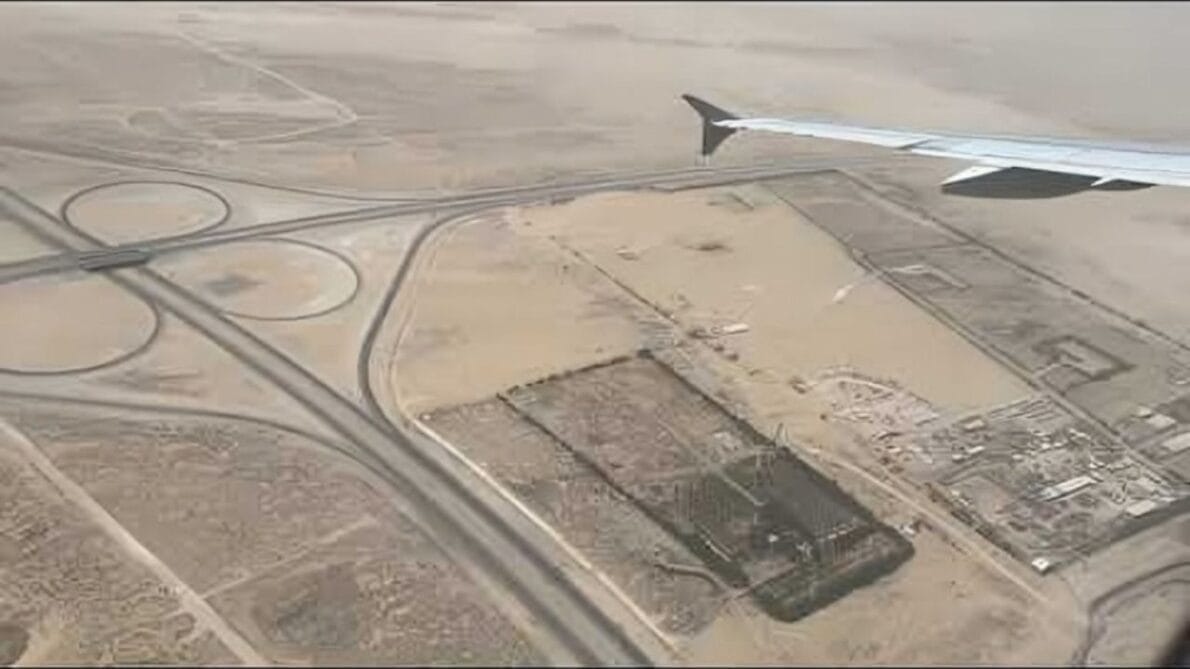
The Airport Is Equipped with Cutting-Edge Technologies and State-of-the-Art Facilities, Making It One of the Most Advanced and Sustainable in the World. The Largest Photovoltaic Plant in the World Is Located There, Generating Enough Solar Power to Supply All Its Facilities. One of the Tallest Air Traffic Control Towers in the World, Standing 85 Meters High, Stands Out in the Skyline, Symbolizing Commitment to Safety and Operational Efficiency.
The Commitment to Sustainability Is Also Evident. The Airport Has Its Own Nursery That Provides All the Plants and Trees Used for Landscaping, Ensuring an Aesthetically Pleasing and Functional Environment. The Airport Mosque, Capable of Accommodating Up to 2,000 Worshippers, Is Located on Top of the Parking Structure and Surrounded by a 46,200 m² Garden Area, Representing a Fusion of Modern Architecture with Traditional Islamic Elements.
Impact and Legacy
The Construction of King Fahd International Airport Had a Huge Impact on the City of Dammam and the Eastern Region of Saudi Arabia, Facilitating Trade and Tourism on an Unprecedented Scale. With Six Terminals, Two of Which Are Dedicated to the Royal Family and VIPs, the Airport Handles Domestic, International, and Cargo Flights. It Has a Separate Terminal for Pets, Ensuring That All Travelers, Including Their Furry Companions, Are Well Taken Care Of.
The Story of the Construction of the Largest Airport in the World Is an Inspiring Example of How Vision, Planning, and International Collaboration Can Transform Dreams into Reality. Each Step of the Project Was Carefully Planned and Executed, Resulting in an Airport That Is a Testament to Human Ingenuity and Determination to Overcome Apparently Insurmountable Obstacles.
Today, King Fahd International Airport Is More Than a Simple Gateway to Saudi Arabia. It Serves as a Vital Transport Hub, Connecting People and Cultures from Around the World. Through Its Daily Operations, the Airport Demonstrates the Power of Global Connectivity and the Endless Opportunities It Brings.





Agora só falta eu saber, como o avião pode voar!
Tem algo bem errado aí. A cidade se salvador tem 693 mil km², enquanto o aeroporto 776 km².
Está errado quem escreveu que Salvador tem 693 mil km2.
https://mundoeducacao.uol.com.br/geografia/salvador.htm
Depois do número 2 existe uma vírgula e não um ponto, ou seja, são quase 693 km2. Nem o estado da Bahia tem 692000 km2
Nem o estado da Bahia tem 693mil km2
Salvador tem 692,818km2. Veja que após o número 2 vem uma vírgula e não um ponto. Salvador tem quase 693 km2.
Então, sim! O aeroporto da Arábia Saudita é maior que Salvador.
Parabéns