





 Portuguese
  English
  Spanish
 3 min of reading
  0 comments


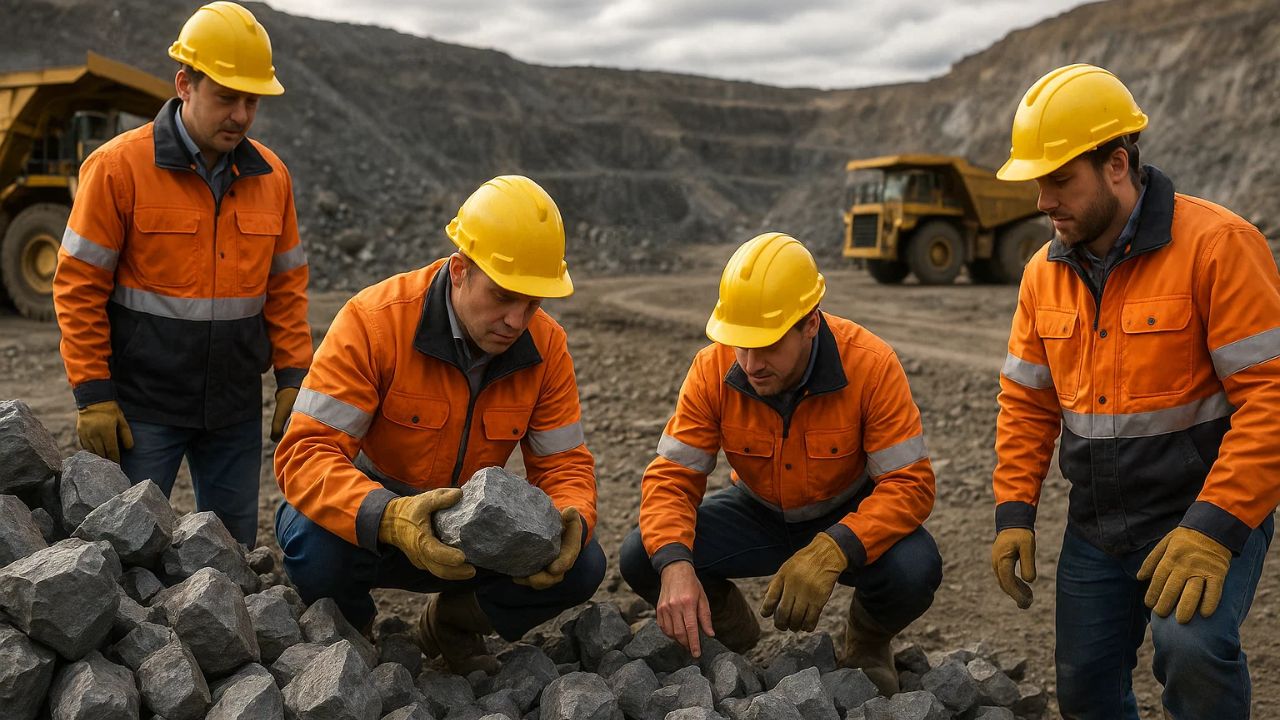
Patrocínio, In Minas Gerais, Houses The Largest Titanium Reserve In The World. Understand The Importance Of The Mineral, Where It Is Found In The State, And The Challenges Of Sustainable Exploration.
Few people know, but the city of Patrocínio, in Minas Gerais, holds in its underground the largest titanium reserve on the planet — a strategic resource for the aerospace and medical industries.
This situation is not recent. Since the 1980s, records from the Mineral Yearbook of Minas Gerais and the then DNPM have already pointed out the magnitude of the deposits found underground in the region.
The state-owned company Codemge constantly reinforces the strategic importance of this natural resource. For experts like Hildor Seer and Lúcia Moraes, the discovery and preservation of these reserves represent not only a milestone for the municipality but also an opportunity for economic strengthening for the entire state.
-
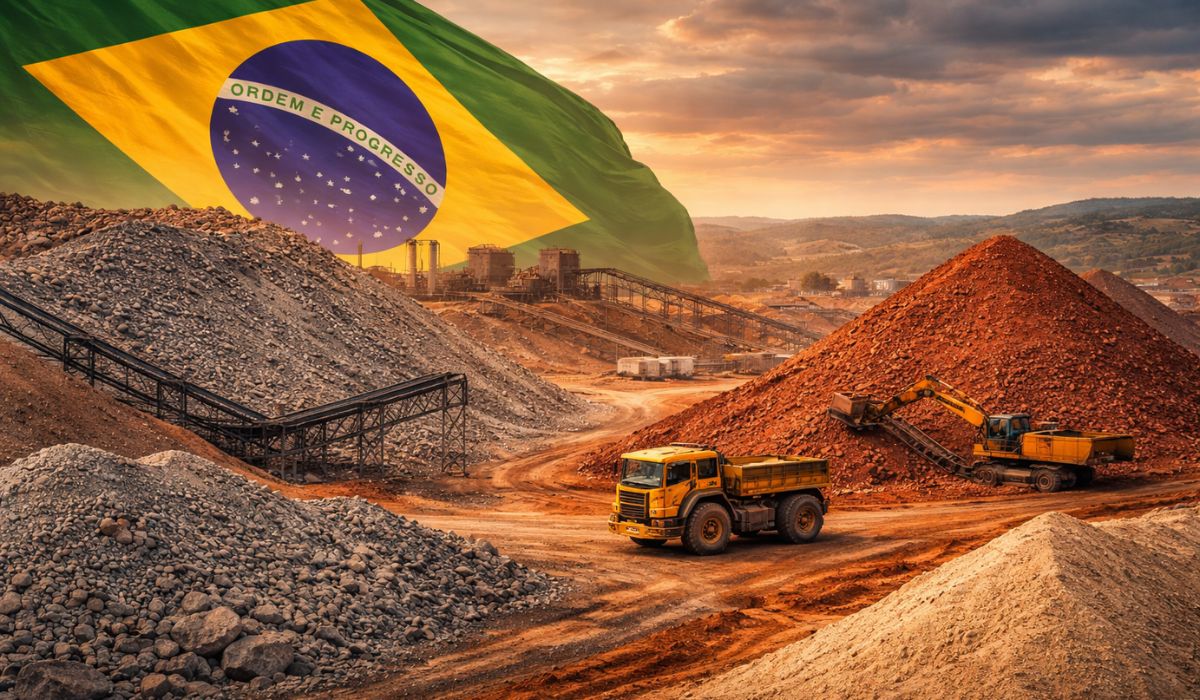
Brazil extracts 26.3 million tons of ore from what was previously treated as waste, transforming residues into wealth, producing over 3 million tons of sand, and demonstrating how national mining is relearning to generate value.
-
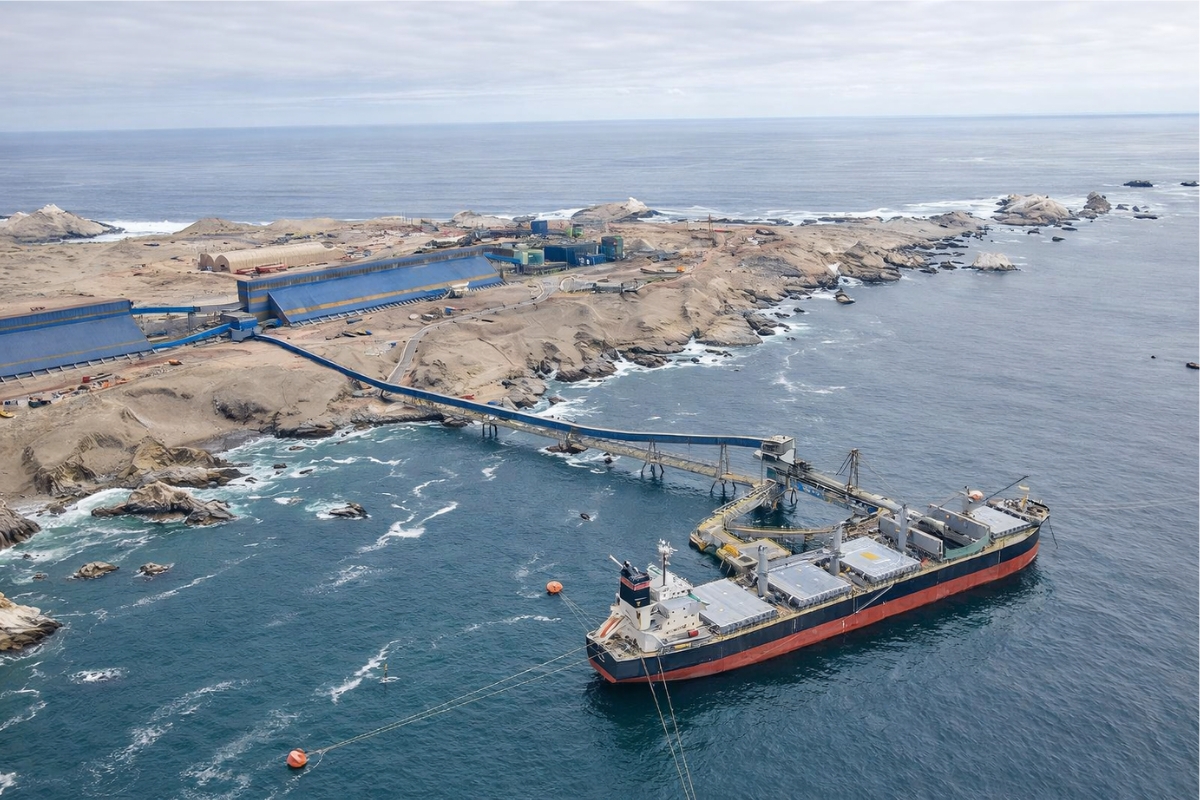
A $3.5 billion megaproject in Latin America pumps desalinated seawater at 1,050 liters per second over 194 km to keep a copper supermine in the Andes operational for another 20 years.
-
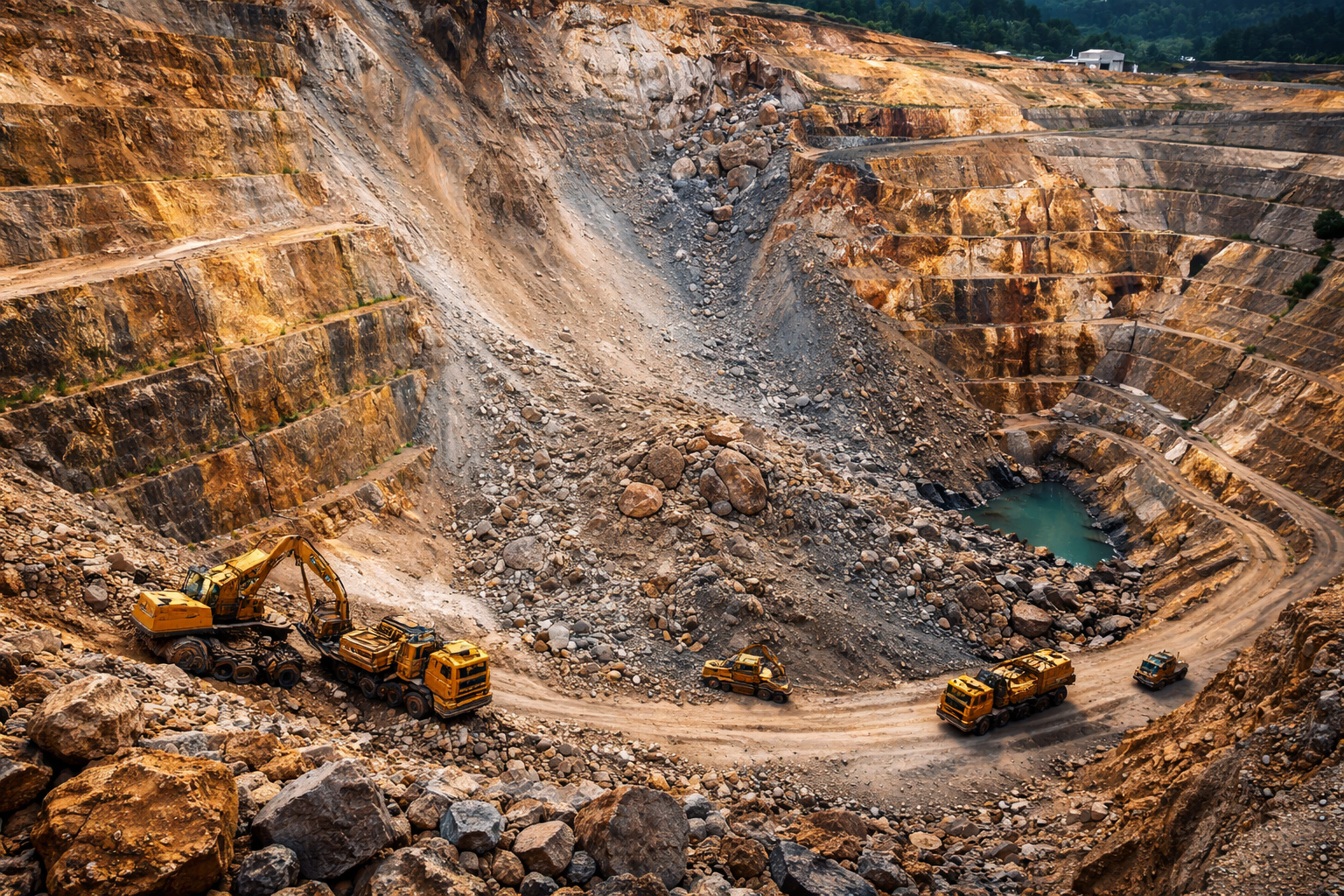
A hidden mine in the Andes valued at nearly R$ 1 trillion is starting to attract global attention, containing copper, gold, and silver, and raises an intriguing question: why do Argentina and Chile need to act together to exploit this gigantic wealth?
-
A silent discovery in the interior of Bahia could change the future of energy in Brazil: a uranium reserve in Lagoa Real has an estimated capacity to produce 400 tons per year and is already attracting the attention of energy sector specialists.
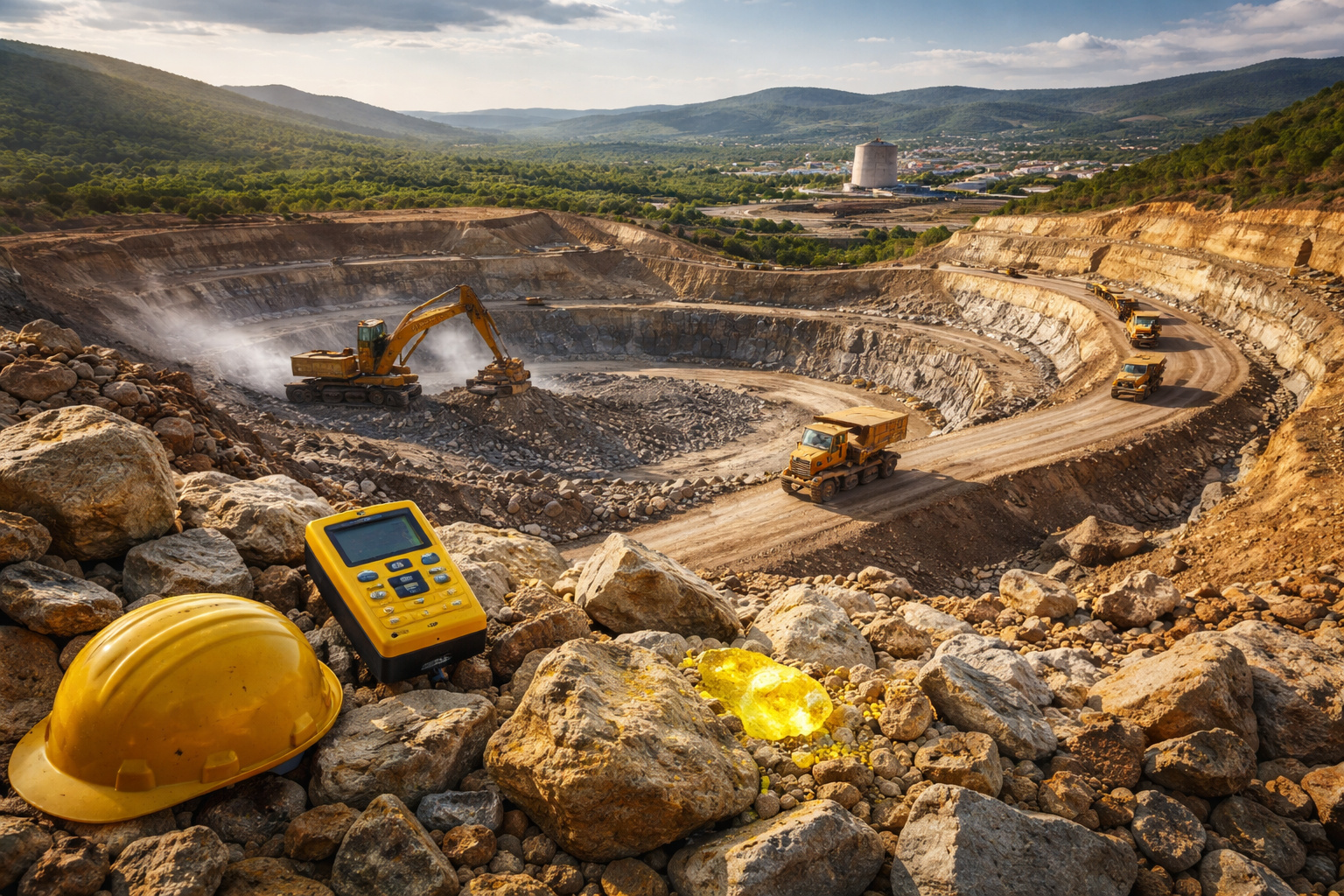

Where Are The Titanium Deposits In Minas Gerais?
Within the mining territory, titanium deposits have been identified in four main municipalities: Araxá, Tapira, Patrocínio, and Serra do Salitre. Outside Minas, the city of Catalão, in Goiás, also stands out.
There are also records of occurrences in Presidente Olegário, Patos de Minas, and Carmo do Paranaíba, but in these locations, the deposits are still considered potential, awaiting more detailed studies.
Among the municipalities, Patrocínio concentrates the largest volume and diversity of reserves. Four areas of significance have been identified: Salitre I, Salitre II, Salitre III – which extends to the neighboring Serra do Salitre – and Serra Negra.
This concentration places the municipality at the center of discussions about responsible mineral exploration and regional development.
What Is Titanium Used For: From Space To Medicine
Titanium is found in minerals such as ilmenite, anatase, and rutile. Although Brazil holds the largest known reserves, the country accounts for only 1% of global production.
In practice, the global market is dominated by powers such as South Africa, China, and Australia, which have established production chains.
The importance of titanium goes beyond the mineral sector. It is considered essential for high technology and innovation areas. Its presence is significant in the aerospace industry, applied in missile engines, airplanes, and even spacecraft.
Additionally, the mineral is crucial in the manufacture of medical and dental prosthetics, due to its strength, and in the production of special paints, including those used in security packaging.
Challenges Of Exploration In Patrocínio
The reserves of Alto Paranaíba, which include Tapira, Salitre, and Serra Negra, have similar formations, with carbonatites rich in calcium and magnesium.
In 2014, a discovery further reinforced the importance of Patrocínio: titanium was identified in perovskite crystals in the Salitre complex. This finding expanded the region’s potential in the global mineral landscape.
However, experts warn that exploration should be conducted with caution. The priority is to avoid environmental damage while ensuring that mineral wealth translates into concrete benefits for the local population.
There is a concern not to repeat the negative experience lived with phosphate exploration, which was extracted from the region without bringing the expected returns for the residents of Patrocínio.








Seja o primeiro a reagir!