





 Portuguese
  English
  Spanish
  6 min of reading
  0 comments


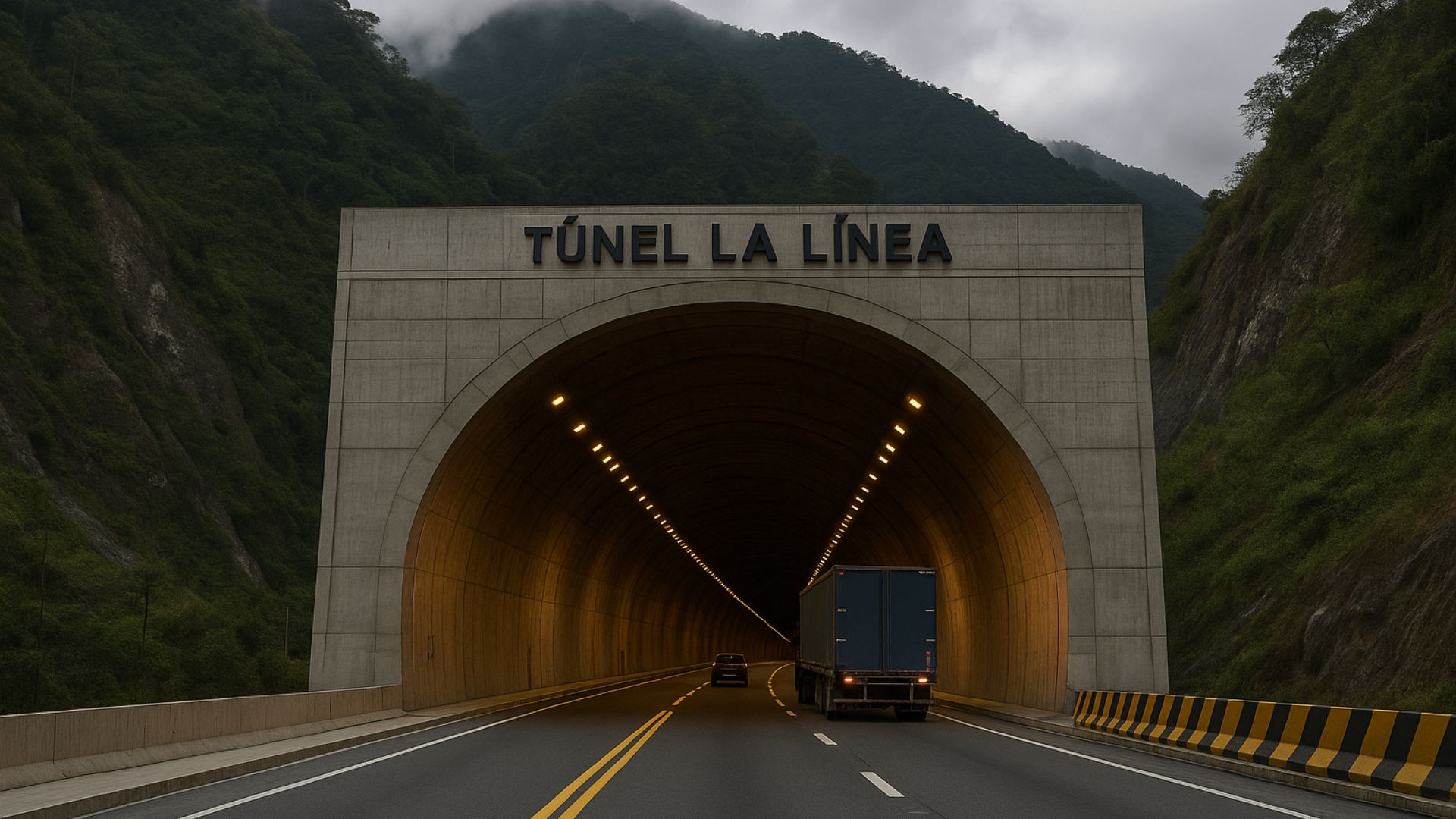
La Línea Tunnel Transformed the Crossing of the Central Cordillera by Modernizing the Connection Between Cajamarca and Calarcá, Reducing Historical Delays and Boosting Economy, Logistics, and Mobility on One of Colombia’s Most Strategic Routes.
In the most challenging stretch of the Central Andes cordillera, the La Línea Tunnel consolidated a profound change in how Colombia crosses its mountains.
Inaugurated on September 4, 2020, the one-way tunnel spans 8.65 kilometers, connecting Cajamarca in Tolima to Calarcá in Quindío, at approximately 2,400 meters above sea level, integrating the road corridor connecting Bogotá to the port of Buenaventura on the Pacific.
Whereas before the crossing required climbing to the Alto de La Línea at 3,300 meters, facing sharp curves, fog, and steep descents, today vehicles traverse the mountain more quickly, safely, and predictably.
-
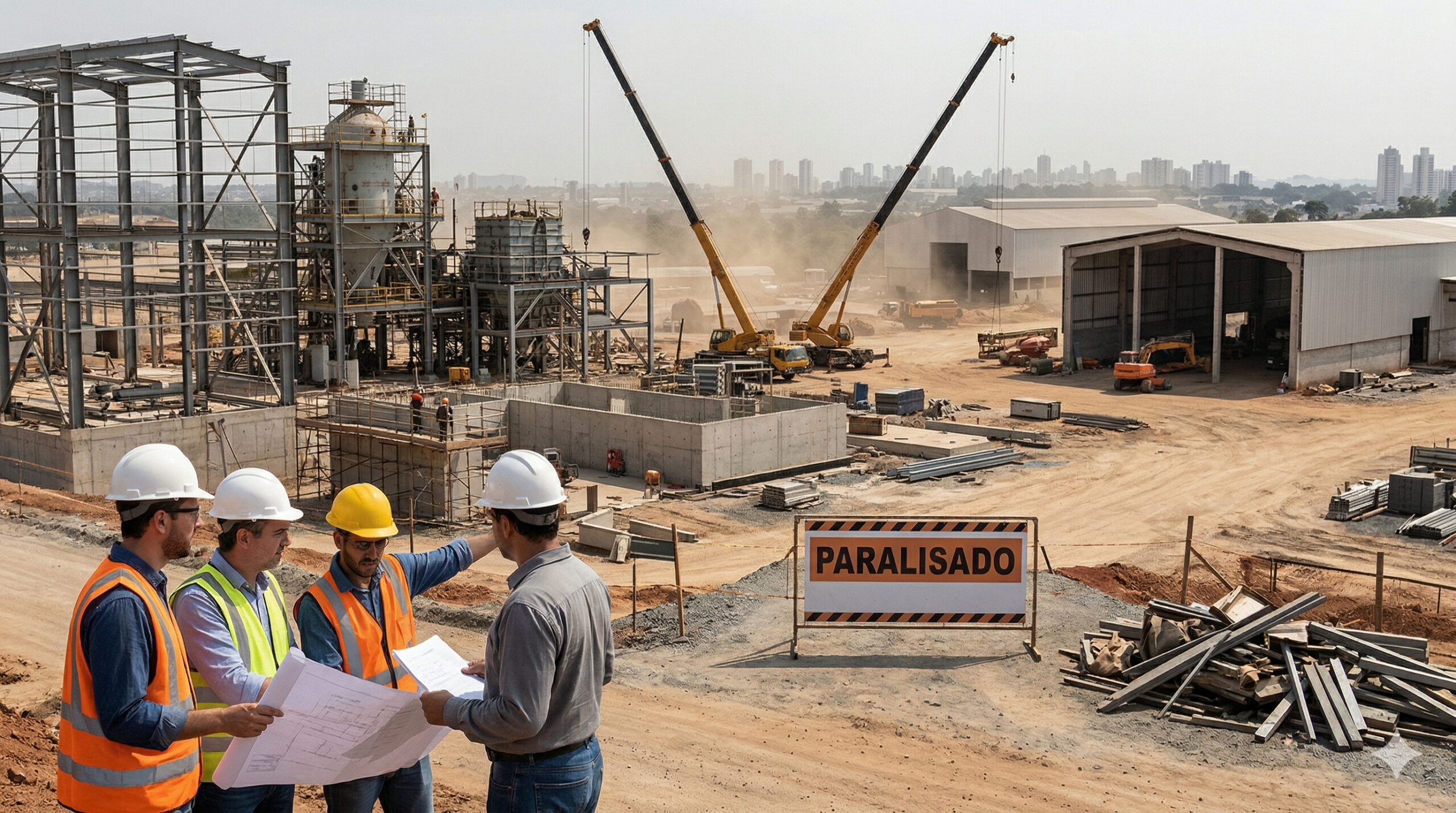
The lack of welders, electricians, and operators becomes a structural threat in 2025, with the construction industry and manufacturing already suffering from delays, cost pressures, and labor shortages in Brazil.
-
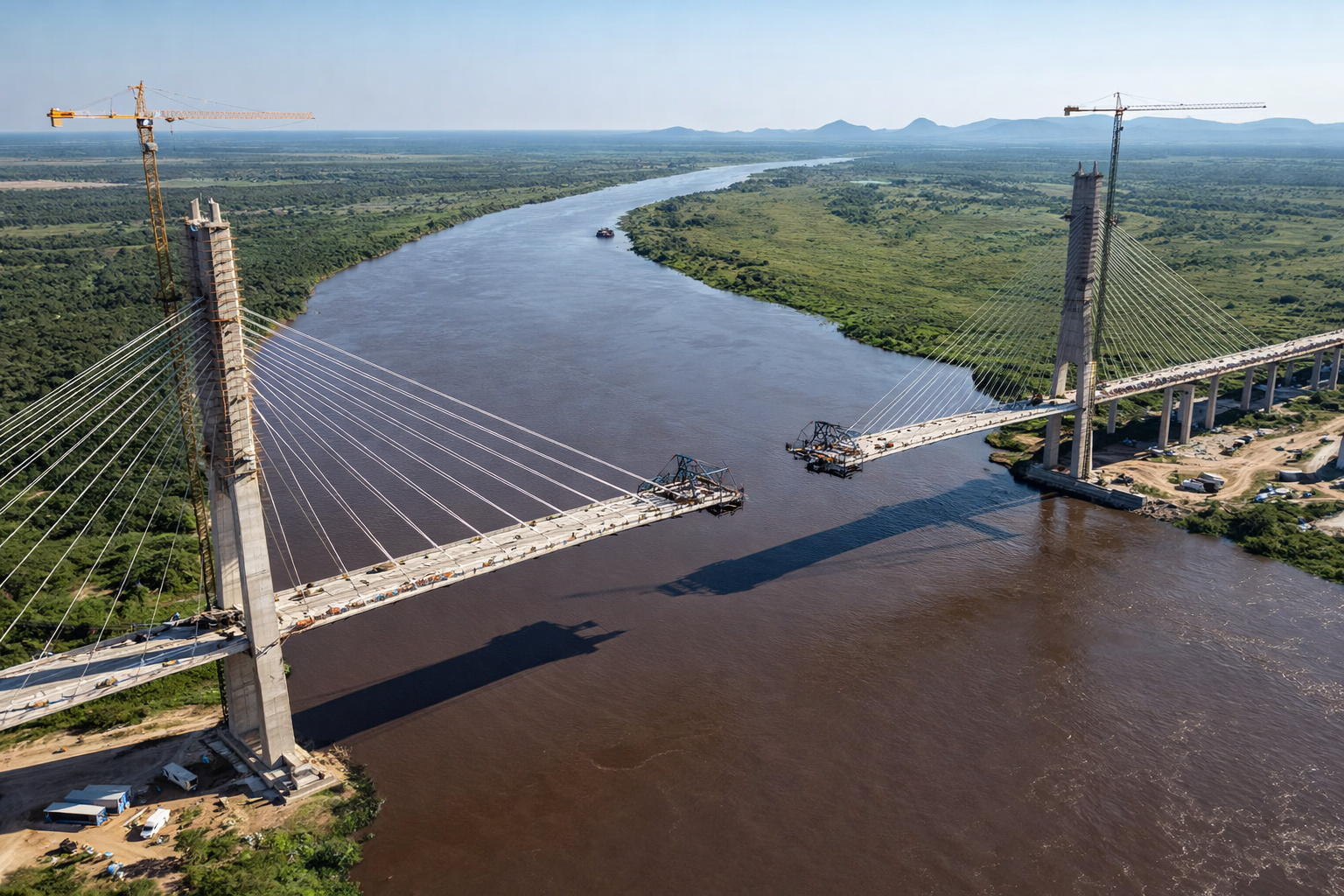
Brazil and Paraguay are just 46 meters away from a historic union on the bioceanic bridge that promises to revolutionize trade between the Atlantic and the Pacific.
-
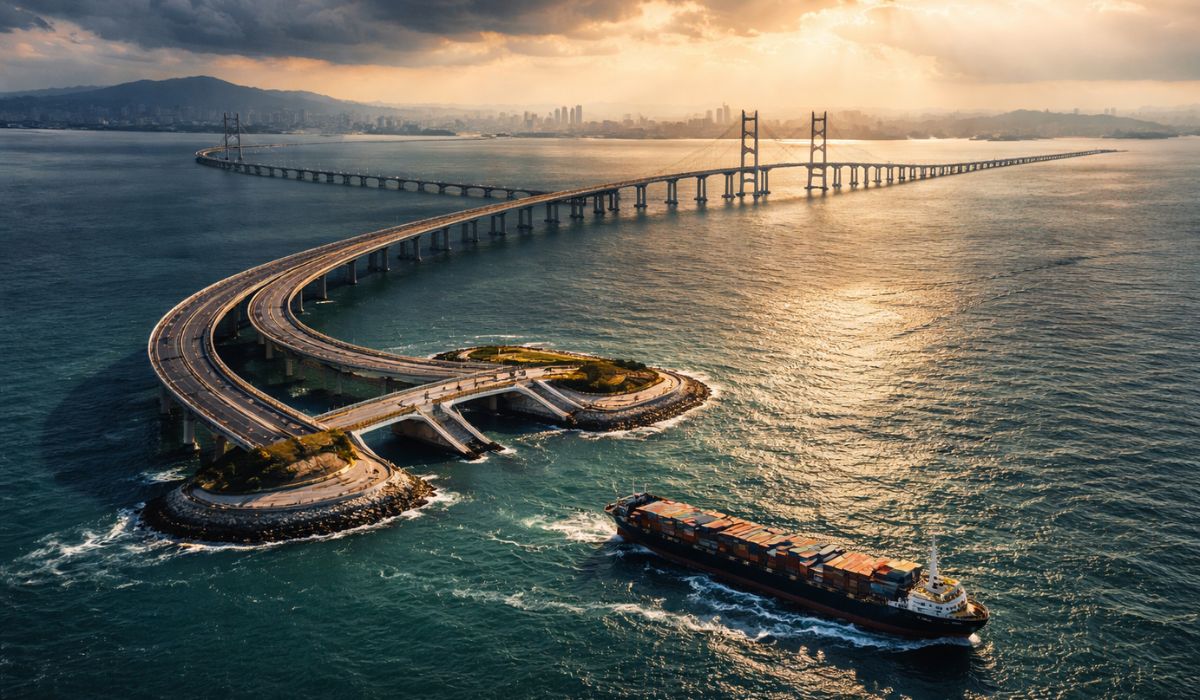
With 55 km over the sea, a cost of US$ 20 billion, and enough steel to build 60 Eiffel Towers, China’s largest project has connected Hong Kong, Zhuhai, and Macau in a colossal bridge that defies the logic of engineering.
-
A trick with joint compound transforms a Styrofoam ceiling into a plaster-like ceiling: leveled panels, wires and mesh at the joints, sand, paint, and change the environment while spending little today.


According to official data, the project reduces travel time across the cordillera by 30 to 40 minutes for light vehicles and can save about 80 minutes for freight trucks, with a shortening of approximately 15 kilometers in the route between Cajamarca and Calarcá.
Strategic Connectivity Between the Andes and the Pacific
Serving as the axis of the Central Cordillera Crossing project, the La Línea Tunnel becomes the centerpiece of the connection between the country’s center and the Pacific coast.
The highway of which it is part integrates the National Route 40, connecting Bogotá to the Coffee Axis, Cali, and the port of Buenaventura, Colombia’s main exit to the Pacific.
This new configuration improves the flow of strategic goods, such as coffee, agricultural products, manufactured goods, and imports and exports, which previously depended on a slow, congested mountain stretch susceptible to closures due to landslides or adverse weather conditions.
The ability to maintain a more stable flow throughout the year strengthens Colombia’s logistical competitiveness compared to other South American corridors.
In addition to its effect on foreign trade, the tunnel reinforces the integration between regions historically separated by natural barriers.

The more predictable road access brings the Andean interior closer to urban centers on the Pacific and reduces transportation costs for people and public services.
Regional Inclusion and Social Impact
The crossing of the cordillera has always been a factor of isolation for rural communities and mountainous villages.
With the operation of the La Línea Tunnel and other associated works, such as viaducts and double-lane stretches, this relationship gradually transforms.
The improvement of the road facilitates the movement of residents to cities with greater health, education, and specialized service offerings.
Trips that once took long hours on narrow, winding roads are now shorter and more predictable, which tends to expand access to job and study opportunities.
There is also a symbolic component of cultural integration.
The more intense flow between the Andean interior, the Coffee Axis, and the coast contributes to greater circulation of workers, students, and tourists, strengthening ties between regions with different economies and traditions.
The presence of a modern corridor in the heart of the cordillera reduces the historical sense of isolation of various localities.
Engineering Challenges in the Central Cordillera
The construction of La Línea required high-level technical solutions to cope with complex geological characteristics.
The work traverses the Central Cordillera beneath the Alto de La Línea, in a section with multiple geological faults, the presence of groundwater, and thick layers of volcanic ash.
To facilitate the project, a parallel pilot tunnel was first excavated, approximately 8.5 kilometers long, used as an exploratory gallery and now operates as a rescue tunnel.
This preliminary work allowed mapping of the type of rock, identifying risks, and defining the stabilization techniques necessary for the main tunnel.
Throughout the excavation, engineers had to stabilize stretches associated with large geological faults, such as the La Soledad fault, identified by specialists as one of the most technically complex in tunnel construction.
This context explains the extended duration of the project and the various engineering adjustments made until completion.
From this effort, Colombian engineering gained international visibility, demonstrating the capacity to complete one of the longest road tunnels on the continent in a scenario of extreme terrain.

Operation, Safety, and Monitoring Systems
The operation of the La Línea Tunnel is one-way, in the Buenaventura–Bogotá direction, integrating a broader system with tunnels, viaducts, and open-air double lanes.
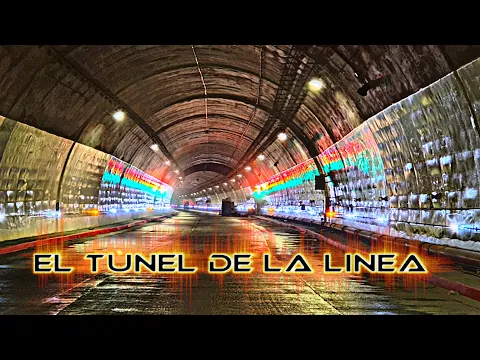
The structure has three internal lanes: two for normal circulation and one designated for emergencies, operational support, and incident response.
Inside, the environment is controlled by high-capacity ventilation systems, responsible for renewing the air and dispersing gases emitted by vehicles.
LED lighting, sized for long underground stretches, aims to ensure good visibility throughout the journey, reducing the risk of accidents.
Sensors and cameras continuously monitor traffic conditions, air quality, and possible occurrences.
In the event of smoke, fire, or another emergency, the system triggers ventilation in extraction mode, sound alarms, and evacuation protocols.
The presence of the pilot tunnel, parallel to the main one, allows it to be used as a rescue route and support in critical situations, complementing the emergency exits distributed along the gallery.
The corridor where the tunnel is located historically accommodates a daily flow of at least 7,000 vehicles, predominantly heavy freight trucks, making operational safety a central point in the design decisions.
Economic and Logistical Impact on the Country
Economically, the La Línea Tunnel reduces travel times, fuel consumption, and fleet maintenance costs, especially for freight transportation connecting the productive interior to the port of Buenaventura.
By shortening the route and smoothing the curve, the corridor allows for higher average speeds and lower exposure to high-risk sections, with direct reflections on the competitiveness of road transport.
With shorter travel times and greater predictability, the country is likely to attract more investments in logistics, warehousing, and industry along the route.
The more efficient connection between the Coffee Axis, Bogotá, and the Pacific also benefits export-oriented production chains, which now operate with shorter deadlines and greater reliability.
For the local economies of Cajamarca, Calarcá, and neighboring municipalities, the project creates conditions for the expansion of services, transit tourism, and activities related to transport and fleet maintenance.
The replacement of a slow, congested mountain road with a modern corridor repositions the region on the Colombian logistics map.

A Milestone for Latin America’s Infrastructure
From a continental perspective, La Línea is now the longest operational road tunnel in Latin America, with a length of 8.65 kilometers.
The structure is part of the group of the 20 longest road tunnels in the world, according to data from the National Institute of Roads (Invías).
Its relevance is not limited to its size.
The work demonstrates how high-complexity projects in mountainous areas can unlock historical mobility bottlenecks, enhance integration between distinct watersheds, and bring urban centers closer to strategic maritime routes.
By reinforcing Colombia’s role as an axis between the Andean interior and the Pacific, the tunnel indirectly influences trade flows reaching all of South America.
Frequently Asked Questions About the La Línea Tunnel
What is the length of the La Línea Tunnel?
The main tunnel is approximately 8.65 kilometers long, making it the longest operational road tunnel in Latin America.
Is the tunnel open to all types of vehicles?
The infrastructure was designed to accommodate most light and heavy vehicles authorized to operate on Colombian federal highways.
Special oversized cargo and hazardous products follow specific circulation rules.
Is there a toll to cross the tunnel?
To access the corridor where the La Línea Tunnel is located, drivers pay tolls at plazas installed on the sides of Tolima and Quindío, with values defined by vehicle category.
The fees are updated periodically by the Colombian government.
Does the tunnel operate 24 hours a day?
The operation is continuous, 24 hours a day, except for occasional interruptions scheduled for maintenance or emergency interventions.
What safety measures are in place in case of accidents or fires?
In risky situations, the tunnel has smoke sensors, automatic ventilation systems, alarms, emergency exits, and support from trained teams.
Is there access for cyclists or pedestrians?
The use of the La Línea Tunnel is restricted to motor vehicles, in accordance with safety protocols and the need to maintain traffic flow.








Seja o primeiro a reagir!