





 Portuguese
  English
  Spanish
 4 min of reading
  0 comments


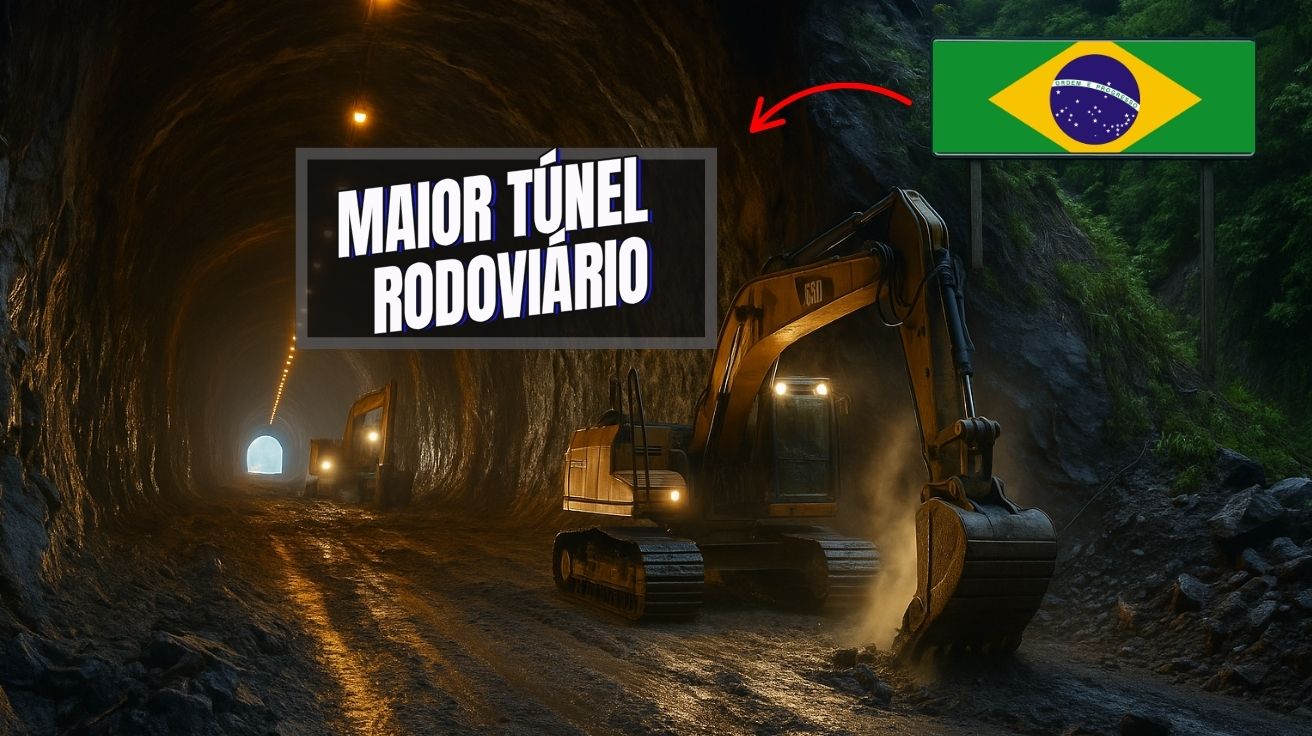
With over R$ 6 billion allocated for investments, the new lane of the Rodovia dos Imigrantes is set to house the largest road tunnel in Brazil, connecting São Paulo to the coast with a subterranean engineering structure considered unprecedented in the country.
One of the main infrastructure projects underway in the state of São Paulo plans to construct what will be the largest road tunnel in Brazil, measuring approximately 6 kilometers in length.
The structure is part of the plan for the third lane of the Rodovia dos Imigrantes (SP-160), which will link the Planalto Paulista to the Baixada Santista, with delivery scheduled for 2031.
The total estimated investment is R$ 6 billion, according to Ecovias, the concessionaire responsible for the Anchieta-Imigrantes System (SAI).
-
Mercado Livre has just started selling medications with delivery in up to three hours to your door, and this move could completely change the way Brazilians buy medicines on a daily basis.

-
The lack of welders, electricians, and operators becomes a structural threat in 2025, with the construction industry and manufacturing already suffering from delays, cost pressures, and labor shortages in Brazil.
-
In Dubai, rising tensions from the war in the Middle East are causing super-rich individuals to leave the Gulf and direct their fortunes to a new financial refuge in Asia.

-
Brazil and Paraguay are just 46 meters away from a historic union on the bioceanic bridge that promises to revolutionize trade between the Atlantic and the Pacific.
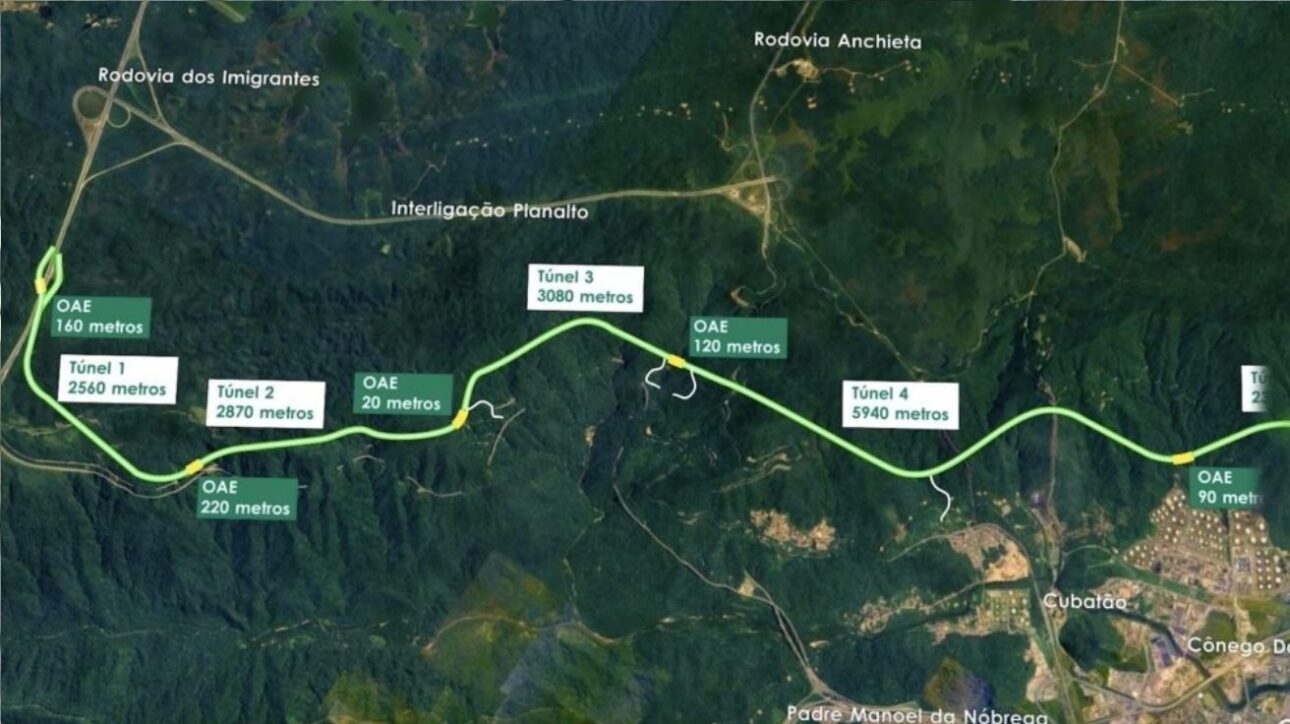
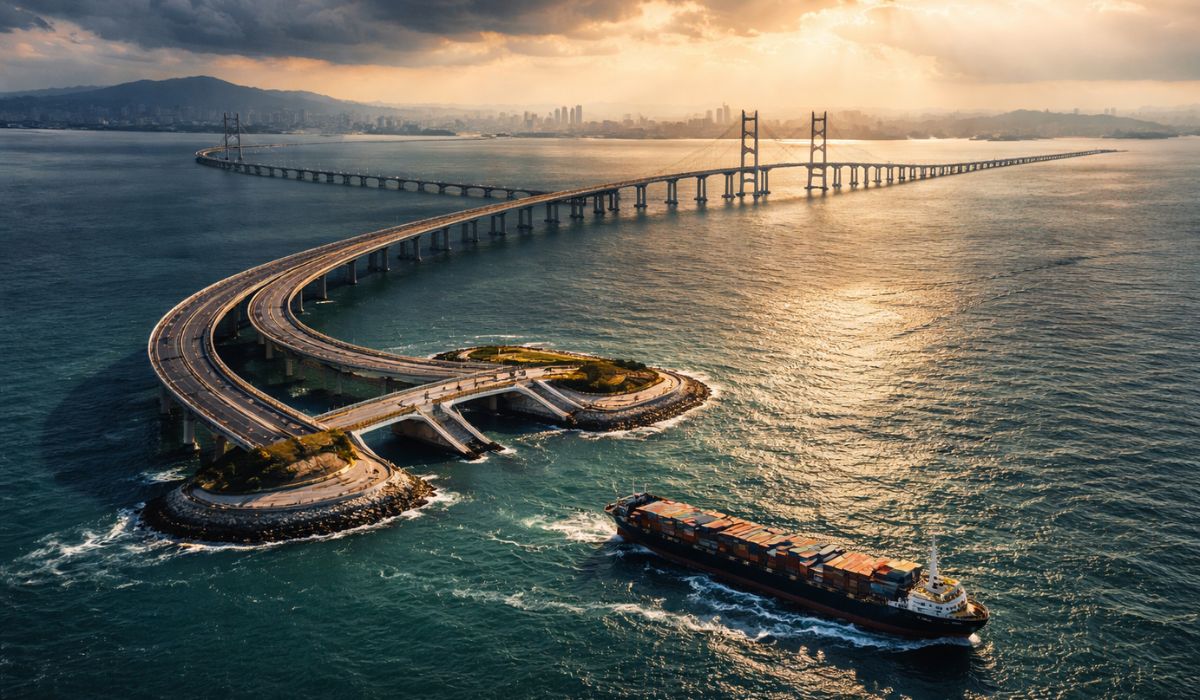
The new road will be 21.5 kilometers long, with 17 kilometers composed of tunnels and 4 kilometers of viaducts.
According to the Investment Partnerships Secretary (SPI) of the São Paulo government, the project was authorized in January 2024 and is currently undergoing technical studies and environmental licensing phases.
The route will start at km 43 of the Imigrantes, connecting to the Mário Covas Ring Road (SP-021), and will continue to km 265 of the Cônego Domênico Rangoni Highway (SP-055) in Cubatão.
The average incline of the new lane will be 4%, a parameter indicated to ensure the safe circulation of heavy vehicles.
Project of the Largest Road Tunnel in Brazil
Ecovias reported that the tunnels will feature ventilation, monitoring, and safety systems, including parallel tunnels designated for emergency exits.
The new lane will also include a reversible shoulder, which can be activated during periods of high traffic demand.
The ongoing studies cover topographic, geological, hydrological, and environmental analyses, with plans to finalize the basic and executive projects by July 2026.
The environmental license is also expected to be issued during the same period, as informed by SPI representatives.
Third Lane of the Rodovia dos Imigrantes
The Anchieta-Imigrantes System (SAI) comprises highways that connect the capital of São Paulo to the Baixada Santista.
The construction of the third lane aims to increase the capacity for freight and passenger transport, especially during peak demand periods.
Data from Ecovias indicates that the new lane will allow for a up to 25% increase in total capacity of the system.
For heavy vehicle traffic downhill, the estimated growth reaches 145%.
The proposal also considers logistical integration with the Port of Santos, located in the destination region of the new lane.
History of the Rodovia dos Imigrantes
The Rodovia dos Imigrantes was inaugurated in 1974, with the ascending lane, and expanded in 2002 with the construction of the descending lane.
Since 1998, the SAI has been under concession to Ecovias, a company responsible for the planning, operation, and maintenance of the roads.
The concessionaire’s previous experience in the region includes the adoption of techniques to minimize environmental impact during the construction of the descending lane.
At that time, according to official data, the area of native vegetation cleared was reduced from 16,000 to 1,600 hectares, compared to the construction of the previous lane.
The company’s expectation is to maintain similar strategies in the current project.
Sustainability and Environmental Licensing
The layout of the new lane was developed based on criteria of environmental, technical, and operational feasibility.
Ecovias reported that it will utilize already existing maintenance roads, such as the well-known “Manú road,” in order to reduce direct interventions in the Atlantic Forest.
Among the resources planned are specific drainage for rainwater, erosion control, emission monitoring, and the installation of LED lighting systems in the tunnels.
The environmental documents required for licensing include environmental impact studies (EIA) and feasibility reports.
Operational Safety on the New Lane
The third lane will feature control infrastructure similar to that used on the current lanes.
It will include sensors, monitoring cameras, adaptive signage, and the possibility of reversible operation under high traffic conditions.
The longest tunnel will have forced ventilation and will be equipped with communication and safety systems according to standards required by Brazilian road legislation for tunnels over 3 kilometers in length.
According to information from Ecovias and SPI, the subsequent stages after the executive project and licensing will include bids for contracting the work and continuous technical monitoring, with deadlines set between 2026 and 2031.
The construction of the largest road tunnel in Brazil will represent a significant restructuring of transportation between the capital of São Paulo and the southern coast.
The connection between the Plateau and the Baixada is expected to gain new load capacity and operational alternatives.
Do you believe that creating a third lane with a 6-kilometer tunnel is sufficient to meet the transportation demand between São Paulo and the coast in the coming years?






Seja o primeiro a reagir!