





 Portuguese
  English
  Spanish
  4 min of reading
  0 comments


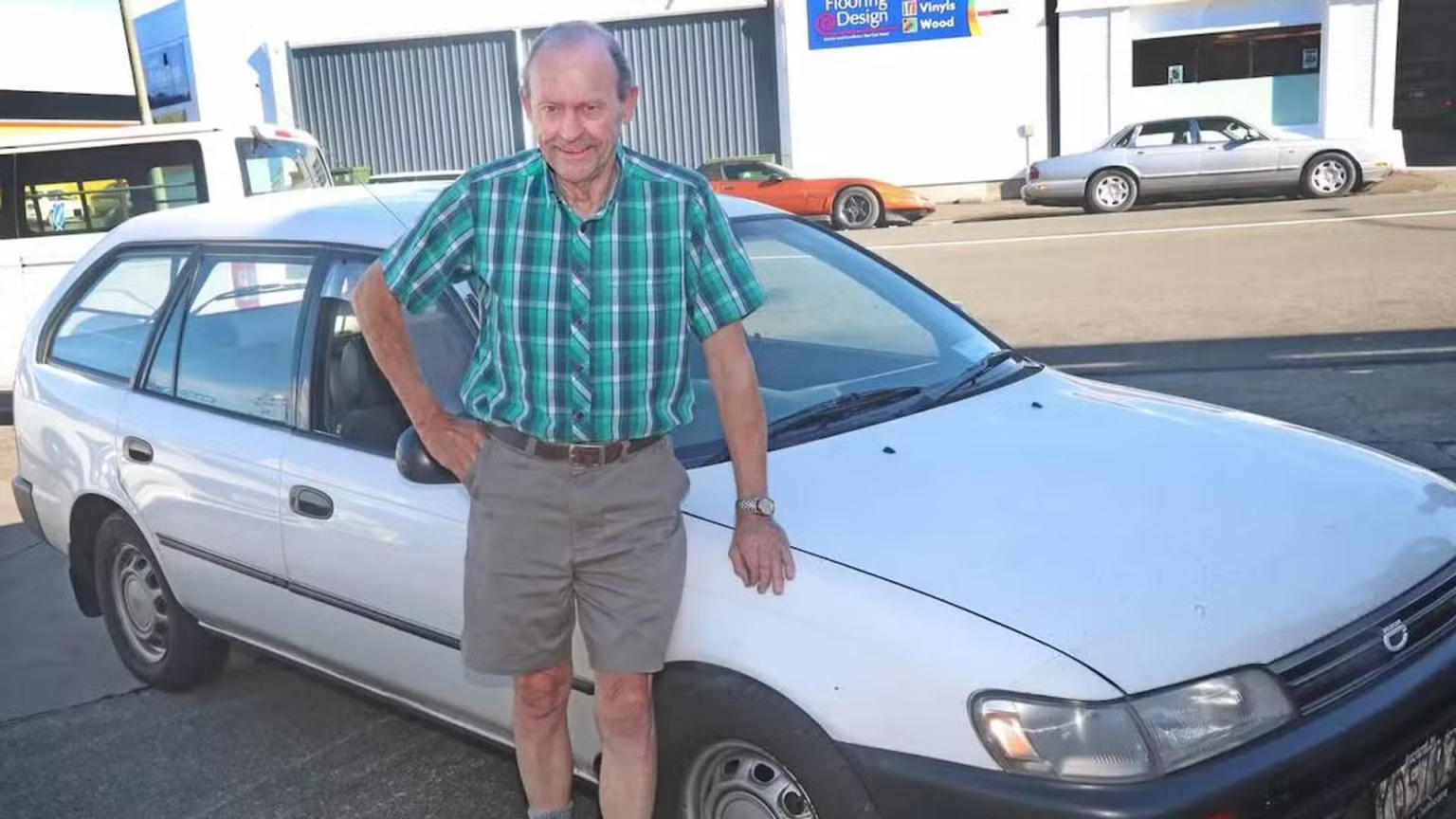
1993 Toyota Corolla Exceeds 2 Million Km With Original Engine and Transmission, Becoming One of the Greatest Examples of Durability Ever Recorded.
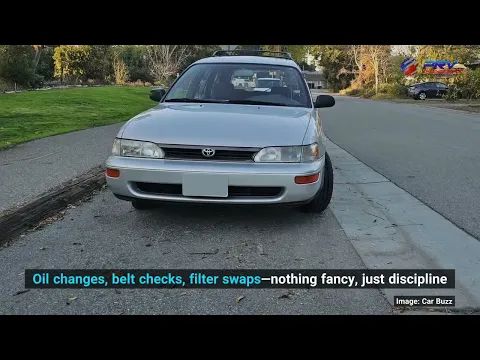
Having driven over 2 million kilometers is already an extraordinary feat for any automobile. Achieving this while maintaining original engine and transmission, without complete rebuilds, puts this case in an almost unique status in automotive history. This is the remarkable achievement of Graeme Hebley, from New Zealand, who owns a 1993 Toyota Corolla, which has become one of the most extreme examples of mechanical durability ever documented. The car continues to be used daily, accumulating kilometers at a pace that few modern vehicles would withstand.
Who is Graeme Hebley and How Did the Corolla Reach 2 Million Kilometers
Graeme Hebley worked for decades as a newspaper delivery person, covering long routes every day. He bought the Corolla in 2000, when the car had about 80,000 km on the odometer.
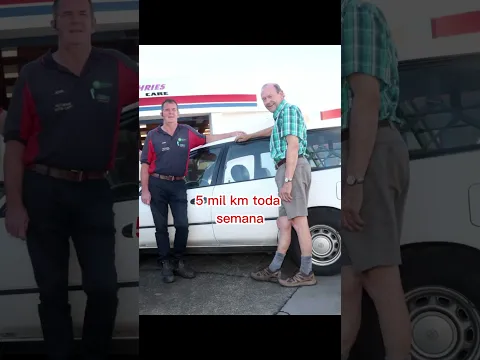

Since then, the vehicle has been driven an impressive average of up to 5,000 kilometers per week, primarily on secondary roads, urban routes, and highways. Over the years, this constant pace has led the car to exceed 2,000,000 km.
-
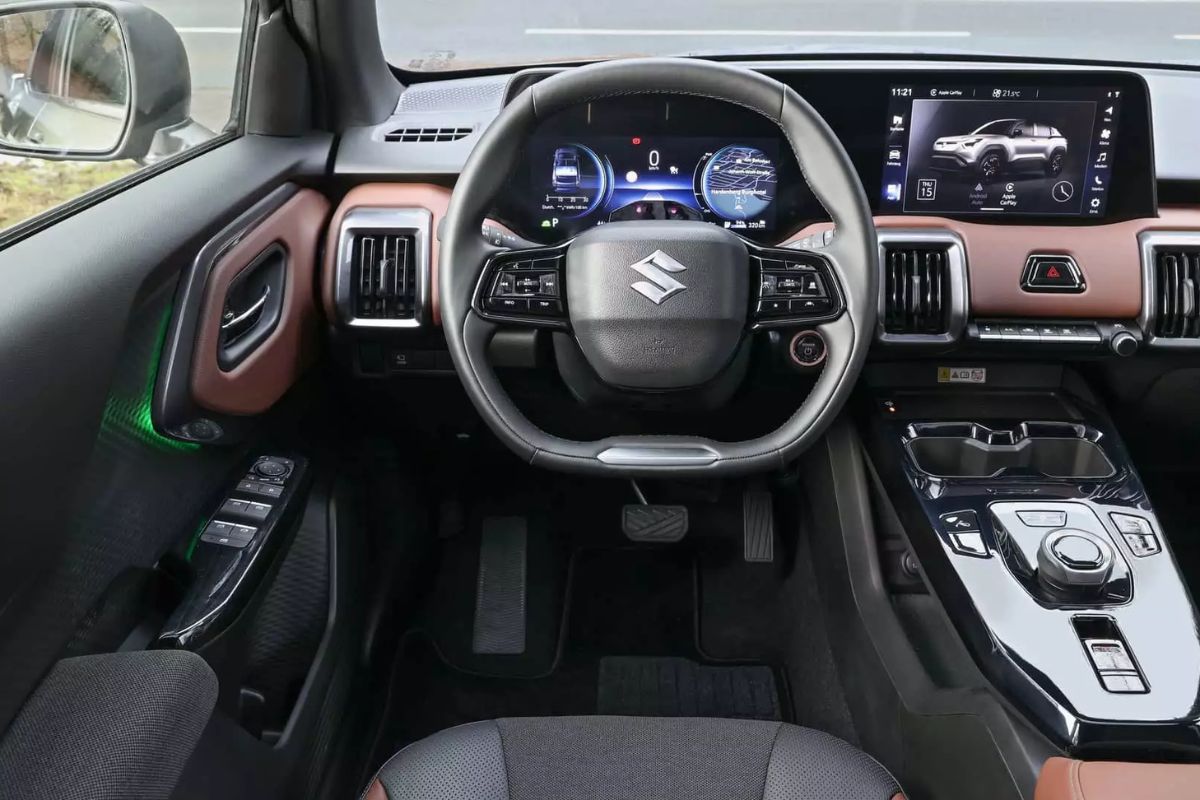
The 2026 electric Vitara arrives in Brazil and proves that Suzuki is not leaving: 4×4 traction, 184 hp, 61 kWh LFP battery, 293 km range, R$ 259,000, and a trunk capacity of 224 L.
-
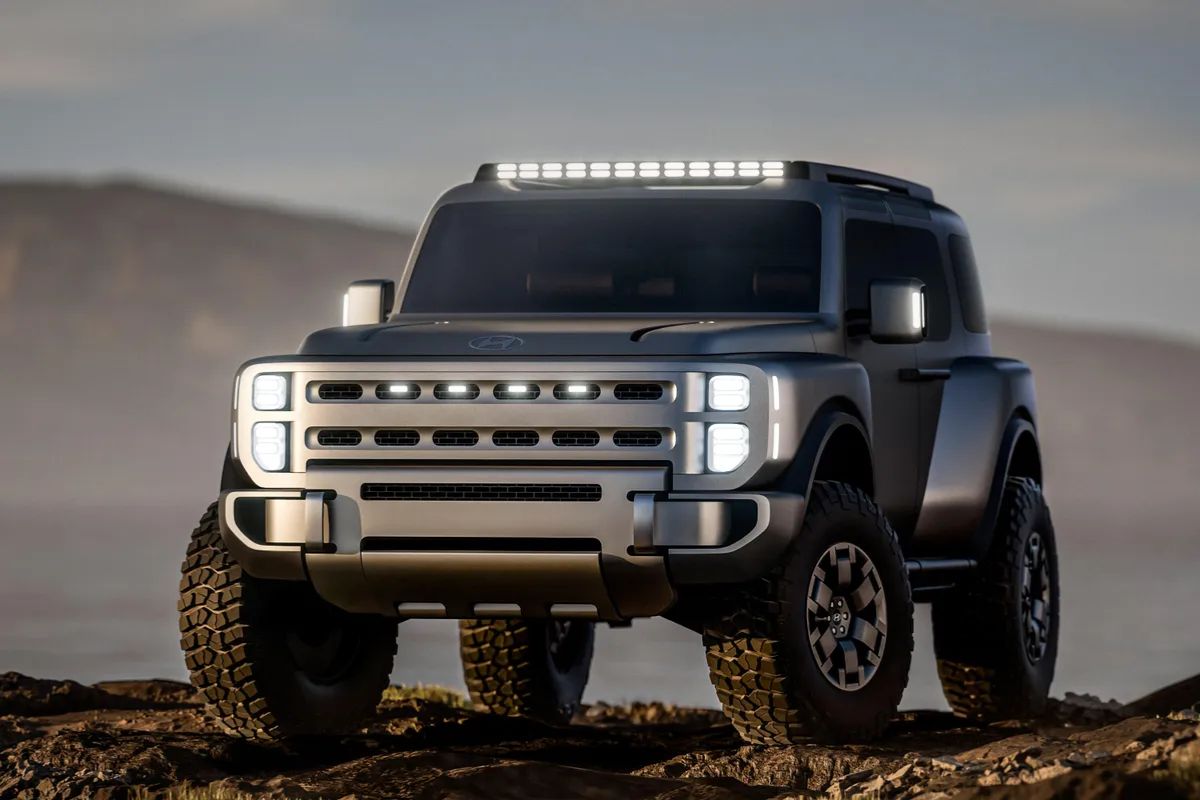
Hyundai has unveiled the Boulder, a square SUV with a body-on-frame design, 37-inch mud tires, and carriage-style doors that seems to be made to take on the Ford Bronco and the Scout Traveller in the United States.
-
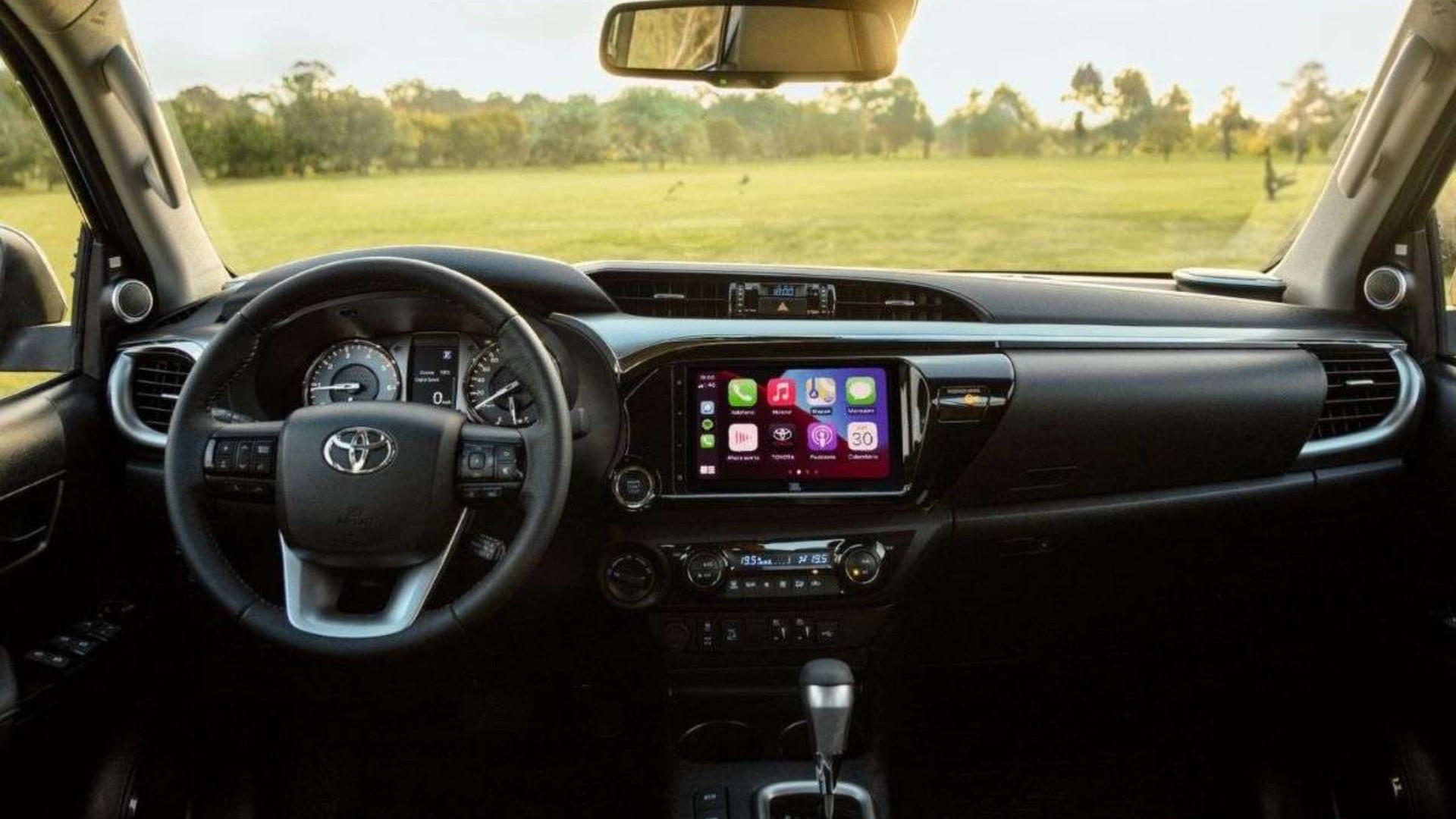
The Toyota Hilux is R$ 75.5 thousand cheaper and bets on the 2.8 turbodiesel engine with up to 204 hp and 50.9 kgfm to catch up with the VW Saveiro, which leads with 4,472 sales.
-
The new Renault Koleos has a screen exclusively for the passenger that is invisible to the driver, heated rear seats, and 29 assistance systems, but its Chinese competitors cost R$ 40,000 less and deliver more power.

The most impressive fact is that the engine and transmission have never been replaced, something extremely rare even among vehicles known for reliability.
Original Engine and Transmission: Why Is This So Extraordinary
Under normal usage conditions, many cars require engine overhauls before reaching 300,000 km.
Transmissions, especially automatic ones, often exhibit severe failures before that.
In the case of Hebley’s 1993 Corolla, the block, cylinder head, crankshaft, and transmission remain original, functioning without complete rebuilds.
This indicates low mechanical stress, well-engineered tolerances, and a conservative design, typical characteristics of Toyota in the 1990s.
This is not due to a lack of maintenance, but rather the opposite: simple, regular, and preventive maintenance, respecting the vehicle’s design.
Basic Maintenance and Extreme Discipline: The Real Secret
Contrary to what many might think, the Corolla did not receive special care or exotic parts.
The secret lies in the consistency of maintenance.
Graeme performed oil changes at short intervals, frequent inspections, and always used the right lubricant according to the specifications of the time. The car was practically serviced by the same workshop for years, ensuring a consistent service standard.
There are no records of miraculous additives or mechanical modifications. Longevity came from discipline, not complex technology.
The 1990s Corolla and Toyota’s Engineering Philosophy
The 1993 Corolla belongs to a generation in which Toyota prioritized simplicity, robustness, and tolerance to severe use. Naturally aspirated engines, multi-point fuel injection, minimal onboard electronics, and oversized components were the norm.
This philosophy made cars consume a bit more and deliver less power, but guaranteed extreme durability. It was a design intended to operate anywhere in the world, even with fuel of varying quality.
This type of engineering explains why so many old Corollas are still on the road, even after decades of intense use.
Why This Feat Would Be Nearly Impossible in Many Modern Cars
Modern cars are more efficient, quieter, and more powerful, but also more complex. Turbos, direct injection, automated transmissions, and advanced electronics have increased performance but reduced the margin for failure tolerance.
Current systems require more expensive and specialized maintenance, in addition to being more sensitive to delays in inspections. This makes it extremely rare for modern vehicles to achieve such high mileages without deep interventions.
The 1993 Corolla shows that mechanical simplicity is still the greatest ally of longevity.
The Impact of This Case on the Used Car Market
Stories like Graeme Hebley’s help explain why Corolla is synonymous with trust in the used car market. Even older models maintain high liquidity and prices above average.
The buyer knows that, even with high mileage, the mechanical risk is lower when the maintenance history is known. This extreme case reinforces a perception that the market already had: the Corolla ages better than most competitors.
It’s not just reputation but a history sustained for decades.
What This Corolla Teaches About Automotive Durability
The case of over 2 million kilometers leaves clear lessons:
- Regular Maintenance Trumps Complex Technology
- Simple Designs Last Longer in the Long Run
- Constant Use Can Be Less Destructive Than Long Periods of Inactivity
Driving a lot but with care can be less destructive than sporadic use with neglected maintenance.
A Rare Feat That Became a Global Benchmark
The 1993 Toyota Corolla of Graeme Hebley is not just a curiosity. It is a real landmark of engineering applied to durability, something increasingly rare in modern industry.
Exceeding 2 million kilometers with original engine and transmission places this car in an extremely select group. More than a record, it’s a practical proof that good designs, coupled with disciplined maintenance, can challenge any theoretical limits of lifespan.
In times of disposable cars, this story serves as a powerful reminder that durability is still possible — when engineering allows it.










-

Uma pessoa reagiu a isso.