





 Portuguese
  English
  Spanish
  4 min of reading
  0 comments


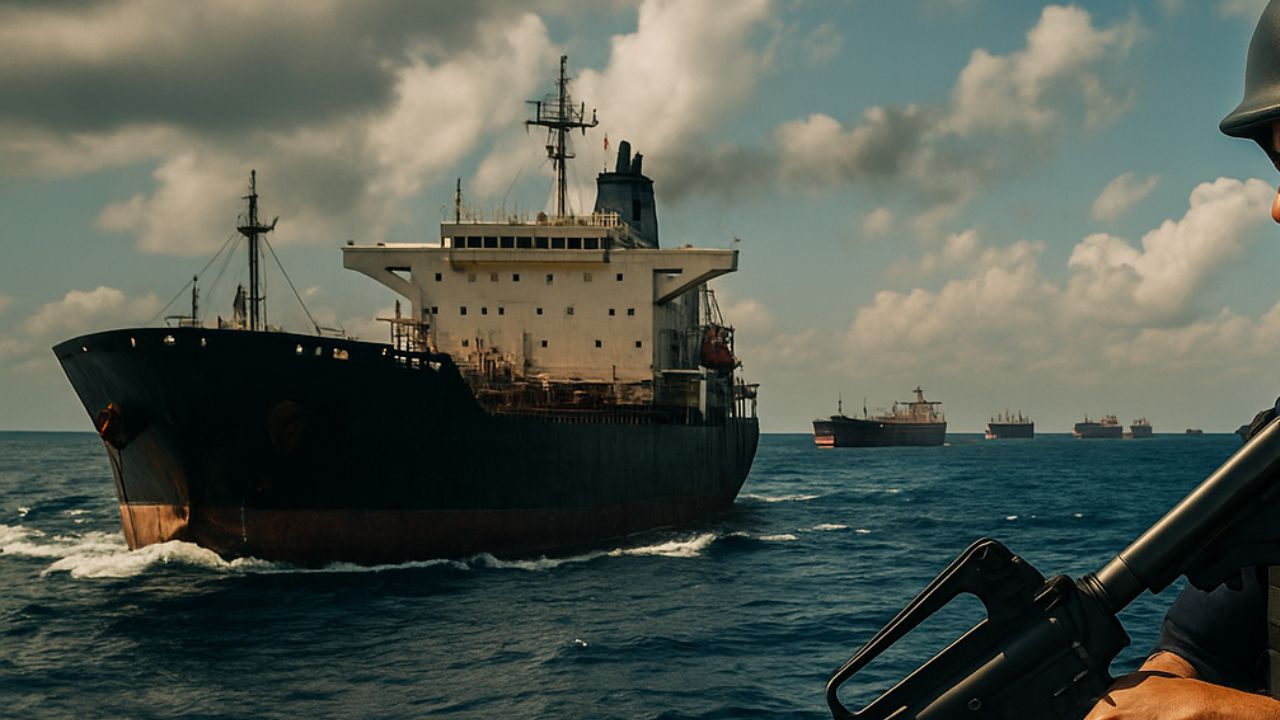
The Seizure Of A Supertanker By The US Coast Guard Put More Than 30 Sanctioned Tankers On Alert, Halted Travel Decisions, May Delay Exports And Exposed The So-Called Parallel Fleet.
The situation of more than 30 tankers in Venezuela has entered a risk zone after the US Coast Guard seized a supertanker off the country’s coast, according to maritime sector data cited in the foundation. The seized vessel was carrying Venezuelan crude oil for export, and the operation prompted owners, operators, and shipping agencies to reevaluate their next steps.
The episode also raised the political tone. Venezuela accused the United States of “blatant theft” and called the seizure an act of international piracy, while experts pointed to the possibility of short-term export delays and the distancing of some shipowners operating on the route.
What Happened In The Seizure And Why The Market Reacted

The foundation reports that the operation was announced by President Donald Trump on Wednesday (10) and was the first known seizure of a cargo of Venezuelan oil since the country has been under US sanctions since 2019.
-
Why U.S. federal judges have increasingly blocked decisions by Donald Trump and how this wave of injunctions is reshaping the limits of presidential power.
-
The US bombs Iran’s largest oil center and raises global tension after Trump’s explosive ultimatum with a threat of total destruction.
-
Eurasia Group, a group that has accurately identified the biggest geopolitical risks of the last 20 years, issues a new warning and states that the greatest danger of 2026 does not come from China or Russia, but from within the United States itself, and that the world’s greatest power is dismantling the global order it created on its own.
-
Analysts monitoring global risks since 2017 warn that water is becoming a geopolitical weapon, half of humanity already lives under water stress, India has suspended its treaty with Pakistan, Ethiopia is operating a dam on the Nile without an agreement, and Turkey has already reduced the flow of the Euphrates by up to 90%.

The most sensitive point was the change in risk perception, because until then the US had not interrupted Venezuelan exports conducted by intermediaries on third-party ships.
The practical effect was immediate: sources from the maritime sector reported that many began to reconsider whether they should sail from Venezuelan waters in the following days, as planned.
When shipowners halt decisions, the logistical queue grows, and this tends to reflect on deadlines, costs, and availability of vessels.
Why More Than 30 Tankers Became The Focus Of The Alert
According to data compiled by TankerTrackers.com, on Wednesday (10) there were more than 80 vessels loaded or waiting to load oil in Venezuelan waters or near the coast, including more than 30 tankers under US sanctions.
This snapshot is important because previous sanctions had already caused a similar effect: loaded ships waited weeks and even months to depart, seeking to avoid conflicts.
The risk, therefore, is not only legal, but operational, with vessels idling, routes redrawn, and decisions made under uncertainty.
The Parallel Fleet And What It Reveals About Exports
The foundation describes that the seized supertanker, identified by a risk management group as Skipper, is part of a “parallel fleet” used to transport sanctioned oil to major destinations. These ships often turn off signals or disguise their location, behavior associated with sensitive cargos and attempts to reduce traceability.
The reliance on this type of structure has increased since sanctions were imposed, with traders and transport companies resorting to this fleet to enable logistics.
In the case of Venezuela, the foundation states that ships load in ports operated by the state-owned PDVSA under false names, and often disguise their location until long after departure, while crossing the Atlantic towards destinations like Malaysia or China.
The Size Of The Global Phenomenon And The Insurance Issue
The base text expands the context with data from Lloyd’s List Intelligence: the global parallel fleet would include 1,423 tankers, with 921 subject to US, UK, or European sanctions.
Generally, they are older ships, with unclear ownership and operating without the first-line insurance coverage required by international standards of major oil companies and many ports.
This detail explains why the case of more than 30 tankers in Venezuela is not just local news. It touches on compliance requirements, port acceptance, and insurance standards that, in practice, define who can operate with predictability.
What Could Change Now In The Short Term
Analysts and experts cited in the foundation expected short-term delays in exports and the possibility of some shipowners distancing themselves. When the perception of risk changes overnight, the market responds with caution, and caution, in this sector, usually means waiting, queuing, and replanning.
At the same time, the accusation of international piracy raises political noise and may harden narratives, putting even more pressure on operators and intermediaries operating in the chain. PDVSA, according to the foundation, did not immediately respond to a request for comment.
In your understanding, does this episode involving more than 30 tankers tend to be an isolated case or the start of an escalation that could completely halt Venezuelan exports?




Seja o primeiro a reagir!