





 Português
  Inglês
  Espanhol
  3 min de leitura
  0 comentários


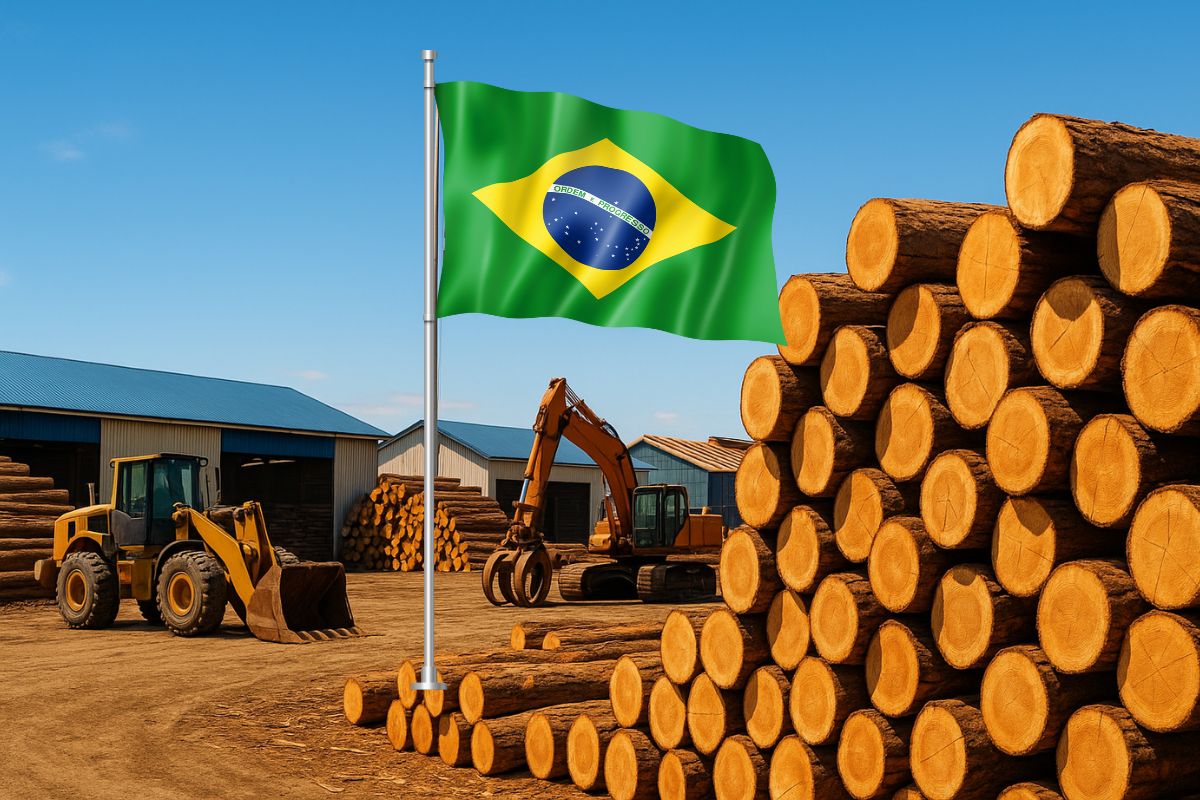
Mass Dismissals Hit Brazilian Timber Industry After US Tariffs. More Than 4 Thousand Workers Have Lost Their Jobs Since August, and Traditional Companies Face Restructuring to Survive.
The mass dismissals in the Brazilian timber sector have already surpassed 4,000 since the United States imposed additional tariffs on imported products in August, according to a survey by g1. The measure, announced by President Donald Trump, caused an immediate drop in exports and directly impacted timber and furniture export hubs, especially in the southern part of the country.
In São Bento do Sul (SC), one of the main cities in the timber hub, Artefama Móveis confirmed significant cuts to its workforce. Founded in 1945, the company stated it is undergoing a restructuring to adapt to the new international scenario.
The Construction and Furniture Industries Union (Sindusmobil) estimates that more than 300 dismissals have occurred just there.
-
In a silent race, Shopee signs a mega contract in Guarulhos and accelerates the e-commerce war with faster deliveries, pressured shipping, and a new threat to rivals in Brazil.

-
Oil surged to $115 a barrel due to the war in the Middle East, and diesel in Brazil has already risen to R$ 7.45 per liter, while the United States…

-
Brazilian city bets on the business environment to generate jobs and attract investments in the energy sector — secretary reveals strategy at Macaé Energy 2026.

-
50 viaducts, 4 tunnels, 28 bridges, and 40 kilometers of bike paths: BR-262 in Espírito Santo will receive 8.6 billion reais for the largest engineering project in the state’s history, inspired by the Immigrant Highway in São Paulo.


Direct Impact on Brazilian Exports
The timber hub of São Bento do Sul, Rio Negrinho, and Campo Alegre has the United States as the destination for 62% of its production. With the imposition of tariffs, the sector lost competitiveness and faced an immediate contraction in cash generation.
According to the president of Sindusmobil, Luiz Carlos Pimentel, companies have no short-term recovery prospects, forcing drastic decisions such as staff cuts and temporary suspension of operations.
The impact is not limited to Santa Catarina. The Brazilian Association of Mechanically Processed Wood Industry (Abimci) reported that, between July 9 and September 15, at least 4,000 mass dismissals were recorded in companies across the sector throughout Brazil.
Which Areas Were Most Affected
The Brazilian timber sector employs around 180,000 workers and encompasses different segments: plywood, sawn wood, flooring, moldings, and doors. With the tariffs, all these branches felt the decrease in demand.
According to Abimci, sawn wood and plywood exports were the most affected, as they accounted for a significant portion of the export agenda to the United States.
To mitigate the effects, companies have been resorting to collective labor agreements, collective vacations, and reduced hours, but such measures are temporary and have limited duration.
The search for new international markets is underway, but it requires time, investments, and logistical capacity that many industries do not currently possess.
Measures by the State Government
In light of the scenario, the government of Santa Catarina announced in August an emergency package of R$ 435 million to support affected exporters.
The measures include tax incentives and special credit lines to ensure the maintenance of up to 70,000 jobs linked to the sector.
Still, experts warn that these actions do not replace the impact of losing the American market, which was established and in high demand.
For them, recovery will depend on both international negotiations and the diversification of the export agenda.
What the Company Artefama Says
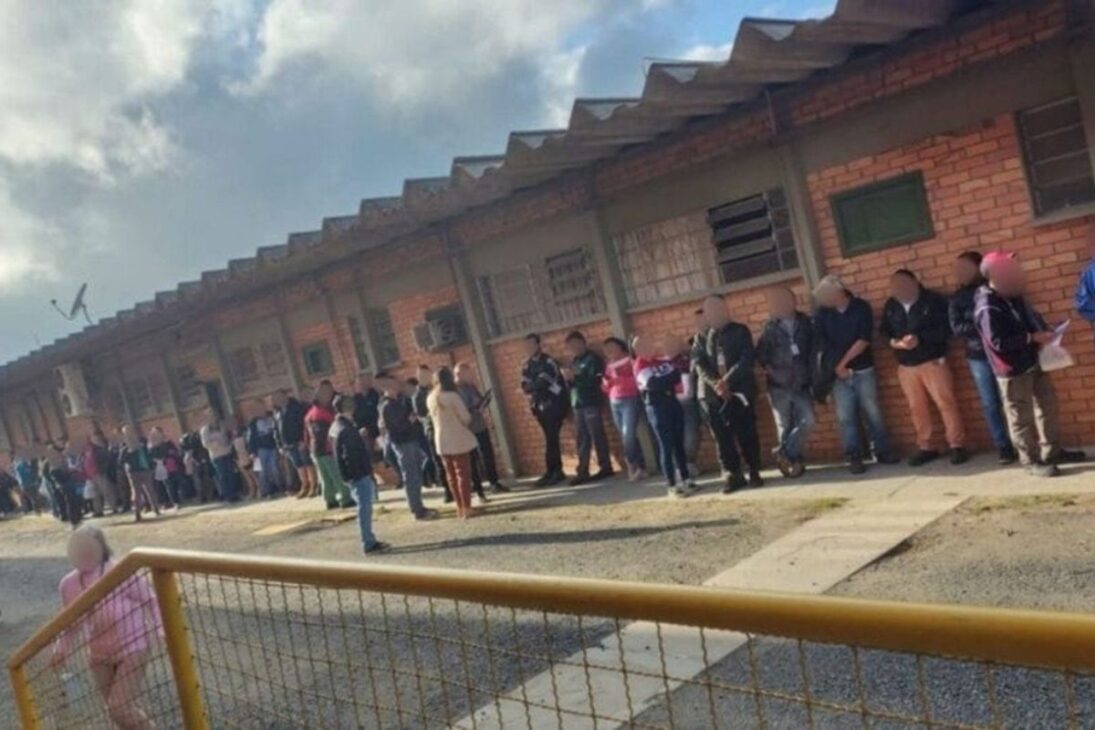
In a statement, Artefama Móveis stated that the decision to cut jobs was “difficult, but necessary to ensure the continuity of operations.”
The company emphasized that it is reorganizing processes, exploring new markets, and preparing for “a new growth cycle.”
According to the company, the goal is to maintain its presence in the municipality of São Bento do Sul and gradually recover production capacity, which could reopen job vacancies in the future.
The statement emphasized the industry’s commitment to the local community, even amid the crisis.
The mass dismissals in the timber sector reveal how the US tariffs exposed Brazil’s dependence on strategic external markets.
At the same time, it highlights the challenges of reindustrialization in regions that heavily depend on exports.
Do you believe Brazil should urgently seek new markets to reduce dependence on the US? Or is the solution to push for international agreements to lower tariffs?
Leave your opinion in the comments; your experience could enrich this debate.










Seja o primeiro a reagir!