





 Portuguese
  English
  Spanish
 4 min of reading
  0 comments


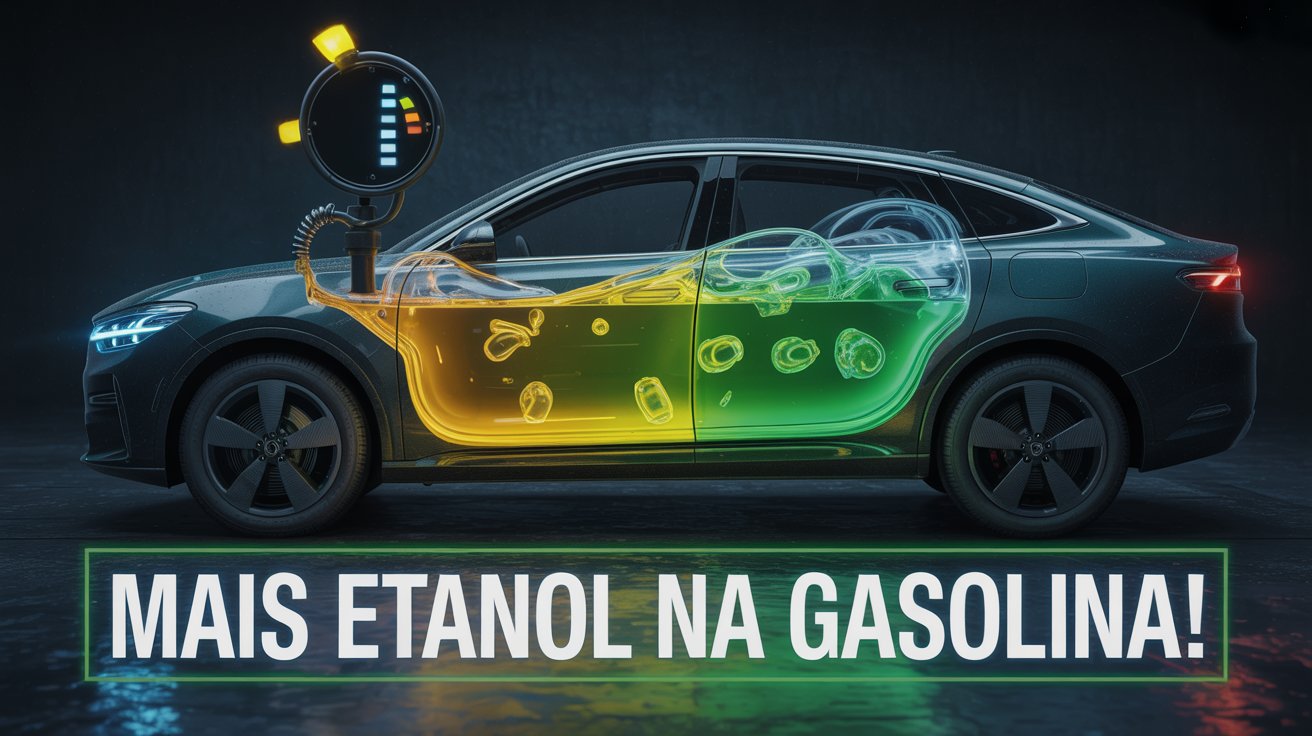
Government Announces Increase of Ethanol Blend in Gasoline to 30%, Promoting Significant Changes in the Fuels Market and in the Consumption of Flex and Imported Vehicles Across the Country.
The Minister of Mines and Energy, Alexandre Silveira, announced this Monday (16th), during the seminar “Gas for Employment” at Fiesp, that the government intends to propose to the National Energy Policy Council (CNPE), still in the last week of June, the increase of the mandatory blend of anhydrous ethanol in gasoline from 27% to 30% (E30).
The expectation is that the measure could come into force as early as 2025, possibly in December.
More Ethanol in Gasoline May Reduce Imports
According to Silveira, the proposal aims at two main fronts: Making Brazil almost self-sufficient in gasoline, reducing dependence on imports, which in 2024 reached 760 million liters.
-
After 377 years of history, the Brazilian Army will have its first female general: Colonel Claudia Cacho has been promoted to brigadier general by Lula and will receive the sword and command baton this Wednesday in Brasília.

-
A Mercado Livre customer opened their package and found 32 resumes of people looking for jobs crumpled as protective paper inside the box, exposing names, addresses, documents, and phone numbers of dozens of candidates.

-
Iceberg A23a, one of the largest in the world, is undergoing accelerated collapse and may disappear: what explains the end of the ice giant?

-
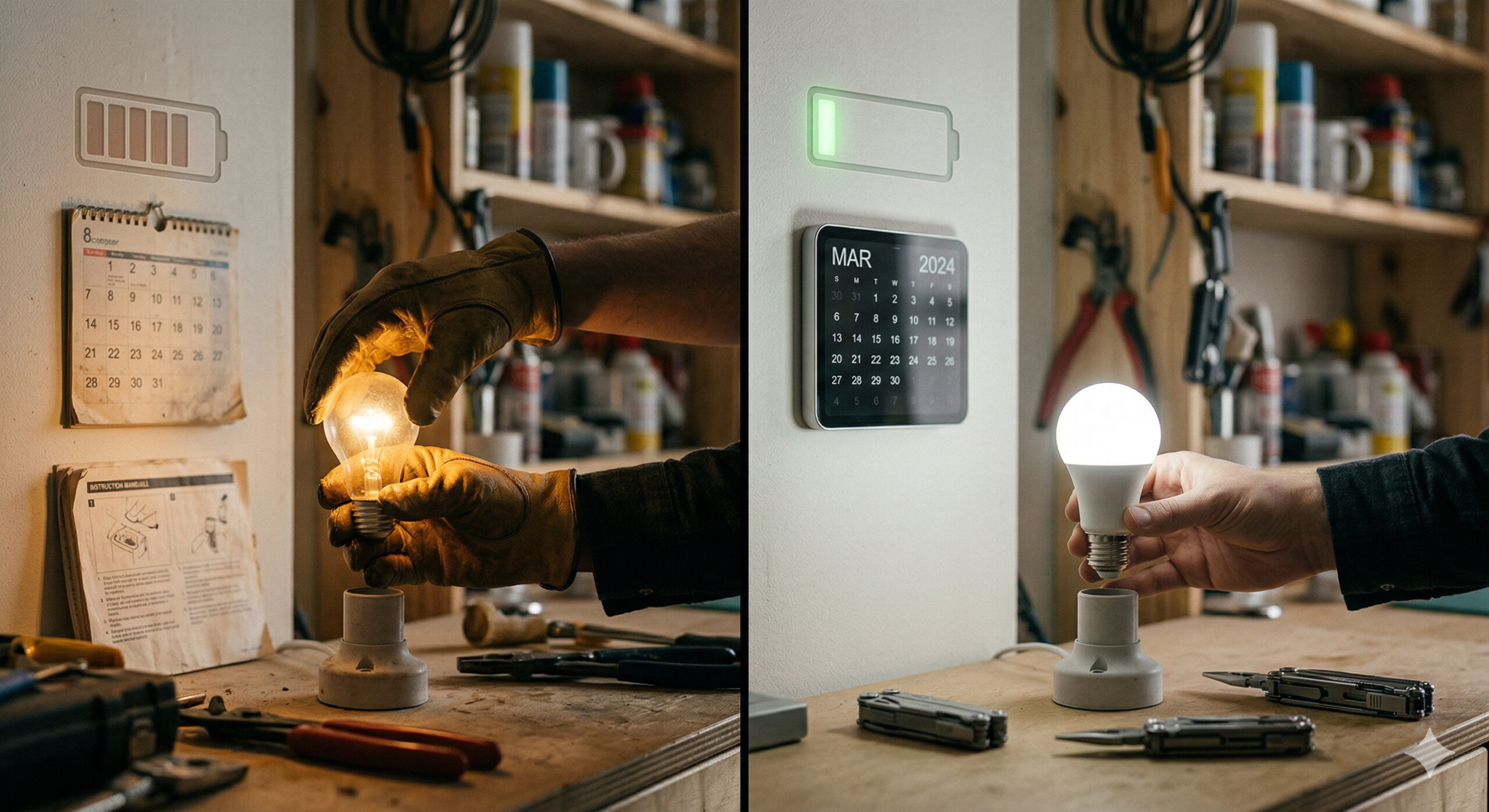
The simplest swap at home can reduce energy consumption by up to 90% without changing habits, using a technology that lasts up to 25 times longer and consumes only a fraction of the electricity.

Taking advantage of the record sugarcane and corn harvest, which will ensure a sufficient ethanol supply for the new blend.
Technical studies from the Mauá Institute of Technology, based on the Future Fuel program, confirm the technical feasibility of the proposal for light vehicles and motorcycles.
The minister also emphasized the urgency of the change to make Petrobras a leading player in the review of pricing policy, without political intervention in the state-owned company.
He also advocated for adjustments in the company’s operations in the natural gas market, especially to reduce the reinjection of the input in the fields, increasing its availability and lowering costs.
Increase of Ethanol in Gasoline and Environmental Impact
For every 10 percentage points increase in ethanol, such as going from 20% to 30%, it is estimated that the emission of around 6 million tons of CO₂ per year can be avoided.
This change could help Brazil meet climate goals and reinforce the image of its energy matrix as one of the cleanest in the world.
However, experts warn of possible effects on engines that use only gasoline, such as imported vehicles without flex technology.
These models may experience an increase in consumption of up to 1–2%, along with risks of corrosion in components of the fuel system designed solely for pure gasoline.
Fuel Consumption with the New Blend
Laboratory analyses indicate that, in flex vehicles, the jump from E27 to E30 results in a minimal drop in efficiency: from about 10 km/L to 9.8–9.9 km/L.
This difference is practically imperceptible for the average driver.
Moreover, Inmetro will continue using gasoline E22 for consumption comparison purposes on labels, which does not affect this evaluation.
Anfavea confirms that flex vehicles are designed to operate with any proportion of ethanol between 22% and 100%, without harming the engine.
Copersucar estimates that E30 could generate an increase of 5 billion liters in annual ethanol demand, also fueled by the record harvest.
And the Imported Cars?
Cars powered exclusively by gasoline, or imported models not calibrated for percentages close to 30%, may face:
- Increased consumption due to the lower calorific power of ethanol.
- Possible wear on components caused by the corrosiveness of alcohol.
- However, long-term durability still requires investigation.
Current tests only measure initial performance and do not assess accumulated impacts over time.
Boris Feldman Criticizes Increase of Ethanol in Gasoline
In his assessment, Boris Feldman, an automotive industry specialist, highlighted that: “When it goes from 27% to 30%, … your car will consume more than the current gasoline that only has 27% … an increase in ethanol raises consumption and decreases your bank balance.”
According to him, the measure may burden consumers, especially owners of imported cars: the increase in the blend will directly impact their wallets, as consumption will be higher. Imported vehicles not calibrated for E30 may suffer even more.
Pros and Cons of the New Policy
Pros
- Reduction of gasoline imports and relief in trade balance.
- Lower predictable cost of gasoline, due to the increase in the share of cheaper ethanol.
- Significant decrease in CO₂ emissions, reinforcing energy transition.
Cons
- Slight increase in flex car consumption (~1–2%).
- Gasoline models may have a larger increase in fuel expenditure.
- Corrosion risks in vehicles not designed for E30.
When Will the New Gasoline Come into Force?
The CNPE is expected to deliberate on E30 between late June and early July. If approved, the government aims to implement the blend by the end of 2025. The change may have repercussions on the agricultural, industrial, and consumer chains.
The question that remains is: Is the increase of ethanol in gasoline a new milestone in Brazil’s fuel policy, or does it represent too hidden a cost for the average owner?





Seja o primeiro a reagir!