





 Portuguese
  English
  Spanish
  3 min of reading
  0 comments


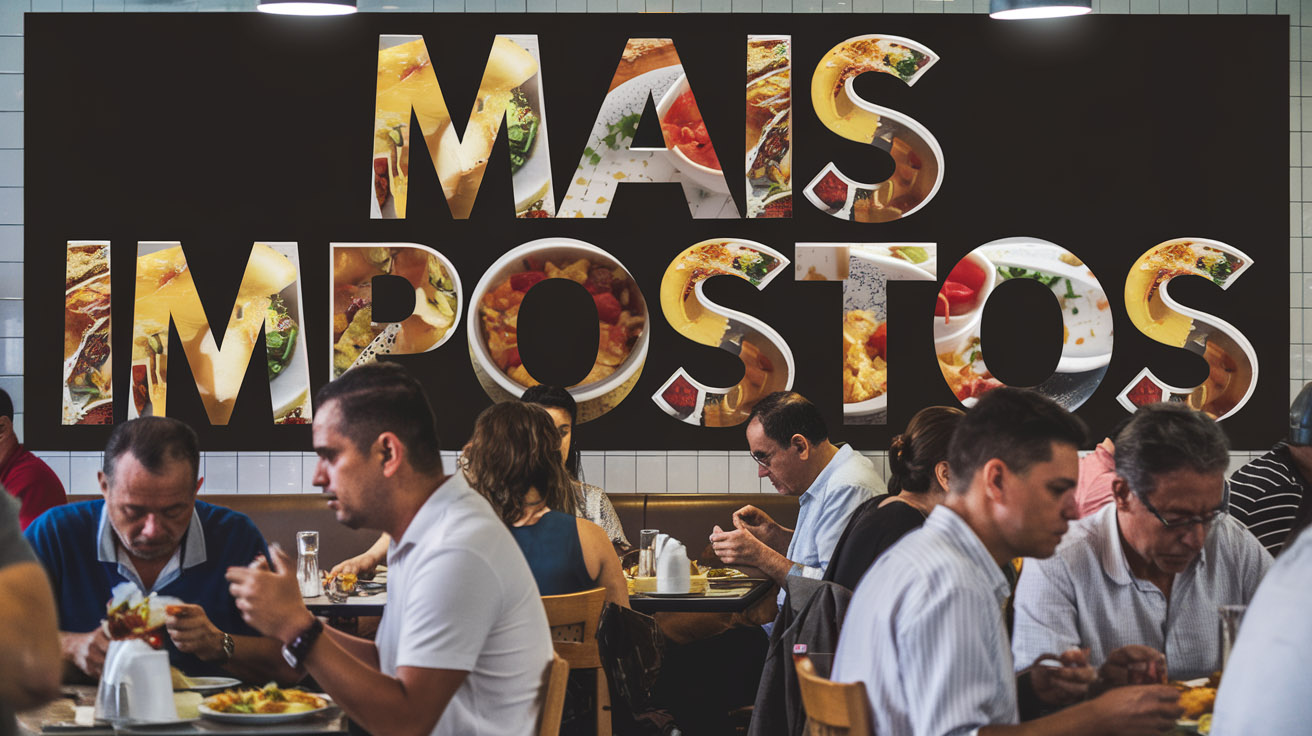
ICMS in SP May Rise 300%, Directly Affecting Bars, Restaurants, and Consumers’ Wallets. Sector Faces Risks of Closures and Mass Layoffs While Trying to Dialogue with the State Government. Without Changes, the Cost of Meals Will Be Higher as Early as 2025.
Prepare for a direct impact on your wallet: dining out in São Paulo could become up to 7% more expensive as early as 2025.
This is because the special regime of ICMS taxation, which has reduced the tax burden for bars and restaurants for 31 years, is about to be abolished.
The sector, which employs more than 1.4 million people in the state, is racing against time to avoid a tax hike that could jeopardize the survival of thousands of businesses.
-
The institute that trained the greatest aerospace engineers in Brazil has just opened its first campus outside São Paulo after 75 years: ITA Ceará will have R$ 445 million, new courses in energy and systems, and classes are expected to start in 2027.
-
Luciano Hang, owner of Havan, goes to Juiz de Fora after the tragedy in February, brings R$ 1 million, hands out R$ 2,000 cards, and donates up to R$ 15,000 to victims in the region.

-
The Brazilian passport allows legal residence in dozens of countries without the need for a prior visa, and most Brazilians are unaware that they can apply for residency directly upon arriving in nations in South America, Africa, and even Europe.
-
Petrobras sends a message to Brazilian truck drivers after fuel collapse and reveals plan to have 100% domestic diesel.
What Is Happening?
The Federation of Hotels, Restaurants, and Bars of the State of São Paulo (Fhoresp) revealed that the ICMS, currently set at 3.2% for the segment, may jump to 12%.
This represents an effective increase of 300%, raising the tax burden to 9.6%, even considering tax credits.
This change, expected to take effect on January 1, 2025, will reflect the end of the decree that has ensured the tax benefit since 1993.
The impact will not only be on business owners.
According to Fhoresp, the pass-through to consumers will be inevitable, with an immediate increase in meal costs estimated at 7% or more.
This, according to Edson Pinto, executive director of the entity, will be exacerbated by the fact that the sector has already absorbed 14% inflation over the past four years.
What Is at Stake with the ICMS Increase?
In addition to the direct impact on prices, the potential rise in ICMS threatens job creation and encourages informality.
According to Fhoresp, the sector is responsible for approximately 5.7% of jobs in the state of São Paulo.
Without the special regime, São Paulo will have the highest taxation in the country on the food service sector, surpassing states like Minas Gerais and Rio de Janeiro.
Another critical point is the lack of dialogue with Governor Tarcísio de Freitas (Republicans).
According to sector representatives, the state government has not shown willingness to discuss the issue, even after formal attempts to reach out.
This has generated criticism regarding the lack of understanding of the economic importance of the sector.
Comparison with Other States
The current ICMS rate for restaurants in São Paulo is one of the lowest in Brazil. Here’s how it compares:
- São Paulo (SP): 3.2%
- Rio de Janeiro (RJ): 4%
- Minas Gerais (MG): 3% to 3.2%
- Paraná (PR): 3.2%
- Santa Catarina (SC): 3.2%
Without the special regime, the São Paulo rate will jump to 12%, exceeding the national average.
This decision also contrasts with other states that, despite facing fiscal crises, maintain incentives for the sector to ensure competitiveness.
What Does the Sector Expect?
Entities like Fhoresp, the National Federation of Collective Meals (Fenerc), and the Brazilian Association of Collective Meals (Aberc) have mobilized to raise awareness among the state government.
The continuation of the benefit is seen as essential to preserve jobs, avoid price increases, and guarantee the quality of food served in public contracts, such as school meals and meals in hospitals.
“If the government does not back down, the negative effects will be unprecedented for the São Paulo economy”, warns Edson Pinto.
The sector also fears that public contracts, which depend on competitive prices, will be severely impacted.
An Uncertain Future for Consumers and Business Owners
The outcome of this dispute is still uncertain, but one thing is clear: consumers will be directly affected, paying more to dine out.
Meanwhile, the bars and restaurants sector is facing the greatest tax crisis in the last 30 years, with no guarantees of support from the government.
With this imminent change, the question remains: will the São Paulo government prioritize fiscal balance or the preservation of a sector that employs millions of people and generates billions in the economy?
Share your opinion: do you think this ICMS increase is justifiable?









Seja o primeiro a reagir!