





 Portuguese
  English
  Spanish
  3 min of reading


The Study For The New Way Of Generating Renewable Energy Received Support From FAPESP Through Three Projects
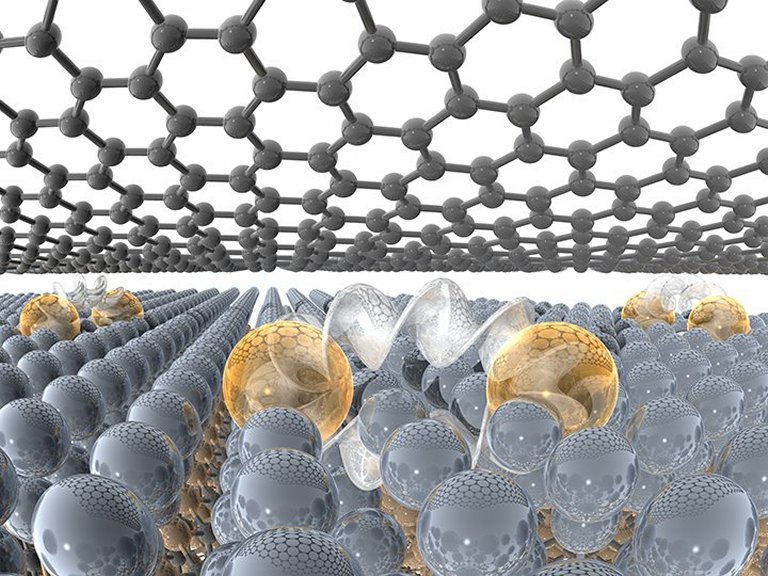
In an article published by Agência FAPESP, the new method of generating renewable energy is becoming a reality thanks to two-dimensional materials, which are gaining prominence due to their properties. The discovery involves materials with thickness varying from just one atom to a few nanometers, allowing for the miniaturization of devices in sectors such as electronics, health, and energy. However, some of these materials are still difficult to produce at an industrial scale while maintaining their essential properties.
Other News:
- Petrobras Sets Historic Record For Liquefied Natural Gas (LNG) Imports, With The Purchase Of Over 40 Million Cubic Meters Of The Input In A Single Day!
- Federal Institute of Rio de Janeiro (IFRJ) Opens Selection Process For 1,764 Vacancies In Free Technical Courses In Oil and Gas, Occupational Safety, Mechanics, Computer Science And Much More!
- First Capacity Reserve Auction For Energy Held In Brazil May Be Annulled Due To Unequal Conditions Dispute
In a study conducted at the Institute of Energy and Nuclear Research (Ipen) and recently published in the journal Materials Today Advances, researchers associated with the Center for Innovation in New Energies (CINE) and the Materials Science and Technology Center at Ipen demonstrated a significant contribution to the search for methods that make it feasible to industrially produce these ultrathin materials.
The researchers created a fast, clean, and easy method to obtain hexagonal boron nitride nanosheets, which are composed of planed layers of boron and nitrogen atoms arranged in the form of hexagons. Due to their electronic and mechanical properties and high adsorption capacity, the material is promising for application in sectors such as renewable energy generation and storage – one of CINE’s goals, a Research Center in Engineering (CPE) established by FAPESP in partnership with Shell.
-
How green infrastructure and renewable energy at the World Cup transform the logistics of the largest sporting event on the planet in North America.

-
The Cagece and UFC project advances in sustainable innovation with biogas by converting waste into renewable energy, reducing environmental impacts, and increasing sanitation efficiency with concrete and measurable results.

-
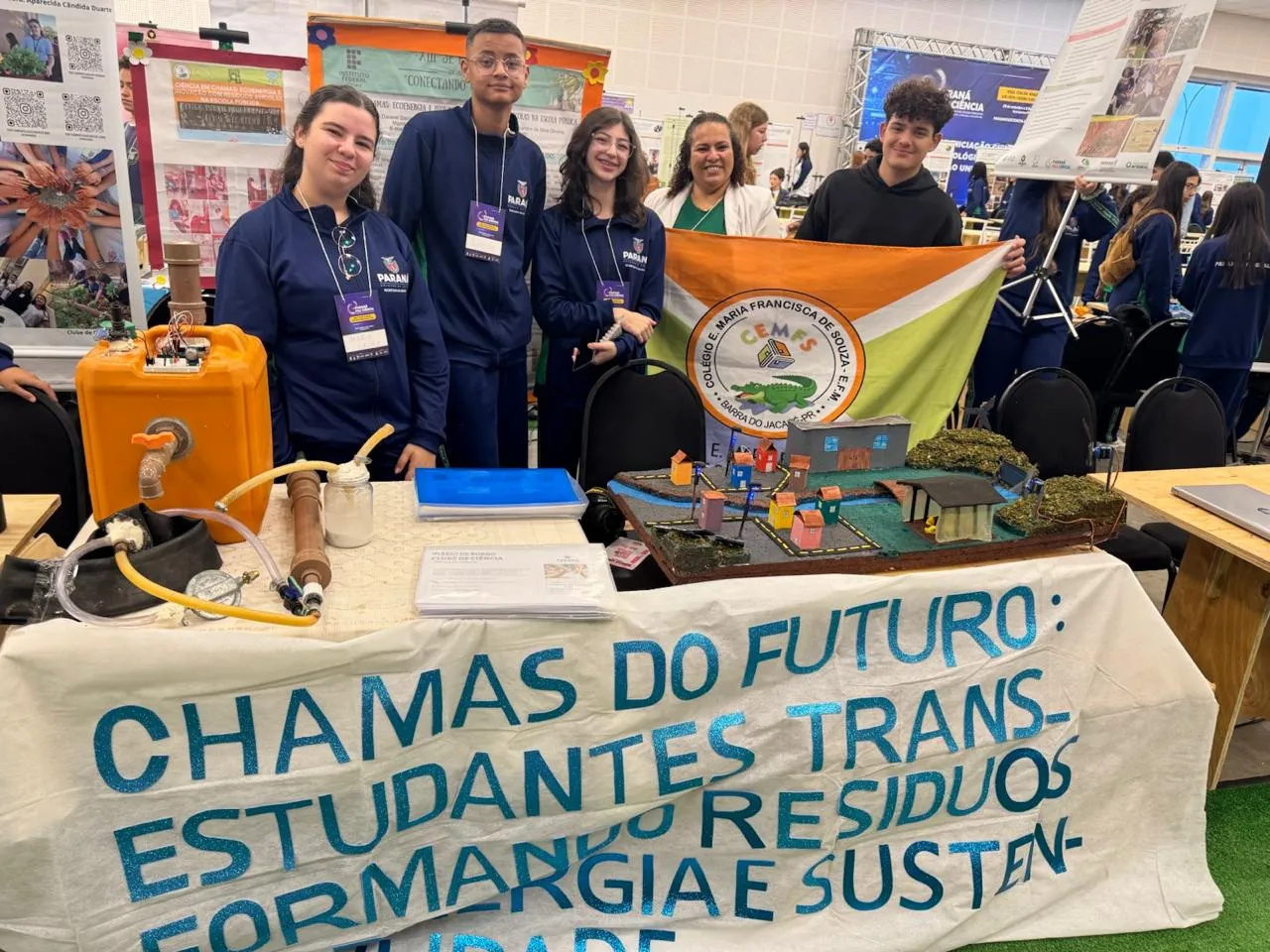
Paranaense students develop a system that transforms farm waste into clean energy and revolutionizes sustainable agribusiness.
-
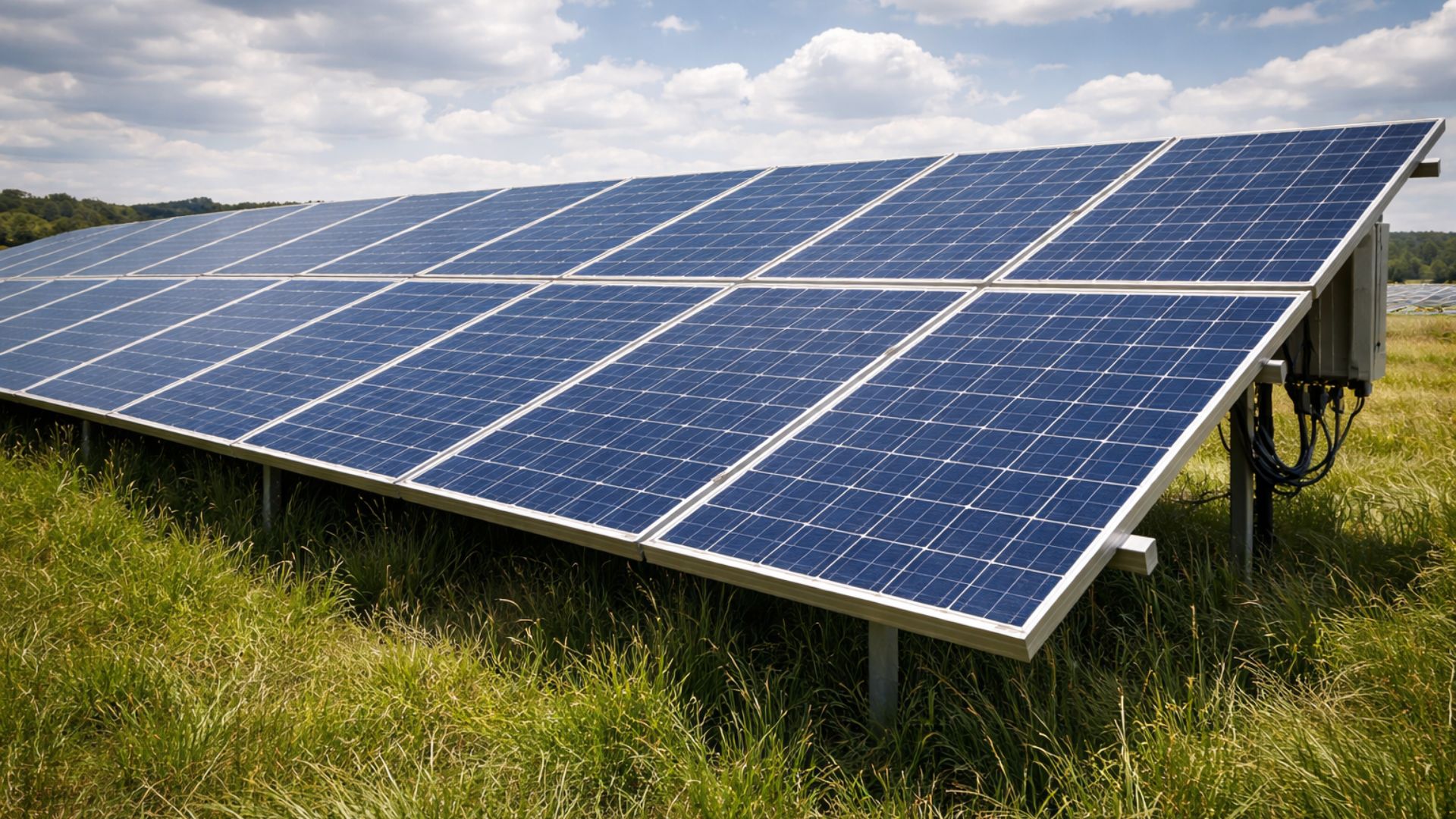
The Ministry of Defense installs a giant photovoltaic plant and ensures a stable supply of clean energy in Maturacá, in the Amazon.

How The Material Is Produced
To obtain hexagonal boron nitride in a two-dimensional form, it must be exfoliated, that is, extracting a few layers of the material from its macroscopic form. Commonly known as white graphene, hexagonal boron nitride resembles carbon material in many characteristics; however, exfoliation is much more complicated.
“In this work, a method was presented for exfoliating boron nitride crystals into a few-layer material of nanometric dimensions using the plasma from a modified Tesla coil,” explained Almir Oliveira Neto, a senior researcher at Ipen and a member of CINE, who led the work.
The device in question, the Tesla coil, is simple and can be built by hand, capable of producing high-voltage discharges (arcs). These electrical discharges cause ionization in the surroundings, forming what is called “cold plasma,” where electrons are in a higher energy state than other particles.
The exfoliation of boron nitride using the new method occurs when the electrons are shot at a macroscopic amount of boron nitride. At this moment, a portion of the energy of the electrons is transferred to the crystal structure, increasing the bond distance between atomic layers until the bond is broken.
According to Oliveira Neto and postdoctoral researcher Fernando Brambilla de Souza, the main authors of the article, the methodology is promising for the industrial production of this two-dimensional material.
In addition to enabling the scaling of production, the method only uses boron nitride, electrical energy, and nitrogen gas as raw materials. Furthermore, production can be carried out in just one step, using a compact device that can be easily and economically built.







Seja o primeiro a reagir!