





 Portuguese
  English
  Spanish
  3 min of reading
  0 comments


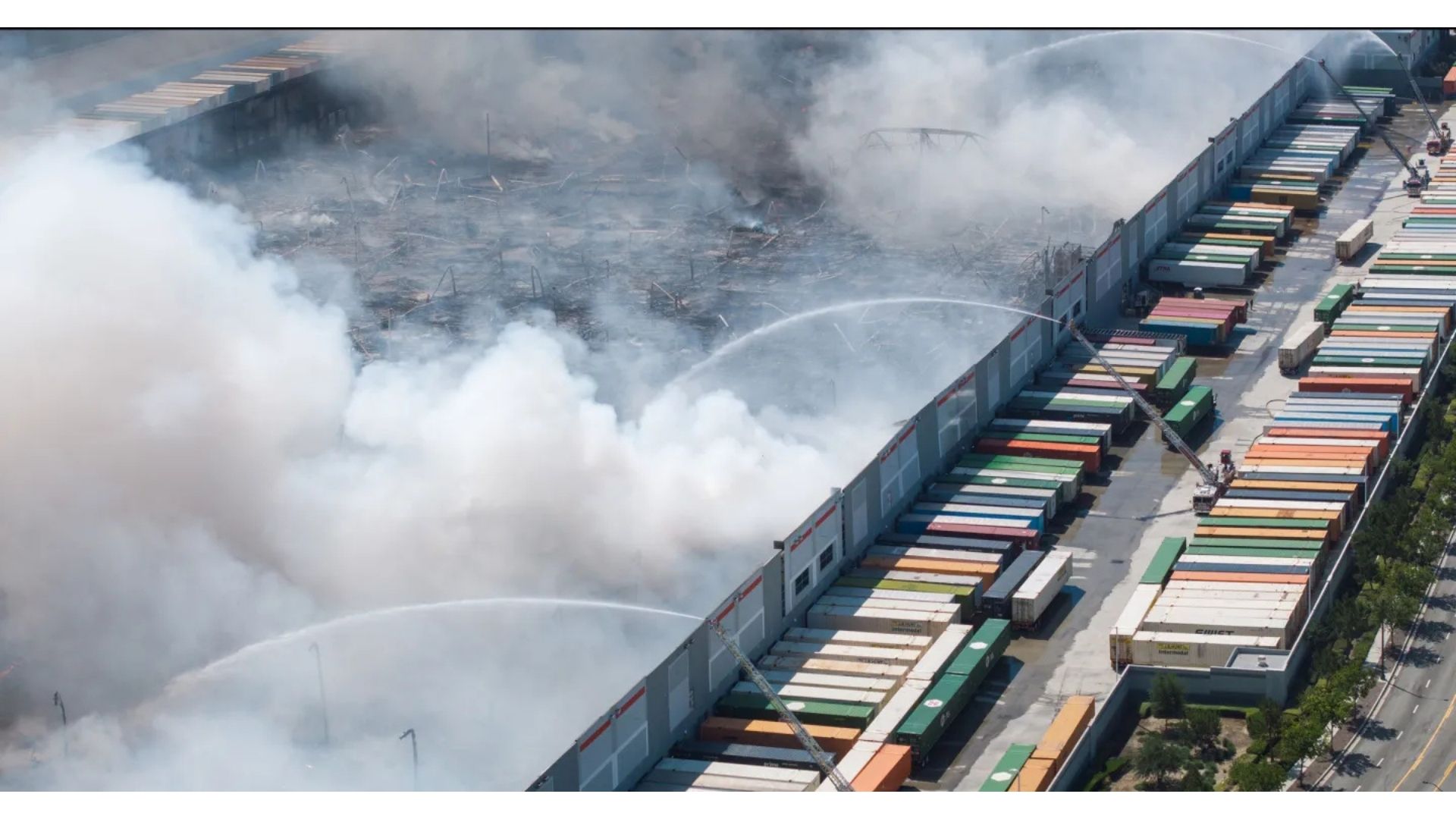
The deliberate attack that reduced a massive logistics center to ashes reveals the dangers of a dissatisfaction with payment taken to the extreme.
A large distribution center was the scene of a deliberate attack that resulted in the destruction of a 1.2 million square foot (about 111 thousand square meters) structure.
The incident was caused by a man who set fire to the location motivated by extreme dissatisfaction with his financial compensation. The dissatisfaction with payment led the individual to plan and execute the arson, causing massive damage to the logistics infrastructure and stored inventory.
Dynamics of the attack and motivation for the crime
Police investigations confirmed that the fire was not a technical accident, but a coordinated action by a dissatisfied employee or contractor. According to testimonies collected by the authorities, the suspect repeatedly stated that the company was not compensating him fairly for the work performed.
-
Research shows that CLT is the favorite in Brazil, leading among young people and surpassing freelancers and digital platforms, with 95% satisfied in their current jobs and little search for new positions.

-
John Deere will have to pay $99 million after blocking tractor repairs through software in the U.S.; the agreement allows diagnostic tools and reprogramming until the end of 2026 and reopens the fight for the right to repair.

-
End of the bricklayers? The construction industry suffers from a labor shortage, and the causes go beyond Bolsa Família and Uber.

-
The construction sector opposes the release of R$ 7 billion from the FGTS for workers to pay off debts: the measure raises a risk alert in the market, threatens Minha Casa Minha Vida, housing credit, and mass layoffs in Brazil.

This dissatisfaction with payment escalated to the point where he decided to set the warehouse on fire as a form of direct retaliation against the organization.
The fire spread rapidly due to the nature of the stored materials and the vast extent of the built area, which hindered the initial firefighting efforts. Reports indicate that the perpetrator used accelerants to ensure that the fire reached uncontrollable proportions in a short time. The act resulted in the collapse of significant parts of the roof and walls of the 1.2 million square foot structure.
Logistical impact and response from authorities
The impact of the arson was felt immediately in the region’s supply chain, given the colossal size of the affected warehouse. Hundreds of firefighters were mobilized to contain the flames, which could be seen from miles away from the incident site.
The dissatisfaction with payment, identified as the sole trigger for the crime, resulted in an estimated material loss of millions of dollars, in addition to putting the lives of other workers at risk.
The police arrested the suspect shortly after the fire started, based on evidence from security cameras and eyewitness testimonies. The individual now faces serious charges of arson and large-scale destruction of private property. Workplace safety experts highlight that this case is an extreme example of how poorly managed labor conflicts can result in severe property violence.
Judicial consequences and reconstruction of the unit
The legal proceedings against the perpetrator will consider premeditation and the risk posed to the physical integrity of others during the attack on the warehouse. While the case is in court, the company that owns the site is evaluating the possibility of reconstructing the structure that was completely compromised by the intense heat.
The dissatisfaction with payment cited by the defendant does not justify, under the law, the catastrophic damage caused to one of the largest logistics centers in the area.
Cleanup and technical expertise operations are expected to take months before the site is cleared for new construction or renovations. The incident serves as a warning to the industrial sector about the importance of internal vigilance and conflict mediation within large facilities.
The total destruction of the 1.2 million square foot warehouse remains one of the largest losses caused by a single individual in the recent history of the sector.
Click here to access the study.








Seja o primeiro a reagir!